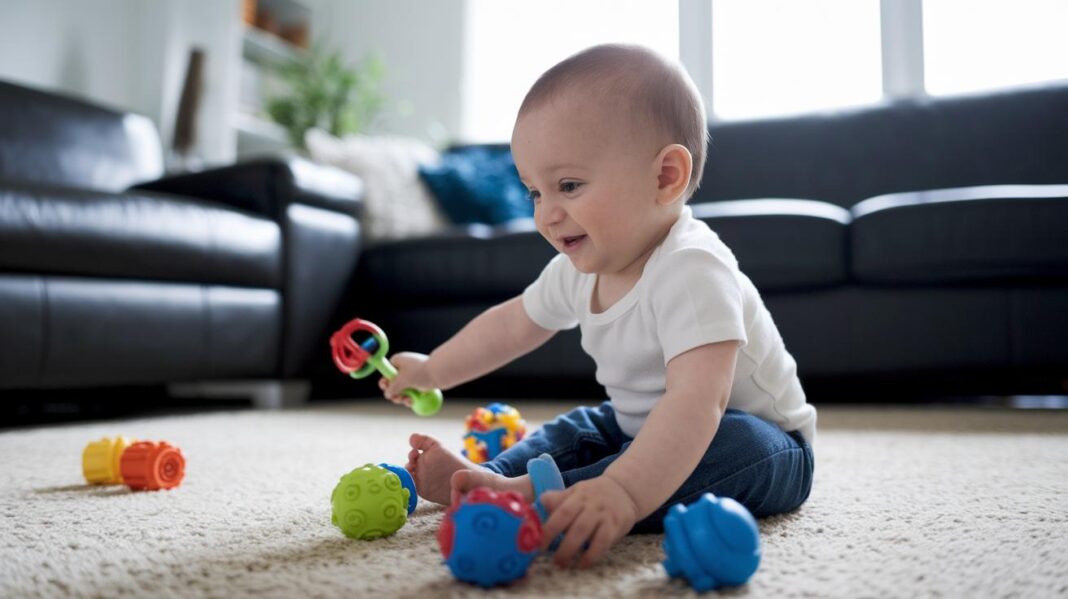
Have you ever noticed how your baby lights up when they hear a familiar sound? It seems even tiny ears can pick up soft voices and gentle tunes. At birth, you might hear a startled cry, and soon after, little coos as they mimic those sounds. Sometimes, one simple sound turns an ordinary moment into a burst of joy. Let’s take a closer look at these signals and see how every sound helps build a warm connection between you and your little one.
Key Infant Hearing Milestones by Age
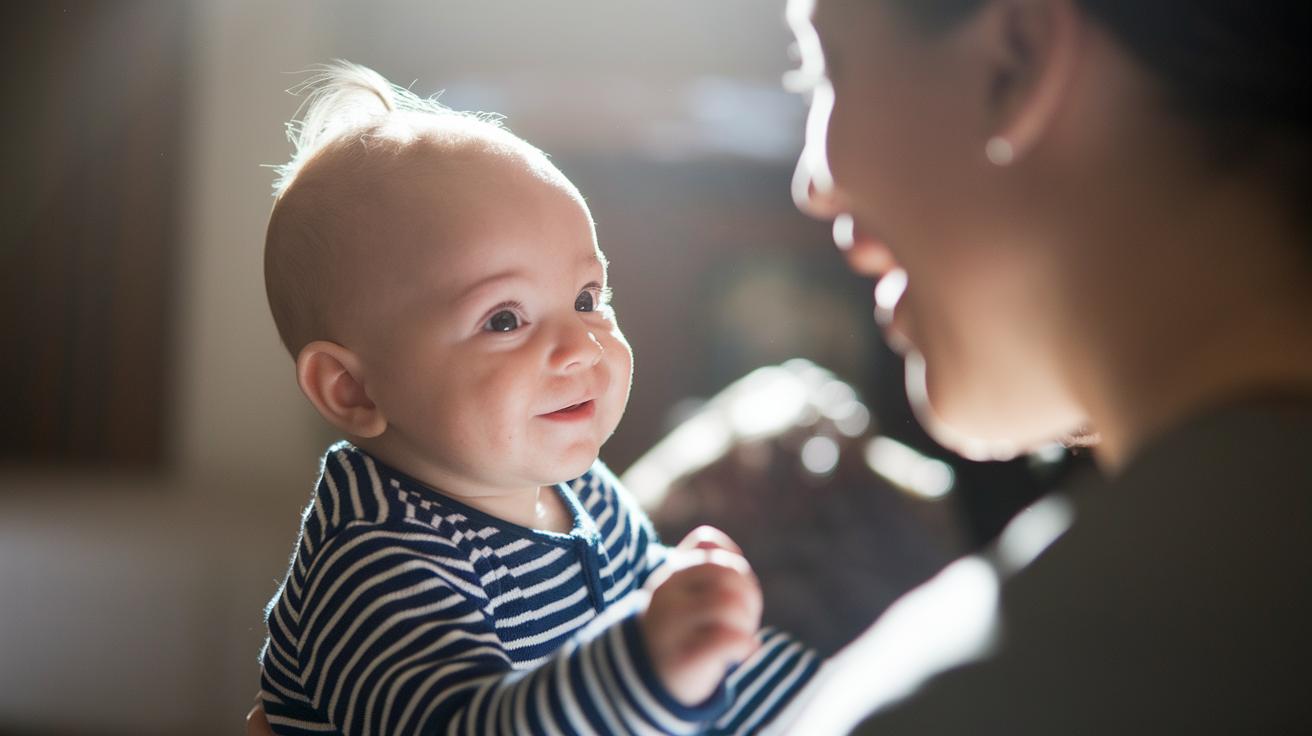
Watching your little one discover new sounds is such a heartwarming experience. In the early days, babies respond to loud noises, turning them into soft cries or sudden smiles when they hear a familiar voice. These early steps are little markers that comfort you and help guide everyday interactions with your baby.
| Age Range | Typical Hearing Milestone | Behavioral Example |
|---|---|---|
| Birth | Babies might startle or cry when they hear a sudden loud noise, and they begin to recognize a parent’s voice. | For example, if a door slams, baby might cry in surprise but then quickly calm down when they hear your soothing tone. |
| 1–3 months | Babies start smiling in response to familiar voices and turn their head toward sounds they know. | Imagine someone whispering or softly singing, baby might tilt their head and flash a sweet smile. |
| 4–6 months | Their babbling begins, and they start to copy simple sounds around them. | During a gentle chat or casual cooing, baby may mimic those sounds and respond with adorable coos. |
| 6–9 months | Babies begin reacting to their own name and can locate the source of sounds. | If you call their name from another room, baby might turn their head to find out where the sound is coming from. |
| 9–12 months | They start using repetitive babbles such as “mama” or “dada,” marking the start of early conversations. | While playing, you might notice baby repeating these simple words, almost like a tiny conversation just for you. |
Each of these moments tells a beautiful story of your baby’s growing ability to hear and understand the world. It’s amazing how a little turn of the head toward a familiar murmur can hint at a future filled with language and laughter. Enjoy these special milestones and know that every small step is a big moment in your little one’s journey.
Early Auditory Responses in Infant Hearing
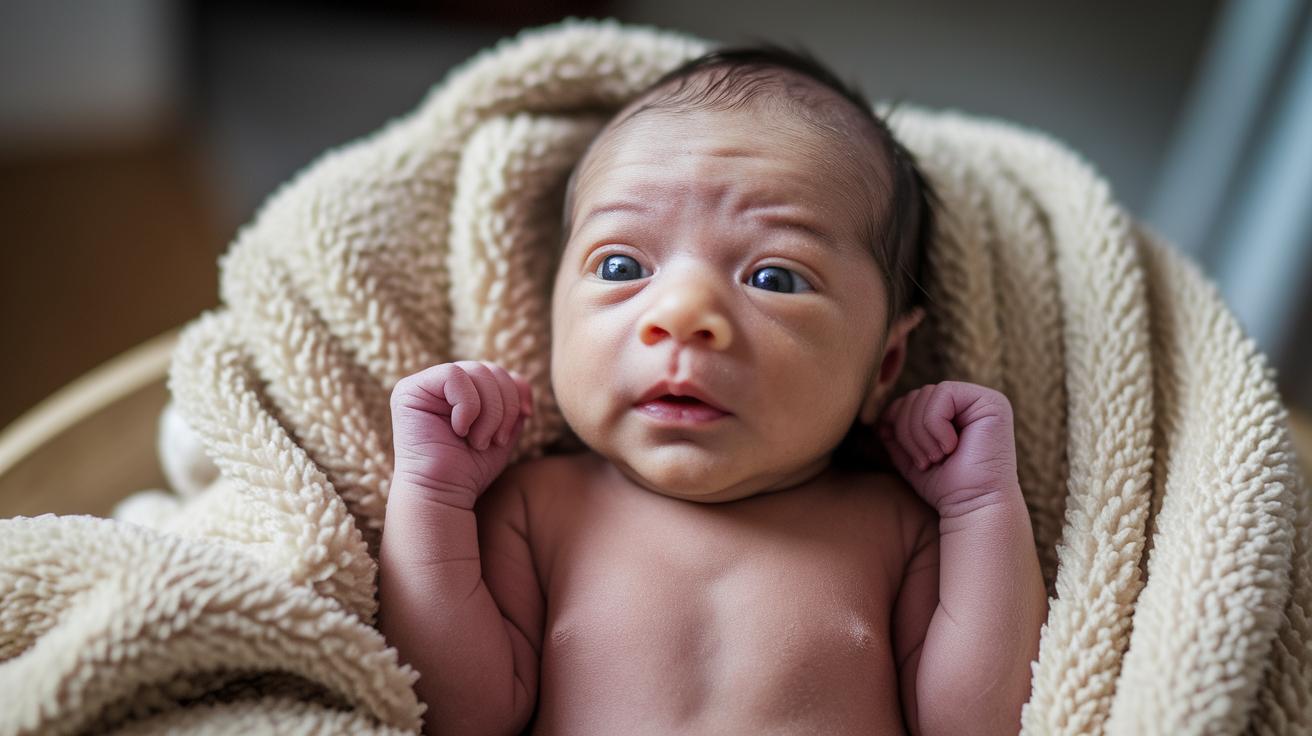
Newborns do more than just react, they actively listen and process sounds in unique ways. Even the startle reaction, like the one seen in the Moro reflex, links up with brain pathways that help make sense of sudden noises. Recent findings show that when babies are surprised by a sound, specific neural signals light up areas in the brain connected to learning language. Think of it this way: a gentle tone that makes a baby turn their head might be their very first step in getting used to the rhythm and flow of speech.
A baby’s early love for soft, high-pitched voices isn’t just about feeling cozy. It actually helps form the basic building blocks for language later on. Studies indicate that hearing a familiar voice helps create neural connections that boost attention and the ability to tell different sounds apart. For example, a quiet, well-known whisper can capture a baby’s gaze, setting the stage for all the language skills they’ll develop in the upcoming months.
Infant Hearing Milestones: Joyful Early Progress

The American Academy of Pediatrics says that every baby should have a hearing check by one month old. If there’s any concern after that, doctors will do a more detailed check by three months. Hospitals usually use two simple hearing tests called the OAE and ABR tests. These tests give you a quick look at how well your baby hears.
Think of the OAE test like listening for tiny sounds your baby’s inner ear makes when it hears a noise. The ABR test is more like watching the messages travel from the ear to the brain. Both tests help set a starting point to see how your baby picks up sounds as they grow.
This early check is not only reassuring, it also helps doctors know when to jump in if your baby needs a little extra help. It’s a bit like laying the very first brick in a home. Every sound your baby hears helps build language and social skills. Really, it marks the start of a lifetime full of wonderful sounds and connection.
Recognizing Concerns Within Infant Hearing Milestones
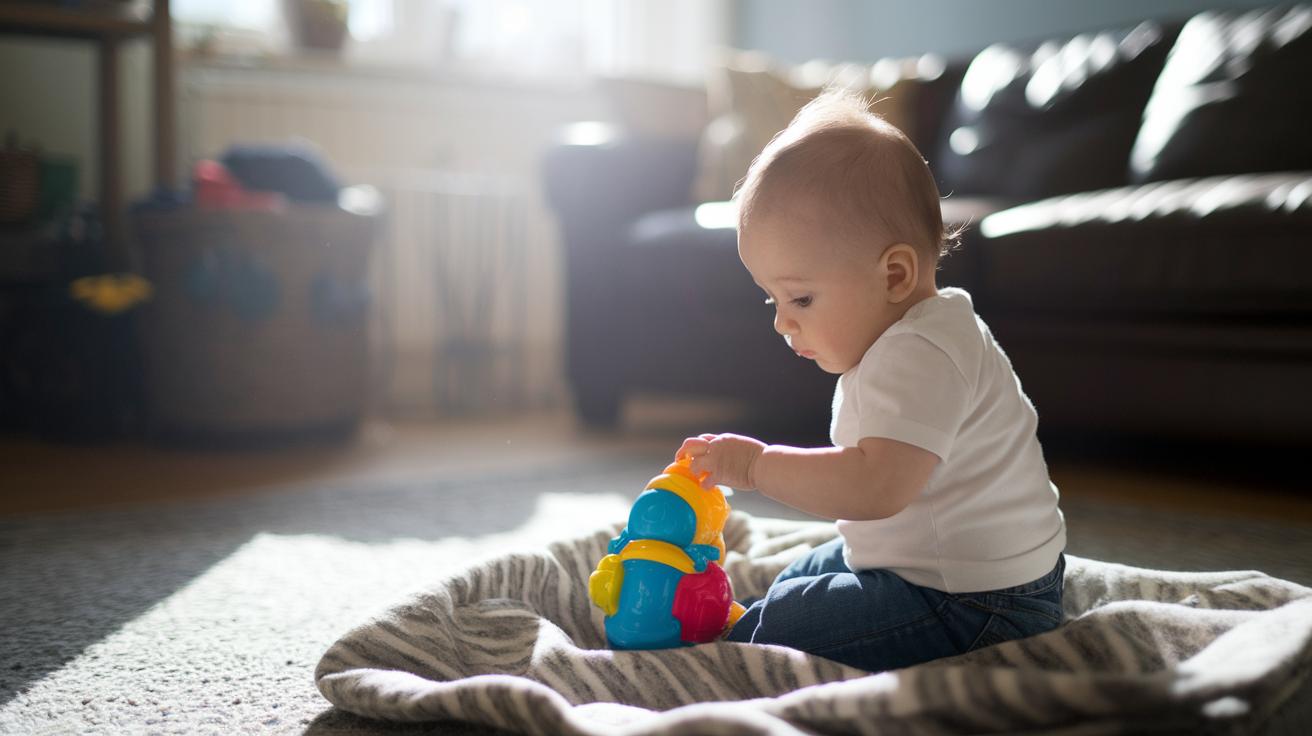
Sometimes, the little hints your baby gives you can mean a lot more than you might think. It might be as simple as noticing that your baby doesn’t jump or startle when a loud noise surprises the room, a moment that deserves a little extra thought. In these early days, those tiny signals can be really important.
Watching closely to see how your baby reacts to different sounds can help you spot potential challenges early on. Imagine hearing a doorbell but not seeing your little one turn their head, or not hearing their sweet response when a familiar voice speaks. While every baby grows at their own pace, some milestones can signal that a follow-up might be needed.
Here are a few signs to keep an eye on as your baby develops:
- Not showing a startle reaction to sudden, loud sounds at birth.
- Not turning their head toward familiar voices or sounds by 3–4 months.
- Not cooing or babbling by around 6 months.
- Not responding when their name is called by about 9 months.
- Not making repetitive sounds like “mama” or “dada” by 12 months.
Tracking Infant Developmental Listening Skills at Home
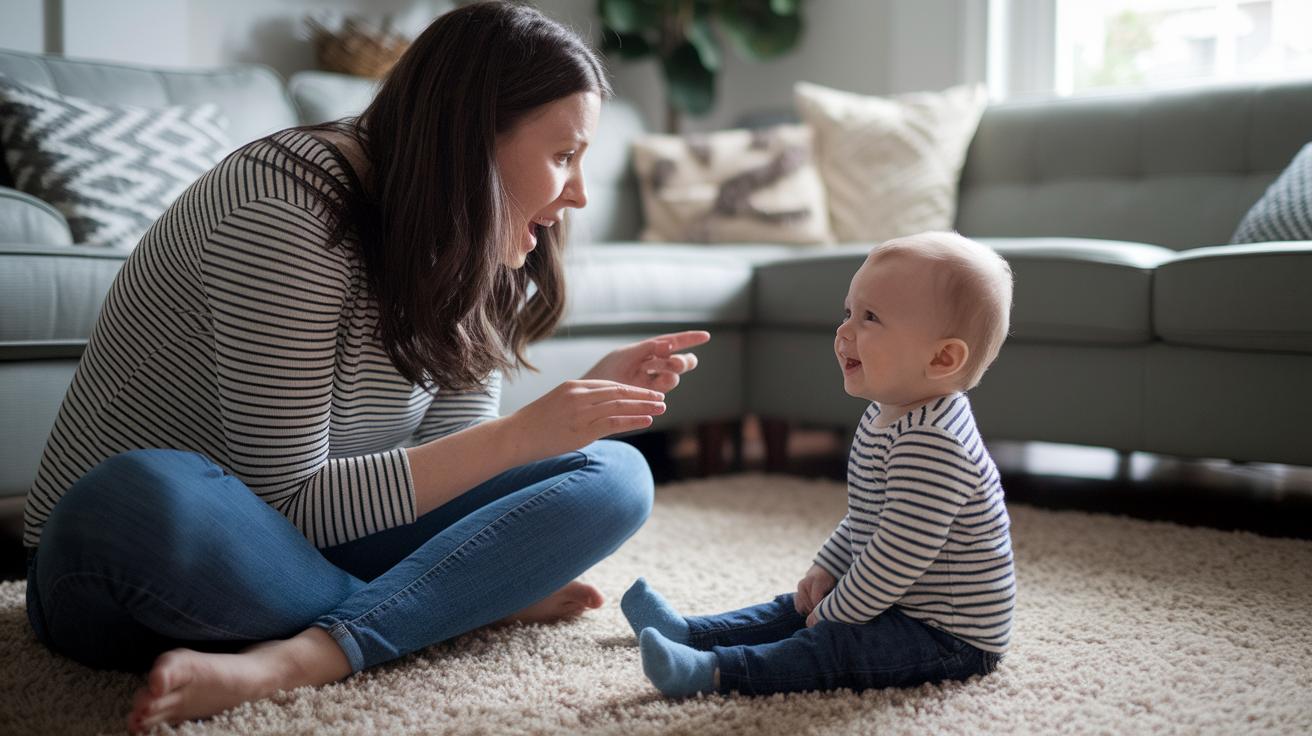
Everyday moments at home can turn into fun chances to help your baby learn to listen. Try a little game of back-and-forth sounds. Speak a gentle “Hello” and pause. Watch closely for a coo or even a smile, it’s a lovely way to start a conversation with your baby.
It also helps to check in during your daily routine. Soft sounds played from different spots can catch your baby’s attention. Take a minute each day to notice when your baby smiles, turns their head, or babbles. You might set aside a special quiet time for these little sound checks, just like planning a mini performance.
Creating a calm, quiet space makes a big difference. A room with less background noise lets your little one focus on the sounds you make. When you read or sing, change your pitch a bit or slow your pace. For example, try a gentle nursery rhyme with a soft tone: “Once upon a time, in a land of soft whispers…” This fun practice not only entertains but also helps build important listening skills.
| What To Do | How It Helps |
|---|---|
| Vocal Turn-Taking | Builds early language skills |
| Soft Sounds From Different Directions | Encourages focus and attention |
| Observing Smiles and Movements | Tracks development milestones |
| Quiet Time for Listening | Allows for personal attention to sounds |
| Varying Pitch While Reading | Engages your baby in a playful manner |
For more details on language acquisition, check out language development milestones (https://womensconference.org?p=10998).
When to Seek Pediatric Auditory Evaluation for Infant Hearing
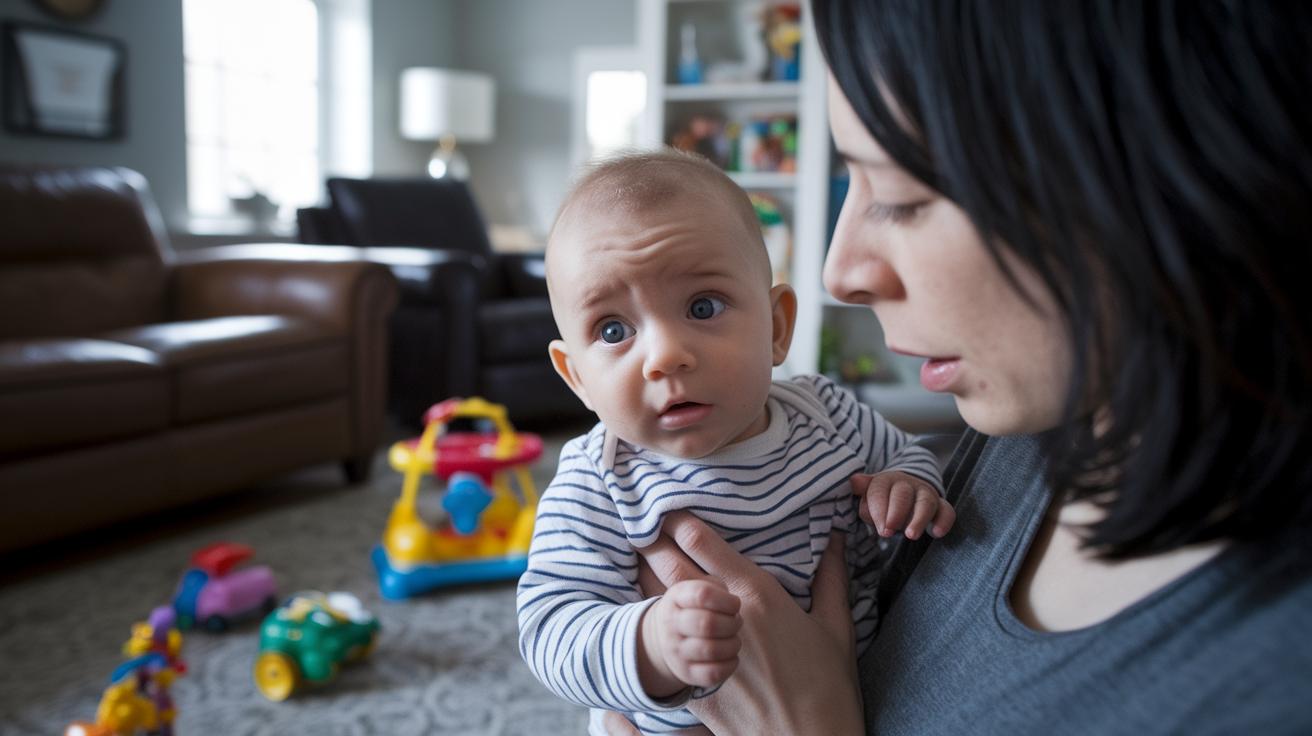
If you’ve noticed your baby not reacting to sounds, like not startling at loud noises or not turning to a familiar voice, it might be the right time to have a pediatric audiologist take a closer look. Sometimes, if your little one isn’t babbling or doesn’t seem to turn when you call by around three months, a simple test, like an ABR (a test that checks the hearing pathways), can help us find out if everything is working just fine.
It’s best to get any worries checked out quickly. Experts say to complete a formal hearing test by three months, so if there’s a need for help, like using hearing aids or other supportive devices, this can ideally happen by six months. Taking action early can really support your baby’s speech and social skills. A caring professional can work with you to design a friendly, comfortable plan that not only deals with any challenges but also creates a nurturing space for your baby to learn and grow with language and sound.
Final Words
In the action, we explored each stage of a baby’s sound journey, from the newborn startle and early coos to babbling and responding to their name. The post broke down key details, offered practical checks at home, and explained when to seek professional advice.
Every step highlights the beautiful way infants develop their listening skills. Keep celebrating every small victory, and trust that tracking these infant hearing milestones will guide you toward a brighter, confident path in motherhood.
FAQ
What are the key hearing developmental milestones for babies, including a week-by-week checklist?
The key hearing developmental milestones for babies start at birth with reactions to loud noises, progress to recognizing voices and turning toward sounds by 1–3 months, and advance to babbling and responding to names by their first year.
How does baby hearing develop in the womb?
The baby hearing development in the womb refers to the fetus detecting soft sounds and becoming familiar with the mother’s voice, laying the groundwork for early auditory processing after birth.
How can I test my baby’s hearing at home?
The method for testing baby hearing at home focuses on observing if your baby reacts to various sounds—gentle claps, soft music, and speaking—in everyday settings, helping gauge their auditory responses.
When should my baby turn their head to sound, and what if my 2-month-old isn’t doing it?
Turning toward sound typically begins around 2–3 months. If a 2-month-old isn’t turning their head, it could be a sign to talk with your pediatrician for further evaluation.
When do babies start hearing after birth?
Baby hearing starts right after birth as infants quickly react to sudden noises and recognize voices, establishing the early stages of auditory development that guide later communication skills.