
Have you ever felt like your body is on a bumpy ride after having your baby? Sometimes your hormones dance around, leaving you feeling off balance and really tired. In the weeks after delivery, changes in hormones like estrogen (a hormone that helps with balance), progesterone (a hormone that helps with calm), and even thyroid hormones can affect how you feel, both in your body and your heart. It can be a lot to handle at first, but noticing these changes is the first step in understanding what’s happening and finding your new strength. Let’s explore these shifts together so you can feel more calm and balanced as you adjust to this new chapter.
Balancing Hormones in Postpartum Period: Embrace New Energy

After giving birth, your body goes through many quick changes. Hormones like estrogen and progesterone drop a lot, which can make you feel tired and mood swing a bit. At the same time, your body rises in prolactin and oxytocin. Prolactin helps with milk production, and oxytocin helps your uterus contract so it can return to its normal size. Your thyroid hormones (T3, T4, TSH) might also be a bit off, and about 10% of new moms experience signs of postpartum thyroid issues. On top of that, stress and sleep loss can boost cortisol levels, impacting your overall energy. Insulin sensitivity can change too, so keeping your blood sugar steady is really helpful while you're breastfeeding.
All these hormone changes can shape how you feel during those first weeks of recovery. Some days you might feel calmer, and other days it can be a bit more challenging. Recognizing these shifts can be the first step to finding balance and embracing the new energy around you.
- estrogen: After delivery, estrogen drops sharply, which might leave you feeling low on energy or a bit off in mood.
- progesterone: This hormone also falls quickly, which can lead to changes in how you feel emotionally.
- thyroid hormones: Changes in these hormones can make you feel more tired or change your metabolism; sometimes this can develop into postpartum thyroid issues.
- prolactin: This hormone goes up to support milk production and can help you feel more relaxed as you bond with your baby.
- oxytocin: It increases to help your uterus contract and supports the recovery process.
- cortisol/insulin: Higher stress levels raise cortisol, and changes in insulin sensitivity can affect your energy and blood sugar steadiness.
Taking note of these changes can help you understand why you might feel extra tired, have mood swings, or experience irregular cycles. It’s important to keep an eye on how you’re feeling and talk with your healthcare provider to get the support you need.
Nutritional Strategies for Balancing Hormones in the Postpartum Period
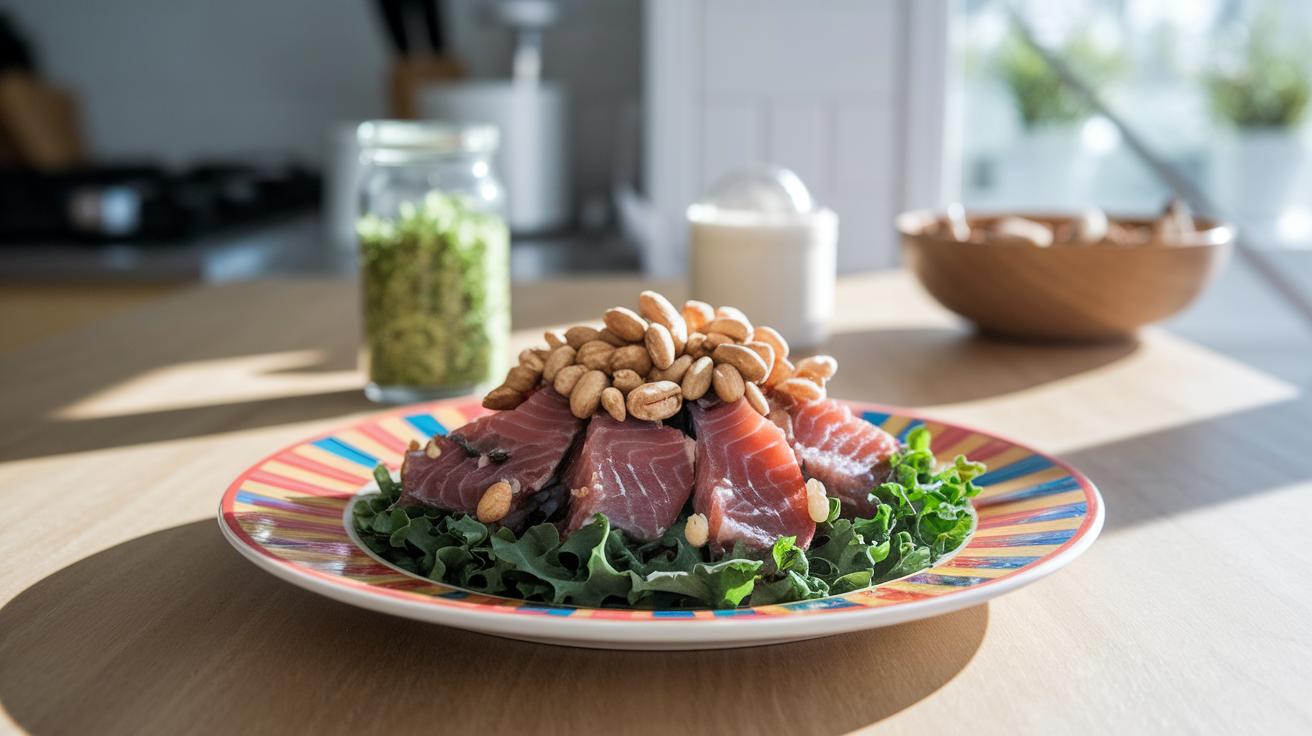
After having your baby, choosing the right foods can really help your body adjust and feel better. Focusing on nutrient-rich foods makes it easier for your hormones to settle into balance. A well-planned diet not only boosts your energy and supports recovery, it can also help increase milk production, steady your blood sugar, and lift your mood. For some extra guidance, you might want to check out some helpful postpartum recovery tips.
Here are some foods that can make a difference:
| Food | How It Helps |
|---|---|
| Fatty fish (omega-3s) | Supplies essential fats for your baby’s brain and may ease feelings of postpartum sadness |
| Leafy greens (iron) | Replenishes the iron lost during childbirth and helps prevent tiredness |
| Fortified dairy (vitamin D) | Boosts vitamin D3 levels to help with calcium absorption and hormonal balance |
| Whole grains (glycemic control) | Offers steady energy by keeping blood sugar levels consistent |
| Seeds and nuts (micronutrients) | Provides a mix of vitamins and minerals to help maintain energy and support balance |
Planning your meals with the right portions and combinations can really make a big difference during your recovery. When you blend these nutritious foods into your day, you may find that you have more energy, support your healing process, and feel ready to meet the challenges of new motherhood. And, of course, chatting with a health professional can help you create a diet that’s just right for you.
Exercise and Lifestyle Adjustments to Support Hormonal Balance Post-Birth

Starting gentle exercise around 6 to 8 weeks after giving birth can be really helpful. But before you begin, it’s important to check with your doctor. Once you feel your body has had a little time to heal, you might try a brief walk around the block, just short and steady, to see how you feel.
Taking part in activities like walking, gentle yoga, or pelvic-floor exercises can brighten your mood and help keep your hormones in check. Imagine starting your morning with a calm 15-minute yoga session; each stretch can feel like a little moment of peace that sets a gentle pace for your day.
Also, listen to your body and try not to overdo it. When sleep is hard to come by, pushing yourself too hard might actually raise stress levels. If you start to feel unusually tired or stressed after a workout, it might be a hint to slow down and give yourself some extra rest. Balance is key, moving in a way that gently supports your healing can make all the difference.
Stress Reduction and Sleep Techniques for Postpartum Hormone Regulation

It’s no secret that not getting enough sleep and handling stress day in and day out can really throw your mood out of whack and slow down your recovery. When you miss out on rest, your body cranks up its stress hormone, cortisol, and suddenly you’re feeling jittery, drained, and overwhelmed. It’s almost like having a noisy, constant background that makes it hard to unwind. Keeping a regular sleep schedule and creating a soothing space can work wonders. Sometimes even a few mindful deep breaths can feel like a mini-vacation, pause, take a slow inhale and exhale, and let your mind settle before you continue with your day.
Here are a few ideas to try:
- Stick to a regular sleep routine by waking up and going to bed around the same time.
- Use your baby’s nap time for a quick power nap.
- Practice mindful breathing or follow a short guided relaxation.
- Set up your sleep space with a comfortable temperature and a dark room.
Every small change you make is a way to help your mind and body feel more balanced and calm. Adjusting your routine, like setting a consistent sleep schedule and ensuring your room feels cozy, gives your body a break from those cortisol spikes. And if you’re looking for more ways to feel relaxed and recharge, check out some natural tips for reducing stress on the womensconference.org site. Remember, each little step brings you closer to a calmer, more energized day, one filled with all the tender moments of motherhood.
Natural Supplements and Herbal Remedies for Postpartum Hormonal Support

When you're recovering after childbirth, some evidence-based supplements can really help you feel more balanced. For instance, fish oil, about 1–2 grams of EPA/DHA, is known for its calming anti-inflammatory power, and vitamin D3, at 2,000–4,000 IU, supports strong bones and a healthy immune system. Iron, too, can be important, especially when lab results show you need a little boost after delivery-related blood loss. All these work best when paired with a nutritious, well-rounded diet.
Herbal remedies can also play a part during this time. Many moms find that adaptogenic herbs like ashwagandha (around 300 mg a day) and maca root help support energy and ease stress. Traditional choices like chasteberry and red raspberry leaf tea are loved for their help with keeping hormones steady. Enjoying a warm cup of tea can feel like a little self-care ritual, reminding you that sometimes nature really does lend a hand.
As you think about including these natural supplements and herbal options in your postpartum care plan, remember that quality matters a lot. Make sure you choose products that have been third-party tested and check the ingredient list to ensure purity. And if you’re breastfeeding or have any specific health concerns, it’s always a smart move to chat with your healthcare provider about the right dosages and safe use. This careful, thoughtful approach helps ensure your recovery plan really fits your unique needs.
Professional and Integrative Approaches for Balancing Postnatal Hormones

It’s important to keep an eye on the changes in your body so you can feel your best. Tracking things like your period, mood, energy, sleep, and even your skin gives you clues about your hormone health. Many experts suggest checking thyroid levels (tests like TSH and free T4) between 6 and 12 weeks after birth, especially if you notice something isn’t quite right. A simple journal to note these changes can really help you and your doctor understand your needs.
Your emotional well-being matters a lot too. Sometimes, talking with a counselor, either one-on-one or in a small group, can make a real difference. Sharing your story or discussing the stress that comes with new motherhood helps ease those mood swings and uncertain moments. It often feels like having a caring friend who really gets it.
And if you’re still having trouble after six months, there might be other options, like bioidentical hormone therapy. Working together with your healthcare provider to look over lab results and discuss a plan can lead to a treatment that’s just right for you. This teamwork makes sure you get care that supports both your hormone balance and your overall well-being.
Final Words
In the action, we explored how hormone shifts after birth affect energy and mood. We looked at changes in estrogen, progesterone, thyroid, and stress hormones, and shared ways to support your body through simple nutritional choices and moderate exercise.
Each strategy, from mindful sleep habits to safe natural supplements, plays a part in balancing hormones in postpartum period. Small, caring steps can bring a calmer, healthier experience for you and your little one. Enjoy each day with hope and gentle self-care.
FAQ
What are the signs of hormone imbalance after pregnancy?
The signs of hormone imbalance after pregnancy include mood swings, fatigue, irregular cycles, and changes in energy levels, which may point to shifts in estrogen, progesterone, thyroid, and cortisol levels.
What supplements help balance hormones after pregnancy?
The supplements to balance hormones post-pregnancy include fish oil for omega-3 fats, vitamin D3, and iron, which support recovery, boost mood, and promote overall hormone stability.
How do I balance hormones postpartum for weight loss while breastfeeding?
Balancing hormones postpartum for weight loss while breastfeeding involves a blend of wholesome nutrition, moderate exercise, stress reduction, and proper sleep to support metabolism and overall endocrine health.
How long does it take for hormones to normalize postpartum and what is the timeline?
Normalization of postpartum hormones can take several months, with many changes stabilizing by six to twelve months after childbirth as the body adapts and recovers.
What natural methods help balance hormones after pregnancy?
Natural ways to balance hormones after pregnancy include following a nutrient-rich diet, engaging in gentle exercise, managing stress through mindful techniques, and practicing good sleep habits to support endocrine balance.