Have you ever stopped to think about why your prenatal vitamins feel so special? They’re packed with helpful nutrients like folic acid, iron, DHA, and B vitamins. These nutrients keep you feeling bright and support your baby’s growth (think of it like giving your little one the best ingredients for a healthy start).
It’s a bit like putting together your favorite family recipe, each ingredient plays its part to create something truly nourishing. Today, let’s walk through these key components together and see how they work to support both you and your baby.
Core Nutrient Contents in Prenatal Vitamins
Prenatal vitamins are like a special recipe made just for you and your baby. They pack in important nutrients that help you feel well and give your little one the best start. For example, they contain extra folic acid which helps protect against certain birth defects, and iron, which supports oxygen flow and helps avoid feeling tired from anemia. DHA, an omega-3 fatty acid (a good fat for the brain and eyes), is also key for your baby’s developing mind and vision. Additionally, B vitamins, like B6 and B12, work like little helpers turning food into energy, and calcium with vitamin D join forces to build strong bones and teeth for both of you.
Think of it like preparing a favorite meal with the perfect ingredients. Your prenatal vitamin is your daily boost that meets your body’s extra needs when it’s busy growing a new life. When you take it each day, imagine a trusted friend quietly supporting you through every moment of your journey.
Below is an HTML table that breaks down each important nutrient, its common dose, and how it helps during pregnancy:
| Nutrient | Typical Dose | Role in Pregnancy |
|---|---|---|
| Folic Acid | 400-800 mcg | Helps guard against neural tube issues |
| Iron | 27 mg | Keeps oxygen moving and prevents anemia |
| Calcium | 1,000 mg | Supports building strong bones and teeth |
| Vitamin D | 200-400 IU | Makes sure calcium does its job well |
| B6/B12 | Varies | Helps turn food into energy |
| DHA | 200-300 mg | Supports your baby’s brain and eye growth |
Taking these vitamins daily builds a strong nutritional base during this special time, making sure you and your baby are well taken care of every day.
Folic Acid and Folate in Prenatal Vitamins Contents
Folic acid is a vital nutrient that helps lower the risk of birth defects in your baby's brain and spine (neural tube defects). It might surprise you that a baby’s neural tube is forming even before most women know they are pregnant. That’s why it’s so important to start taking folic acid even before you plan a pregnancy.
Taking a multivitamin rich in folic acid before you get pregnant sets a solid foundation for your baby’s early growth. Experts suggest a daily dose of 400 to 800 mcg based on trusted guidelines. This amount can really help reduce the risk of neural tube issues.
Preconception Considerations
- Beginning folic acid before pregnancy supports the early growth of the baby’s neural tube.
- Think of it like getting a garden ready for planting seeds, without the right nutrients, even the best garden might not flourish.
- Starting early gives you a head start once you know you’re pregnant, ensuring your baby gets steady support right from the beginning.
Iron Levels in Prenatal Vitamins Contents

Iron is a really important mineral that helps your body make the extra blood it needs when you're expecting. It carries oxygen to your tissues and your baby, which helps prevent anemia. Most experts say you should get about 27 mg of iron each day during pregnancy to keep up with all these changes.
Sometimes, iron can give your stomach a bit of a hard time. Many moms notice small issues like mild indigestion or constipation when taking prenatal vitamins. If you have these troubles, have a chat with your healthcare provider about switching to a slower-release iron form. This can help ease your discomfort while still ensuring you get enough iron.
Have you ever tried breaking your dose into smaller parts throughout the day? This simple trick might make the tummy troubles easier to handle.
- Iron helps stop maternal anemia.
- It also boosts oxygen flow for both you and your baby.
- Most prenatal vitamins contain about 27 mg of iron each day.
- Slower-release options may cut down on common stomach side effects.
Taking your iron daily in this way is a gentle, supportive step for both your health and your baby’s growth during this special time.
Calcium and Vitamin D in Prenatal Vitamins Contents

Getting about 1,000 mg of calcium each day does more than support your baby’s growing bones and teeth. It also helps keep your own bones strong and healthy.
Vitamin D, usually in the range of 200 to 400 IU, makes sure your body uses calcium well. Think of it like a key that fits just right, vitamin D helps calcium do its job, laying a firm, loving foundation for both you and your baby.
Other Essential Micronutrients in Prenatal Vitamins Contents
Prenatal vitamins offer more than just the main vitamins and minerals. They also include extra nutrients that support you and your baby in different ways. For example, B vitamins like B6 and B12 help turn the food you eat into energy you need every day. Think of them as little helpers that quietly keep you energized.
Vitamin C is another important part of your supplement. With about 50–85 mg, it helps your body absorb more iron, almost like a key that unlocks extra benefits from your nutrients. It’s amazing how a small boost of vitamin C can make such a difference.
Zinc, generally about 11 mg, acts like a protective shield for your immune system, helping you stay strong when you need it most. And iodine, at roughly 150 mcg, is key for keeping your thyroid healthy, which in turn helps manage your energy levels.
Vitamin E, known for its antioxidant benefits, protects your cells much like a light raincoat shields you from a drizzle. Each of these nutrients works to support a healthy, balanced pregnancy.
| Nutrient | Benefit |
|---|---|
| B Vitamins (B6 and B12) | Helps turn food into energy |
| Vitamin C | Aids in iron absorption |
| Zinc | Supports immune health |
| Iodine | Maintains thyroid function |
| Vitamin E | Protects cells from stress |
These additional nutrients work together to give your prenatal vitamins a well-rounded boost for a nurturing pregnancy. Enjoy taking care of yourself and your little one!
DHA and Fatty Acids in Prenatal Vitamins Contents
DHA is a very important fatty acid that helps your baby’s brain and eyes grow strong. Think of it as the blueprint for your little one’s developing mind, just like laying a strong foundation for a cozy home. Most prenatal vitamins give you between 200 and 300 mg of DHA each day, which is usually enough to support these key developments.
Many prenatal vitamins count on DHA to supply the must-have nutrients for your baby’s growth. Some even include EPA, a close cousin of DHA that helps keep cells healthy. But if your vitamin doesn’t have EPA, you might want to consider adding a separate fish-oil or algal DHA capsule. Have you ever noticed how a little extra spice can transform a favorite recipe? That’s exactly what the added DHA does for your prenatal nutrition.
Every mom is unique, and your needs might be a bit different. It can be really helpful to chat with your healthcare provider to see if an extra capsule might be just right for you.
Comparing Prenatal Vitamins Contents Among Top Brands
Prenatal vitamins come in lots of choices. If you’re looking for the one that fits you best, it helps to check out which key nutrients each brand has. Most include important vitamins like folic acid (which helps your baby’s development), iron, calcium, and DHA (an omega fatty acid that's great for brain growth). People often love how clear the ingredient lists are and how quickly they get their orders, so you know you’re getting quality care.
One favorite among moms is Sunmark Prenatal Vitamins. They’re known for being affordable, with about a 3.3-month supply costing around $18 – that’s roughly $5.45 per month. Users really appreciate the fast delivery and the friendly, responsive service that comes along with it.
Other cherished options include Nature Made Prenatal Multi + DHA and Nature’s Truth Ultra Prenatal + DHA. These brands focus on providing the daily nutrients you need without any guesswork about what’s in your dose. Their labels are easy to read, giving you clear insight into the mix of vitamins and minerals designed to support you and your baby.
| Brand | Supply Length | Price | Key Ingredients |
|---|---|---|---|
| Sunmark Prenatal Vitamins | 3.3 months | $18 total (~$5.45/month) | Folic acid, iron, DHA |
| Nature Made Prenatal Multi + DHA | Daily use | Standard market rate | Folic acid, DHA |
| Nature’s Truth Ultra Prenatal + DHA | Daily use | Standard market rate | Comprehensive nutrient blend |
Each of these brands offers a unique blend of essential nutrients and caring service. When you’re choosing a prenatal vitamin, think about what fits best with your daily routine and health needs, it’s all about finding the right support for you and your little one.
Safe Dosage and How to Read Prenatal Vitamins Contents Labels
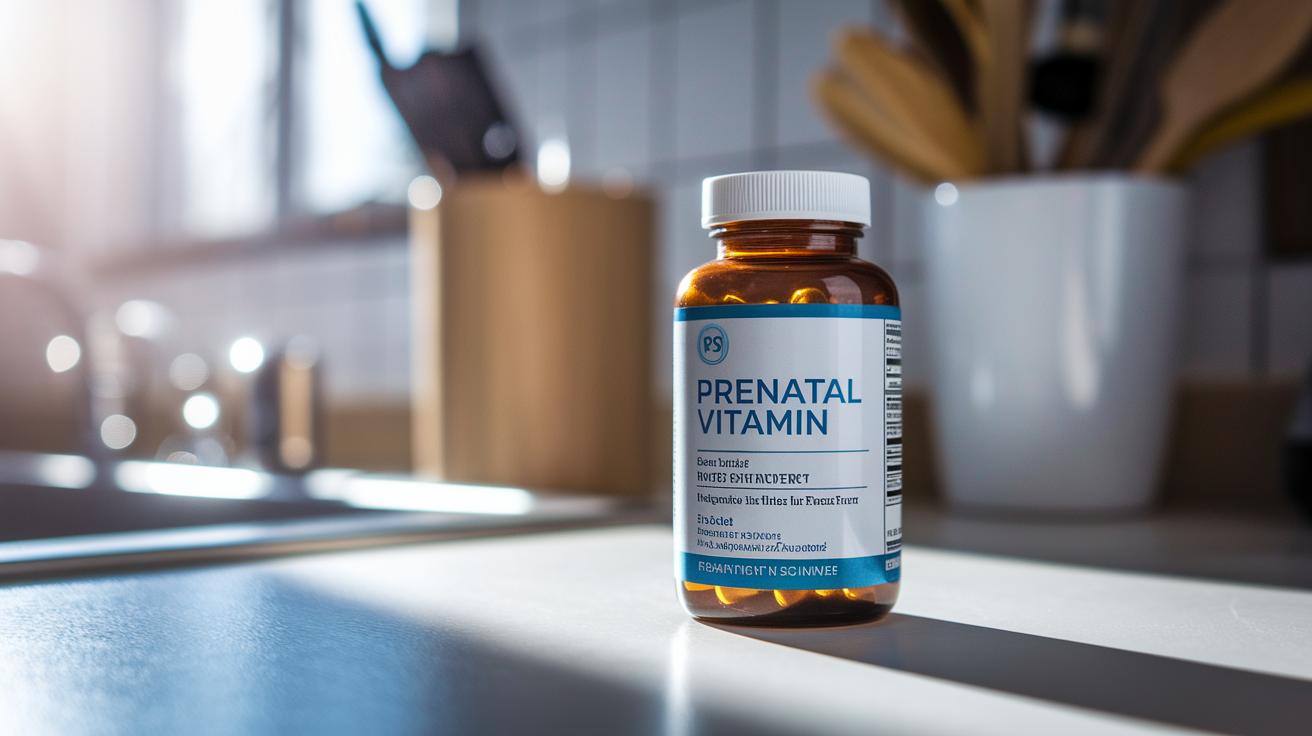
When you grab your prenatal vitamins, the label becomes like a friendly guide. It shows you the percent daily value for each nutrient, which tells you how much of each vitamin or mineral you get in a serving based on trusted guidelines. For instance, you’ll often see folic acid around 400 mcg and iron near 27 mg, with calcium and vitamin D clearly marked, just like checking out the nutritional facts on your favorite snack.
Take a closer look at DHA, too. This nutrient helps support your baby’s brain and eye growth. While checking the label, make sure the DHA amount fits within the suggested range, almost like following a simple recipe where every little measure counts.
Also, keep an eye on the fat-soluble vitamins like A, D, E, and K. Experts advise avoiding high doses during pregnancy to keep things safe, so it’s best not to overload on these even if you’re tempted.
Think of the label as your daily checklist, you’re making sure you’re getting the right amounts to support both your health and your baby’s development. Taking a few moments every day to review these numbers sets you up for good nutritional care as your body goes through so many changes.
Final Words
In the action, we explored key nutrient details in prenatal supplements. We looked at folic acid, iron, calcium paired with vitamin D, plus B vitamins, DHA, and other vital micronutrients that support maternal and fetal health.
This clear discussion helps clarify what to seek on the label, making it easier when reviewing prenatal vitamins contents. We hope it inspires confidence and care in your approach to well-being. Stay positive and keep nurturing your way through motherhood!
FAQ
What ingredients are typically found in prenatal vitamins and in what amounts?
The common prenatal vitamins usually include folic acid (400–800 mcg), iron (around 27 mg), calcium, vitamin D, B vitamins, and DHA (200–300 mg) to support both maternal health and fetal growth.
What do prenatal vitamins do and which nutrients are key for pregnancy?
Prenatal vitamins help support healthy fetal growth and maternal wellness by providing essential nutrients, such as folic acid to prevent neural tube defects and iron to reduce anemia risk during pregnancy.
Are there benefits or risks of taking prenatal vitamins if you’re not pregnant?
Taking prenatal vitamins when not pregnant might help fill some nutritional gaps, yet they’re formulated for pregnancy needs. It’s best to consult with a doctor to address your specific dietary requirements.
What are the possible side effects of taking prenatal vitamins when not pregnant?
Using prenatal vitamins unnecessarily may cause minor digestive issues, like mild constipation or stomach upset, making it wise to speak with a healthcare provider if you experience discomfort.
Is DHA a necessary component in prenatal vitamins?
DHA is a crucial part of prenatal vitamins because it supports the developing baby’s brain and eye health, offering benefits that are recognized for fetal development.