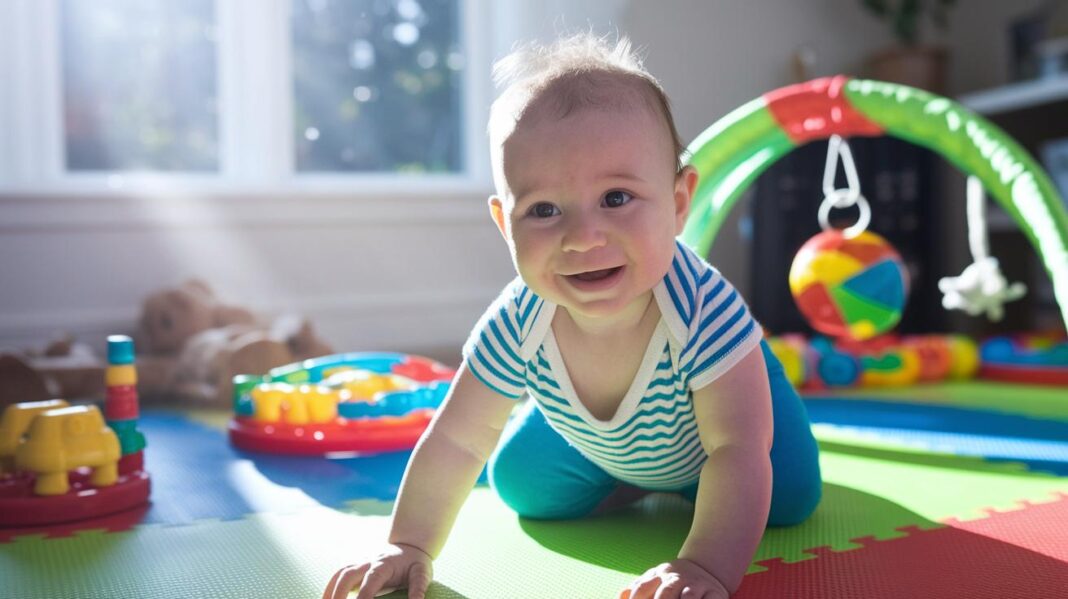
Have you ever noticed that your baby's little movements mean more than just cute moments? When you watch them wiggle or kick, you're actually seeing their muscles getting stronger. Each new move helps build their balance and control, letting them learn how to explore the world. It’s a simple, natural way for them to grow stronger every day. Let's take a closer look at how these small milestones help your baby become more confident and capable.
Key Age-Specific Infant Gross Motor Milestones
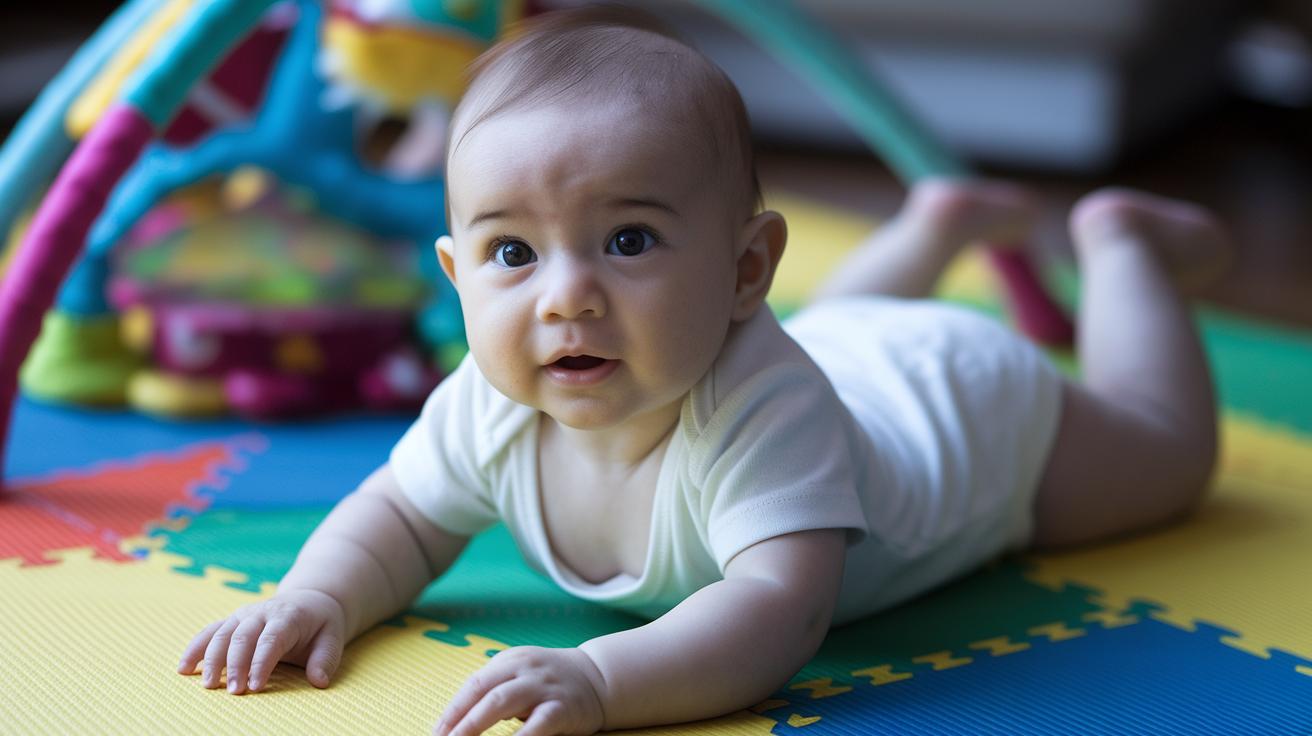
Infant gross motor milestones are like little to-do items that show how your baby is getting stronger every day. When your little one is just starting out, you might see natural reflex movements. For instance, between 0–2 months, if you try to pull your baby up, you might notice a head lag. This is simply their way of showing that their muscles are still learning to work together.
Then, as tummy time comes into play around 3–4 months, you'll see your baby lifting their head while lying on their stomach. This is a sweet sign of growing neck and upper body strength.
By 5 months, many babies enjoy the fun of bringing their feet to their mouth when lying on their backs, it's an early sign they’re becoming more aware of their bodies. At 6 months, a big change happens: your baby can sit unsupported and may even start to roll from tummy to back (usually between 4–6 months) and back again, which is great for building their core strength and coordination.
Around 7–9 months, you might notice your baby sitting steadily and twisting their upper body during play. Shortly after, between 9–11 months, many little ones start crawling on their hands and knees and even pull themselves up to stand. Then, at 10–12 months, it's a real milestone when your baby begins standing independently and takes those very first steps on their own.
The exciting progress continues. At 13–14 months, your little one might be standing up from the floor without any help. Between 15–18 months, many toddlers learn to walk upstairs while holding onto a hand-rail and might even start running. And as they near their second birthday, skills like jumping with both feet and kicking a ball often begin to emerge.
| Age Range | Milestone |
|---|---|
| 0–2 months | Head lag during pull-to-sit |
| 3–4 months | Lifts head in line with trunk (tummy time) |
| 5 months | Brings feet to mouth when supine |
| 6 months | Sits unsupported; rolls belly-to-back and back-to-belly |
| 7–9 months | Steady sitting and trunk rotations |
| 9–11 months | Crawls on hands and knees; pulls to stand |
| 10–12 months | Stands alone; first independent steps |
| 13–14 months | Stands up from floor without support |
| 15–18 months | Walks upstairs with hand-rail assistance; begins running |
| 18–24 months | Jumps with two feet; starts kicking a ball |
For more detailed exercises and helpful tips, take a look at the Gross Motor Skill Development resource.
Early Motor Development and Reflex Integration in Infants
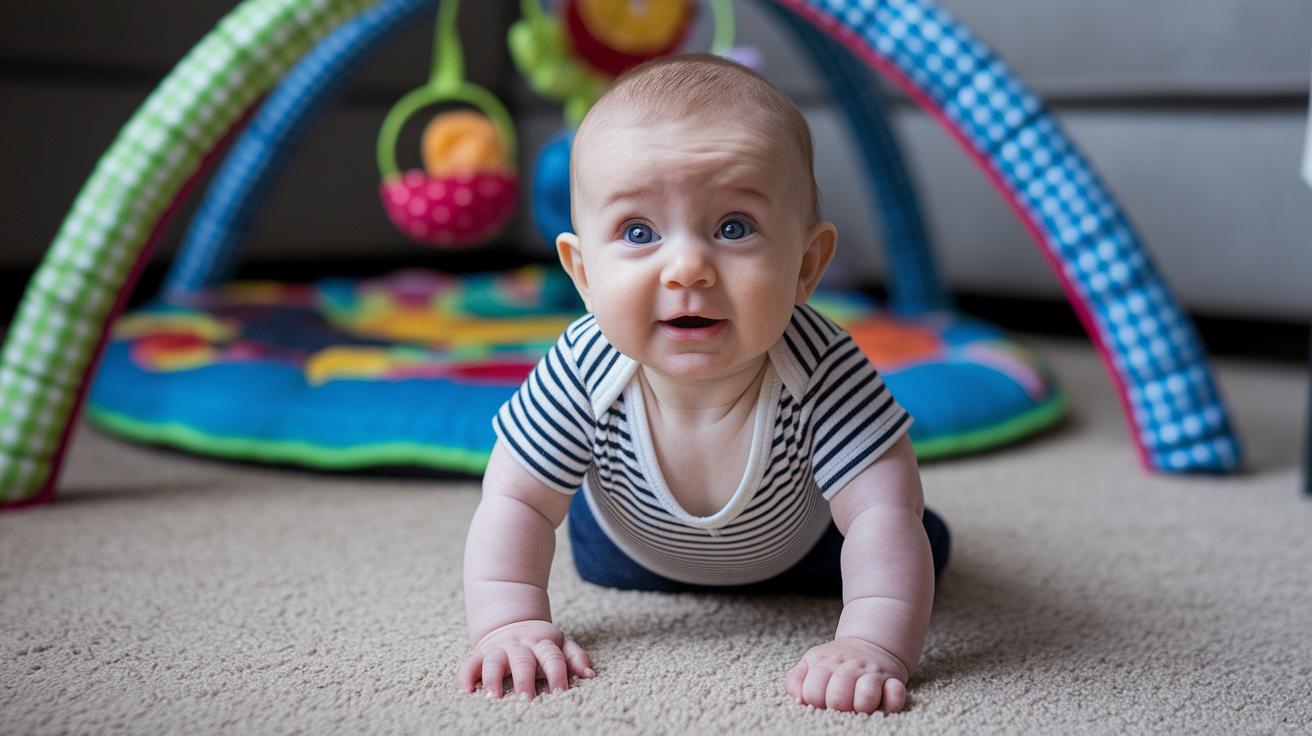
Right from the start, babies come equipped with natural reflexes like the stepping reflex and the Moro reflex that help them adjust in those first few weeks. If you hold a newborn upright, you might see their legs moving as if they were taking little steps, even though it’s just a reflex.
As the weeks go by, these automatic actions slowly turn into intentional movements. Around 3 to 4 months, during tummy time, you may notice your baby steadily lifting their head. The change from a droopy head when pulled up to a smooth, controlled lift shows that your baby is getting stronger, like watching a small champion building up power with each effort.
This progress isn’t just about growing muscles. It’s also a sign that the nerves, bones, and muscles are starting to work together more effectively. This teamwork sets the stage for newer skills, such as reaching, rolling, or even crawling.
Every wiggle and head lift is a little sign that your baby is mastering body control. This gentle shift from reflexive motion to deliberate action is a key milestone in their amazing growth journey.
Infant Rolling and Crawling Progression of Gross Motor Skills
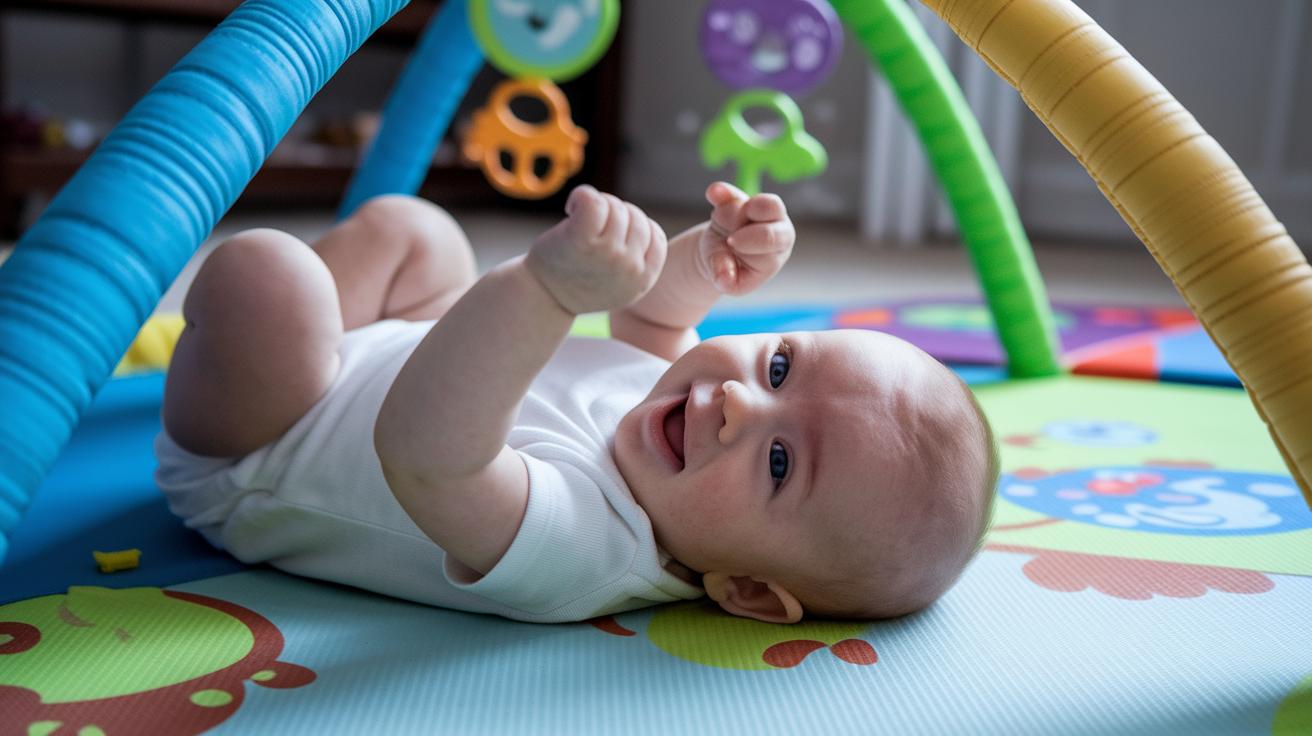
Have you ever watched a little one roll for the very first time? Around 4 months, many babies start turning from their belly to their back. It’s a sweet sign that they’re beginning to feel more in control of their body. Then, by about 6 months, you might see them roll the other way, from back to belly, showing that their muscles are finding a natural rhythm together.
After mastering rolling, many infants move on to a gentle tummy scoot. This early form of crawling is like a playful dance, with the baby shifting its weight to move forward. Soon enough, between 9 and 11 months, many little ones switch to crawling on their hands and knees. Sometimes they even use what moms call the “commando” crawl, where their head and arms lead the way while their legs follow along.
Every baby finds its own way of moving, and it’s perfectly normal if your little explorer develops a unique style. Watching these early steps, even if they start out a bit unevenly, is a warm reminder of how each tiny move builds up to bigger skills. Every roll and scoot is a small victory that lays the foundation for more complex movements later on.
Indicators for Standing and First Walking Steps in Infants
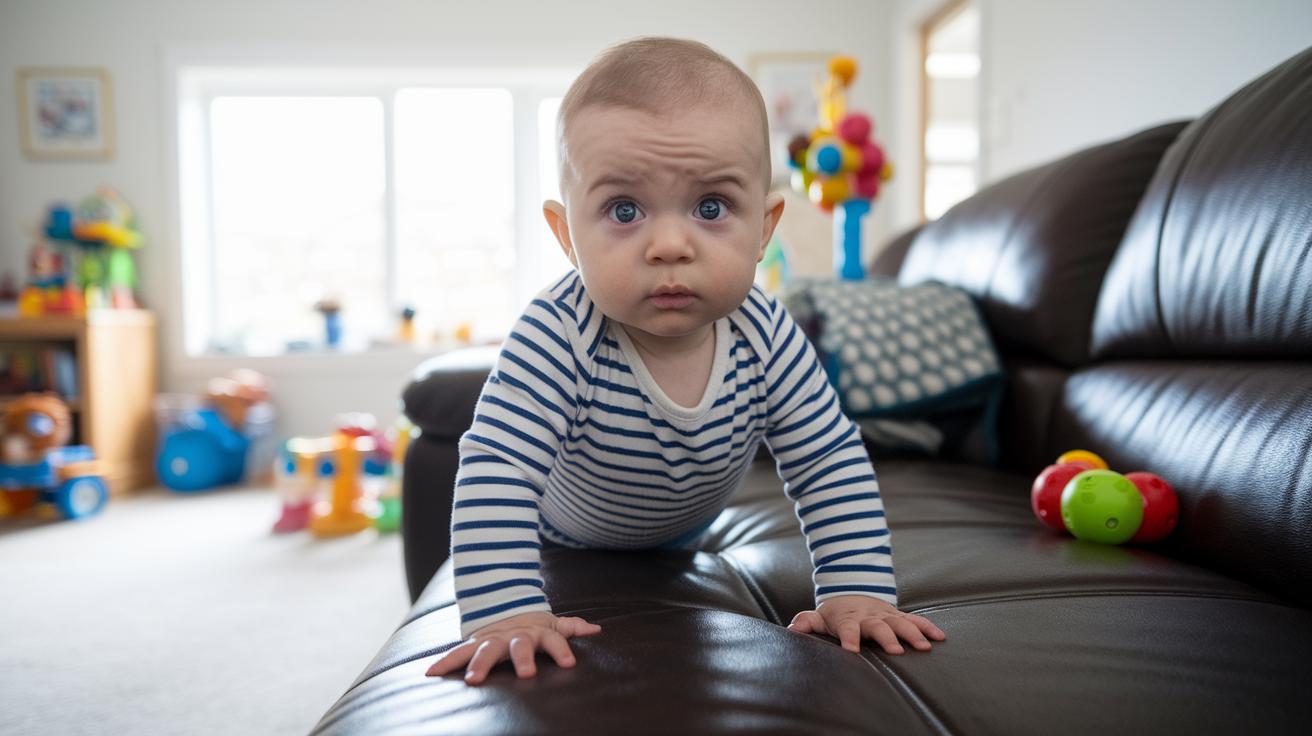
Around 9 to 11 months, you might see your little one start to pull themselves up using furniture for support. Soon, they may begin cruising along furniture, using it to steady themselves as they explore their balance. Then, by about 12 months, it’s common to notice a wide, toddling walk as they take those first, wobbly steps on their own. Later, between 15 to 18 months, you might assist them on the stairs as they begin to gain confidence.
For all the details on these exciting milestones, please take a look at the infant gross motor development milestones section and the table that breaks everything down.
Postural Control and Balance Development in Infant Gross Motor Milestones
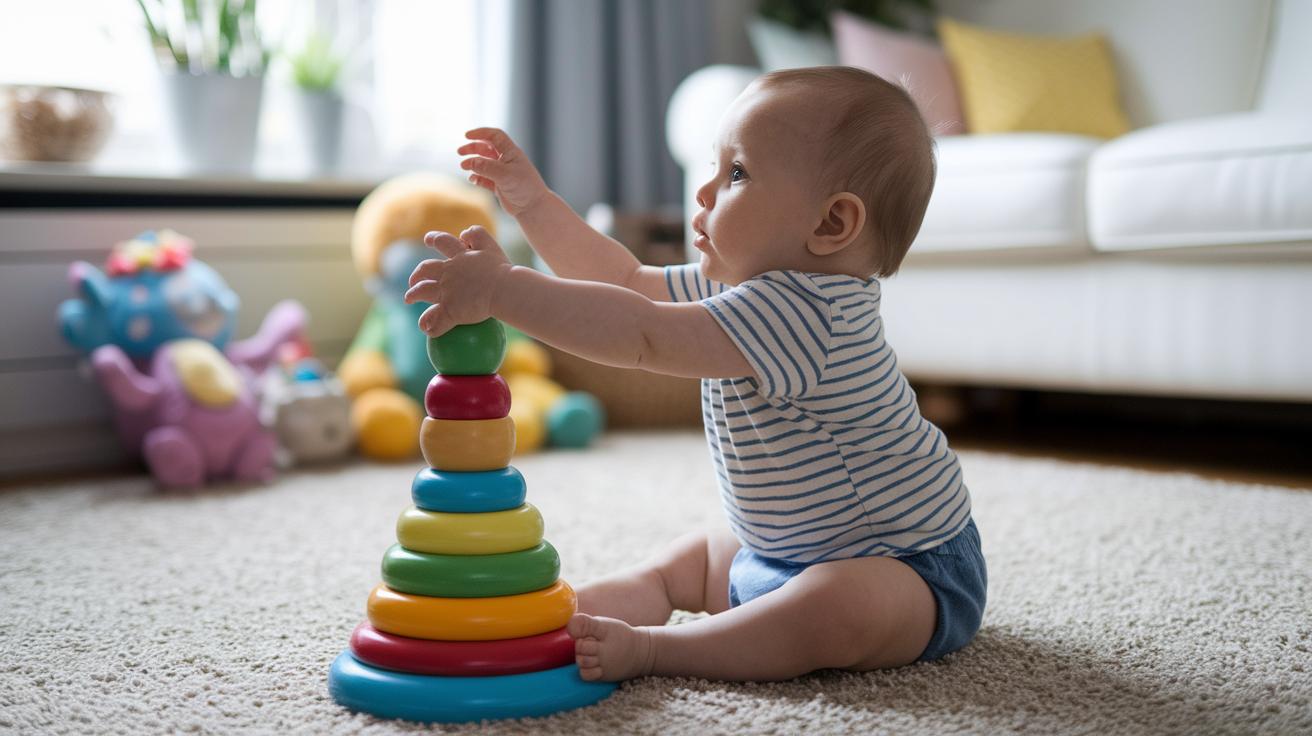
Watching your baby grow is such a joyful journey. Early on, simple actions like holding up their head and shifting weight during play are the building blocks for everything that comes later. Around 6 months, you might smile as you see your little one sitting up without help, it's their core (the muscles in their trunk) maturing right before your eyes. Have you noticed how they might lean from one side to the other as they reach for a toy? It’s a sweet sign that their body is starting to work together, with the muscles in their tummy and arms joining forces.
Then, as your baby approaches their first birthday, things get even more exciting. Their balance while standing improves, and you can see that each step they take is more careful and sure. It’s like watching all those tiny muscles, from head to toe, team up to help them move in a more controlled way. If you're curious, check out the Stages of Childhood Development chart for more notes. Every little improvement is a reason to celebrate, building confidence and hope for more exciting adventures ahead.
Monitoring Development and Red Flags in Infant Gross Motor Progress
Keeping an eye on your baby's movements is both reassuring and helpful. It's like having little signposts along the way. For instance, if your baby hasn’t started rolling over by 6 months, it might be time to watch their progress a bit more closely. And if your little one isn’t sitting steadily on their own by 9 months, you might want to have a chat with your pediatrician.
It can help to jot down a few key milestones in your notes. Here’s a simple guide:
- Rolling over by 6 months – if your baby still mainly moves by reflex, it might be a delay.
- Sitting unsupported by 9 months – if steady sitting isn’t there yet, it’s a good idea to mention it during a check-up.
- Crawling by 12 months – every baby moves differently, but a complete lack of crawling might need a bit more attention.
- Walking by 18 months – if your baby isn’t taking those independent steps, consider asking for a movement screening.
You might even try using a tool like the Ages & Stages Questionnaire, which offers a clear checklist for each stage of movement. Remember, every baby is unique, and it’s normal to see some variations in when they hit these milestones.
If you start noticing a few of these signs, reaching out to your pediatrician is a wise next step. They may suggest a more detailed evaluation and, if needed, physical therapy to help your child gain more confidence. Early checks like this can gently support your baby on their journey of growth and discovery.
infant gross motor milestones: Promising Baby Growth
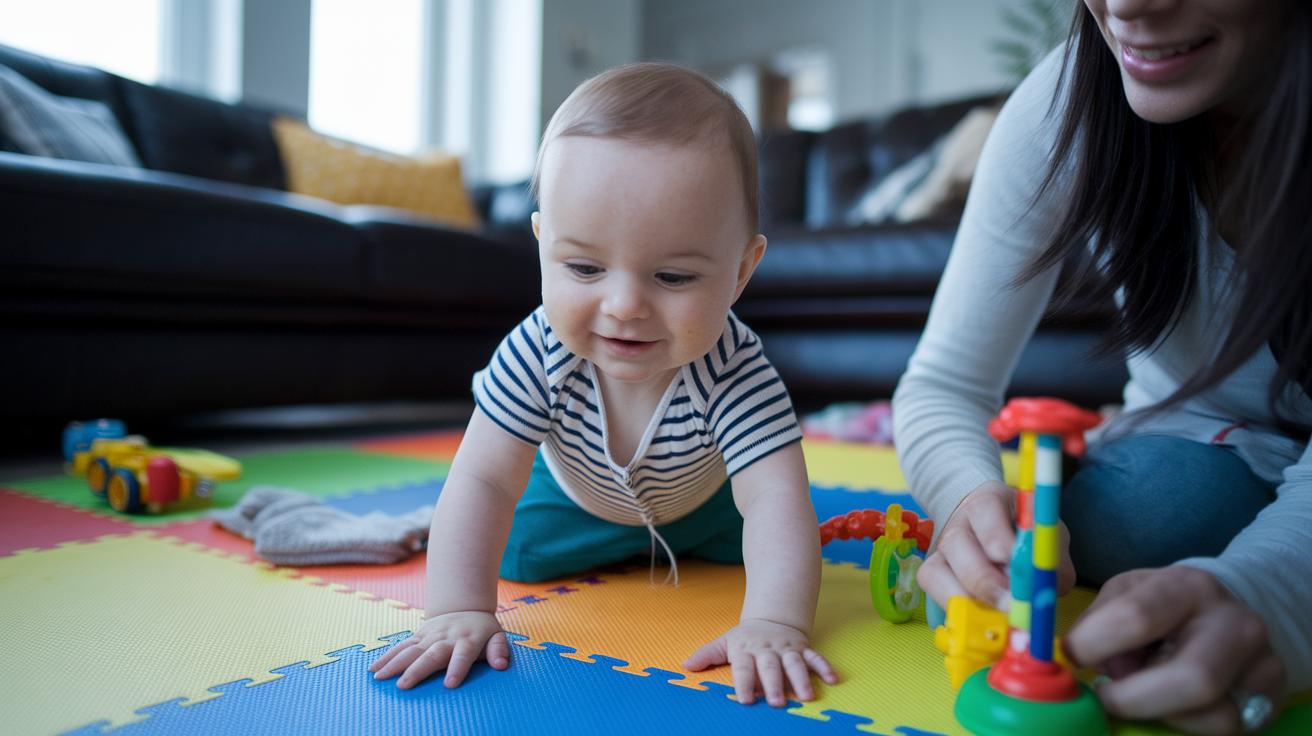
Parents can help their little ones grow strong by turning everyday play into fun, useful activities. When it’s tummy time, try putting a bright toy just a little out of reach. This way, your baby will lift their head and lean forward, strengthening neck and tummy muscles while adding a dash of excitement. It’s like saying, “Let’s reach for that favorite rattle and giggle like a tiny explorer!”
Next, try some supported sitting play. Sit your baby on your lap or in a comfy seat and gently encourage them to grab a soft ball. This simple game builds arm strength and coordination. And for floor play, scatter safe objects with different textures around your play area. Your baby might spin, roll, or pivot as they explore, kind of like turning your living room into a mini playground!
For those older little ones who are ready to cruise, guide them along a sturdy piece of furniture. Hold their hand as they take those precious baby steps or walk slowly side by side to give them extra confidence. And don’t forget to mix in some playful tickles while they reach for a favorite stuffed animal. It can make building those muscles feel just like a delightful game.
- Tummy time with a toy to reach for
- Supported sitting with simple reaching games
- Floor play that encourages rolling and pivoting
- Assisted cruising with gentle, guided steps
These warm, playful activities boost balance, coordination, and muscle strength, turning every movement into a moment of joyful discovery.
Final Words
In the action of exploring infant gross motor milestones, we walked through key markers, from early head control and rolling to sitting, standing, and walking. Each milestone offers clear steps in your little one’s development.
Simple, fun activities like tummy time and assisted steps can support their growing strength and balance. Keeping track of progress and watching for any changes can build a caring, confident foundation for your child’s journey. Stay positive; every small movement counts.
FAQ
What are some fine motor skills in infants?
Fine motor skills in infants refer to small hand movements like reaching for toys, grasping small objects, and developing hand-eye coordination through simple actions.
What does gross motor development in infants from 0 to 12 months involve?
Gross motor development from 0 to 12 months involves milestones like head control, rolling over, sitting up, crawling, and taking early steps that build strength and balance.
What does a gross motor milestones chart include?
A gross motor milestones chart details month-by-month progress, from head lag at birth to rolling, sitting, crawling, and the first independent steps around 12 months.
What are some examples of gross motor skills in infants?
Examples of gross motor skills in infants include lifting the head during tummy time, rolling over, sitting without support, crawling on hands and knees, and starting to stand or take steps.
What are the gross motor skills of a 3-month-old baby?
A 3-month-old baby typically begins lifting the head when on tummy time and shows reduced head lag during pull-to-sit movements.
What gross motor skills should a 6-month-old have?
At 6 months, infants usually roll from tummy to back and back to tummy, and many can sit unsupported, demonstrating improved trunk strength and balance.
What gross motor skills does a 15-month-old baby exhibit?
By 15 months, babies often stand up from the floor on their own, walk steadily with a wide base, and may even begin to run or climb stairs with assistance.