Have you ever wondered if expired prenatal (care during pregnancy) vitamins are still safe and strong enough? Think of it like an old clock, it still ticks, but it might not be as dependable as before. Many moms worry that, after the best-by date, the vitamins might not give the full benefits, like enough folic acid or iron. They could still be safe to use, but over time, they may not work as well. In this article, we chat about how expiration dates can change a vitamin’s strength and help you decide when it might be time to pick up a fresh box.
Confirming Prenatal Vitamin Expiration and Safety
Prenatal vitamins come with an expiration date on the bottle, which tells you when they are at their best. After that date, key nutrients like folic acid (which helps support healthy baby growth) may not work as well, and iron might not keep your blood as strong as it should be. Imagine using a clock that doesn’t keep perfect time, it might still tick, but its accuracy is off.
Even though expired prenatal vitamins are usually safe, they might not give you the full support you need during pregnancy. It’s a bit like borrowing a tool that has lost its sharpness; it can still get the job done, but not with the same effectiveness. The safest thing to do is to replace any expired bottles with a fresh supply and dispose of the old ones following FDA guidelines. Always check the printed date and try to store your vitamins in a cool, dry place to keep them at their best.
If you ever have questions about your prenatal vitamins or other supplements for care during pregnancy, it’s a great idea to chat with your healthcare provider. They can offer extra advice on diet and overall wellness to help you feel supported every step of the way.
Interpreting Expiration Dates on Prenatal Vitamins
Every bottle of prenatal vitamins shows an expiration date in MM/YYYY format. This date tells you when the manufacturer promises the vitamins' nutrients are at full strength. You can quickly check if your vitamins are still good by looking at the date on the bottom or side, just like checking a food label to see if your snack is still fresh.
You'll often see words like "best by" or "use by" printed near the date. These clues help you know when the vitamins work best. Also, keeping your vitamins in a cool, dry spot can help them last longer and keep their nutrients intact.
Reading the label and following these simple tips can help you feel confident about your daily prenatal care.
Storage Factors and Shelf Life of Prenatal Vitamins
Finding the right spot for your prenatal vitamins is key to keeping them effective. They do best in a cool, dry place away from strong sunlight and extra moisture. Avoid putting them in the kitchen or bathroom, where extra heat and humidity might shorten their shelf life.
Temperature, light, and even the container’s seal can affect how long the vitamins remain strong. When exposed to heat or sunlight, important nutrients like folic acid (for healthy growth) and iron can start to break down faster. Liquid prenatal vitamins, in particular, need extra care; once they’re open, they might need to be kept in the fridge. Think about it like a fresh glass of juice left out on a hot day, it warms up and loses its flavor, much like vitamins lose their strength if not stored properly.
Choosing a steady, cool place and keeping the container sealed helps maintain the power of these vitamins. A quick check of the storage area now and then can slow nutrient loss and keep your vitamins working well until the expiration date.
How Expiration Affects Nutrient Potency in Prenatal Vitamins
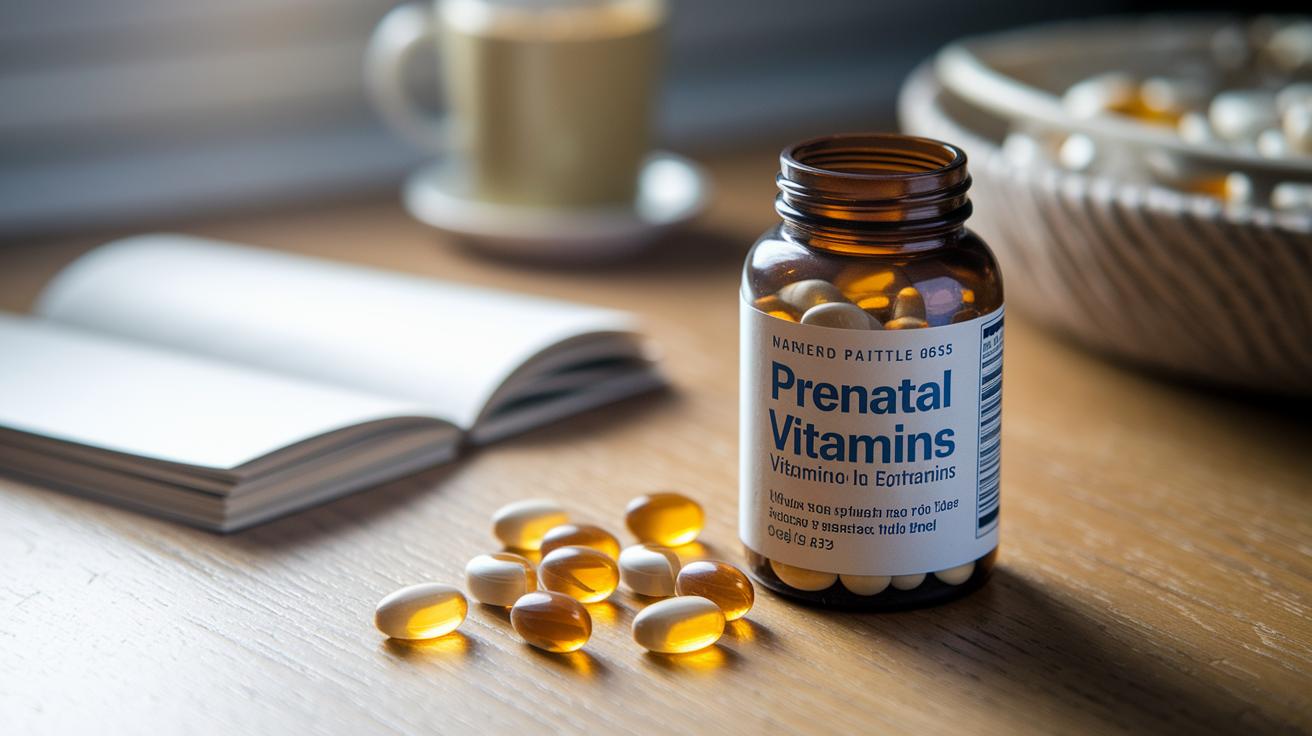
When prenatal vitamins pass their shelf life, they gradually lose their full strength because the active ingredients naturally break down. For instance, folic acid, which helps lower the risk of neural tube defects, may not be as effective after it expires. Think of it like using an old battery in your favorite toy; it works, but it doesn’t power things like it used to.
Other key nutrients, like iron, calcium, vitamin D, and DHA, follow a similar pattern. Iron can start to break down over time, much like a frequently used tool that eventually wears out. Calcium and vitamin D, which help build strong bones, along with DHA, essential for brain development, also lose some of their power. It’s kind of like watching a clock that doesn’t tick as fast as it once did.
Ever notice how even a tiny change in a recipe can change the flavor? A small decline in nutrient strength might mean your vitamins don’t quite hit the mark for your health needs like they used to.
| Nutrient | Effect of Expiration |
|---|---|
| Folic Acid | May not lower neural tube defect risk as well |
| Iron | Can break down over time, reducing its benefits |
| Calcium & Vitamin D | Less support for building strong bones |
| DHA | May not support brain development as effectively |
Safety Implications of Using Expired Prenatal Vitamins

Taking a prenatal vitamin past its date probably won’t make you sick, but its key ingredients, like folic acid, iron, calcium, and DHA, might not work as well anymore. It’s a bit like using a tool that still does the job but isn’t as sharp as it once was.
If you happen to take one, keep an eye on how you feel. If you start noticing unusual nausea or feeling extra tired, it might be time to chat with your doctor. Trust your instincts and reach out for help if something doesn’t feel right.
It’s always a smart move to check the expiration date on your vitamins so you can be sure you’re getting the best support for you and your baby.
Best Practices for Disposing and Replacing Expired Prenatal Vitamins
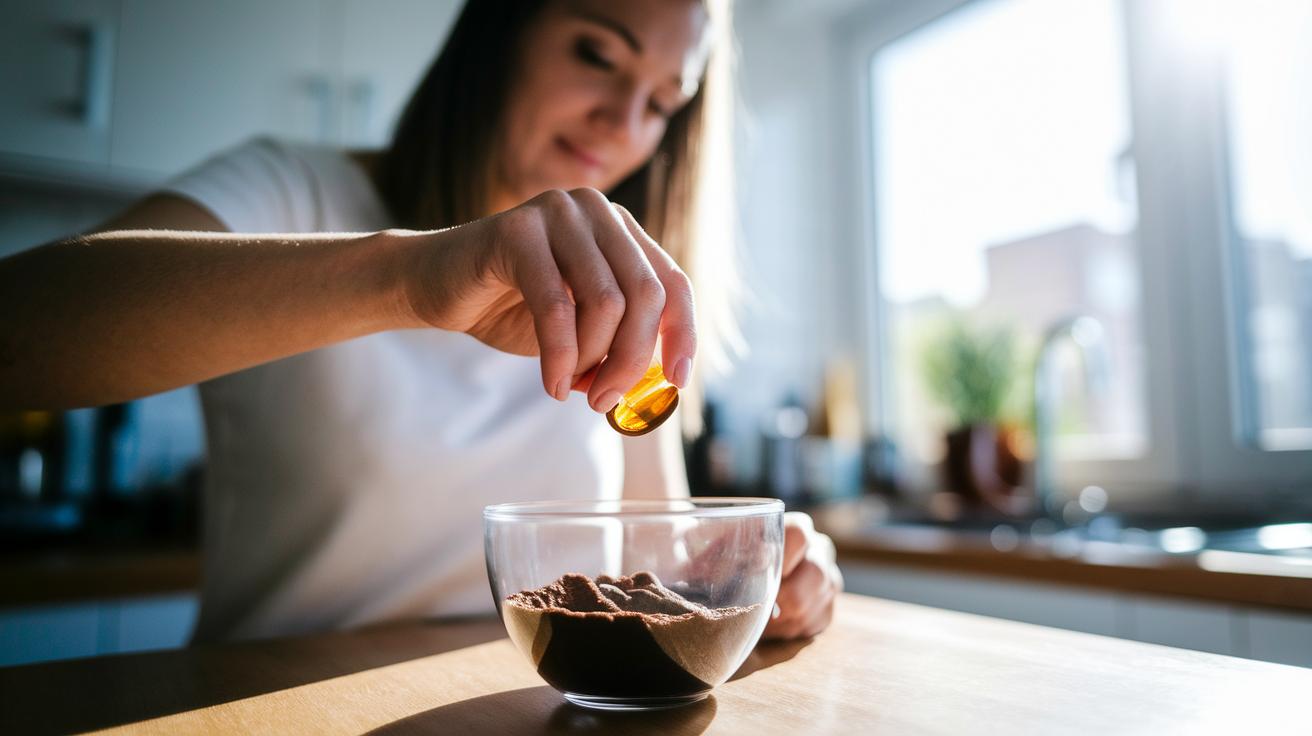
When it's time to clear out an old bottle of prenatal vitamins, follow the FDA guidelines for safe disposal. You might check if there's a drug take-back program available nearby. If not, try mixing your expired vitamins with something unappealing, like coffee grounds or kitty litter, before tossing them in the trash. Think of it like disguising an old snack so nobody mistakes it for something fresh.
Remember, don't flush your prenatal vitamins unless the label says it's okay. This simple step helps keep our water clean and safe for everyone.
When you need to replace your prenatal vitamins, act quickly so you don't miss out on those important nutrients. As you buy a new supply, take a moment to check the expiration date and note a three-month review on your calendar. It’s a bit like setting a reminder for a family event, easy and reassuring. Following these tips can help ensure that you and your baby continue to get the proper nutrient support you need.
Final Words
In the action, the blog post shows how vital it is to check the printed expiration on your prenatal vitamins. It explains that storage conditions can affect nutrient levels and that expired vitamins may not offer the support needed during pregnancy. The post also covers safe disposal methods and the importance of replacing your vitamins on time. A gentle reminder: prenatal vitamins expire, so keeping an eye on those dates helps maintain the quality of care you deserve. Enjoy feeling confident in your steps toward nurturing wellness.
FAQ
How long can you use vitamins after expiration date?
The printed expiration date tells you when full nutrient strength is guaranteed. After that, vitamins lose potency gradually due to nutrient breakdown, so they become less effective as time goes on.
Can expired prenatal vitamins cause a miscarriage?
Expired prenatal vitamins generally do not cause a miscarriage, but they may not offer the full nutrient support needed during pregnancy. Replacing them with a current supply is the best way to maintain health.
How effective are vitamins expired for one or two years?
Vitamins one to two years past their expiration date may have reduced potency. While they are not harmful, the diminished nutrient levels might not support body needs as well as a fresh bottle would.
Are expired prenatal vitamins still effective and safe according to discussions online?
Online discussions share that expired prenatal vitamins are usually safe to ingest but often lose key nutrients. This reduction in effectiveness means they might not fully support both maternal and fetal health.
What are some pointers for choosing the best prenatal vitamins?
The best prenatal vitamins come with clear expiration labeling, high-quality ingredients, and storage guidelines. A healthcare provider can offer personalized advice to ensure you get the most effective supplement.
Is it okay to take expired prenatal vitamins?
Taking expired prenatal vitamins is not recommended because their nutrients may have degraded. For proper prenatal support, it’s best to replace them with a supply that is within its expiration date.
How long are prenatal pills good for after the expiration date?
Prenatal vitamins provide full potency until the marked expiration date. Once that date passes, nutrient levels decline, so the pills gradually become less effective for supporting maternal nutrition.
How do I know if my prenatal vitamins are still good?
You can tell if prenatal vitamins are good by checking the expiration date on the label and ensuring they’ve been stored in a cool, dry place. Proper conditions help keep them effective until the printed date.