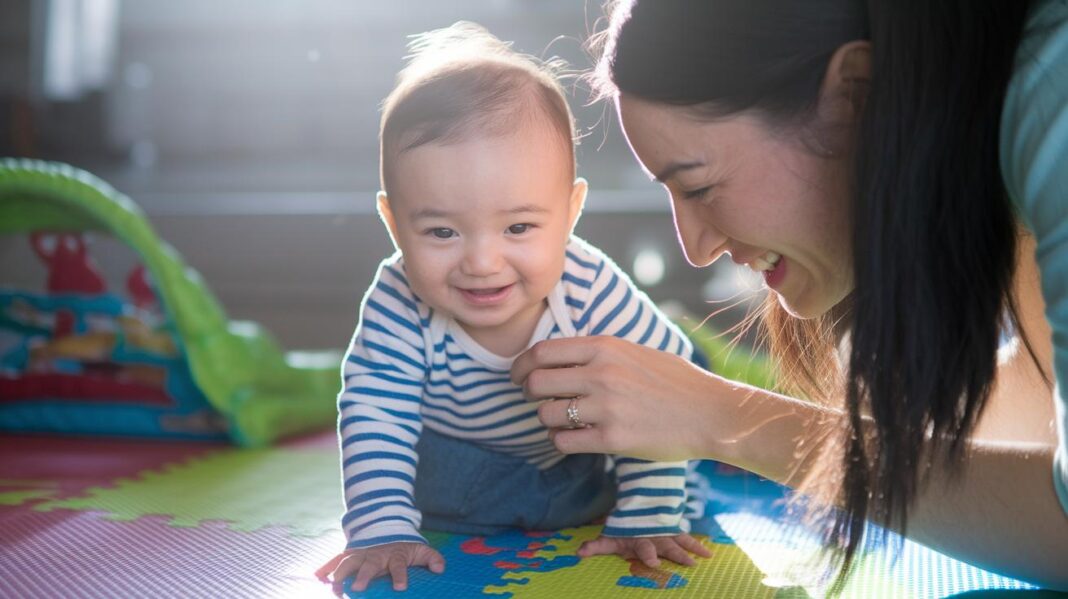
Have you ever noticed how your baby's little movements can mean more than just a cute moment? Every smile, roll, and tiny gesture shows that your little one is learning and growing. I’m excited to share some simple ideas to help support your baby's progress during these precious early times. Think of it like taking care of a small plant, a little love every day helps it thrive. So, let’s explore how everyday activities can build a joyful foundation for your baby's milestones.
How to Support Infant Milestone Development: Joyful Growth

Infant milestones show us how your little one is growing in their own unique way. Every baby develops at its own pace because of their genes, the environment, and their special personality. Early signs, like that very first smile or a gentle startle, tell you your baby is learning and adapting from the very beginning.
Think about the delightful moment when your newborn turns their head during skin-to-skin time. It's a sweet reminder that growth comes in small, meaningful steps.
| Age Range | Key Milestone | Recommended Support Activity |
|---|---|---|
| 0–3 months | Rooting, startle reflex | Skin-to-skin contact, gentle touch |
| 4–6 months | Rolling | Daily tummy time, guided rollovers |
| 7–9 months | Sitting unassisted | Supported sitting with pillows |
| 10–12 months | Standing/cruising | Couch-edge practice, push toys |
Going to regular well-child exams is really important to see how your baby is doing. Visits at two weeks, and then at two, four, six, nine, and twelve months give caring professionals a chance to check that your baby is hitting these markers. These check-ups help catch any delays early, and they also offer friendly guidance on fun activities to support your baby’s first year of growth. Each little achievement is a heartwarming win for both you and your baby.
Physical Progress Strategies for Infant Milestone Development
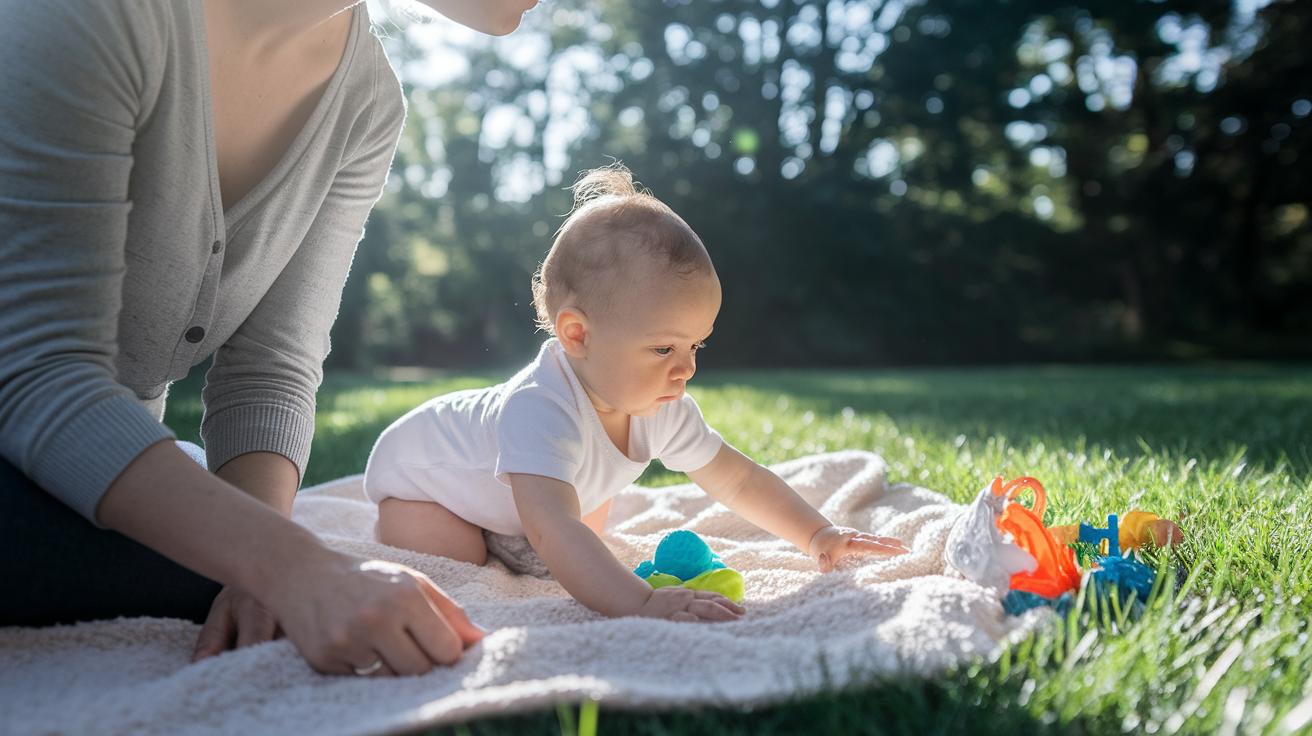
Daily tummy time is a simple way to help your baby build strong neck and shoulder muscles. When you place your little one on a soft, safe floor, they naturally start to reach, grab, and kick, which builds important motor skills. Imagine gently guiding your baby on a warm blanket during tummy time, watching their eyes sparkle as they discover new ways to move. These little moments not only boost their physical growth but also offer a sweet chance to bond.
Another fun idea is to enjoy joint parent-baby movement sessions that feel like playful workouts. Even simple stretches, gentle bouncing, or a short dance together make moving feel joyful. Playing outside on grass or sand gives your baby the chance to feel different textures under their hands and feet, sparking their curiosity and sense of balance. Think about it like a quick backyard dance that is full of both fun and new discoveries.
Keep things light and playful, and enjoy every moment of these special activities together.
Sensory Stimulation Techniques to Support Infant Milestone Development

Playing with food is a fun, safe way to boost your baby's growth. When you offer small spoons or plastic bowls, your little one gets a chance to explore different textures and tastes. Picture your baby gently touching and tasting some soft, mashed fruit. Each little experience builds their sense of touch and helps their brain grow in a relaxed, playful way.
Everyday activities are filled with sensory surprises. Have you ever noticed how the smell of fresh herbs while cooking fills your home with warmth? That same aroma helps your baby build its sense of smell. And when you step outside, the soft chirping of birds or the sound of a flowing stream gently trains their ears. Many babies start recognizing smells early, turning your kitchen and garden into a delightful sensory playground.
Even simple kitchen items can be amazing tools for learning. Imagine your baby tapping a spoon on a bowl and reacting to the sound and movement. Using mixing bowls, measuring spoons, or even a safe water container gives your baby a fun way to learn about cause and effect and to recognize shapes. These everyday moments create exciting opportunities for nurturing both brain and sensory development.
Language Acquisition Support in Infant Milestone Development

When you playfully echo your baby’s sounds and add in a few extra words, you help build their vocabulary in a fun way. Imagine your little one saying "ma-ma" and you reply with, "Wow, you're saying 'ma-ma', is it cuddle time?" Such simple interactions make language learning feel natural and warm.
Everyday moments, like diaper changes or mealtimes, are perfect chances to talk about what’s happening. You might even sing a little tune or recite a rhyme, helping your baby pick up the rhythm and pattern of sounds.
Shared reading is another delightful way to boost language skills. As you explore a picture book together, you can take turns turning pages and ask gentle questions, like "What color is the ball?" This kind of back-and-forth chat helps your little one learn new words. For more tips on language milestones, you can check out this page: https://womensconference.org?p=10998. It offers extra guidance on nurturing those early steps in language development.
Nurturing Social Skills and Emotional Bonding in Infant Milestone Development

When you share a smile with your baby or play a fun game of peek-a-boo, you're doing more than just having fun, you’re building trust. A simple, happy exchange, like your baby smiling and you laughing, shows them that their expressions matter. These moments help your little one feel safe and teach them how to understand their feelings.
Playing face-to-face with your baby is a gentle way to help them see that relationships are built on shared joy. It’s amazing how a quick game or a playful sound can nurture social awareness and soothe emotions. Have you ever noticed how a tiny giggle can brighten a whole day?
Even everyday activities, like a peek-a-boo game during a diaper change, become special when you add a bit of play. It’s a clear way for your child to learn cause and effect while feeling loved at the same time.
Building a calm routine can be as simple as a soft massage or cuddling during nap time. These loving actions help soothe your baby and create a comforting pattern in their day. Quiet rocking or gentle cuddles make them feel secure, so they’re brave enough to explore and express themselves.
Every interaction, no matter how small, adds up. These caring moments not only bring immediate comfort but also set the stage for a joyful journey of growing up.
Tracking and Progress Monitoring for Infant Milestone Development

Your baby's check-ups at 2 weeks, 2, 4, 6, 9, and 12 months let you see how well they’re growing. But keeping daily notes at home can make that picture even clearer. Imagine writing down when your little one shows their very first smile in a photo diary. That kind of personal memory often goes beyond what you hear at the doctor’s office.
Here are some ways to track these precious moments:
- Well-child exam calendar
- Milestone-tracking mobile apps
- Customized paper checklists
- Photo/video skill diary
By using both professional check-ups and your own daily tracking, you get a fuller look at your baby’s progress. Recording everyday activities like tummy time, play, and sleep helps you chat with your pediatrician and notice small changes early on.
Nutritional Support Contributions to Infant Milestone Development
Breast milk and iron-fortified formula fill your baby with vital nutrients like DHA, iron, and protein. They help build strong muscles and support brain growth, serving as the first step in your little one’s journey of development.
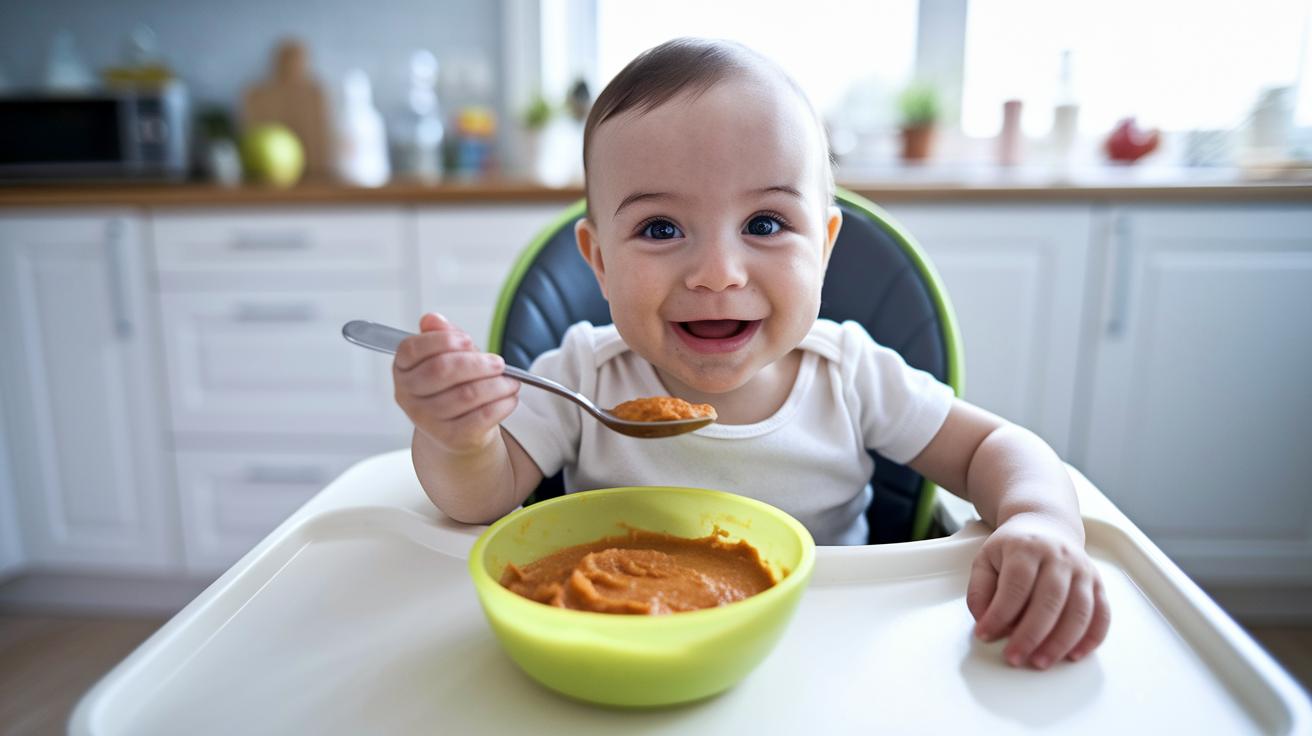
Around six months, introducing pureed foods is more than just a chance to try new flavors, it helps your baby practice using mouth muscles. When your little one dips a spoon into their bowl, they build fine motor skills and start feeling independent. Responsive feeding turns mealtime into a playful learning experience, where every bite helps reinforce those important skills. With balanced meals guided by trusted infant nutrition advice, you make sure your baby gets enough iron and fluids, helping prevent issues like anemia or dehydration. Each spoonful becomes a delightful lesson in taste and movement.
Simple, balanced meals boost overall growth while creating joyful learning moments. Every feeding lays a foundation for better motor skills and cognitive growth and transforms mealtime into a warm, interactive experience your little one will love exploring. Each feed is a special opportunity to nurture your baby’s development and celebrate each small win. Enjoy every moment at the table with wonder.
Final Words
In the action of nurturing early growth, the blog post shared practical tips on physical strategies, sensory activities, language support, social bonding, progress monitoring, and nutritional care. Each section offered simple, clear steps to help build a supportive routine for infants. We explored practical ideas that show how to support infant milestone development through everyday play and care practices. This dynamic guide reminds us that every small moment can build a strong foundation for a happy, healthy baby. Keep enjoying each new milestone as a bright step forward!
FAQ
How to support developmental milestones in infants?
The support for infant developmental milestones starts with regular tummy time and interactive play. Caregivers can use gentle exercises and simple games to boost motor skills, language, and social bonding.
What are important milestones for infants?
The key milestones include early reflexes in the first few months, rolling over by about four months, sitting unassisted around seven months, and standing or cruising by twelve months, marking steady progress.
How to achieve baby milestones?
The way to achieve baby milestones is by offering nurturing activities like skin-to-skin contact, daily tummy time, and guided movement. Regular well-child visits also help track developmental achievements.
Where can I find resources like PDFs or charts for infant milestone development?
The search for reliable resources is supported by downloadable PDFs and month-by-month charts that offer clear visuals and guidance to track and support your baby’s developmental progress.