
Ever wondered if a tiny mineral could really help you and your baby? Zinc in prenatal (care during pregnancy) vitamins is a little helper that supports your immune system, keeps your skin clear, and builds strong tissues. Many moms-to-be trust zinc along with other vitamins to create a safe and caring environment for both themselves and their little ones. In this post, we'll chat about how zinc helps your cells grow and supports your overall well-being during pregnancy. It's a simple, effective way to meet your extra nutritional needs.
How Prenatal Vitamins Zinc Support Maternal and Fetal Health

If you’re expecting, zinc is a real lifesaver. It helps both you and your baby’s cells grow quickly and healthily. Many prenatal vitamins include zinc to boost your immune system and support your body during this special time. Research shows many adults in the U.S. take supplements, so adding zinc can be a simple way to care for yourself and your little one. Zinc isn’t just about everyday functions, it teams up with other key nutrients to help build strong tissues and organs.
- Supports a healthy immune system
- Helps enzymes work properly
- Promotes clear skin
- Encourages healthy hair growth
- Aids cell division
- Provides antioxidant protection
Plus, zinc works beautifully with folate and vitamin C. When zinc partners with folate, it helps your baby’s brain and tissues develop well. Vitamin C, meanwhile, boosts zinc absorption and gives your immune system an extra lift. This nutrient pair creates a nurturing environment for both mom and baby. Taking a prenatal vitamin that includes zinc is an easy, effective way to meet your higher nutritional needs and support a smooth, healthy journey.
Prenatal Vitamins Zinc Dosage Guidelines for Expectant Mothers

Hey there, moms and moms-to-be! Getting the right amount of zinc is really important when you're expecting. Experts say that while most adults need about 8 mg of zinc a day, you should aim for about 10–11 mg during pregnancy. In the United States, they usually recommend around 11 mg a day for expecting moms. Remember, your zinc comes not only from your food, think meats, fish, and dairy, but also from any prenatal vitamins you take.
Too much zinc isn’t good for you either. The safe upper limit is 40 mg each day to keep things from getting out of hand. Going over this amount might cause nausea, a sore tummy, or other unwelcome side effects. So it’s really important to stay within the recommended range to enjoy all the good benefits zinc offers.
Here’s a simple four-step guide to check your zinc intake:
- Look at what you eat each day and note the amount of zinc from your meals.
- Check your prenatal vitamin label to see how much zinc it has.
- Add these two numbers together, that’s your total zinc intake.
- Make sure this total stays below 40 mg each day.
Prenatal Vitamins Zinc Safety and Potential Side Effects
Staying under the 40 mg daily limit is really important. Zinc is good for both you and your baby, but taking too much can throw your body off balance. You might notice a metallic taste or a few tummy troubles if you have a bit too much. Keeping an eye on zinc from your food and any supplements can help you avoid these unwanted side effects.
- Feeling nauseous or uncomfortable in your stomach
- Belly cramps and diarrhea
- Occasional headaches or light-headed feelings
- A strange, metallic taste in your mouth
- Lower copper absorption, which can affect other nutrients
If you start to notice any of these signs or if you’re worried about how much zinc you’re getting, it’s a good idea to chat with your healthcare provider. They might suggest small changes in your diet or supplement routine to help keep everything balanced during pregnancy.
Prenatal Vitamins Zinc: Food-Based Sources vs Supplement Forms

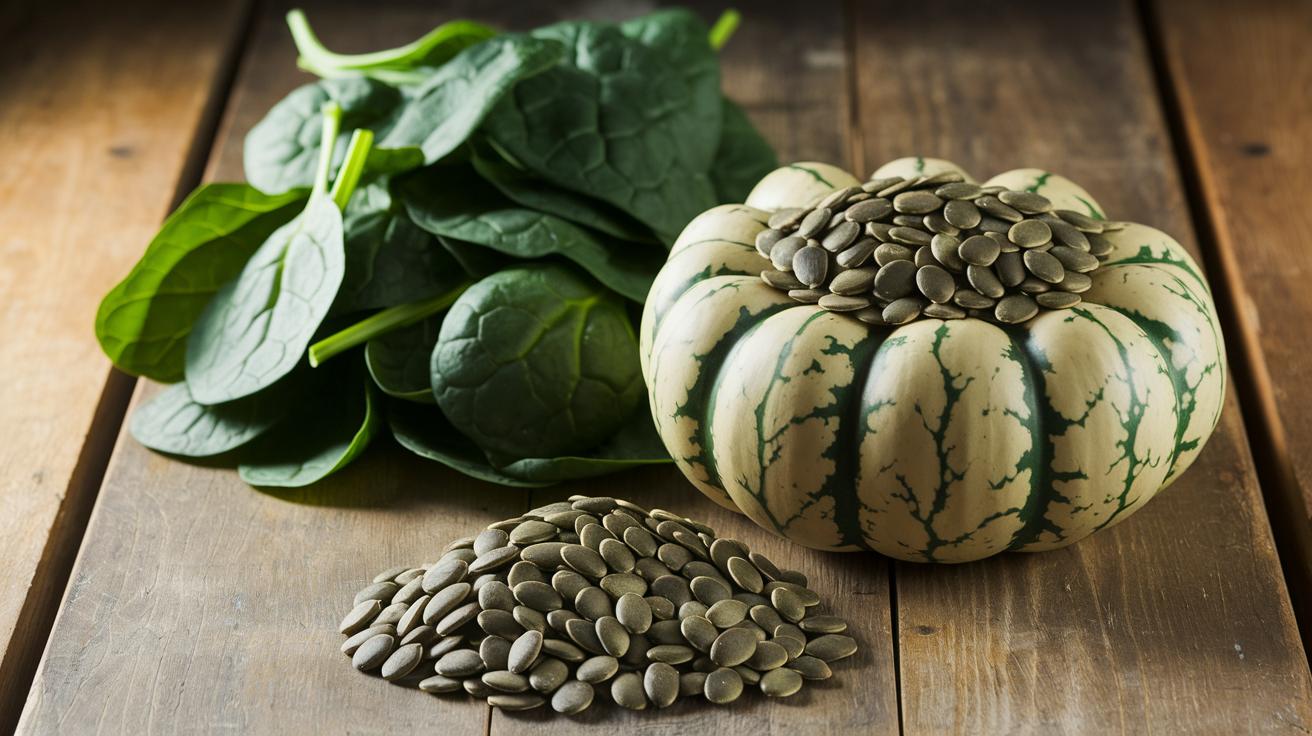
Zinc is a vital mineral that you get from everyday foods and supplements. Foods such as meat, fish, chicken, cereals, and dairy naturally provide zinc. When you eat these foods, your body soaks up the zinc, about 20 to 40% from animal products and around 10 to 20% from plant sources.
Prenatal vitamins often include zinc supplements to fill in any gaps in your diet. This means that on busy days, even if your meals aren’t perfectly balanced, you still get the zinc you need to support both your health and your baby’s development.
- Try to pair zinc-rich foods with fruits high in vitamin C to help your body use the zinc better.
- Choose less processed grains and cereals to lower your intake of phytates.
- Keep a gap of 2 to 3 hours between meals high in iron and taking zinc supplements so they don’t compete during absorption.
It’s important to balance iron and zinc because they can interfere with each other when absorbed. By planning your meals carefully and keeping iron and zinc separate, you help your body absorb more of both. For more friendly tips on creating a balanced diet during pregnancy, check out the maternal diet and wellness guidelines.
Selecting Prenatal Vitamins Zinc: Comparing Supplement Forms
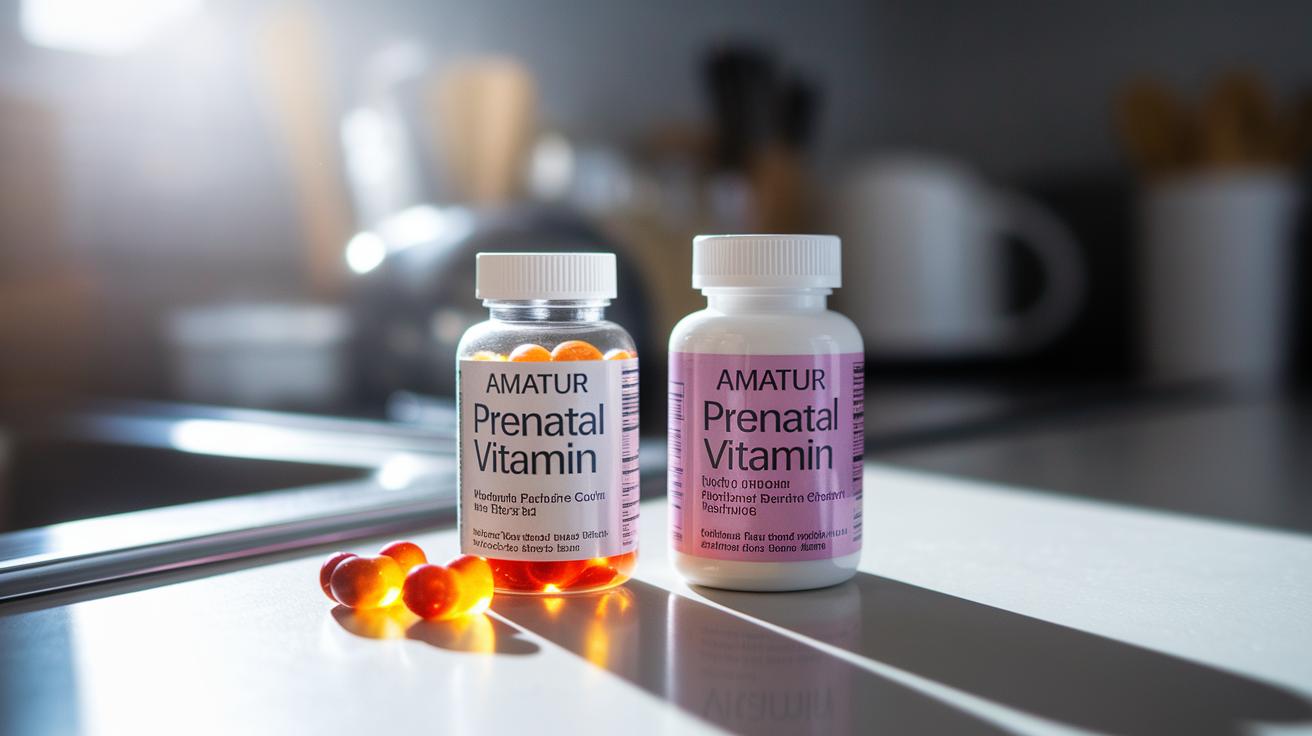
When you're choosing a prenatal vitamin with zinc, think about a few simple things. Check how much zinc you get in each serving and see if there are extra nutrients like DHA (a type of healthy fat) or other minerals. Sometimes one form offers more zinc, while another might taste better or let you adjust the dose easily. Your everyday routine matters too, maybe a tablet with a long shelf life fits best, or you might prefer fun gummies or a liquid you can tweak to your needs.
| Form | Zinc per Serving (mg) | Pros | Cons |
|---|---|---|---|
| Tablet | 8–15 | Extra zinc, long lasting | Needs swallowing |
| Gummy | 5–8 | Tasty, fun to take | Less zinc, includes sugars |
| Liquid | Variable | You set the dose, fast absorption | Shorter shelf life, may taste odd |
The best choice is the one that fits right into your life. Think about your eating habits and daily schedule. If you enjoy a fun, chewable vitamin, gummies could be perfect. If you need that extra precision with dosing, a liquid might be the way to go. And if you're comfortable swallowing pills and want a steady high zinc dose, then tablets work well. By considering what extra nutrients might benefit you and how the form fits your daily routine, you can fine-tune your prenatal care to keep you balanced and thriving during pregnancy.
Final Words
In the action, this article shows how prenatal vitamins zinc support both maternal and fetal health. It explains zinc’s role in immune support, enzyme function, skin, hair, cell creation, and antioxidant protection. We explored dosage guidelines, safety measures, and suggested food-based sources compared to supplements. It also highlights how to choose the right form of zinc to suit your needs. Using prenatal vitamins zinc provides a clear path to balanced nutrition and lasting well-being. Embrace these insights with confidence and care, it’s all about making motherhood a bit smoother.