Have you ever noticed how quickly your baby grows? Every little milestone feels like a new chapter in a heartwarming story. From those first smiles to soft coos and tiny rolls, every moment fills your day with joy. Today, we’re talking about how these early steps brighten your world and lay a strong foundation for the future. Let’s dive in and celebrate each precious moment together!
Consolidated Timeline of Critical Infant Milestones
The first year of your baby's life is full of exciting changes. In those early months, around 1 to 3 months, your little one goes through some small, reflexive movements. Their arms and legs might move in jerky motions, and you might notice their fists clench and relax. And even with these early reflexes, many babies start sharing a sweet social smile by 2 months. You might even see them turned toward soft, sweet smells as early as 1 month.
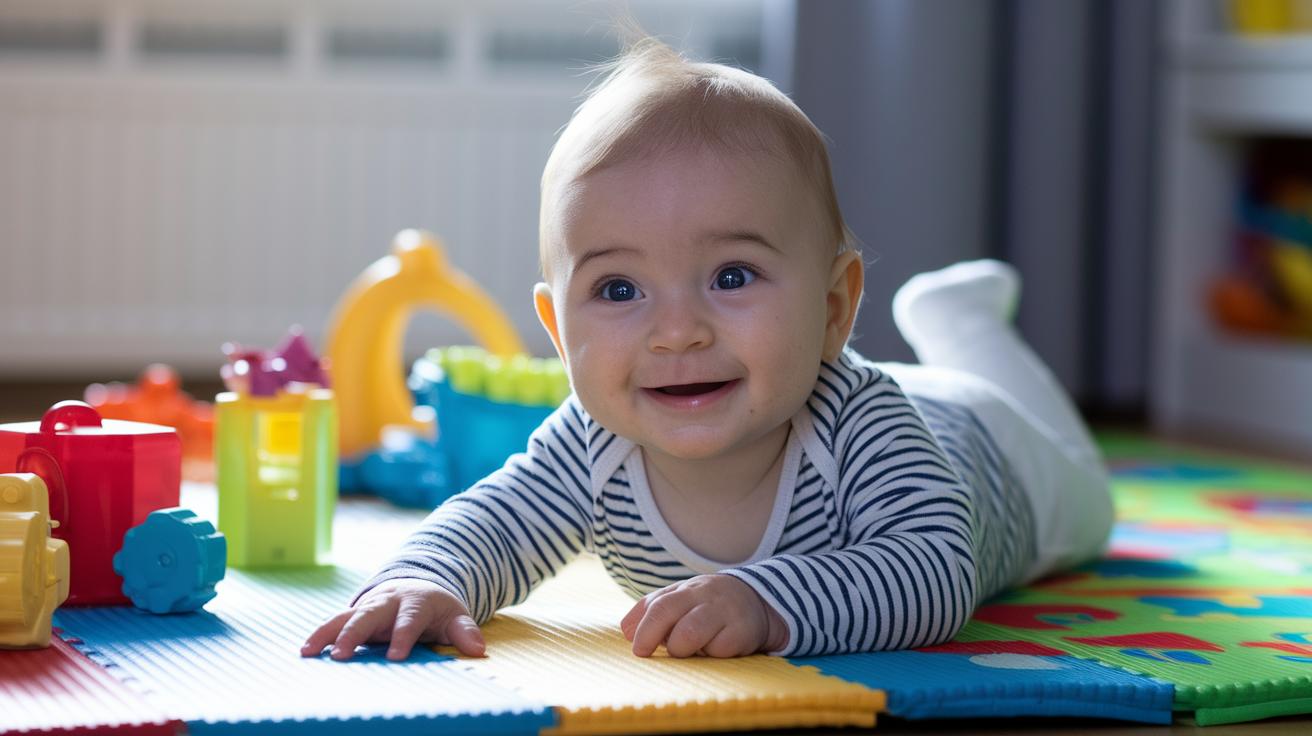
By the time your baby reaches 4 to 6 months, their movements become more intentional. They learn to lift their head and chest when lying on their tummy and start to roll. For example, many infants roll from front to back by 4 months and then back to front by 5 or 6 months. Their vision gets better too, so you’ll see more hand-to-mouth play, along with early babbling and even bursts of that first joyful laughter.
Then, between 7 and 9 months, many babies start sitting up on their own and may begin crawling or moving around while holding on to furniture. Their eyes now see colors clearly, and sometimes you might notice a bit of stranger anxiety. These are also the months when your baby starts imitating simple actions they see in people around them.
By 10 to 12 months, your little explorer might begin pulling up to stand and even take a few independent steps. It’s also common for them to say their first words and point at things they recognize, showing a wonderful mix of curiosity and confidence as they explore the world around them.
| Age Range | Motor | Sensory | Social/Communication | Cognitive |
|---|---|---|---|---|
| 1–3 months | Jerky movements, fists, little neck control | Eyes crossing, love for sweet smells | Delightful social smiles | Simple responses to what they feel |
| 4–6 months | Heads and chests lifting, rolling over | Better vision, hand-to-mouth exploring | Babbling and early laughter | Starting to explore their world |
| 7–9 months | Sitting on their own, crawling, cruising along furniture | Seeing full color | Shows stranger anxiety, simple imitation | Early problem solving, like figuring out how to grab a toy |
| 10–12 months | Pulls up to stand and might even walk alone | Smooth, focused visual tracking | Says first words and points to things | Confidently exploring their surroundings |
Motor Milestones and Coordination Expansion in Early Infancy
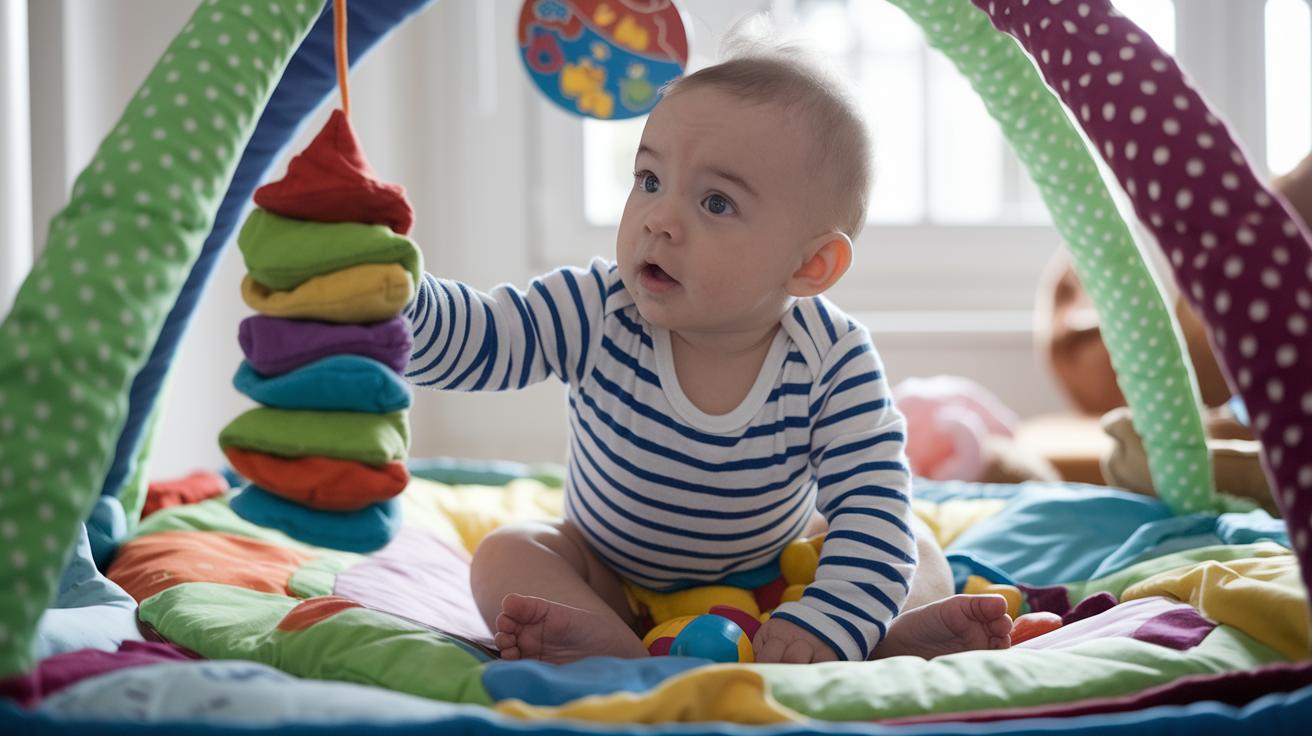
Babies learn so much more than just basic movements. Their tiny muscles work together with their senses to help them explore the world around them. When your baby reaches for a toy, for instance, they mix what they see with how they move their hands. This simple act is the first step toward learning how to feed themselves and enjoy playful moments.
This growing coordination plays a big role in all parts of development. It even helps with thinking and interacting with others. Have you ever noticed how a little boost in balance can encourage safe exploration? That sense of control now hints at brighter skills in solving problems and connecting with others later on.
| Motor Coordination Aspect | Developmental Impact |
|---|---|
| Sensory Integration | Boosts reaction and focus |
| Muscle Control | Helps with self-feeding and play |
| Balance and Stability | Encourages safe exploration |
Sensory Perception Milestones and Early Speech Emergence
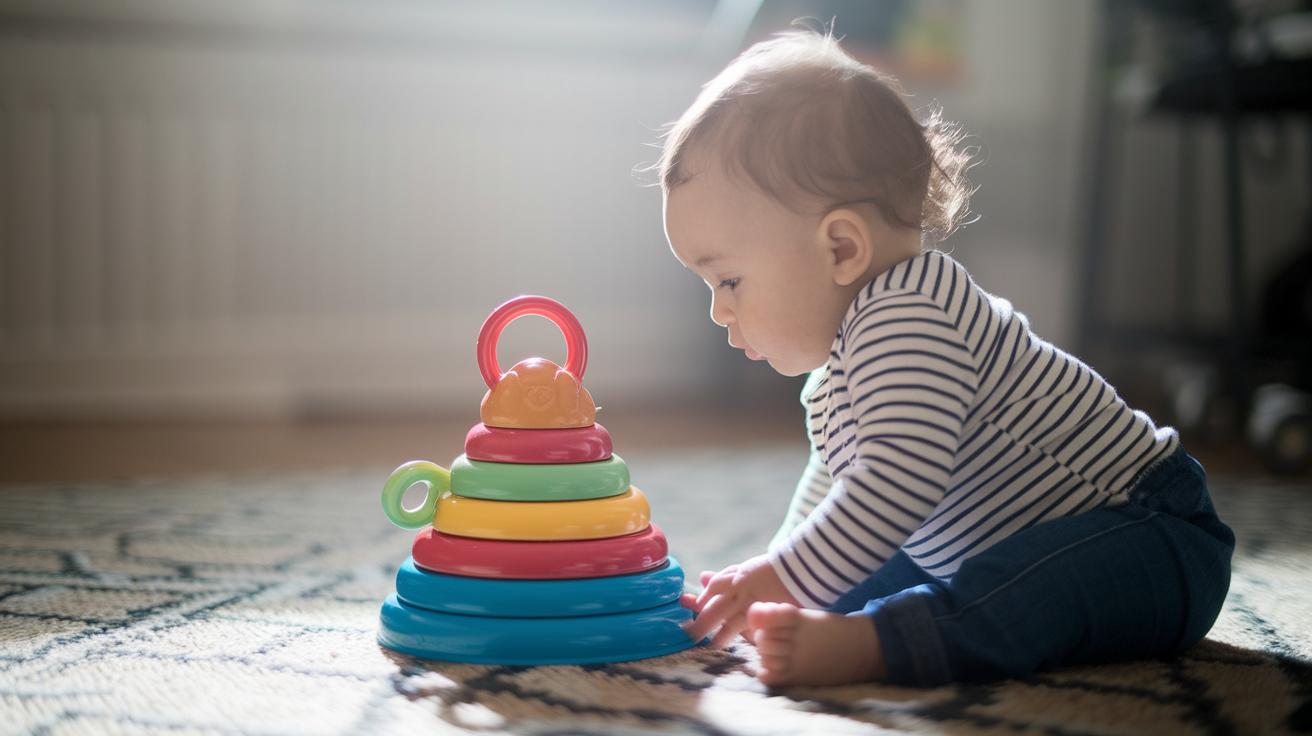
At around two months, your little one starts focusing on objects that are about 8 to 12 inches away. It’s like watching the soft light of morning gently fill the room. By 3 to 4 months, any little squinting eases off as their vision sharpens, almost like a subtle, natural adjustment.
Between 4 and 6 months, babies begin to recognize their name and the voices they know. Imagine those early coos as a quiet promise that they’re just starting to speak in their own way. Before you know it, by 10 to 12 months, those tender babbles grow into early words.
If you’d like more details on language milestones, please check out our language development milestones chart here (https://womensconference.org?p=10998).
Social and Emotional Milestones: Bonding Signals in Infancy

At about 2 months old, you might notice your baby giving you a warm, familiar smile when you talk to them. Imagine that tiny face lighting up, it's a sweet sign that they’re starting to feel safe and connected with you. It’s as if they’re saying, “I recognize you, and I feel happy!”
By 4 months, playtime becomes even more fun. When you engage in a little game or offer a gentle tickle, you might hear a burst of giggles. Those tender laughs remind you that bonding can brighten even the simplest moments of your day.
Between 6 and 9 months, your baby begins to really notice familiar faces, and you might see hints of stranger anxiety. They often copy a smile or a curious look, mirroring your expressions. It’s a charming way to see their growing awareness and social connection, like they're learning the art of conversation.
From 10 to 12 months, your little one starts to seek comfort on their own. They make eye contact, reach out for you, and use soft sounds to express affection. Each of these moments gives you a heartwarming peek into their growing emotional world, as they learn how to trust and connect with you.
Cognitive Milestones and Early Learning in the First Year
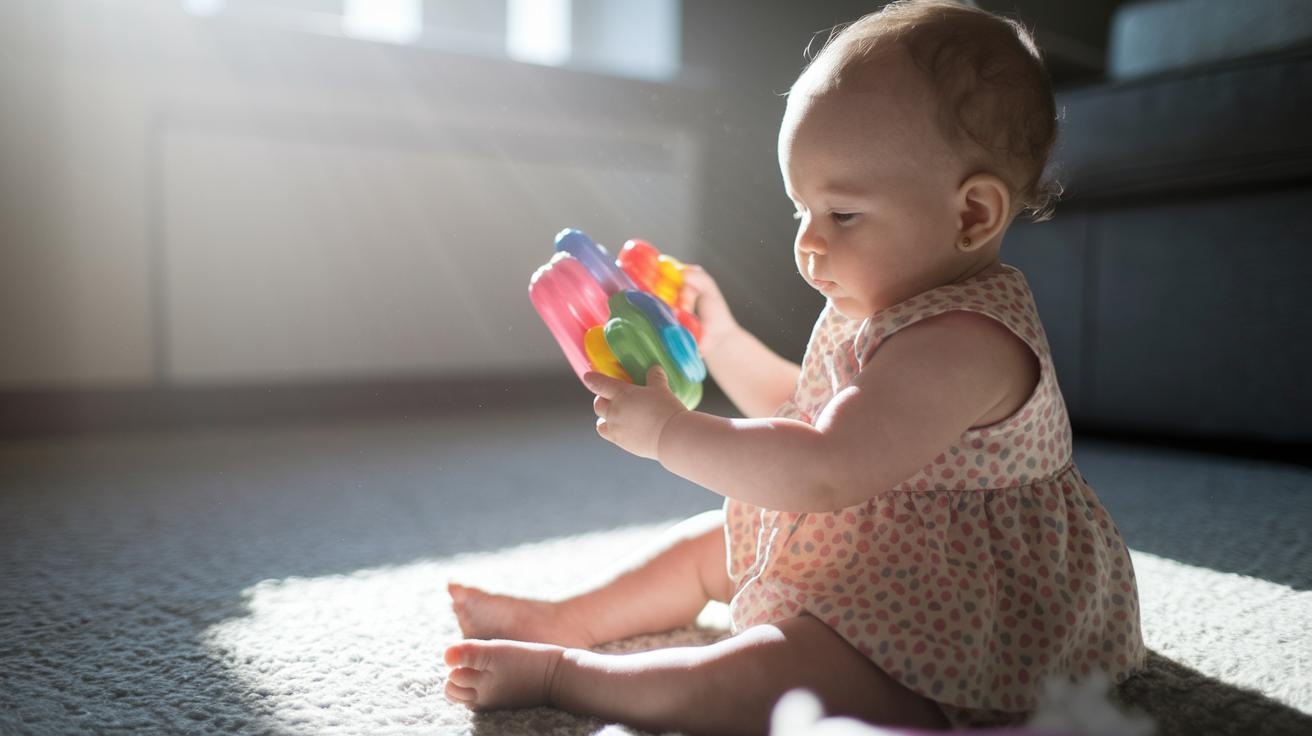
When your baby is between 4 and 6 months old, she starts to explore by shaking, banging, and even dropping her toys. These playful activities help her build key sensorimotor skills and learn about cause and effect. Imagine her little hands grabbing a toy and giving it a gentle shake to see what sound it makes, it's like her very own mini experiment.
Between 6 and 8 months, you might notice your baby beginning to understand that things still exist even when she can’t see them. Maybe she'll look for a toy that you’ve partially hidden under a blanket. That moment of discovery is really special and can spark even more curiosity about her world.
From 9 to 12 months, her thinking skills really start to blossom. She begins copying simple actions, like clapping after you do or using her toys to explore how things work. It’s fun to watch her mimic household routines and little gestures, it feels like a sweet, playful reenactment of your everyday moments.
Red Flags in Infant Milestones and Professional Consultation
Sometimes small details can gently show that your baby might need a little extra care. For example, if your baby hasn’t started lifting their head by around 4 months, or if they haven’t begun to roll over by 6 months, it might be a good idea to check in with your pediatrician.
Here are some common signs to keep in mind:
- No head lift by 4 months
- No rolling over by 6 months
- Inability to sit unsupported by 9 months
- Not babbling around 9 months
- No first word or pointing by 12 months
These little signals can be like noticing that your favorite plant isn’t sprouting as expected, despite your loving care. It helps you know when to look a bit closer, ensuring that your baby gets all the support they need.
Regular check-ups can really ease your mind. Scheduling visits with your pediatrician, maybe around 2–4 weeks after birth, and again at 8–12 months, is a great way to keep track of your baby’s growth. Using tools like milestone checklists, such as the Ages & Stages Questionnaires, can provide extra guidance and reassurance on their journey.
Final Words
In the action of understanding infant growth, this post offered a clear look at how little ones develop through motor, sensory, social, and cognitive stages. We explored typical behaviors from early jerky movements to early words and independent steps. We also touched on key red flag indicators that call for professional attention. Keeping track of these critical infant milestones helps guide practical parenting strategies while embracing each baby’s happy progress. May every new milestone spark joy and confidence.
FAQ
What are the major milestones for infants?
The major milestones for infants are shown across age groups—from early reflex movements and social smiles to crawling, babbling, and first words—highlighting physical, sensory, social, and cognitive progress.
What do baby milestones charts and month-by-month guides show?
Baby milestones charts and month-by-month guides display key developmental markers like motor skills, early speech, and social engagement, helping caregivers track progress from newborn phases to the first year.
When should I worry about baby milestones?
You should worry if your baby misses important progress markers such as head control by 4 months, rolling by 6 months, or babbling by 9 months, which may point to developmental delays needing professional advice.
What are developmental red flags in infancy?
Developmental red flags in infancy include delayed head lifting, missing rolling or sitting milestones, lack of babbling, absence of first words, or if your baby isn’t pointing at objects, warranting timely pediatric consultation.
What is the most critical factor in a baby’s development?
A baby’s development relies on balanced growth in physical, sensory, social, and cognitive areas, which work together to build a strong base for learning and emotional bonding.
Where can I find resources like milestones PDFs, checklists, and charts?
Detailed resources such as milestones PDFs, checklists, and charts are available online through credible sources including the CDC and trusted parenting sites, offering visual and practical guidance on infant development.