
Have you ever felt that while welcoming your baby, an unexpected heaviness comes along too? Many moms notice that life seems to turn upside down after giving birth. When nearly one in seven moms faces these challenges, having a little help can really make a difference. Imagine someone gently reaching out to guide you back to feeling whole again. In this post, we share two straightforward ideas to help ease your recovery and bring smiles back to your days.
Postnatal Mental Health Support Options for New Mothers

After welcoming a new baby, it's totally normal for feelings to shift, and sometimes those feelings can be heavy. Around 1 in 7 moms experience a tough time with postnatal depression. PSI HelpLine is here to lend an ear, whether you're texting, calling, or emailing. For example, you can just text "Help" to 800-944-4773 for English or 971-203-7773 for Spanish, and someone caring will be there to listen right away.
In Washington State, there’s a special center that brings together crisis lines, peer chats, and expert referrals. This friendly network connects parents with mental health providers who can create a custom plan for your wellness after giving birth. Imagine getting personalized advice and referrals to trusted local experts who can help guide you through this new journey. They also point you in the right direction for community programs and educational resources to make the transition to parenthood a bit smoother.
This support goes beyond moments of crisis, it helps set up a strong foundation for long-term emotional well-being. By blending immediate help with a plan that supports your ongoing recovery, new moms can feel more confident and cared for. Think of it like having a kind neighbor remind you, "You're not alone; just a call or text away, we're here to help."
Understanding Postnatal Depression and Anxiety Challenges
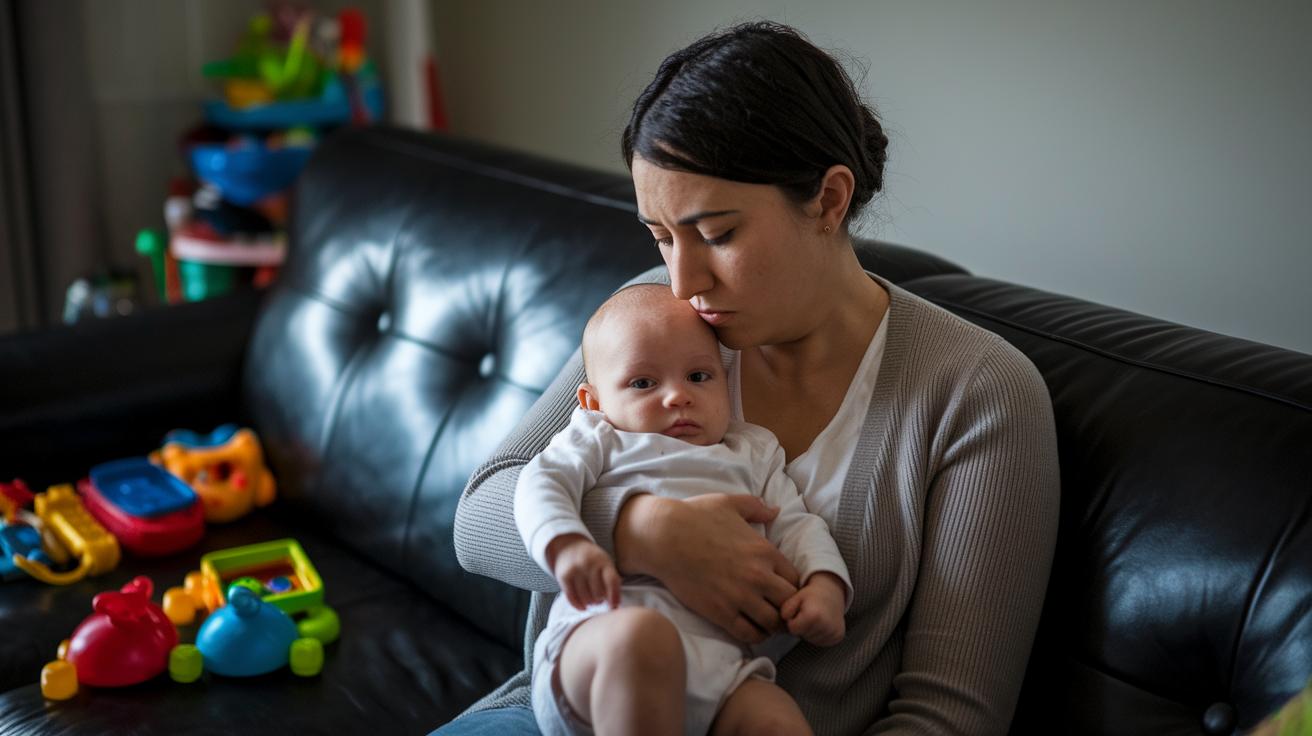
Sometimes, postnatal depression can make even the simplest tasks feel like huge mountains to climb. When everyday routines, like feeding your baby or taking a quick shower, suddenly seem overwhelming, it’s more than just a little baby blues. You might be feeling deep sadness, extreme tiredness, racing thoughts, or having trouble getting a good night’s sleep. Think about a time when you felt so drained that even holding your little one was a struggle. It’s a sign that maybe your mental health could use some extra care.
It can also be hard to feel that warm connection with your baby. Imagine your heart feeling heavy, when a simple cuddle or smile doesn’t bring its usual joy. These feelings are not just regular tiredness; they might be pointing to something known as perinatal mood disorders. This group of conditions covers things like depression, anxiety, and sometimes even psychosis. They can affect how you take care of yourself and your baby. Noticing these signs early can help you start on a path to feeling better and can reduce problems later on.
If you ever notice that your feelings are getting in the way of your daily life or making it tough to care for you and your baby, reaching out for a little help can make all the difference. Recognizing these emotions is a brave step, and it shows how much you care about a healthier, happier future for both you and your family.
Screening Tools and Early Identification for Postnatal Mental Health

When you're feeling a bit off after your baby arrives, knowing what you're going through is the first step to finding help. During those early weeks, your doctor might use easy checklists to see how you're really feeling. One of these is the 10-question Edinburgh Postnatal Depression Scale (EPDS), a short form that helps spot signs of sadness quickly. They may also use the Antenatal Risk Questionnaire (ANRQ) to look for early worries before they build up. Imagine a calm six-week checkup where your provider gently chats with you and asks these questions, it’s all about care and noticing the little things.
These tools are simple and fast, giving you and your doctor a clear idea of whether the stress is just normal new parent challenges or something that might need extra help. Catching these early can lead to support like a chat with a counselor or local community resources, helping you get back to feeling like yourself.
| Tool Name | Items | Purpose |
|---|---|---|
| EPDS | 10 | Spot signs of depression |
| ANRQ | 12 | Check for mood-related risks |
Having these screenings during your postpartum visits opens up a caring space to talk about your feelings. Each small step is a gentle push toward a brighter, more joyful recovery.
Professional Postpartum Therapy and Counseling Services
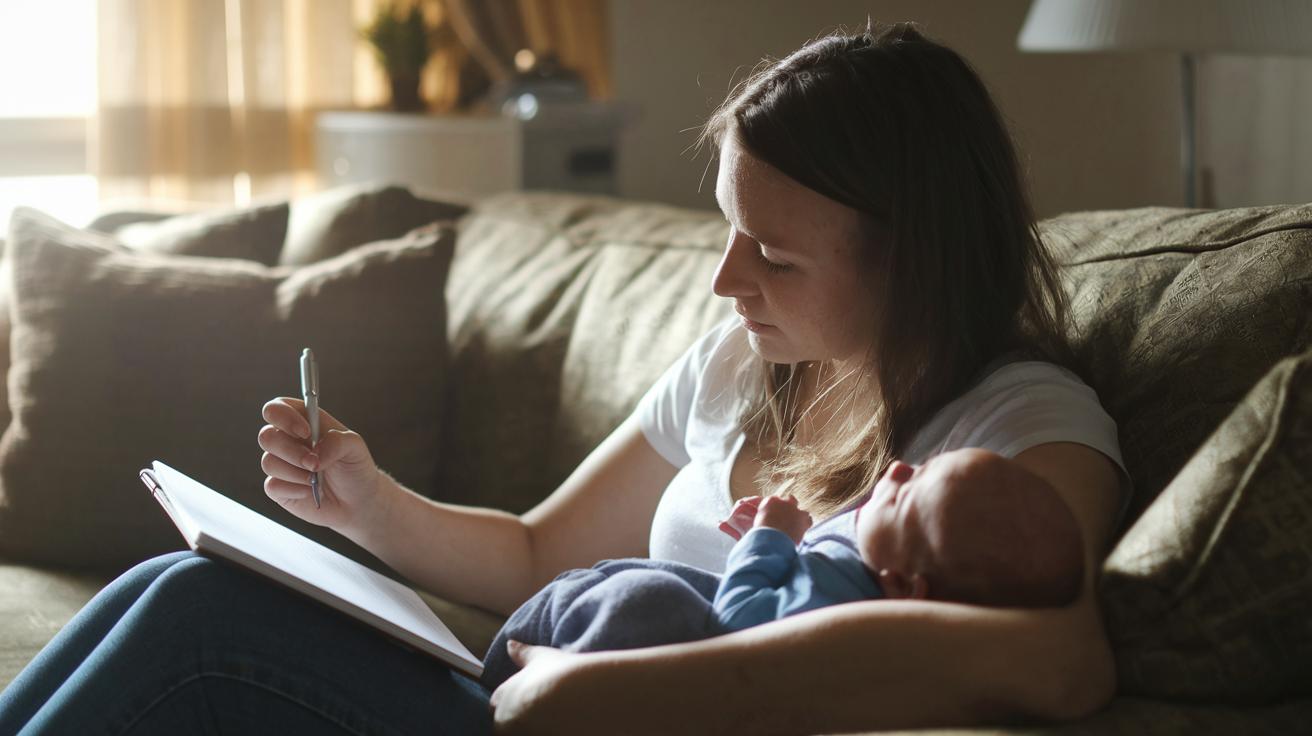
After giving birth, sometimes it feels like your emotions are just too heavy. That’s when sitting down with a kind expert can truly make a difference. With methods like support counseling, CBT, and IPT, you get a warm space to share your feelings and discover simple ways to handle daily stresses. Imagine having someone there who listens patiently and helps you see new ways to lighten your load.
For moms facing tougher challenges, extra support might be needed. In those rare cases, your treatment might include medicine or even therapies like ECT, all under the careful care of experienced professionals who put your well-being first. Getting help early on can lead to a quicker recovery and even help prevent setbacks down the road.
Finding the right care might seem overwhelming, but it’s easier than you think. Local services like Waypoint Counseling & Maternal Wellness PLLC are there to guide you through booking appointments and setting up a plan that fits your needs perfectly. Picture a fresh start with a therapy plan crafted just for you, one that helps you feel joyful, resilient, and ready to embrace life again.
Peer Support Networks and Postnatal Community Forums

When you’re just starting out as a new mom, it really helps to connect with people who truly understand how you feel. Peer support networks offer a warm and friendly space to share your stories and ease that feeling of being alone. With a toll-free line available in both English and Spanish, help is just a phone call away.
Local support groups and classes are there for those days when you need to talk through your feelings. It’s like having a caring friend right around the corner, ready to listen whenever you need to chat.
Online forums also provide a safe and welcoming spot to connect with other parents any time of day. These moderated boards let you ask questions, share your ups and downs, and learn from others who have walked a similar path. Plus, peer mentor programs pair you with someone who’s been there, offering down-to-earth advice and understanding.
All of these options are all about sharing, understanding, and cheering each other on through the postpartum journey.
- 24/7 helpline access
- Peer mentor matching
- Local in-person support groups
- Bilingual group sessions
- Online moderated discussion forums
- Postpartum planning and wellness classes
Self-Care Strategies for Maternal Well-Being After Birth

It can really help when you set up small daily habits that care for both your body and your mind. Try building a steady sleep routine to ease those tired moments that might bring your mood down. For instance, create a peaceful bedtime ritual, soft lights, gentle music, and a warm drink, to make falling asleep a bit easier, even when your baby wakes up during the night.
Taking a few minutes after your baby’s nap for a short mindfulness break, like deep breathing or a bit of meditation, can clear your thoughts and melt away stress. Imagine sitting quietly, taking slow, calming breaths, and feeling a wave of relief wash over you.
Don’t forget about balanced food and light exercise, which are also great for self-care. A healthy, nourishing meal can refill your energy, while a brief walk or a touch of gentle postpartum yoga helps keep your body feeling strong and balanced. It’s like tending to a little garden, those small, daily acts of care help it blossom beautifully over time.
Postpartum Resource Information and Community Health Services

Imagine having a handy list that shows you where to find caring therapists, psychiatrists, and even nurse-led recovery sessions nearby. It’s like browsing through a trusted directory where every professional has clear contact details and specialties, making it simple to schedule the right support when you need it most.
Your local maternal wellness center is another wonderful friend during recovery. These centers blend expert advice with hands-on help. They offer training sessions and downloadable handouts packed with practical tips for managing the emotional ups and downs. For example, you can check out the Maternal Wellness Center here: Maternal Wellness Center. It feels like a community hub ready to support you now and set you up for better days ahead.
There’s also the upcoming 38th Annual PSI Conference scheduled for July 9–13, 2025. This event gathers the latest research and ideas in perinatal mental health support. Early-bird registration is open until April 11, 2025, making it a great affordable chance to join sessions that could spark fresh, inspiring ideas for your recovery journey.
Finding these local resources and educational events can really change the way you feel, turning overwhelming challenges into clear, guided steps toward lasting emotional strength.
Final Words
In the action from immediate crisis resources to community forums, this article walked you through options for postnatal mental health support. It covered signs of postnatal depression, screening tools, and professional guidance, along with practical self-care and peer support tips. The detailed overview of therapy services and resource centers guides you to find help fast. Every resource mentioned aims to boost well-being and confidence. Keep moving forward, embracing each small step with strength and care.
FAQ
What support is available for postnatal depression and how can I help postpartum mental health?
The support available for postnatal depression and helping postpartum mental health includes phone or text services like PSI Helpline, professional therapy, peer support groups, and self-care strategies designed to lift your spirits and energy.
How long does postnatal depression (PND) last?
The length of postnatal depression varies from a few weeks to several months, with many women improving as they receive care and use self-care practices to regain balance.
Why am I struggling mentally after having a baby?
The struggle you feel after having a baby may be linked to postnatal mood changes. Shifts in hormones, sleep disruptions, and new responsibilities can affect your mood, so seeking support can help you feel better.