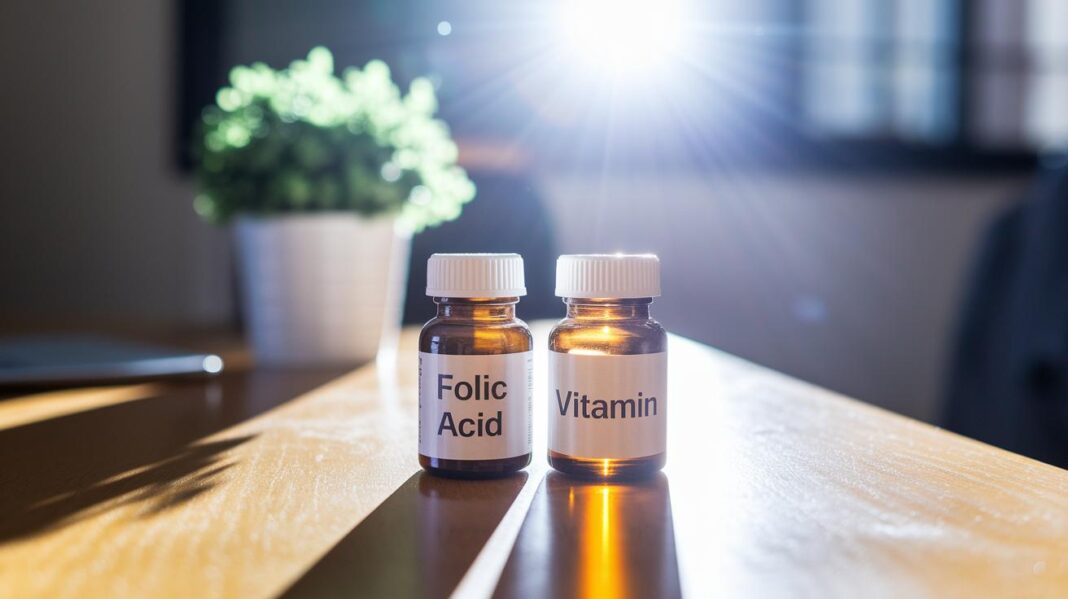
Ever wonder if folic acid is a vitamin or a mineral? Folic acid is the man-made form of vitamin B9 that quietly supports your body by helping build DNA and produce red blood cells.
Imagine a crisp salad bursting with natural folate compared to a bowl of cereal with added folic acid. Both add nutrients, but they come from different sources and work in their own ways.
Today, let’s explore the science behind these choices. I’ll show you why folic acid truly fits into the vitamin family. Have you ever noticed how a small detail can change everything?
Folic Acid Classification: Why It’s a Vitamin, Not a Mineral
Folic acid is the man-made version of vitamin B9 (that’s a special nutrient for making new cells) used in supplements and added to foods. Meanwhile, folate is the natural form you get from leafy greens and beans. Vitamins are organic, meaning they come from living things and help power our body’s processes, while minerals like iron or calcium are basic elements that help build and support our bodies. Think about enjoying a fresh salad full of natural folate versus a fortified cereal that gives folic acid. This little example shows that folic acid fits in the vitamin family.
At its core, folic acid works in the body by helping with important tasks like making DNA and red blood cells, imagine it as a key team player in your body’s inner work. Minerals, however, act more like simple building blocks or electricity providers (keeping your body running smoothly). This clear difference between how they work and what they’re made of is why folic acid is grouped as a vitamin, not a mineral.
Vitamins vs Minerals: Breaking Down the Differences
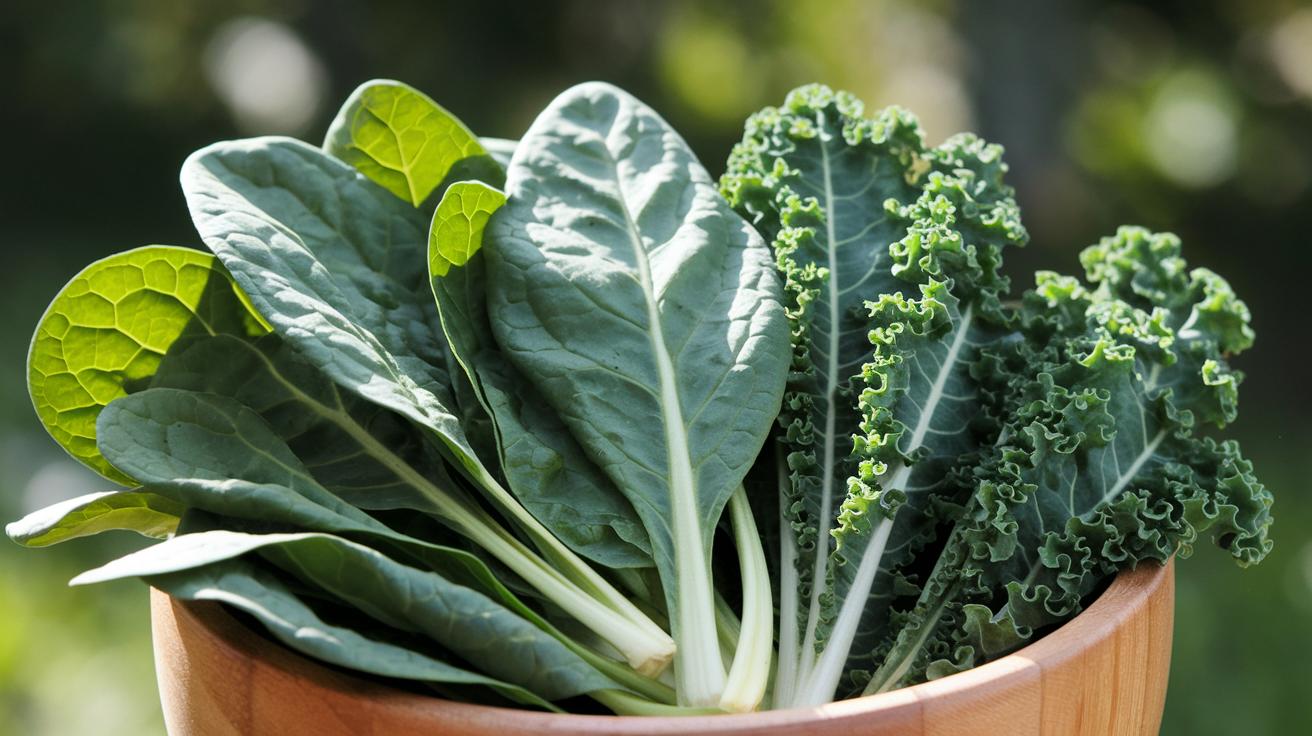
Vitamins are natural compounds made by living things. They work in our bodies to help enzymes, turn food into energy, and guide cell growth. Minerals, however, are elements found in nature that build strong bones, keep the right fluid balance, and support our muscles.
Vitamin molecules have special, complex shapes that let them join in many chemical reactions. For instance, vitamin B9 (folate) is important for making DNA and helping cells divide. Minerals act as charged particles that help control fluids and are parts of key enzymes, but they don’t directly turn food into energy.
Recent studies show that folate is really important when cells are growing fast. One study even found that extra folic acid can boost DNA-building in prenatal (care during pregnancy) cells. In other words, folate works like that little spark that sets off essential reactions in our cells, while minerals mainly help keep our body’s structures strong.
Folic Acid vs Folate: Understanding Forms of Vitamin B9
Folate and folic acid are two sides of the vitamin B9 coin. Folate comes naturally from foods like leafy greens, beans, and liver, and it plays a key role in building DNA and forming red blood cells. Folic acid, on the other hand, is a man-made, stable version that you’ll find in supplements and fortified foods. Both need to be converted in the body into an active form (5-methyl-THF) to do their best work. Sometimes when you take in a lot of folic acid, your body can get a bit overwhelmed, leaving some extra unmetabolized in your blood. That’s why experts often say it’s best to get your vitamin B9 from whole foods.
Natural Folate
Natural folate is a mix of all the different forms of B9 that come with helpful enzymes and co-factors. Think about a crisp salad with fresh spinach, kale, or even lentils – it not only tastes great but also gives you folate straight from nature. It’s like nature’s perfectly wrapped gift that your body can easily use.
Synthetic Folic Acid
Synthetic folic acid is the lab-made version found in fortified cereals, bread, and many supplements. Its stability makes it a favorite choice for adding to foods to fill in any nutritional gaps. But remember, even though it helps boost your vitamin B9 levels, your body still has to convert it into the active form (5-methyl-THF) before it can really help out. And if you consume too much, some of it might just sit around in your system, which is why it’s good to balance your sources.
Health Benefits of Vitamin B9 (Folic Acid) in the Body
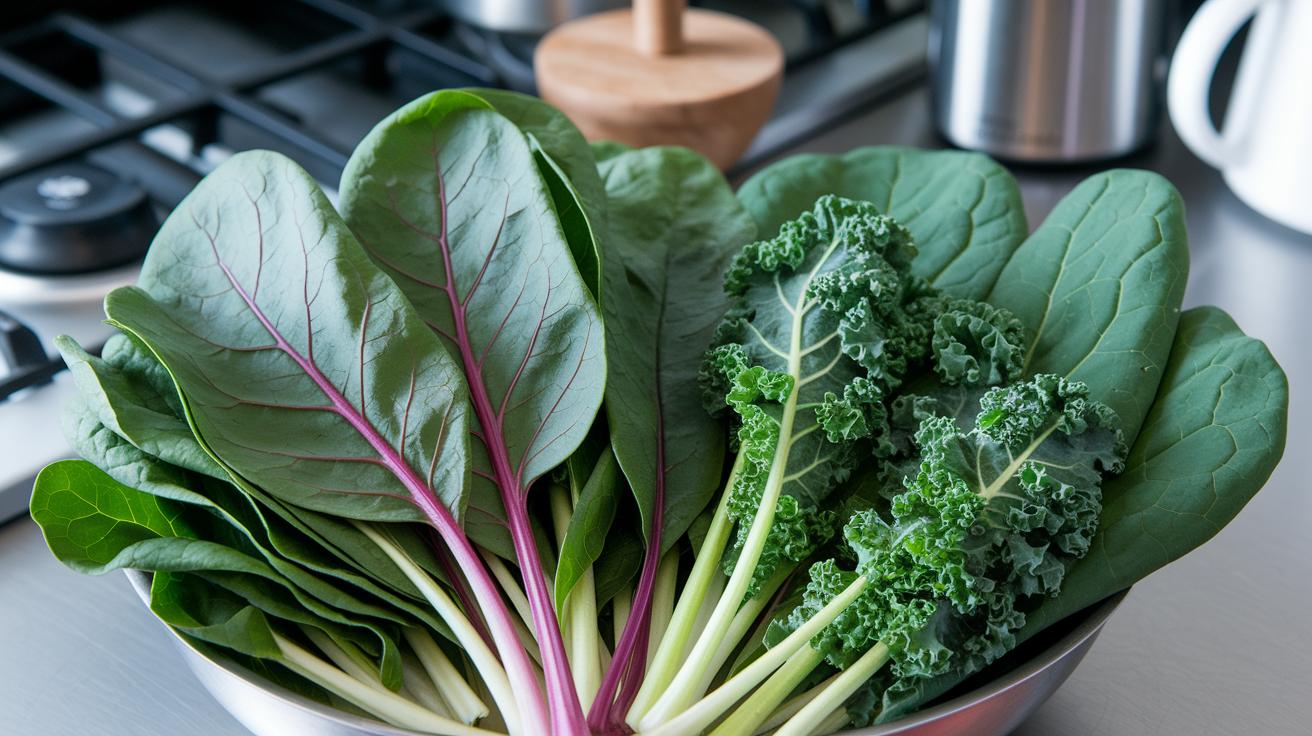
Vitamin B9, or folic acid, is a special nutrient that helps our bodies build and repair DNA while making sure that new cells divide the right way. It’s a bit like having a behind-the-scenes editor that keeps everything in order, so our cells can work just as they should.
Doctors say that vitamin B9 is really important when it comes to making strong red blood cells. It helps stop a condition where blood cells become too big and fragile. Folic acid is especially helpful during early pregnancy because it can lower the risk of certain birth defects, kind of like double-checking your safety belt before a big climb. Plus, having enough B9 can help keep your heart in good shape, reducing the risk of stroke by keeping certain markers, like homocysteine, at healthy levels.
On top of that, vitamin B9 plays a big role in overall wellness. It supports the immune system and even lends a hand to hair, skin, and nails, keeping them healthy and strong. Without enough B9, our bodies might struggle to keep up with everyday challenges, which is why making sure we have a steady supply is so important.
Food Sources and Fortification Practices for Folic Acid
Leafy greens like spinach and kale, plus beans like lentils and chickpeas, are among the top sources of vitamin B9 in nature. Even organ meats, such as liver, pack a good dose of natural folate. When you cook these foods, try gentle methods like steaming or microwaving instead of boiling. Boiling can wash away as much as half of the folate, so imagine tossing together a fresh, lightly steamed salad to keep all those healthy nutrients intact, a tiny change that really pays off.
Many countries now add folic acid (a man-made form of vitamin B9) to everyday items like flour, bread, and breakfast cereals. This extra boost can help lower the risk of certain birth defects, especially for moms who need extra vitamins during early pregnancy. Mixing natural folate sources with fortified foods is a smart way to make sure you’re getting enough vitamin B9 while still enjoying a variety of flavors and textures.
Recommended Intake Levels and Safe Consumption of Folic Acid

When we talk about getting enough vitamin B9, we compare natural folate and synthetic folic acid using something called Dietary Folate Equivalents (DFE). This helps us see how our bodies use the vitamin from food compared to supplements. Also, there’s a safe limit for synthetic folic acid, which is set at 1000 mcg each day. This limit is important because it helps prevent problems, like hiding a vitamin B12 deficiency, that might mess with your body’s balance.
| Life Stage | RDA (mcg DFE) | UL (mcg folic acid) |
|---|---|---|
| Adults 19+ | 400 | 1000 |
| Pregnant Women | 600 | 1000 |
| Lactating Women | 500 | 1000 |
Sometimes, how well our bodies absorb folate can be affected by things like MTHFR variations or overall gut health. So, if you’re taking folic acid supplements, it might be a good idea to get your nutritional status checked by a health expert. This way, you can be sure you’re staying within safe levels and giving your body just what it needs without any extra folic acid hanging around. Remember, following expert advice helps keep you on a safe path to feeling your best.
Final Words
In the action, we broke down how folic acid, a key part of vitamin B9, works in our bodies. We explored its role in DNA building and blood health while comparing vitamins with minerals.
We also looked at ways to get enough folate from food and supplements. When you ask, "folic acid a mineral or vitamin," the answer stands clear as a vitamin. Embrace this understanding and let it guide you in taking care of yourself and your family.
FAQ
Is folic acid bad for you?
Folic acid is safe for most if taken as recommended. It supports cell growth and prevents deficiencies. Always check with your healthcare provider for advice specific to your needs.
What is folic acid?
Folic acid is the synthetic form of vitamin B9 used in supplements and fortified foods to support DNA synthesis and red blood cell development, helping maintain overall cell function.
How does folic acid benefit women?
Folic acid benefits women by reducing the risk of birth defects during pregnancy, supporting healthy cell growth, and aiding in red blood cell production for overall reproductive health.
What foods provide folic acid?
Folic acid foods include fortified cereal, bread, and pasta, while natural folate from leafy greens, beans, and liver also supports proper cell growth and overall well-being.
Why are folic acid tablets used during pregnancy?
Folic acid tablets for pregnancy offer a convenient way to supply vitamin B9, helping lower the risk of neural tube defects, aiding cell division, and promoting healthy fetal development.
Are there foods to avoid when taking folic acid?
There aren’t specific foods to avoid when taking folic acid. However, if you experience any unusual interactions, consult your provider for personalized advice.
Is folic acid man-made?
Folic acid is man-made, meaning it is a synthetic version of natural folate created for use in supplements and food fortification to help maintain vitamin B9 levels.
What folic acid foods support pregnancy?
Folic acid foods for pregnancy include both fortified products and natural folate-rich sources like leafy greens and legumes, which help support fetal development and reduce birth defect risks.
Is folic acid a mineral or a vitamin?
Folic acid is a vitamin, not a mineral. Its organic, carbon-based structure and role in coenzyme processes clearly classify it as vitamin B9.
Can folic acid tablets cause heartburn?
Folic acid tablets can cause heartburn in some cases by irritating the stomach lining. If you experience discomfort, consider discussing supplement alternatives with your provider.
Is folic acid good for toddlers?
Folic acid is beneficial for toddlers when included in a balanced diet, as it supports healthy cell growth and helps prevent deficiencies. Consult a pediatrician for proper dosing guidelines.
Is it better to take B12 or folic acid?
Taking B12 or folic acid depends on your nutritional needs. They work together to support blood cell formation and nervous system health, so professional advice is key to choosing the right supplement.