Have you ever wondered about how your body looks after having a baby? It’s normal to feel a bit unsure when you notice changes. In these moments, a little support can help you see your body in a kinder light.
Many moms say that talking to a therapist, joining a workshop, or spending time with a close group of friends makes a big difference. They find that sharing their experiences helps them learn to appreciate each new curve and mark as a sign of strength.
In this post, we’ll share some straightforward ways to celebrate your body during this time. Every line and shape tells the story of your courage and resilience. Isn’t it amazing how a little nurturing support can open up a space for true self-love?
Top Postpartum Body Image Support Options
When you become a new mom, it's normal to have mixed feelings about the changes in your body after giving birth. Postpartum body image isn’t just about how you look, it’s about how you feel as you adjust to a new chapter in life. Remember, your value goes far beyond just shape or size. This support area is here to help you embrace your body with kindness and acceptance, even when things change.
Here are some support options you might consider:
- Therapy sessions
- Workshops
- Resilience programs
- Peer groups
- Online forums
- Direct-billing services
When you’re ready to choose the help that feels right for you, start by thinking about your own comfort and the kind of environment that makes you feel safe. If you’d like professional guidance to help you talk through your feelings, therapy or a program like Lexie’s Body Image Resilience Program might be a great fit. And if you enjoy sharing your experiences with others who understand, joining a peer group or online forum can offer a warm, nonjudgmental space.
Workshops are also a wonderful choice. They offer clear, step-by-step advice on self-care and let you learn in a fun, interactive setting. Plus, if you prefer not to worry about billing details, some places, like the direct-billing option by Momwell in Canada, make it easier to focus on your well-being.
Take your time to explore what works best for you. When you choose support that matches your needs, you build a caring network that nurtures self-love and helps you see your postpartum body in a gentle, uplifting way.
Recognizing Postpartum Body Image Changes: Understanding Your Body After Birth

Becoming a mom means your body goes through a gentle evolution, a journey called matrescence. Throughout this time, you might notice things like stretch marks, shifts in weight, changes in breast size, feelings of tiredness, hair shedding, and new skin textures. These are all natural parts of your new chapter as a mom, and getting to know them can help you feel more comfortable and cared for.
| Change | When It Usually Happens | Tip for Coping |
|---|---|---|
| Stretch marks | Shortly after birth | Keep your skin moisturized and see them as marks of growth |
| Weight changes | During the first few months | Focus on small, steady steps toward health |
| Breast changes | Right away and while breastfeeding | Wear supportive, well-fitting bras |
| Fatigue | Immediately after delivery | Make rest a top priority and simplify your tasks |
| Hair loss | A few months after birth | Treat your hair gently and experiment with new styles |
Remember, each change is a sign of your body’s strength. Seeing these transformations as steps in your incredible journey can help you embrace your new identity with warmth and kindness.
Building Postnatal Body Positivity Through Compassionate Practices
When you speak gently to yourself, it helps lessen those negative comparisons and unrealistic ideas about beauty. Try saying something like, "My body did something amazing." It’s a simple way to quiet that harsh inner critic and to remind you of every small miracle your body has achieved.
Also, think about taking a little break from social media. It often makes us feel rushed to recover perfectly after having a baby. By stepping back, you give yourself the space to heal slowly and truly. In truth, your worth isn’t about how you look but about the love and care you share with yourself and your baby.
Try focusing on the little things your body does every day. Every stretch, every smile, and every step you take is proof of the wonderful journey of motherhood. Celebrating these moments can fill your heart with self-love and remind you that your true strength is in nurturing life.
Integrating Gentle Exercise and Nutrition into Postpartum Body Image Support
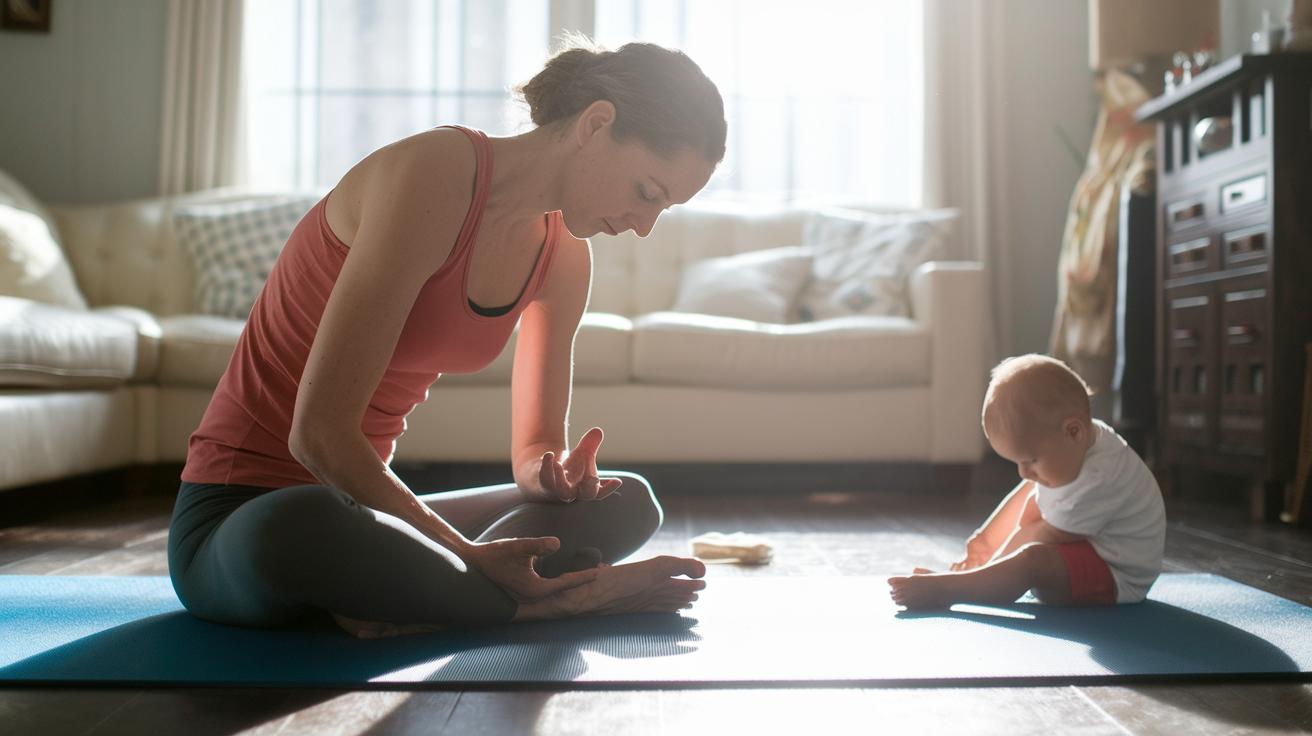
Gentle movement can be a wonderful way to care for yourself after having a baby. Taking calm walks or doing simple pelvic floor exercises (you can find more details here: https://womensconference.org?p=11614) helps you shift your focus from the pressure of getting back to your old weight to celebrating what your body can now do. It’s a lovely reminder that your strength isn’t just about looks, it’s in every step you take with your little one or every stretch that reconnects you with your body.
Balanced nutrition also plays a big part in nurturing a positive body image. Eating the right foods has an amazing way of giving you the energy you need for self-care and breastfeeding, all while gently pushing back against quick-fix recovery ideas. A well-rounded eating plan (check out more details here: https://womensconference.org?p=11571) lets you enjoy meals that make you feel cared for. Imagine preparing a colorful, nourishing dish that not only fills you with energy but also feels like a little celebration of the nurturing care you give yourself every day.
Leveraging Professional and Community Networks for Postpartum Body Image Support
There are many ways to get support right when you need it. For instance, programs like Momwell’s offer friendly workshops, webinars, and group therapy sessions with no delays in billing. In one of their sessions, experts explain that the changes your body goes through after having a baby are completely natural.
Local meet-ups and online groups run by peers give you a real space to share your daily struggles and little wins. Imagine a late-night chat where talking about feeling overwhelmed turns into a sincere reminder that you’re not alone.
In the end, it all comes down to what feels best for you. Maybe you need professional guidance for emotional healing, or perhaps an intimate community session filled with shared moments of care is more comforting.
Sustaining Mental Health for Lasting Postpartum Body Image Support

Resilience is all about caring for yourself through all the changes. It starts when you remind yourself that your body did something amazing. Every mark and curve tells the beautiful story of becoming a mom. Have you ever felt relief by saying, "My body was strong enough for this change"?
When those tough, negative thoughts show up, take a moment to pause and breathe slowly. Remember a time when just a few deep breaths helped clear your mind during a hectic day? That simple pause can really help you feel more centered.
If those thoughts stick around and start to affect your daily life, it might really help to chat with someone who truly understands postpartum changes. A caring professional can offer practical advice and kind strategies to guide you toward feeling balanced and supported.
Inspirational Postpartum Body Image Support Stories
H3 – Lexie’s Resilience Journey
Lexie began her Body Image Resilience Program on Feb 21, 2025, after feeling weighed down by endless comparisons in the media for far too long. I remember her sharing that one hurtful comment made her doubt her worth. So, she decided to focus on all the wonderful things her body can do, bringing new life into this world is no small feat! She now sees every change as a sign of strength rather than a flaw, and one of her go-to reminders is, "My body is strong and capable." It’s a little phrase that helped her shift from chasing impossible standards to celebrating the small victories every day.
H3 – Community Member Spotlight
Another mom from the group opened up about how joining a local support group turned her outlook around. For many years, she battled with negative thoughts about her stretch marks and changing weight. Through heartfelt chats with other moms, she discovered that many of them felt the same way. In their warm and judgment-free space, sharing both struggles and wins helped her feel less alone and more understood. This close-knit group taught her that every mark and change was not a mistake but a badge of her amazing strength as a mother. It’s a gentle reminder that when moms come together, worries about body image can turn into sparks of self-love and genuine pride in all the incredible things our bodies can do.
Final Words
In the action, this article explored how you can care for your body after birth by looking at therapy, gentle exercise, balanced nutrition, and community support. We shared real stories and practical tips to help you embrace every change. The insights focused on self-compassion and practical steps that remind you that your worth is not just physical. With dedicated postpartum body image support and a caring network, every step forward builds confidence and nurtures well-being. Keep taking those small steps toward a brighter, healthier you!
FAQ
Q: What is the 5 5 5 rule for postpartum?
A: The 5 5 5 rule for postpartum means taking five minutes to breathe and center yourself, noting five positive thoughts about your body, and reaching out to five supportive connections to encourage self-care.
Q: How to deal with body image issues postpartum?
A: Dealing with postpartum body image issues involves recognizing your feelings, embracing self-compassion, and seeking support from caring professionals or community groups to help you see the beauty in your body’s changes.
Q: How to support postpartum body?
A: Supporting your postpartum body includes gentle exercise, balanced nutrition, and mindful self-care. Focusing on your body’s functionality and connecting with expert advice can help you feel stronger and more confident.
Q: What postpartum symptoms should not be ignored?
A: Postpartum symptoms that should not be ignored include persistent sadness, severe physical pain, or signs of infection. Listening to your body and consulting a healthcare professional when unusual changes occur is key to your well-being.