
Have you ever wondered if you’re not quite the same person you used to be? Many moms feel this way after their baby arrives. Research shows that more than 60% of moms experience changes in their identity. In the days following childbirth, it’s common to miss the parts of yourself you once knew, which can lead to feelings of uncertainty and sadness.
We’re here to chat about how to handle these changes with care and kindness. This conversation is about finding gentle ways to honor both the person you were and the new you emerging. Let’s explore simple steps that help reconnect you with your past while growing into your new role as a loving mom.
Recognizing Postpartum Identity Changes
After giving birth, many moms notice that parts of their old selves seem to miss from their lives. This feeling, often called postpartum identity grief, is really a deep sense of loss for who they used to be before their baby arrived. A study from 2023 found that 62% of new moms go through this kind of grief. It’s not about the baby’s health at all, it’s just that the changes in identity can make a mom feel lost or even like she doesn’t recognize herself in her new role.
Sometimes, these changes show up as unexpected, deep sadness that isn’t about the baby at all. Other times, a mom might start pulling away from friends and family. There might even be moments of self-doubt when she questions if she can care for her child the way she used to imagine. Then there’s that feeling of guilt, like she’s not fully enjoying life because what she’s expected to be hides her true self. And occasionally, there’s a general sense of confusion about where her personality ends and motherhood begins.
Here are five ways these feelings might appear:
| Common Feeling | Description |
|---|---|
| Deep sadness | A heavy sorrow that seems to come out of nowhere |
| Social Withdrawal | Pulling away from friends and family |
| Self-Doubt | Questioning one’s ability to care for her child |
| Guilt | Feeling bad for not always being joyful or for missing parts of the old life |
| Disorientation | A sense of being lost between who she was and who she is now |
Sometimes a mom might say, "I miss the days when I could make spontaneous plans with friends without worrying about a packed schedule." These honest reflections show just how much change and emotion there is when stepping into the new world of motherhood.
Factors Influencing Postpartum Identity Shifts
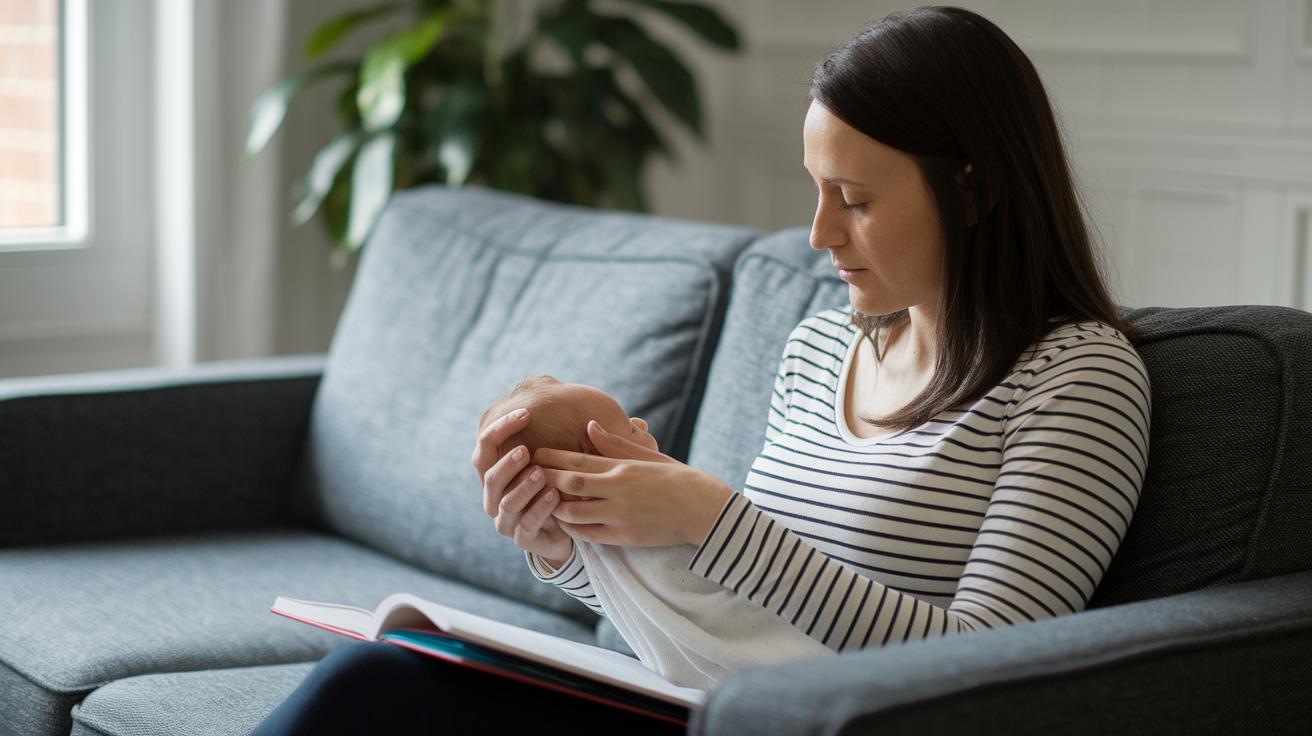
Many new moms notice that they feel different after having a baby. Sometimes, it’s not just about the baby, it’s about the pressure from both inside and outside. Society often tells moms they need to be endlessly happy, caring, and selfless. When life doesn’t match up with that picture-perfect idea, many moms start doubting themselves.
At the same time, natural changes in hormones like estrogen and progesterone can make moods swing unexpectedly. These shifts can leave moms feeling a little off balance and even more sensitive than usual.
Then there are the everyday changes, losing sleep, getting used to a whole new routine, and handling the non-stop needs of a newborn can really shake up a mom’s world. With so little time left for self-care, it’s easy to feel isolated or not good enough. Over time, all these worries, from high expectations to emotional ups and downs and big lifestyle changes, can slowly reshape how a mom sees herself in this new chapter of her life.
Strategies for Rediscovering Personal Identity Postpartum
Try to set aside just five minutes each day for something that fills you up. It might be reading your favorite book, taking a short walk, or jotting down a quick note in your journal. I once found that even five quiet minutes, like sipping a warm cup of tea on a chilly morning, helped me reconnect with the person I remember.
Consider taking a moment to write about what you miss from before your baby arrived. Write down the little things, like the freedom to take spontaneous calls or dive into your favorite hobbies without worrying about time. Naming those feelings, even if they come with a bit of sadness or guilt, can show you how much you've grown. Have you ever asked yourself, "What used to make me happy?" Comparing the past with your current reality can help make sense of these big changes.
You might also think about joining a local or online community for postpartum support. Connecting with other moms can feel like a comforting chat with a friend, where you share experiences and learn from one another. Sometimes, spending time on a fun art project or simply having a heartfelt conversation reminds you that healing and self-recovery after childbirth take time and care.
Remember, taking these small steps is a gentle way to rediscover who you are. Enjoy these moments of self-care and know that nurturing your new self can go hand in hand with your role as a mom.
Psychological Support to Strengthen Postpartum Identity
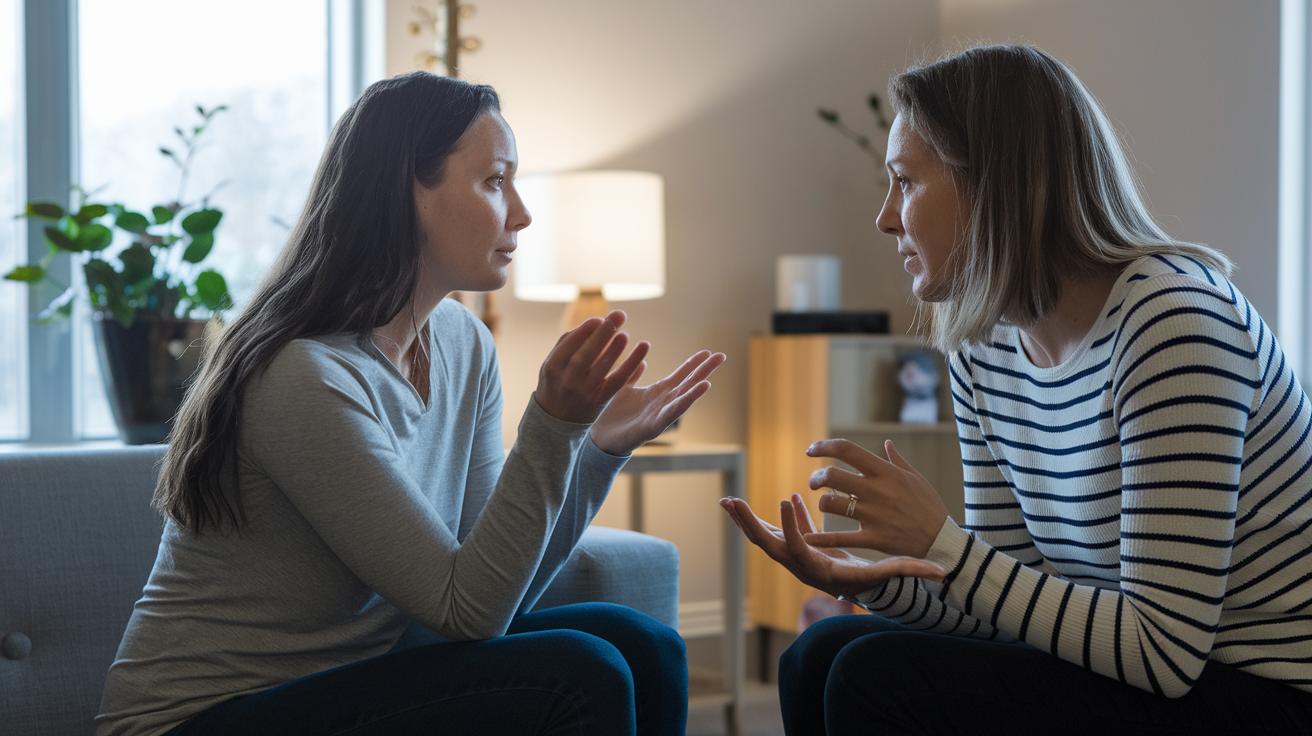
Talk therapy can be a gentle way to help you sort through the mix of feelings that come with being a new mom. Whether you choose cognitive behavioral therapy (CBT) or counseling made just for the postpartum period, these sessions offer a safe space to explore feelings like guilt, self-doubt, or the worry that you’ve lost a part of who you once were. I once heard a mom say, "I finally felt heard, and each session brought a spark of hope even on my darkest days."
Having someone to talk to really helps break down overwhelming emotions and slowly reshape how you see yourself. A caring expert with over 25 years of experience in postpartum mental health has seen that regular talk therapy can ease depression and anxiety, boost your confidence, and even help you connect with other moms. Soon, you might start feeling more balanced and secure as you share your experiences in both one-on-one sessions and small group talks.
If you’re thinking about getting some help, why not try therapy for postpartum emotional support? Often, these conversations begin with small steps that gradually build momentum, guiding you toward rediscovering your true self. It’s a bit like planting tiny seeds in a garden, you might not see the change right away, but over time they turn into a stronger, more authentic version of you.
Every session reminds you that small, steady progress can build a stronger self. Over time, this gentle, professional support creates a safe space for healing, helping you grow into a more confident, balanced, and genuine version of yourself as a mom.
Navigating Postpartum Identity Changes Embrace Growth
Getting back into work or fun projects, even just part-time, can remind you of who you really are. Taking on a part-time job, freelance work, or helping out in the community can show you that there's life beyond being a mom. A friend once shared, "Working a few days each week made me feel like myself again, not just a mom."
Setting small, easy goals is a kind way to rebuild your sense of self. It might be as simple as joining a weekly class, catching up with friends online, or setting aside a quiet morning just for you. Have you ever felt that little burst of joy when a small win brightens your whole day? It’s like trying out a new art project or enjoying a brisk walk that clears your mind.
Finding balance between mom duties and personal interests may mean getting creative with your day. The table below shows four simple activities that can help you feel both confident as an individual and connected as a mom:
| Activity | Benefit |
|---|---|
| Part-time work or freelance | Renewed sense of purpose with a routine outside of motherhood |
| Volunteer or community roles | Social connection and a broader identity beyond being a mom |
| Creative hobbies (art, writing) | A way to express yourself and relieve stress |
| Social meet-ups (friends, support groups) | Emotional support and a break from isolation |
Let these little steps guide you back to the person you love, one day at a time.
Embracing Personal Growth and Empowerment in Maternal Identity Transformation

Motherhood can change how we see ourselves in the most heartfelt ways. Many moms find that taking time to jot down thoughts in a journal or enjoy a quiet walk helps bring hidden feelings to light. One mom shared that when she began writing her thoughts every night, she slowly started healing old hurts while uncovering new strengths.
Mixing old passions with new, mindful practices can help reshape your view of who you are. For instance:
- Writing a brief note about a tough day can reveal surprises about your inner strength. After a long day, you might sit quietly and notice that your worries are gently turning into moments of gratitude.
- Spending a few minutes in quiet meditation can help you see parts of yourself you hadn’t noticed before. Just close your eyes, let your thoughts flow, and you may discover a calm that feels both refreshing and reassuring.
In the end, blending cherished past interests with new experiences can help you build a balanced and resilient sense of self.
Final Words
In the action, this article explored how emotional shifts and identity shifts play out after childbirth and shared real-life strategies to reconnect with one’s inner self. It highlighted how factors like hormonal changes and societal pressures can change feelings, while practical self‐care and professional support help in rebuilding a positive self-image.
The insights encourage a gentle, patient approach to navigating postpartum identity changes, reminding us that taking small steps can lead to a confident, empowered new you.
FAQ
What is postpartum identity crisis?
The postpartum identity crisis means new moms may struggle with a sense of loss as they adjust to motherhood. It involves feeling disconnected from their pre-baby self while navigating new roles and expectations.
Why do I feel like my life is over after having a baby and not myself?
Feeling like your life is over signals a common emotional shift as you adjust to motherhood. Hormonal changes, new routines, and unmet expectations can contribute to feeling lost and not like yourself.
How does the transition into motherhood affect a woman’s sense of identity?
The transition into motherhood means blending past self with new responsibilities. Rapid lifestyle changes and societal pressures can leave moms feeling unrecognizable, as they balance personal needs with caring for their baby.
What is the 5 5 5 rule postpartum?
The 5 5 5 rule postpartum suggests setting aside five minutes for self-care, five days a week, or engaging in five small activities that reconnect you with your pre-baby interests and personal identity.
What are the hardest months postpartum?
The hardest months postpartum often include the early weeks when physical recovery and emotional adjustments are most challenging. This period can feel overwhelming as you adapt to the new rhythms of motherhood.