Have you ever wondered if your body is healing well after childbirth? So many moms feel overwhelmed and aren’t sure how to bounce back. Think of those first few days like when you let dough rest before it rises, giving yourself time really helps.
In this article, we answer common questions about healing after childbirth (the time your body recovers after giving birth) and share easy, step-by-step tips for your recovery. We're here to offer caring advice so you feel strong and supported as your body heals.
Quick Answers to Your Postpartum Healing FAQs
After giving birth, your body usually needs around six weeks to heal. In the first one to three days, it’s really important to take things slowly because your body is working hard to lower high cortisol levels (stress hormones) to repair tissues. Think of these early days like letting a ball of dough rest so it can rise just right later.
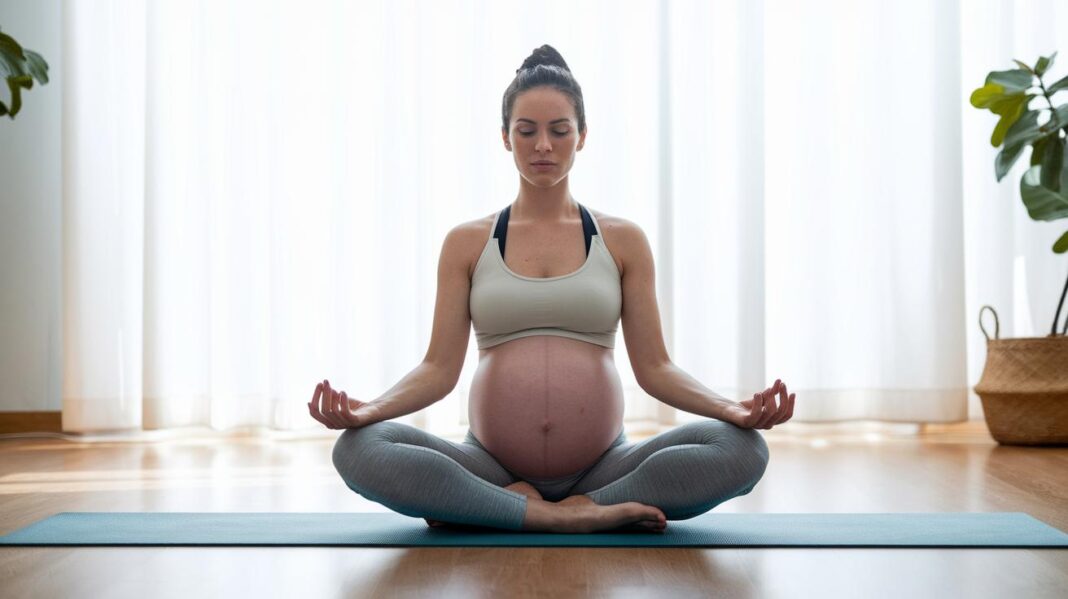
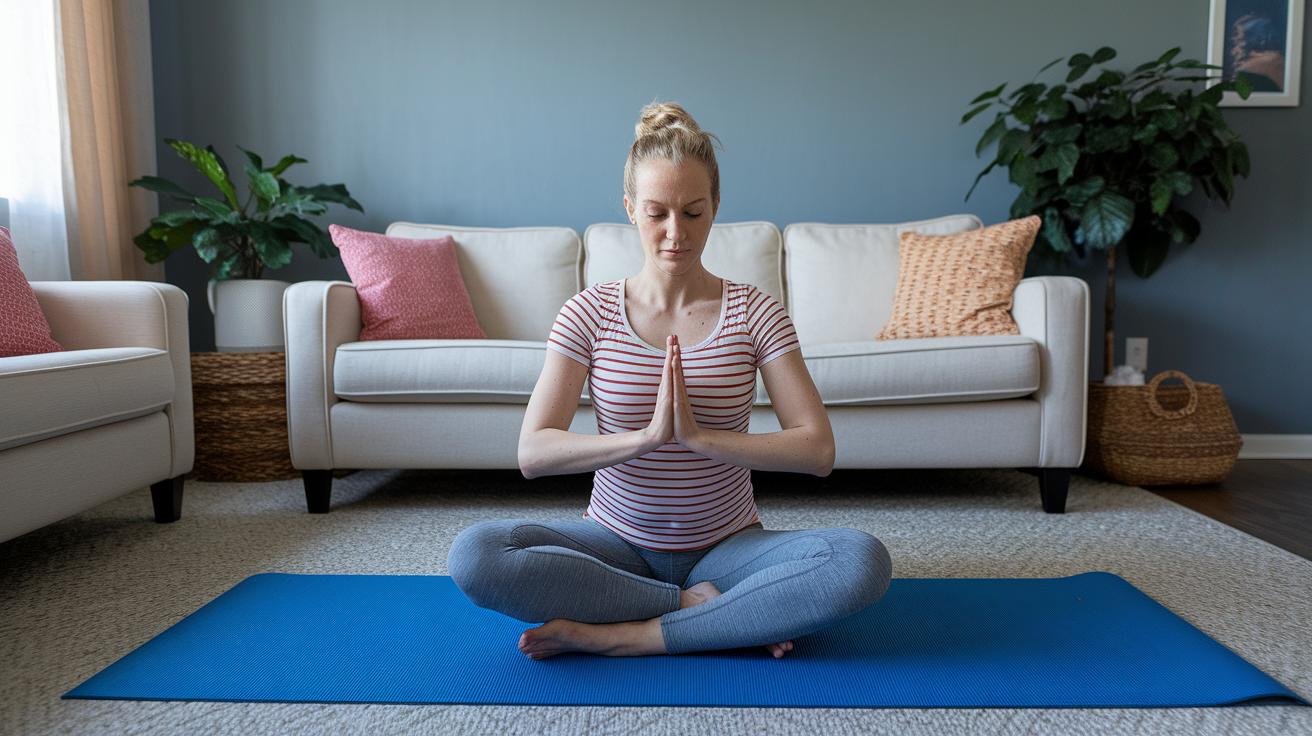
During the first week, you might begin with gentle Kegels using roughly 20% of your strength to help kickstart recovery for your pelvic floor. Then, in weeks two and three, you can try really light exercises, maybe a calming postnatal yoga session, to improve your circulation gently. As you move into weeks four to five and if your stitches or incision are healing well, consider increasing your pelvic exercises to about 70%–80% strength. For instance, you could do two sets of ten gentle repetitions twice a day with a one-minute break between sets. By week six, it’s a great idea to see your midwife or doctor so they can check on your uterus (the womb) and overall recovery. Picture your body like a garden slowly blooming over six weeks; every stage helps bring you closer to complete healing.
Post-birth bleeding, known as lochia, is normal for up to six weeks. However, if you’re finding that you need to change your pad every one to two hours or you see large clots, it might be time to call your provider. Imagine it like a timer that keeps ringing, when it does, it’s a good signal to get some extra care.
Timeline of Postpartum Healing and Recovery
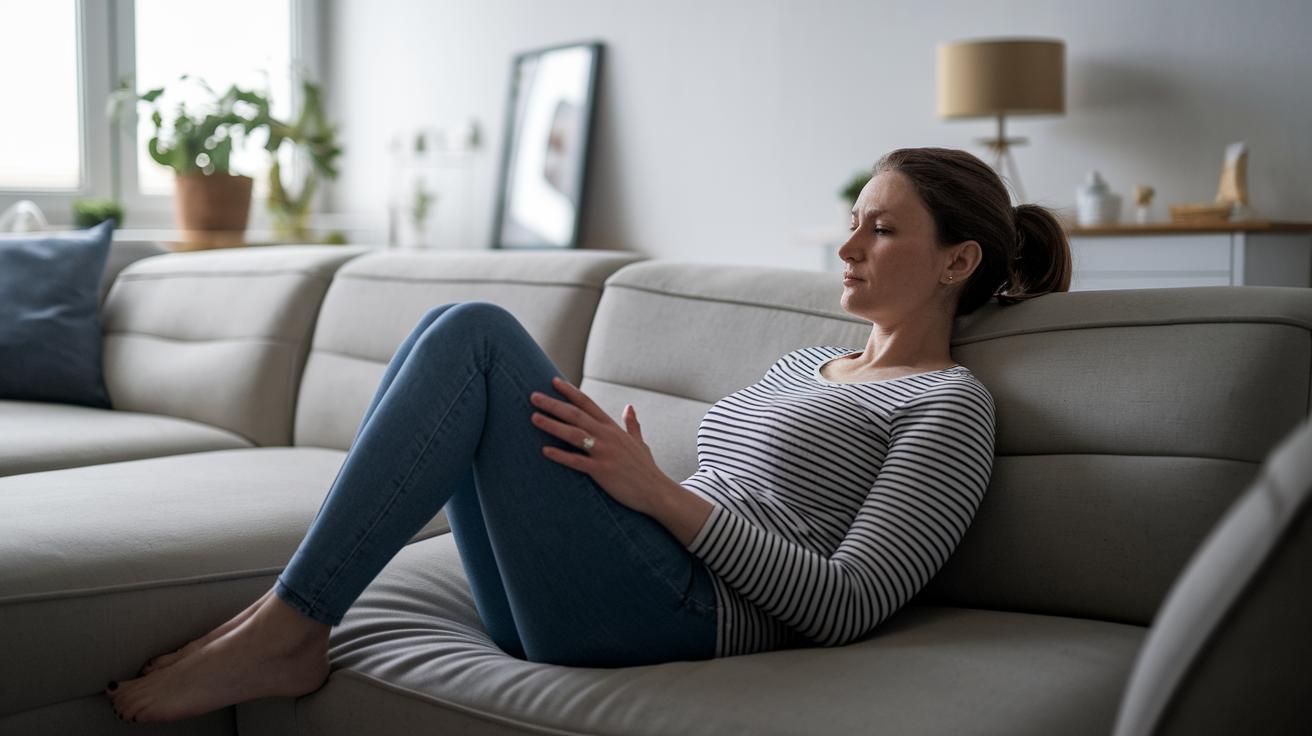
In those first three days after your baby is born, your body is busy calming down its stress response, so getting plenty of rest is really important. If you can, catch a short nap whenever you have a moment and treat yourself with some gentle care.
During your first week, try starting some gentle pelvic exercises (Kegels) using just about 20% of your maximum strength. Some moms find that adding a little deep-breathing or soft pelvic stretches helps ease any tightness. For example, sit in a comfy spot, close your eyes, and breathe slowly for 30 seconds, letting a calm wave of relaxation fill you.
In weeks two and three, consider easing into some light activities like gentle postnatal yoga or a slow, refreshing walk. If you ever feel any discomfort, using a warm compress on tense spots or taking it even slower can be a real help. It’s all about listening to your body and moving in a way that feels right.
By weeks four and five, you can boost your pelvic exercises to about 70–80% strength. Aim to do two sets of ten repetitions twice a day, with a little one-minute break between sets. And don’t forget to stay hydrated and enjoy nourishing foods as you recover.
By week six, it’s a good idea to schedule a follow-up appointment to talk about your healing progress. Some moms even choose to work with a physical therapist if they need a bit of extra, specialized support.
Managing Physical Recovery – Pain, Cramping, and Discomfort
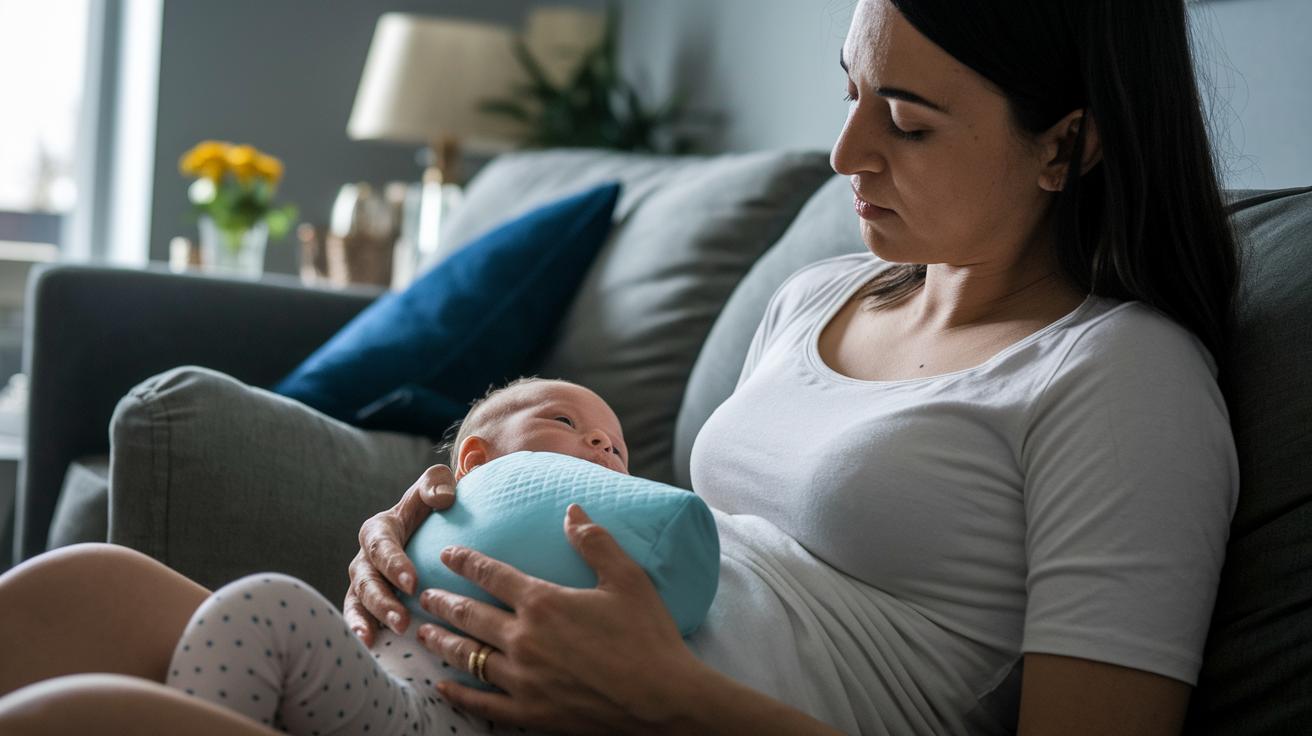
After giving birth, many moms feel different kinds of aches and pains. You might notice gentle contractions (often called afterpains) as your body works to return to its usual size over the next few days. It’s common to feel soreness in the vaginal and perineal areas, especially after a vaginal birth. Some moms even say it feels a bit like a lingering, deep muscle cramp.
Around the third or fourth day, your breasts might feel a bit swollen or engorged. A soothing trick is to use a gentle cold pack, imagine holding a cool, comforting compress to ease that tender feeling. If you had a C-section, you might need to take prescribed pain medications for about one to two weeks while your incision heals.
You could also experience muscle soreness or back pain from the physical effort of childbirth and the changes in posture from caring for your little one. If these pains stick around, it might help to talk to a physiotherapist who can guide you with safe exercises and advice tailored to your recovery.
There are also some simple home remedies that might help:
| Technique | How It Helps |
|---|---|
| Ice Packs | Reduce swelling in inflamed areas |
| Warm Compresses | Ease muscle tension |
| Doctor’s Advice | Follow recommendations on pain medications |
For example, imagine starting with a gentle ice pack on your sore perineal region. Wrap your hand around a soft, cool pack and feel the refreshing burst of relief, almost like a little escape on a warm day.
Perineal Care and Cesarean Recovery FAQs
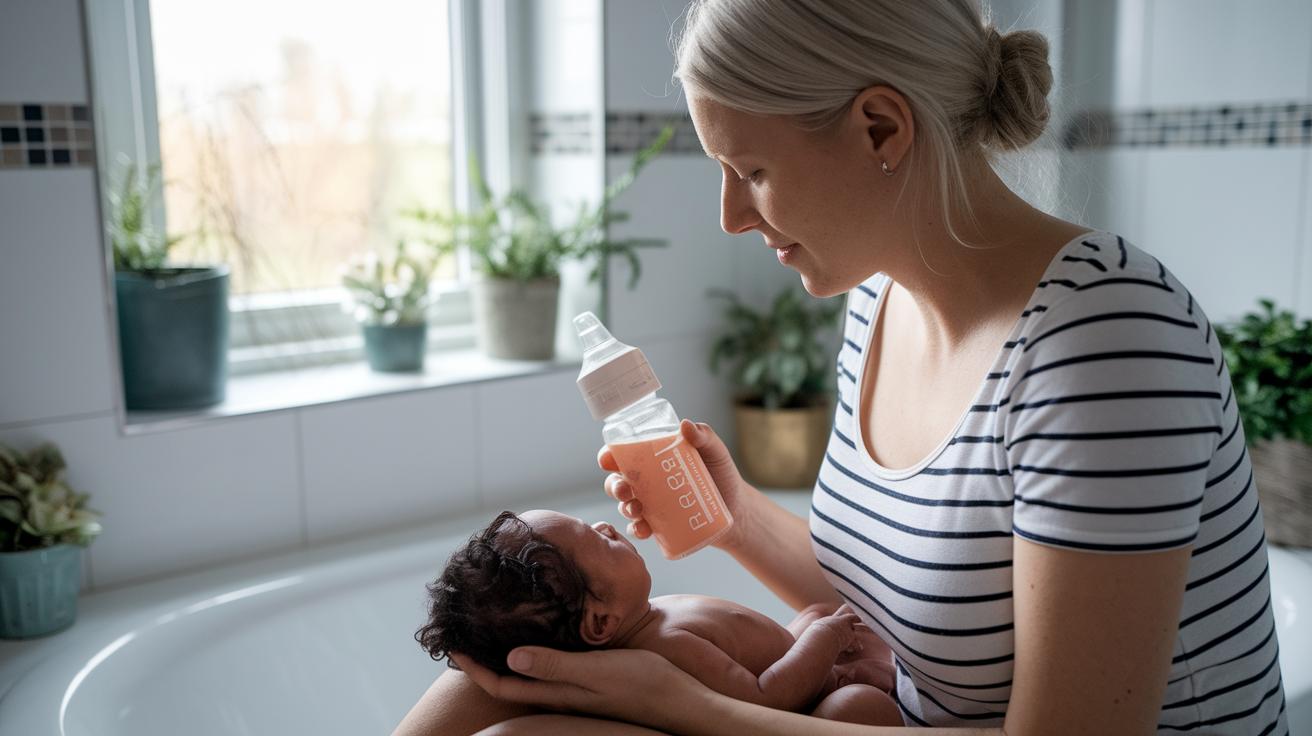
After a vaginal birth, many moms find that a few home remedies can help ease some of the soreness. A warm sitz bath, for instance, feels like a gentle hug for your body. Some moms also use perineal ice packs to calm swelling and numb the pain. And a peri bottle can be a handy tool to rinse the area after using the restroom, much like a refreshing mist that soothes away irritation. Have you ever noticed how a little cool relief makes a big difference?
For those recovering from a C-section, things work a bit differently. You might stay an extra day at the hospital and need to avoid bending or heavy lifting. Caring for your incision means keeping it dry and clean, and it's important to watch for any redness or unusual discharge. Often, you might take pain medication for one to two weeks. Think of it like tending a small garden, being gentle and attentive helps everything heal nicely. And if something doesn’t feel right, don’t hesitate to check in with your provider.
For more detailed tips on scarring and postpartum healing, please visit this advice page: https://womensconference.org?p=14089
Preventing Infection and Recognizing Warning Signs Post-Delivery
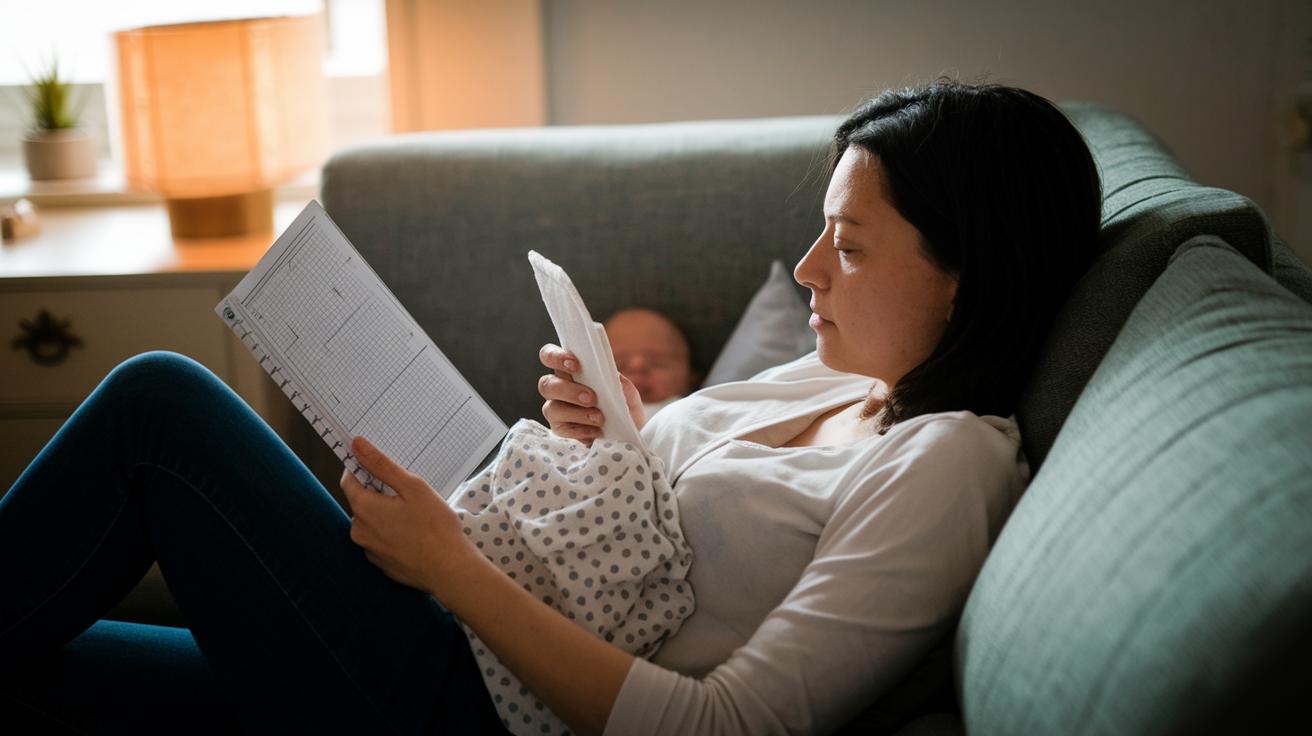
Keep track of your lochia as it changes over the weeks, from bright red to pinkish, then brown. If you find that you're soaking a pad every one to two hours or notice clots as big as a golf ball, it might be time to check in with your provider. Also, if you notice a bad smell or a fever over 100.4°F, you should get in touch with your doctor right away.
Watch your perineal area or any spots with stitches closely. If you see extra redness, swelling, or an odd discharge, it could mean your healing isn’t on the right track. Think of it like a smoke alarm, if you feel extra warmth or discomfort around a healing area, it's a sign to reach out to your doctor.
Also, if you’re facing any ongoing changes with your urine or feeling pelvic pain, make sure to talk with your provider as soon as you can.
Postpartum Healing FAQs: Trusted Recovery Tips
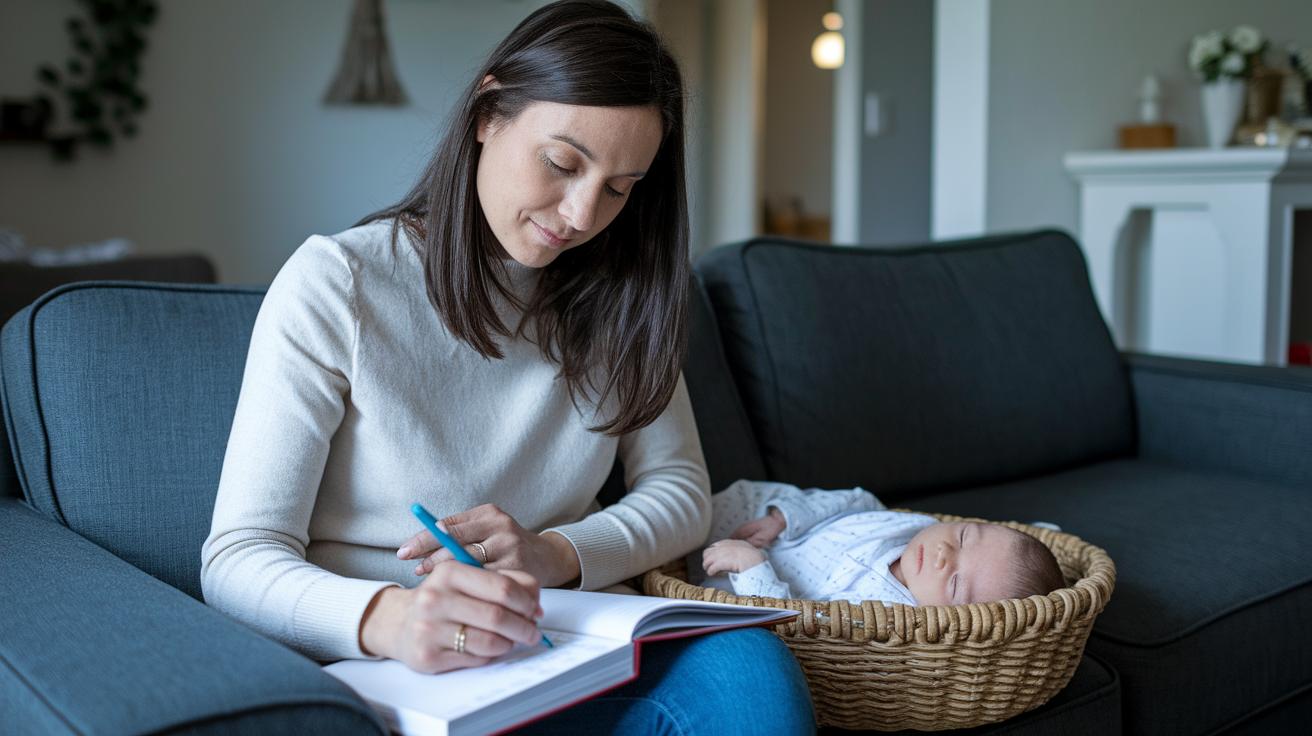
After childbirth, your hormones change quickly, and it’s very common to feel a bit down. Many new moms experience the baby blues, and sometimes about 10-15% may feel even sadder. You might also notice night sweats and fatigue that make you feel worn out. And it’s perfectly normal for your interest in intimacy to start coming back around six weeks as you begin to feel more like yourself.
Creating a gentle self-care routine can really help you feel more balanced. One easy idea is to keep a regular sleep schedule. Think of it like setting up a bedtime ritual, dim the lights, turn off your screens, and let your mind relax. Picture a soft, quiet evening with soothing music in the background, readying you for a peaceful night’s sleep.
Talking about your feelings can lighten your heart too. Whether you chat with a trusted friend or partner or jot your feelings down in a journal, sharing your thoughts can make a big difference. Ever noticed how writing down your mood can brighten your day? Give it a try and see how a small change can lift your spirits.
You might also enjoy a little walk or a few deep, mindful breaths as a way to recharge. These simple activities, though small, can bring a welcome burst of energy. And if your feelings ever feel too heavy, reaching out for professional help or joining a peer group is a smart move. For more ideas, you might find our mental wellbeing guide after childbirth (https://womensconference.org?p=14146) very useful.
Every small step in self-care helps to heal your body and heart, reminding you that you deserve kindness and support as you move forward.
Nutrition, Rest, and Lifestyle Strategies for Postpartum Healing
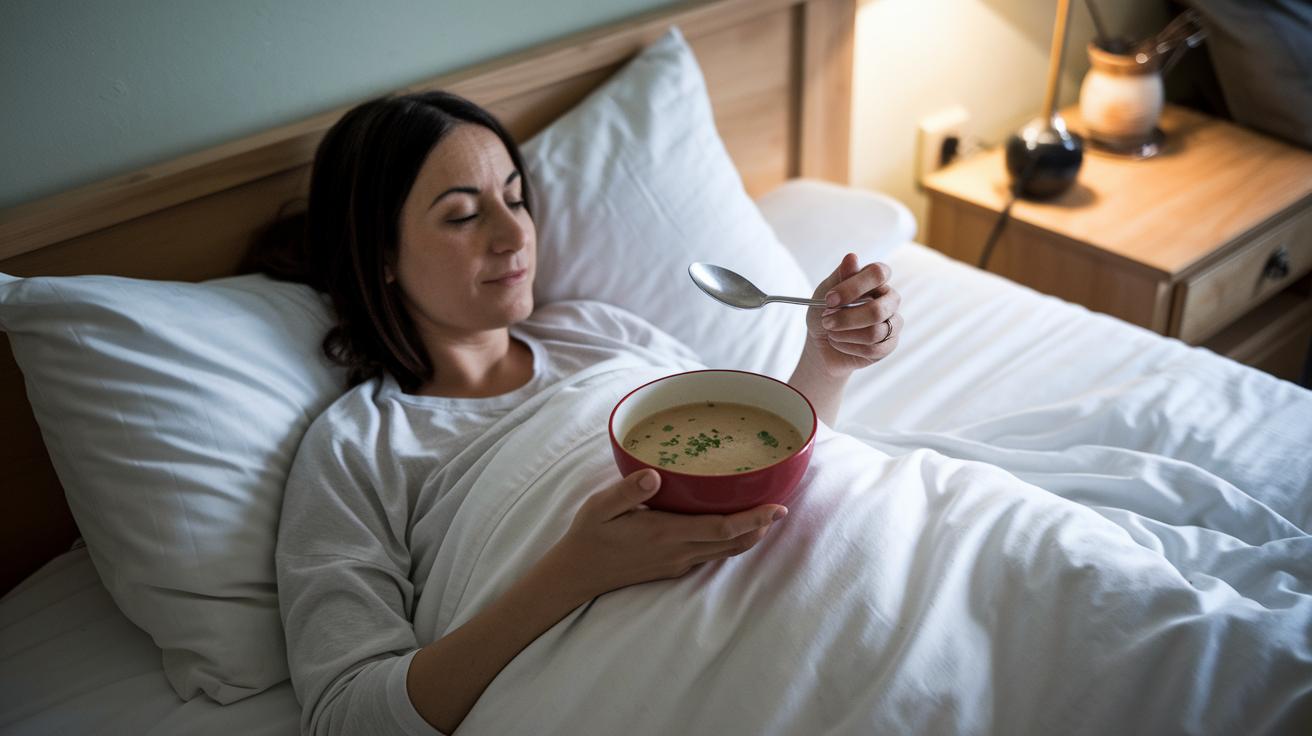
Right after your little one arrives, those first 72 hours are all about rest. Taking it easy now helps lower stress hormones (cortisol) and gives your body a chance to start repairing itself. Think of it as letting your body hit the reset button while slowly regaining your strength.
Eating well is a big part of the healing process. Focus on meals packed with protein, iron, and plenty of fluids to boost your energy. Imagine a warm, comforting bowl of soup loaded with lean meat or beans, fresh spinach, and a soothing broth that nurtures you from the inside out.
As you move into the second week, try adding a bit of light activity. A short walk or some gentle postnatal stretches can help get your circulation going and ease muscle stiffness. You might even keep a journal, jot down a few thoughts each day to track your mood and share a quiet moment with yourself. Every small step counts!
New-mom fatigue is completely normal, so don’t hesitate to ask for help and pace your day. Embracing support and setting a gentle rhythm for yourself can make this recovery period a bit easier and keep you balanced as you nurture your new beginning.
Follow-Up Care Essentials and Professional Guidance

By six weeks after giving birth, it’s a good idea to set up a visit with your midwife or obstetrician. This gentle check-up helps make sure your body is healing right, your uterus is returning to its normal size, any cuts or stitches are healing well, and you also get a chance to share how you’re feeling inside and out. It’s like a friendly tune-up after a big change in your life.
During your appointment, you might talk about when it's safe to be intimate again and go over birth control options that work for you. Your provider can also give you simple advice on how to ease back into exercise at a safe pace. Many moms find that slow, guided activities, such as gentle pelvic exercises, help bridge the gap from resting to returning to everyday movement.
In many centers, you can even find pelvic-health physiotherapy services that support your recovery and help tailor your return-to-exercise journey as you heal. Sharing your thoughts and any worries during this visit can feel really empowering, letting you know you’re on the right track.
Final Words
In the action of healing after birth, our guide provided clear answers about timelines, pain management, and body care. We talked about easing discomfort, sticking to follow-up care, and supporting your well-being. The information on postpartum healing FAQs brings trusted advice for recovery and self-care. Remember, every step matters, and caring for yourself is key. Keep moving forward with confidence and a hopeful heart.