
Have you ever thought that a little extra rest might be the key to bouncing back after having a baby? Many new moms don’t realize how long their bodies need to repair themselves after childbirth. As your body goes through changes, taking time to rest can really help you heal and feel better. In this post, you’ll find simple rest ideas and easy tips to help you regain your strength and enjoy the days ahead.
Postpartum Healing and Rest Strategies: Renew & Rejoice

Postpartum recovery is a journey that can last from the days right after delivery up to a full year. Your body goes through lots of changes during this time. In the first few weeks, you might feel some soreness from tears or stitches if you had a C-section. Along with that, your uterus might have some after-pains and you could notice bleeding or discharge for about 4 to 6 weeks. It’s also completely natural to have emotional ups and downs, about 80% of new moms feel a bit blue, and around 20% might face more challenging feelings like postpartum depression. Taking the time to rest can really help your body heal and your heart feel a bit lighter.
One gentle way to help yourself recover is by using the 5-5-5 structured rest rule. This method suggests taking five days to mostly rest in bed, then five days to move a bit while still staying in bed, and finally, five days to engage in gentle activities nearby. It’s a simple plan to slowly bring back movement without overdoing it.
Here are some friendly tips to keep in mind:
- Follow the 5-5-5 structured rest rule
- Sleep whenever your baby sleeps
- Drink plenty of water and enjoy balanced meals rich in protein and vitamins
- Do gentle movements and try some pelvic floor exercises
- Take a moment for mindfulness and show yourself some extra care
- Reach out to your support network for help with the house and baby care
By mixing in these steps, rest, nourishment, easy exercise, and a bit of help from loved ones, you can support both your physical healing and your emotional wellbeing. It’s all about finding that gentle balance and giving yourself the space to gradually renew your strength during this very special time.
Managing Postpartum Physical Recovery and Rest
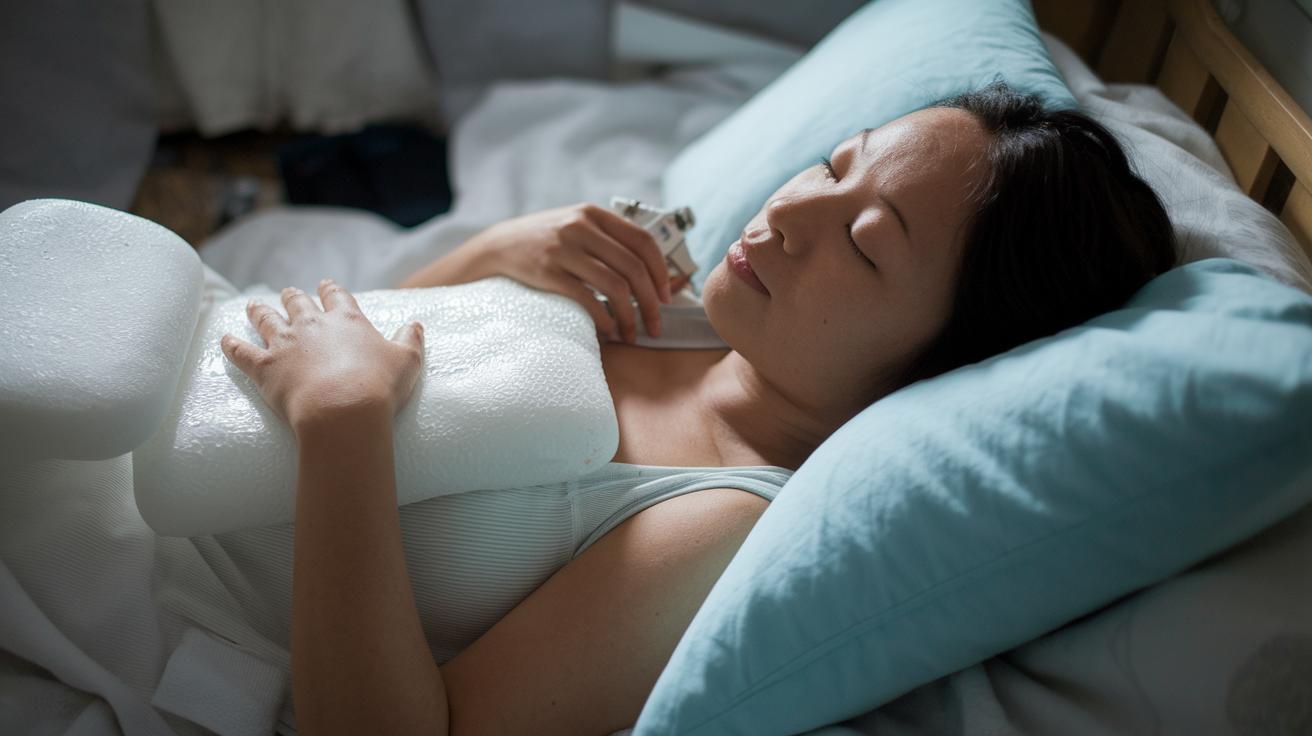
Taking some well-deserved rest is a gentle way to help your body repair itself. When you give yourself time to heal, you can lessen swelling and ease the discomfort that often follows delivery.
Rest Strategies for Episiotomy and Natural Tears
For moms healing from an episiotomy or a natural tear, the “5-5-5 rule” can be a real lifesaver. For the first five days, try to stay mostly in bed so you don’t add extra pressure on your perineum. A cool ice pack on that area can help ease swelling and reduce soreness. And a warm sitz bath (a shallow bath that soothes the area) can feel wonderfully comforting and encourage healing. Adding some extra pillows or choosing a soft cushion when you sit can also lighten the strain and support your recovery.
Rest and Care for C-Section Recovery
If you’ve had a C-section, it’s important to follow your doctor’s advice and take plenty of rest while you mend. An abdominal support pillow can help ease the tension around your incision. Start by slowly moving from lying down to sitting, and only progress to standing when you feel ready. It’s a good idea to avoid lifting anything heavier than 10 pounds so you don’t put extra stress on your body.
Keep an eye out for any signs that might need a doctor’s attention, things like a fever, too much bleeding, or an increase in pain. If you see any of these, it’s best to call your healthcare provider right away.
Optimizing Sleep Habits for Effective Postpartum Rest
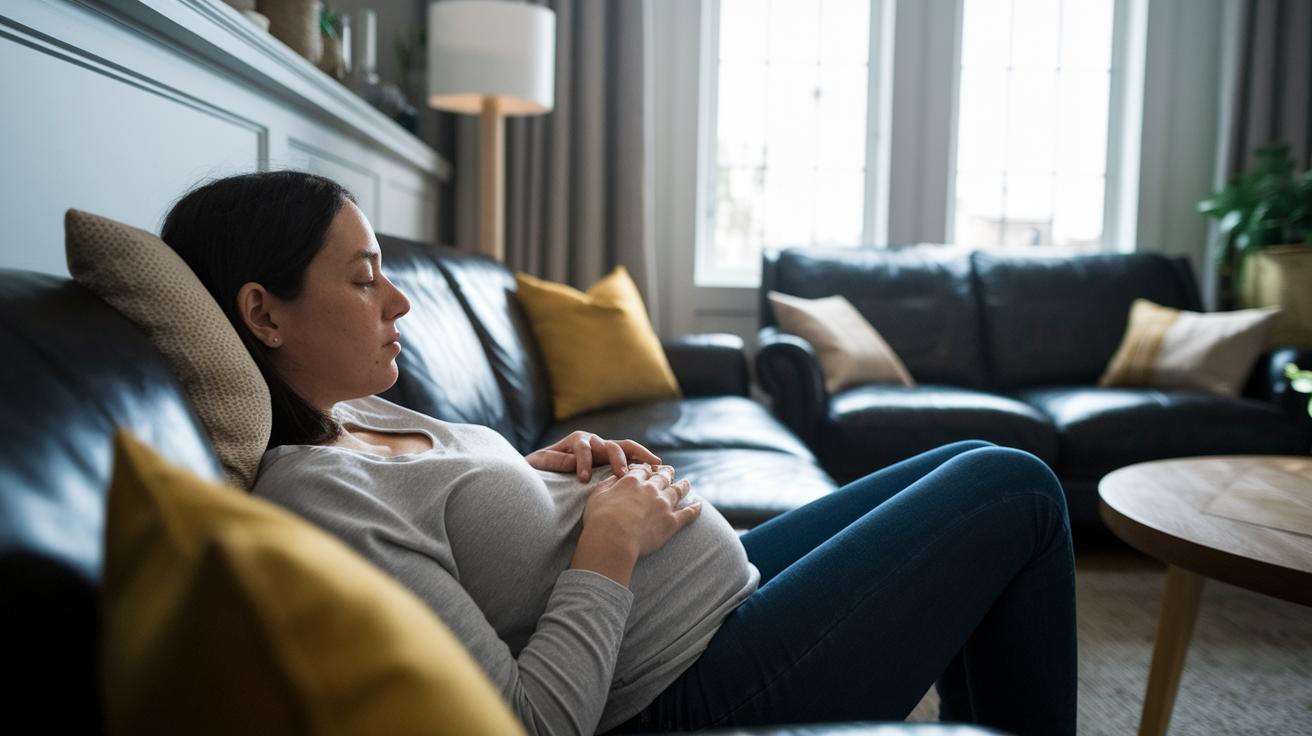
Sometimes syncing your sleep with your baby’s natural rhythm can really help boost your energy and mood. Many moms find that catching a nap when the baby is snoozing makes a huge difference, it’s like giving yourself a little refill. And hey, if a partner or family member can take over a bit, it’s an extra chance for you to get that much-needed rest.
Creating a cozy sleep space matters, too. Think about using blackout curtains and a gentle white noise machine to set a calm scene that helps lull you into a deep sleep. You might even try turning off screens about 30 minutes before bed so you can ease into relaxation. A few simple calming rituals, like some mindful breathing or even following a gentle 5-5-5 routine, can build a steady sleep habit that helps you truly recharge.
Nutritional Optimization for Postpartum Healing and Rest

Eating a balanced mix of foods that include protein, iron, vitamin C, calcium, and fiber is really important for how your body bounces back after childbirth. These nourishing foods help repair tissues, boost your immune system, and bring back your energy. You might recall that during pregnancy you gained about 25–35 pounds, and it’s normal to lose roughly 13 pounds soon after giving birth. Drinking 2–3 liters of water each day also helps your healing and supports breastfeeding. And choosing foods that fight inflammation while boosting collagen is another gentle way to help your recovery.
| Nutrient | Healing Benefits | Food Sources |
|---|---|---|
| Protein | Helps build muscle and repair tissue | Lean meats, legumes, dairy |
| Iron | Fights fatigue and supports blood health | Red meat, spinach, beans |
| Vitamin C | Boosts collagen and strengthens immunity | Citrus fruits, bell peppers, strawberries |
| Calcium | Strengthens bones and aids muscle function | Yogurt, cheese, fortified plant milk |
| Fiber | Helps digestion and reduces constipation | Whole grains, fruits, vegetables |
If you’re juggling the demands of being a new parent, planning your meals ahead of time can make nourishing your body feel a lot less stressful. Batch-cooking a few balanced dishes means you won’t have to worry about what to eat at each meal. For example, imagine a light salad with lean protein in the afternoon, a refreshing vitamin C-rich fruit as a snack, and a dinner packed with both calcium and iron. With a little meal planning, your body can heal well while you stay energized and ready for each new day.
Gentle Movement and Restorative Exercise in Postpartum Healing

Before you start any new exercise routine, it's always a good idea to check with your healthcare provider. Most moms are cleared for gentle movement by about six weeks after giving birth. Simple activities, like taking easy walks, can help boost your blood flow and keep your muscles active without putting a strain on healing tissues. These light exercises also help ease tension and slowly build back your strength.
As you begin, try taking relaxed walks in your neighborhood or around your home. You might also want to add some seated pelvic tilts, they help build your core strength and support your recovery. Modified yoga stretches are another great option; they gently loosen tight muscles and give you a moment to feel calm. Diaphragmatic breathing (that’s deep breathing from your stomach) can help reduce any leftover tension after you move. And remember, it’s important to mix periods of activity with rest so you don’t get too tired. Listen to what your body is telling you and take breaks as needed.
These gentle exercises not only help your body heal, but they can also give you a little boost of energy and balance. It’s all about taking small steps to regain your strength while caring for your little one.
Mind-Body Techniques for Emotional Rest in Postpartum Healing

Taking a few moments for mindfulness and self-kindness can really help quiet a busy mind during this sensitive time. It can be as easy as writing a few thoughts in a journal each day, letting your feelings flow onto the page. Try a simple breathing pattern, breathe in for 4 seconds, hold for 7, and then slowly exhale for 8 seconds, to help soothe your body and mind. A short meditation, where you focus on little moments of gratitude, can also bring a calm, steady feeling. These practices invite you to stop and connect with yourself in a gentle way.
It also helps to lean on the community around you. Many new moms feel the ups and downs of mood swings, and sharing your experience with a friend or support group can lighten the load. Chatting with others or even talking to a professional might bring a new level of strength. Check in with yourself every day and keep the conversation going with those who care about you. These simple moments of self-care and sharing can softly build a routine that supports your whole healing journey.
Creating a Personalized Postpartum Rest and Recovery Plan

Start by setting gentle recovery goals that match what you need right now. You might try the simple 5-5-5 plan: five days for resting, five days with just a little movement, and five days doing light activity. But really, listen to your body. Ask yourself, “After a day off, do I feel ready to move a bit more?” or “What small change could help me feel even better?” Jot down your thoughts to see if you need extra rest or a touch more activity.
Make weekly check-ins your guide. Write down a simple list that mixes rest, light movement, and a little help from family or your partner. Here’s an example to help you start:
| Milestone | Reflective Question | Next Step |
|---|---|---|
| Initial Healing | “Did I get enough quiet time today?” | Plan a set time for rest |
| Gentle Movement | “How did my body feel after some light exercise?” | Slightly adjust the exercise time |
| Wellness Check | “Am I noticing a boost in my energy?” | Consider a quick chat with my care team |
Take a moment each week to look over your list. Celebrate the little wins and make changes based on how you truly feel.
Final Words
In the action of caring for your well-being, we've walked through recovery timelines, practical sleep fixes, and gentle movement techniques. Each part of the post shows how strategies like the 5-5-5 rule and aligning sleep with your baby’s rhythms can uplift your recovery.
Using these postpartum healing and rest strategies helps blend self-care with everyday routines. Small steps each day pave the way for renewed strength, creating space for both healing and joy.
FAQ
What are some postpartum healing and rest strategies at home?
Postpartum healing and rest strategies at home include following a structured plan like the 5-5-5 rule, getting extra sleep when your baby does, staying hydrated, and leaning on supportive help from family or friends.
What things should I avoid doing right after giving birth?
Things not to do after giving birth include skipping proper rest, lifting heavy items, returning to full household chores too soon, and pushing yourself into high-impact activities before your body has healed adequately.
How long does it typically take for the body to return to normal after birth?
The body usually takes around 6–8 weeks for major physical recovery, though hormonal and emotional changes may take several months to settle fully after giving birth.
How do I care for my vagina after giving birth?
Caring for your vagina after giving birth involves gentle cleansing, using sitz baths, and following your healthcare provider’s advice, especially if you experienced tearing or had an episiotomy, to aid in the healing process.
What does postpartum care involve?
Postpartum care involves a blend of physical recovery, rest, balanced nutrition, gentle movement, and emotional support, all aimed at helping your body and mind heal while you adjust to new motherhood.
When is it safe to start doing household work after delivery?
You can typically begin light household work after the initial healing phase, often around 6 weeks post-delivery, but it’s best to follow your provider’s guidelines and listen to your body’s cues.
What are some helpful postpartum recovery tips?
Helpful postpartum recovery tips include following recovery rules like the 5-5-5 plan, resting when your baby naps, staying hydrated, eating balanced meals, and patiently easing back into daily activities with support.
Can you explain the 5-5-5 rule for postpartum recovery?
The 5-5-5 rule is a structured rest plan that suggests spending five days in bed, five days mostly resting on the bed, and five days gradually moving around the bed area to help balance rest and recovery.
What is the 2-2-2 rule for postpartum recovery?
The 2-2-2 rule divides recovery into two days of complete rest, two days of gentle activity, and two days of slightly increased movement, offering an alternative structured approach to help your body ease back into activity.