Ever feel like your emotions are out of control? Picture a day when three simple activities help calm the storm inside.
In this post, I’ll share clear, easy tips that can bring quick relief. You’ll learn about mindful breathing (taking slow, deliberate breaths), grounding steps that help you feel more present, and simple ways to relax your muscles.
Even on overwhelming days, these gentle techniques can remind you that you’re in charge of your feelings. Have you ever noticed how a small change can brighten your day? Let’s chat about how a few simple adjustments can bring a little more peace into your life.
Quick Practical Emotional Regulation Activities for Immediate Relief

When everything feels too much, a few simple tricks can help calm your mind and body fast. These easy self-help tips are made to take your mind off stress and help you relax naturally. You might want to try these six friendly steps for a bit of peace right away:
- 5-4-3-2-1 Technique: Look around and name 5 things you can see, 4 sounds you can hear, 3 textures you can feel, 2 smells around you, and 1 taste you notice. For example, you might see the bright colors on a nearby plant or feel the smooth surface of your coffee mug.
- 4-7-8 Deep Breathing: Inhale slowly over 4 seconds, hold your breath for 7 seconds, then let it out slowly for 8 seconds. This helps your body get into a calm, relaxed mode.
- Progressive Muscle Relaxation: Start with your feet, tighten the muscles and then let them relax, and work your way up through your body. This little exercise can ease the tension in your muscles.
- Comfort-Show or Music Break: Sometimes, watching a favorite TV show or listening to some soothing music can lift your mood and help you feel better.
- Guided Journaling: Write down how you feel. Try noting one good thing that happened today. This simple step can help you understand your emotions.
- Short Walk with a Pet: A brief walk with your pet offers a chance for gentle exercise and a warm, friendly connection.
These easy calming techniques can lower stress and make both your mind and body feel more relaxed and clear.
Mindfulness Practices for Adult Emotional Regulation
S.T.O.P. Technique
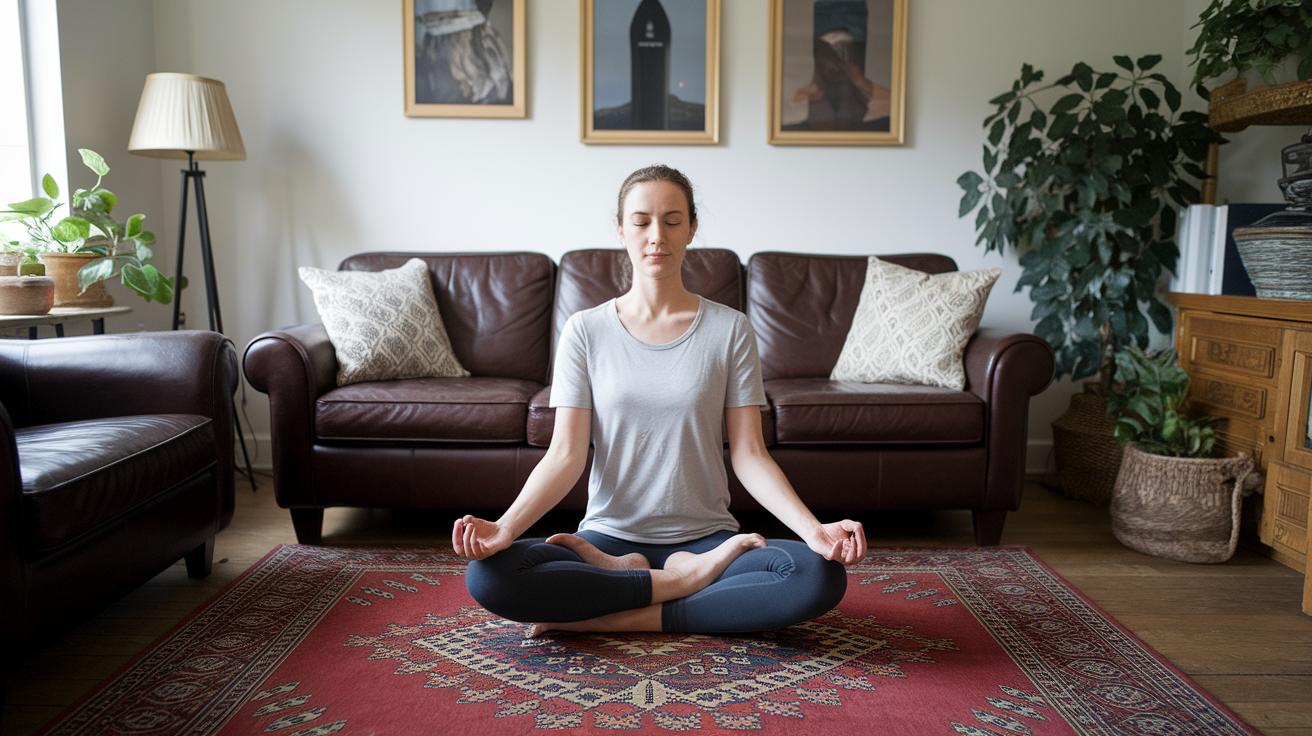
When you feel a wave of strong emotion, pause for a moment. Take one slow, deep breath to give yourself a little break. Then, notice your thoughts and how your body feels, just like watching your heart beat fast before an important moment, without judging yourself. Finally, choose a calm and clear way to move forward. For example, if work stress starts to build, you might simply pause, breathe deeply, and then decide on a clear next step.
Extended Mindfulness Meditation
Find about 20 to 30 minutes when you won’t be interrupted and sit somewhere comfortable. Focus on your natural breathing, letting your mind rest on each breath. Picture a calm room with soft light as you gently check in with your body, noticing every sensation without reacting. This simple body scan creates a quiet space inside you, helping to reduce stress. Over time, this practice can help you handle difficult moments with more balance.
Daily Gratitude Practice
Every day, take a few minutes to think about five things you’re thankful for. It might be the warmth of your favorite blanket, a kind word from someone, or even enjoying your morning coffee. Whether you say them out loud or jot them down, these little moments of gratitude can lift your mood and help you respond to stress with a lighter heart.
Cognitive Reframing and DBT Emotional Regulation Techniques

When you take a quiet moment to notice and name your feelings, you build a strong base for keeping control. It helps to sit down, breathe, and simply figure out what you’re experiencing. This clear moment of self-check can lower those snap reactions that sometimes get the best of us. Simple tools like the Emotion Regulation Questionnaire (ERQ, 2003, note that this tool is designed to track changes in your feelings) can give you a clearer picture of how you’re growing. Over time, keeping track of your emotions shows you when they shift from negative to more balanced.
Have you ever tried looking at your worries from a different angle? That’s where cognitive reappraisal comes in. Instead of fighting your emotions, take a moment to gently question those negative thoughts and see them in a new light. This shift in thinking can help ease the intensity of overwhelming feelings. Pairing this with guidance from tools such as the Interpersonal Emotion Regulation Questionnaire (IERQ, 2016) can really help you see how your interactions affect your emotions. It’s a way of turning what feels huge and unmanageable into something that you can understand and handle better.
You might also find help in DBT strategies like Opposite Action, Check the Facts, and the P.L.E.A.S.E. method. Opposite Action is all about doing something that goes against your immediate emotional impulse, while Checking the Facts means pausing to ask if your strong emotion really fits with what’s happening. Another useful resource is the Cognitive Emotion Regulation Questionnaire (CERQ, 2001), which lets you see how you’re progressing in handling these moods. Making it a habit to check in with yourself and use these methods can really boost your confidence and steady your responses in tough moments. Eventually, this everyday practice helps you feel more in charge and less overwhelmed by stress.
Physical and Creative Emotional Regulation Outlets

Sometimes, moving your body and stirring up your creative side can help melt away built-up tension and fill you with fresh energy. When you get into a little dance, a brisk walk, or even pull out some crayons, it feels like you can lift your mood and let the stress slide off. Whether you need a burst of activity or a quiet, creative moment, these experiences help turn your energy into a strong, positive force.
- Yoga sequences: Try a soft flow of poses that gently ease muscle tightness and boost your flexibility.
- 30-minute pet walk: Take a cheerful walk with your pet to brighten your day and ease worries.
- Swimming laps: Enjoy a refreshing swim that helps you release tension and bring on those feel-good endorphins.
- Drawing or painting: Let your emotions come out in the colors and shapes you create.
- Gardening tasks: Dig in with your plants for a mindful, hands-on way to relax and feel connected.
- Baking simple recipes: Whip up an easy treat that not only nourishes you but sparks your creativity.
- Dancing to uplifting music: Let your body move freely to your favorite tunes and lift your spirits.
Structured Worksheets for Emotional Regulation Skill Development

Radical Acceptance Worksheet
Have you ever felt overwhelmed by your emotions and wondered how to embrace them without judgment? This worksheet walks you through naming your feelings, like saying, "I feel sadness, and that's okay", and encourages you to gently accept them. It even asks, "What part of this emotion can I accept today?" It’s a simple way to remind yourself that your feelings are part of your journey, not hurdles to overcome.
Interpersonal Effectiveness Handout
Clear, kind communication can make a huge difference in our daily lives. This handout guides you through practical exercises for speaking honestly and listening carefully. You might try a prompt like, "I feel [emotion] because…" which helps you share your feelings open-heartedly. It turns tough conversations into chances to connect and grow, with a little practice and self-compassion.
Visual DBT Guides
Imagine having a little color-coded helper to check in on your emotions throughout the day. These guides use a simple system: red shows high tension, yellow suggests caution, and green signals calm. It’s like your personal emotional traffic light, reminding you when it might be time to pause, breathe, and choose a regulation strategy. Pretty neat, right?
3 emotional regulation activities for adults: feel empowered

When it feels like managing your emotions is a team effort, it can be really comforting to know there are many ways to get support. One wonderful idea is to join peer-led workshops. In these gatherings, adults come together to share thoughtful chats and try guided exercises. It’s like having a safe, informal circle where you can practice talking through feelings and finding balance. For example, at one recent session, participants swapped simple breathing techniques and shared little tips for easing stressful moments.
Another simple trick is to use digital tools like mood-tracking apps and guided breathing exercises. These handy apps keep track of your daily feelings, walk you through easy relaxation steps, and even remind you to take that well-deserved pause during a busy day. They make it simple to notice patterns in your emotions and adjust little things along the way.
Then there’s the benefit of professional support. Whether it’s via telehealth or in-person therapy available in places like Fairbanks, Juneau, or Homer, talking with an expert can give you solid guidance. You might also explore online courses that help build your emotion control skills gradually. Plus, occupational therapy can offer practical ways to balance your moods by tackling everyday challenges.
Taking part in these activities not only builds a steady base for emotional resilience but also creates a comforting community where every adult feels empowered to manage stress and welcome calm into their lives.
Final Words
In the action, we explored practical ways to calm strong feelings through quick grounding, mindful breathing, creative outlets, and guided journaling. We also shared strategies like DBT techniques and structured worksheets to help shift negative thoughts and boost self-awareness. Small suggestions and simple exercises add up to big benefits. Keep trying these emotional regulation activities for adults to maintain calm and clarity. Every little step brings more ease, so enjoy your progress and keep moving forward with confidence.
FAQ
What do free downloadable PDFs for emotional regulation activities and worksheets for adults include?
The free PDFs provide practical guides with techniques like deep breathing, journaling, and muscle relaxation to help adults manage emotions and reduce stress.
How can I access emotional regulation activities for use at home?
Home-based activities include grounding exercises, comfort breaks with soothing music, and guided journaling—all designed for easy practice in your own space.
What are the five emotion regulation strategies?
The five strategies typically cover awareness, acceptance, mindful engagement, cognitive reframing, and self-soothing actions to help manage emotional responses.
What are the differences between the three R’s and four R’s of emotional regulation?
The models share steps for Recognizing and Responding to emotions, with one version adding an extra step to emphasize reappraisal, providing additional guidance on managing feelings.
How can I teach emotional regulation to adults?
Teaching emotional regulation involves demonstrating calming techniques, practicing structured breathing and reflection exercises, and guiding adults with real-life examples to boost self-awareness.
What are self-regulation games for adults?
Self-regulation games are interactive activities that encourage mindful decision-making and stress relief, often used in group settings to practice real-time emotional regulation.
Is there a version of emotional regulation worksheets available for youth in PDF?
Yes, youth worksheets use simpler language and age-appropriate activities to help younger people identify feelings and learn basic self-calming techniques.
Where can I find an emotional regulation workbook in PDF?
The workbook PDFs offer a comprehensive set of exercises—like guided journaling, thought reframing, and step-by-step tracking—to support ongoing emotional regulation practice.