

Have you ever wondered if your baby's meals could help them grow in more ways than one? When your little one is nine months old, every bite counts. They need proteins, grains, fruits, and veggies to become strong and curious.
This guide is filled with simple, tasty meal ideas that mix good flavors with the right nutrients. It turns mealtime into a gentle moment of comfort and care.
Recommended Foods and Nutrient Needs for 9-Month-Olds
At 9 months, your baby needs about 750–900 calories a day. About 400–500 of those calories come from breast milk or formula, around 24 ounces (720 mL) daily. Solids add extra nutrients that help build strong muscles and bones, so think about offering grains like iron-fortified cereal or soft whole-grain breads to provide a steady dose of iron.
Proteins are important too. Pureed meats, eggs, or mashed lentils are great choices that introduce your little one to new flavors while adding the protein they need. One idea: try stirring a little mashed egg yolk into a veggie puree. It’s a simple way to boost both protein and taste. And don’t forget healthy fats, mashed avocado or full-fat yogurt (if your doctor gives the thumbs up) can support brain growth in a gentle, yummy way.
Fresh fruits and vegetables pack a lot of vitamins and minerals needed for growing bodies. Soft, ripe fruits like bananas or pears, and steamed veggies like carrots and peas, offer natural sweetness along with a burst of nutrition.
When you’re ready to explore common allergens, consider starting with small amounts of foods such as peanut, egg, or fish once your baby has gotten used to basic solids. Early exposure might help reduce the chance of allergies later on. Remember, milk and solids work hand in hand until your baby turns one, creating a balanced, nurturing diet that’s both tasty and healthy.
Sample 1-Day Meal Plan for 9-Month-Olds
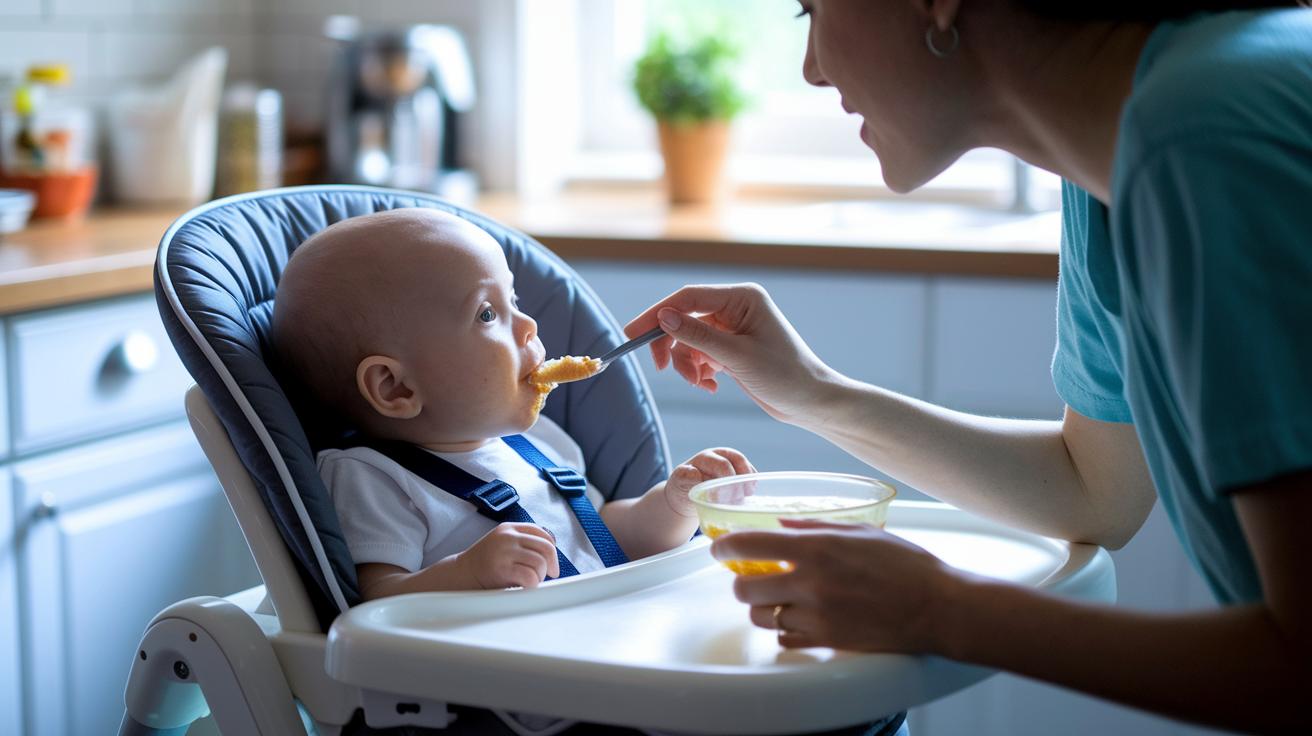
This gentle meal plan is meant to help you plan meals every 2 to 4 hours while keeping your baby's growing hunger and nutritional needs in mind. Start your day with 2 to 4 oz of iron-fortified cereal, a smooth, comforting start that eases your little one into the morning.
As the day unfolds, you might offer a small snack like a fruit puree or soft pieces of fruit. It gives extra energy until lunchtime. For lunch, why not serve a scrambled egg? It's a friendly source of protein with a soft texture that can help your baby practice self-feeding.
Later in the afternoon, consider another light snack, such as steamed veggie sticks that are easy for tiny hands to hold and chew. Dinner brings soft-cooked shredded chicken, a versatile option that lets your baby explore new textures while practicing chewing. If your baby seems to need an extra boost, you can add 6 oz of breast milk or formula after dinner to round out the day.
Remember, this plan is flexible, feel free to tweak the amount or timing based on your baby's appetite and growing needs.
| Time | Food | Quantity |
|---|---|---|
| Morning | Iron-fortified cereal | 2–4 oz |
| Mid-Morning | Optional Snack (fruit puree or soft fruit) | Small portion |
| Lunch | Scrambled egg | 1 serving |
| Afternoon | Optional Snack (steamed veggie sticks) | Small portion |
| Evening | Soft-cooked shredded chicken | 1 serving |
| Post-Dinner | Breast milk/formula | 6 oz |
Textures and Self-Feeding Milestones at 9 Months
At 9 months, your little one is starting to explore new textures and discover the joys of self-feeding. It’s like they’re embarking on a tiny adventure, learning to pick up small pieces with a pincer grasp, a bit like holding a tiny crayon to make their very first drawing. Imagine gently saying, “Just try picking this up!” when you offer a steamed veggie stick or a soft fruit chunk to encourage their curious fingers.
As your baby grows more confident, you can introduce firmer foods, like roasted veggie pieces. Think of serving soft-cooked carrot sticks that offer a light crunch, a fun contrast to the smoothness of purees. Mixing these foods is a bit like adding granola to a bowl of mashed fruit; it brings a new, delightful texture into play. This not only boosts their motor skills but also helps them learn how to manage food safely, making meal times both fun and training.
Of course, always keep a close eye while your baby practices these new skills. If you’re interested in learning more about these exciting self-feeding milestones, you might enjoy checking out the resource on infant developmental milestones explained.
Portion Sizes and Nutritional Chart for 9-Month Infants
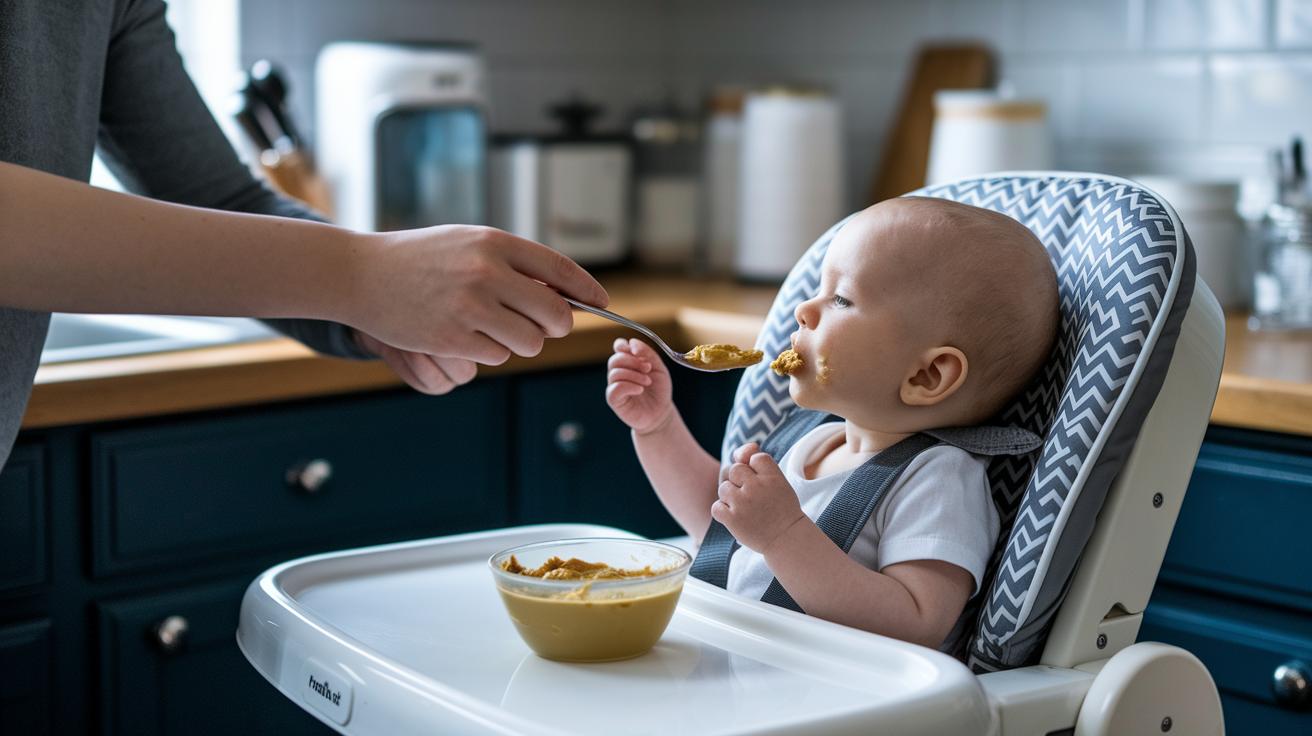
At 9 months, your little one is busy growing and exploring the world. Milk and solids each play a big part in building that tiny body. Breast milk or formula usually gives about 400-500 calories a day, while solid foods can add another 300-400 calories to keep the energy up.
Each meal can include around 2-4 tablespoons of food. For instance, you might offer 3 tablespoons of a smooth vegetable puree, 2 tablespoons of mashed fruit, and 2 tablespoons of protein like pureed meat or soft-cooked lentils. This easy guide helps you adjust portions based on your baby’s hunger and growth.
Every baby is unique, so listening to your little one’s signals is really important. Watch for signs like turning away from food or reaching out for more, and use those cues to decide if you need a little extra or a bit less.
| Food Category | Serving Size per Feeding |
|---|---|
| Vegetable Puree | 2-4 Tbsp (Try 3 Tbsp) |
| Mashed Fruit | 2 Tbsp |
| Protein (Meat, Lentils) | 2 Tbsp |
| Iron-Fortified Cereal | 2-4 Tbsp |
Safe Feeding Practices and Allergen Introduction
Always sit your baby in a high chair when it’s mealtime to keep them safe while eating. It’s best not to feed your little one on the move because a calm, stable setting can help prevent any choking risks. Begin with simple foods and wait until your baby is used to basic solids before trying foods that might cause an allergy, like peanut butter, eggs, or fish. For example, you might mix a tiny dab of peanut butter into some fruit puree to gently introduce that new taste.
When you’re cooking meats for your baby, make sure they are cooked to a safe temperature (165°F) so they are ready for your little one’s tummy. Also, hold off on giving honey or unpasteurized dairy until after your baby turns one since these can sometimes cause health issues at that age.
If your baby is dealing with teething discomfort, cool foods like a smoothie or frozen fruit in a mesh feeder can be very soothing. And don’t forget to always keep an eye on your baby during mealtime. This helps you quickly notice if they need any extra help or if something isn’t quite right.
Remember that introducing foods that might cause an allergy in small amounts can help your baby’s developing immune system grow stronger. Slowly adjust the portions over time and watch their reaction carefully. This gentle, patient approach creates a warm, safe space for your baby to explore and enjoy new tastes.
Quick Meal Prep and Recipe Ideas for 9-Month-Olds
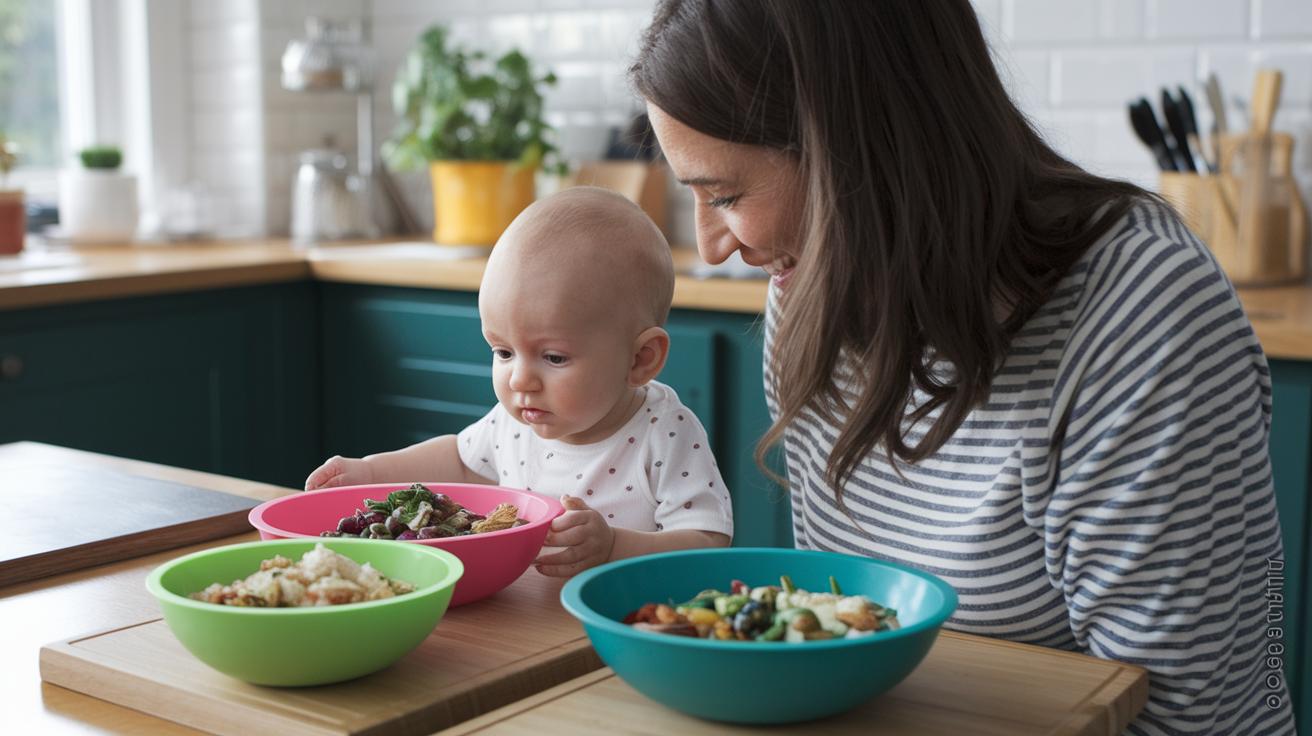
Here are some simple meal and snack ideas that can help make your day a bit smoother while keeping your little one smiling and satisfied.
Imagine starting the day with a scrambled egg and veggie omelet paired with soft fruit. Whisk a couple of eggs, gently mix in tiny bits of your favorite veggies, and serve with small pieces of soft fruit like banana. It's a warm, comforting breakfast that feels just right.
Another idea is baby meatballs with mashed potatoes and soft-cooked green beans. You can mix 1 lb of ground meat with ½ cup of oat flour, 1 egg, and 2 teaspoons of oregano. Roll the mixture into little balls and bake them until they're tender. Serve them alongside creamy mashed potatoes and steamed green beans for a complete meal.
For a snack that’s perfect for little hands, try steamed soft-cooked veggie sticks. Steam carrots, zucchini, or even sweet potatoes until they’re very soft, then cut them into finger-friendly sticks. They not only taste great but also help your baby build self-feeding skills.
If you're looking for something cool and soothing, homemade fruit popsicles can be a hit. Blend your baby’s favorite fruit with a bit of water or breast milk, pour the mixture into popsicle molds, and freeze. These treats are fun and can be especially soothing during teething days.
Next up, consider a quick smoothie cup. Blend together apple, banana, and a small scoop of oatmeal for a refreshing snack. Serve it in a baby-safe cup so your little one can enjoy every sip.
Sometimes, it’s handy to have a nourishing option available, so keep some ready-to-serve packaged purees on hand. They’re great for when you’re in a rush or need an extra helping of nutrition.
Lastly, mini pasta bites with a yogurt dip are another playful idea. Use small, soft pasta shapes and mix in finely chopped, steamed veggies. Serve them warm with a dollop of plain yogurt for dipping, giving your baby a little taste adventure.
Each idea is easy to prepare ahead and can be mixed or adjusted based on your baby’s appetite and routine. Enjoy these little moments of meal prep that feel like a cozy chat between friends.
Final Words
In the action from planning to preparing, this post walked through nutrient needs, portion sizes, textures for self-feeding, and safe practices while introducing food for 9 months. It provided a clear meal plan and simple recipe ideas to help shape every feeding moment. The insights on balancing breast milk or formula with solids and handling allergens give clear, practical steps. Every tip is designed to help you confidently tackle feeding, ensuring happy, healthy meals that grow with your little one. Enjoy this time of discovery and care.
FAQ
Q: What does a meal plan for a 9-month-old baby look like?
A: A meal plan for a 9-month-old baby blends scheduled meals with nutrient-dense purees, cereals, proteins, fruits, and veggies, while still including breast milk or formula for essential calories.
Q: What foods are good for a 9-month-old baby, including for a baby boy, breastfed baby, and those following baby-led weaning?
A: The foods that work well for a 9-month-old include iron-fortified cereals, pureed meats, soft vegetables, fruits, and small amounts of scrambled egg, making them suitable for breastfed babies and accommodating baby-led weaning practices.
Q: What finger foods can I give my 9-month-old?
A: The finger foods ideal for a 9-month-old consist of steamed veggie sticks, soft fruit pieces, and bite-sized teething-friendly snacks that support the development of self-feeding skills.
Q: Can my 9-month-old eat regular food?
A: A 9-month-old can eat regular food if it’s mashed or cut into very small, soft pieces, ensuring that textures are safe and easy to chew for little ones.


