
Have you ever thought that tiny changes might help you feel better after having your baby? Lots of moms go through restless nights and swirl of emotions when everything seems to shift. In this piece, some real moms chat about how simple routines and quiet moments helped them find a sense of calm. Their stories show that healing often starts with small acts of care and self-love. Let’s dive into these heartfelt experiences and see how little steps can brighten our days.
Postpartum Healing Narratives: Real Mothers’ Triumphs Over Post-Birth Challenges
Sarah is a new mom who felt very anxious after her baby was born. She struggled with restless nights and endless worries, but she also found little ways to feel better. She started a calming routine each night. I even remember her sharing, "I once paced my living room with soft music playing, which really helped quiet my racing thoughts." Over time, Sarah learned that simple, gentle strategies can lead to brighter days.
Janet is another mom, 32 years old, who had dealt with depression and anxiety before her baby arrived. Her journey shows us that healing isn’t one-size-fits-all. By asking for help and trying mindful practices, she began to notice small improvements. Moments like enjoying a quiet cup of tea or a brief walk started to bring back her emotional balance.
There’s also a mom who had long struggled with endometriosis and began to worry about postpartum depression a few months after giving birth. At first, she wasn’t sure if true healing was even possible. But with steady effort and the right support, by nine months she began to feel more like herself again. Her story is a warm reminder that every recovery path is different, and healing can come in many forms.
These heartfelt stories, full of both challenges and triumphs, remind us of the resilience and courage that lives in every mom. Even when the early days are tough, reaching out for help and staying determined can lead to recovery and lasting joy.
Common Themes in Postpartum Healing Success Stories
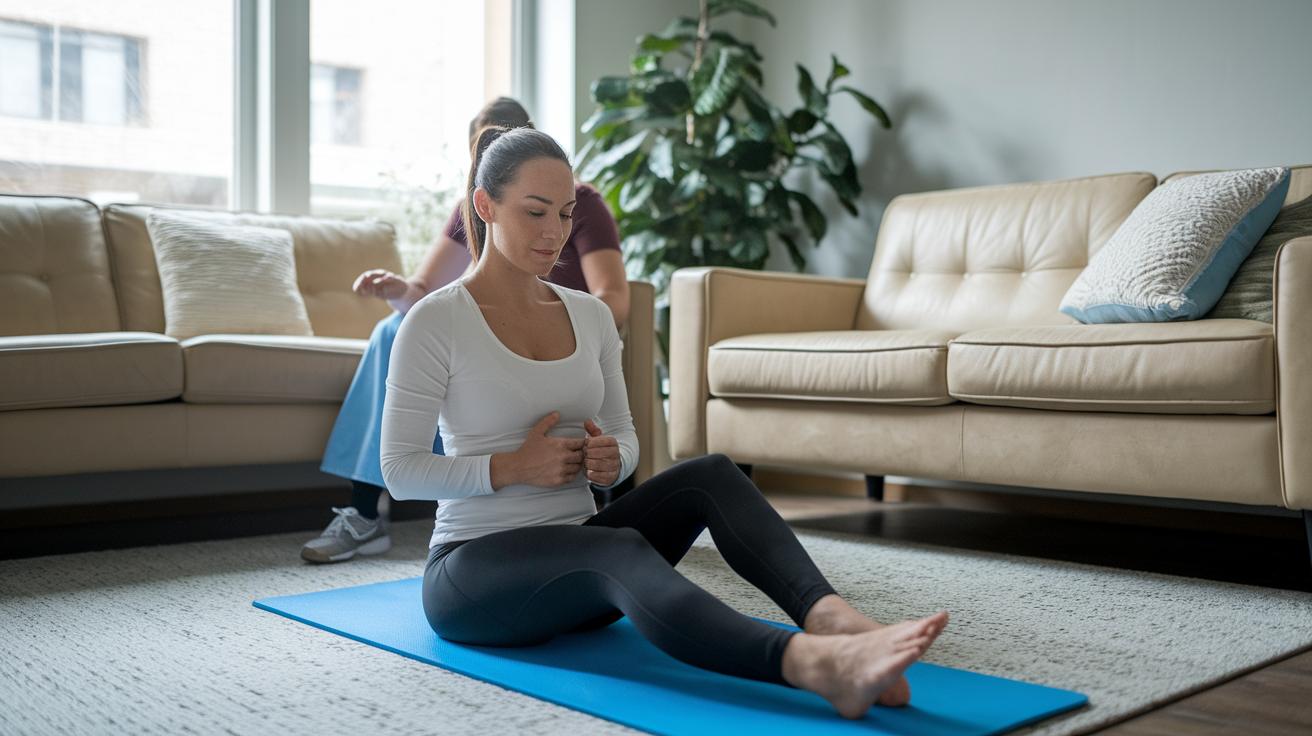
Many moms often find themselves facing both physical aches and emotional ups and downs after giving birth. About 10 to 20 percent of new mothers feel signs of being down after delivery (think anxiety or nights when sleep just won’t come). Sometimes, they share how sleep felt out of reach as their minds kept racing while they tried to catch a little bit of calm in their daily routines.
Recovery can also bring along some physical hurdles. Nearly 70% of moms deal with pelvic floor issues (like unexpected leaks, discomfort, or a sudden need to rush to the restroom). Some have experienced tougher injuries like Grade Two perineal tears, which might lead to ongoing pain and challenges in everyday activities, while others face a milder issue, a Grade One uterine prolapse, that can slow them down and cause discomfort.
Still, many brave recovery journeys show us that even these tough challenges can be gradually overcome with some targeted support. Their stories remind us that every little step counts. Common hurdles they often get past include:
These shared stories remind us that while every recovery path is unique, combining emotional and physical healing is what makes postpartum success stories so powerful. Every bit of progress is something to be celebrated.
Essential Recovery Strategies from Postpartum Healing Journeys
Many moms find that caring for both their body and emotions makes a big difference. Take Jackie’s story, for example. She joined a pelvic floor therapy program that mixed gentle hip moves, lunges, and stability exercises with some hands-on therapy and a personalized home workout plan. By her fourth session, Jackie was able to enjoy cross-country skiing without pelvic discomfort. By her sixth visit, the everyday pain that once made simple tasks hard was mostly gone, with only a slight twinge when she pushed herself during more vigorous activity.
If you’re experiencing stress incontinence, sudden urges, or pelvic pain, you might benefit from a similar gentle exercise approach. One friendly tip is to start slowly with basic moves and gradually build your strength. Before Jackie could run with her toddler, she began with simple hip-hinging exercises that grew her strength and confidence step by step.
Taking care of your emotional well-being is just as important as physical recovery. Many moms have found relief by talking with a professional counselor, trying methods like Brainspotting Therapy or Internal Family Systems sessions, or even exploring NeurOptimal® NeuroFeedback to ease anxiety and improve sleep. These supportive therapies work nicely alongside physical exercises to create a balanced path to healing.
When you combine targeted physical workouts with emotional support, you often feel better overall. Here are a few steps to keep in mind:
| What It Helps | How It Helps |
|---|---|
| Pelvic Floor Exercises | Eases stress incontinence and pelvic pain |
| Home Exercise Routine | Guides you to steadily build strength |
| Counseling & Therapy | Helps reduce emotional stress |
Every little step matters. Even the smallest change can lead to a fuller recovery and a renewed sense of self. Have you ever noticed how a tiny shift can brighten your day?
Professional Support and Therapies in Postpartum Healing
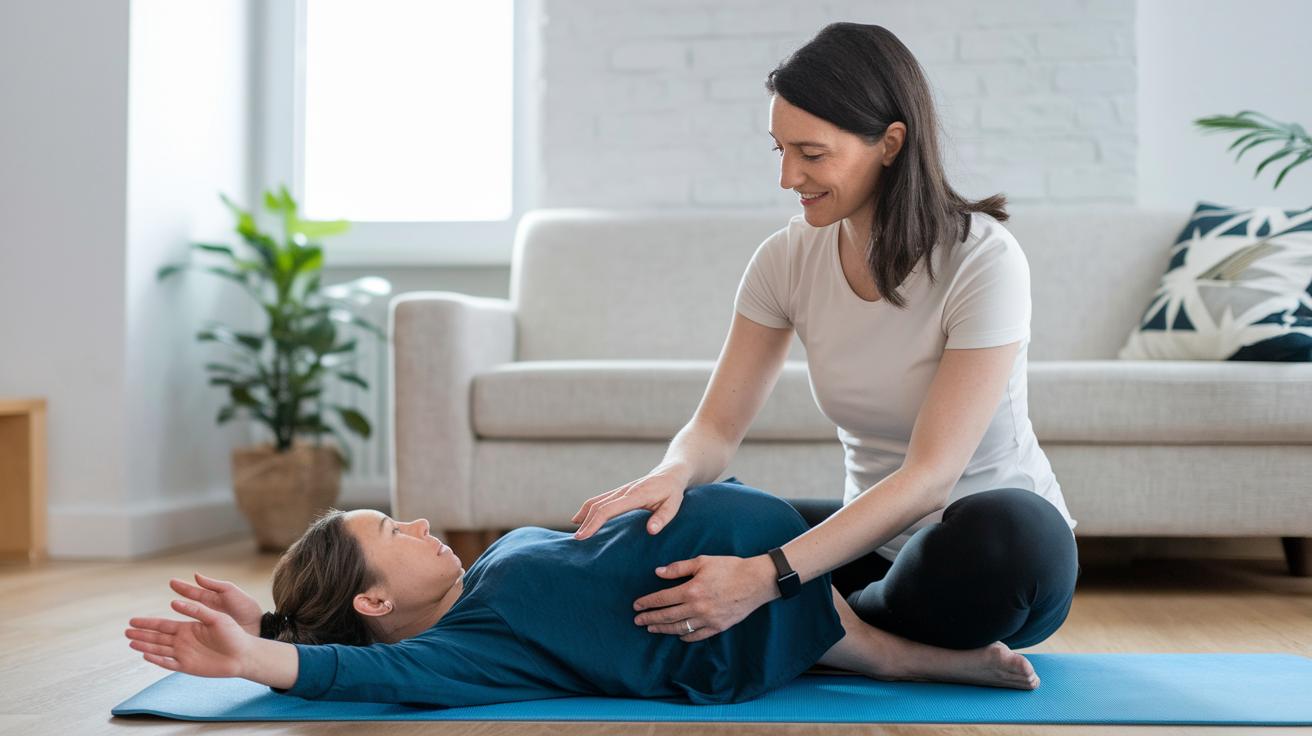
Specialists are now offering guided sessions that mix gentle pelvic floor exercises with heartfelt emotional support. Each session is broken down into clear steps, starting with warm-up moves that help rebuild your core strength, followed by caring emotional techniques like Brainspotting and Internal Family Systems (a method that explores parts of your inner self). One mom shared, "My neurofeedback session brought me a sense of calm, and it made my recovery feel quicker and more focused."
Experts are rolling out detailed plans for each session. A typical meeting might begin with simple exercises to ease muscle tension, then shift into an open conversation where you can share your feelings. For example, a therapist might walk you through hip-hinging exercises and then move into a neurofeedback routine, where changes in your brainwave patterns help guide techniques for letting go of emotional stress.
| Therapy Type | Benefit |
|---|---|
| Pelvic Floor Therapy | Boosts muscle strength and can ease issues like incontinence and pain |
| Emotional Counseling | Helps build mental well-being and can reduce feelings of anxiety and depression |
| Advanced Modalities (Brainspotting, Neurofeedback) | Uses focused techniques to guide brain activity for smoother emotional balance |
If you’re looking for more support with emotional wellness and a positive self-image after baby, you might want to explore the postpartum body image support available at WomensConference.org?p=14069.
Sustaining Well-Being: Postpartum Self-Care Victories and Beyond
Recent studies show that celebrating little wins can really lift your spirits and ease stress. Moms who spend just a few minutes noticing even small successes, like a quick five-minute mindful breathing break or a few gentle stretches, often feel better mentally. One mom shared that after a soothing yoga session at home, she felt more energized and calm.
There are plenty of creative self-care ideas to help with recovery after childbirth. Try starting a simple journal and write down those everyday victories, like savoring a cup of tea in a quiet moment or sharing a laugh with your baby. It might seem small, but research tells us that these tiny celebrations build emotional strength and keep your outlook positive. Have you ever noticed how a quick pause to appreciate yourself can brighten your whole day?
And here’s another friendly suggestion: add a little playfulness to your routine. When the day feels too heavy, take a minute to move slowly or even dance to your favorite song. This small, joyful break can help shift your mindset, making self-care both creative and heartfelt.
| Self-Care Tip | Benefit |
|---|---|
| Mindful Breathing | Mood boost and relaxation |
| Celebratory Journaling | Enhanced self-awareness |
| Gentle Movement | Increased energy and positivity |
Final Words
In the action of real-life recovery, mothers shared how they faced and worked through physical and emotional challenges. They discussed dealing with anxiety, pelvic issues, and the ups and downs of self-care. The article highlighted how professional support and personal efforts can lead to genuine recovery, one small win at a time. Every shared experience reminds us that healing is possible and progress is real. May these postpartum healing success stories spark hope and confidence in every step ahead.
FAQ
What common themes emerge from online postpartum healing success stories on Reddit and forums?
Online posts show real experiences where moms share both struggles and successes in postpartum healing. They emphasize open discussions about physical recovery, emotional shifts, and useful self-care tips shared within supportive communities.
What do C-section postpartum healing success stories reveal?
C-section success stories reveal that moms often overcome surgical challenges by combining proper care, gentle physical therapy, and supportive follow-ups, ultimately regaining strength and confidence after birth.
What insights do postpartum depression and challenging recovery narratives offer?
These stories illustrate that even when recovery feels overwhelming, many moms find relief through effective therapies and support, turning tough experiences into milestones of personal resilience.
How long does it usually take for the body to fully heal postpartum?
Healing after birth varies by individual, but many moms note significant improvements within 6 to 9 months, with full recovery depending on overall health, type of birth, and care routines.
What does the “5 5 5 rule” postpartum mean?
The “5 5 5 rule” postpartum encourages moms to spend 5 minutes on mindful breathing, perform 5 gentle stretches, and offer themselves 5 affirming thoughts, supporting both emotional and physical recovery.
What helps speed up postpartum recovery?
Recovery speeds up when moms combine guided physical therapy, proper nutritional support, restful sleep, and professional counseling, all of which work together to foster a smoother and more confident healing process.
What is the 40-day rule after birth?
The 40-day rule after birth suggests a period for new moms to rest, bond with their baby, and gradually ease into daily routines, allowing them time to heal and adjust to motherhood with gentle care.