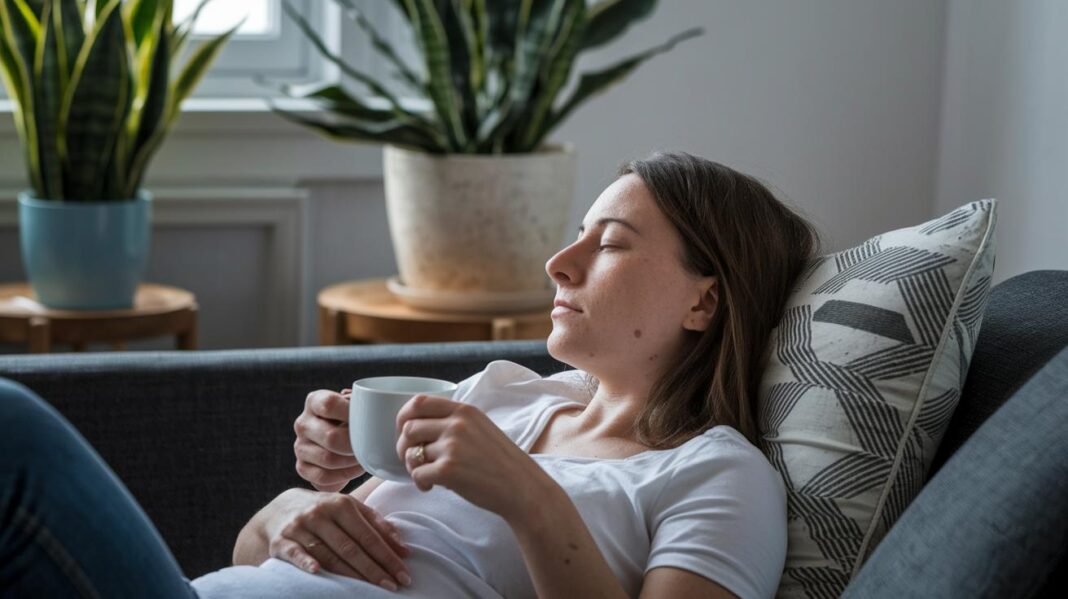
Are you a new mom feeling like everything is moving too fast? It’s completely normal to feel stressed after having a baby, and sometimes it feels like there’s simply no time to stop and breathe.
I want to share a few easy ways to help bring some calm to your day. Try taking slow, deep breaths or even pausing for a quick mindfulness break. These gentle techniques can help center your thoughts and lift your mood.
Sometimes, a small change can make a big difference in how you feel. Ready to give it a try?
Postpartum Stress Relief Healing Techniques: Embrace Calm
Let’s explore a few gentle steps from our guide to mental wellbeing after childbirth that can help you find some calm in your day. These ideas are simple enough to slip into even the busiest of schedules.
- Deep breathing exercises – Take slow, deep breaths. They help you settle your mind, whether you’re soothing your baby or stealing a quiet moment for yourself.
- Brief mindfulness breaks – Try pausing for just a minute to center your thoughts. Focus on the here and now and let the stress of the day fade away.
- Quick low-impact movement – A brief stroll with your stroller can give you a burst of fresh air and lift your mood, all while getting your heart moving a little.
- Music snippets for mood shift – Play a favorite tune for a few moments. That familiar sound can brighten a cloudy day or give you a boost when you really need it.
- One-minute journaling prompts – Spend one minute jotting down a thought or a moment of gratitude. It’s a small step that can offer a big burst of insight and comfort.
These little techniques are designed with busy moms in mind. They offer easy, effective ways to manage stress while you care for yourself and your family. Have you ever noticed how a small change like taking a short break can make your day just a little bit brighter?
Holistic Postpartum Stress Relief Strategies
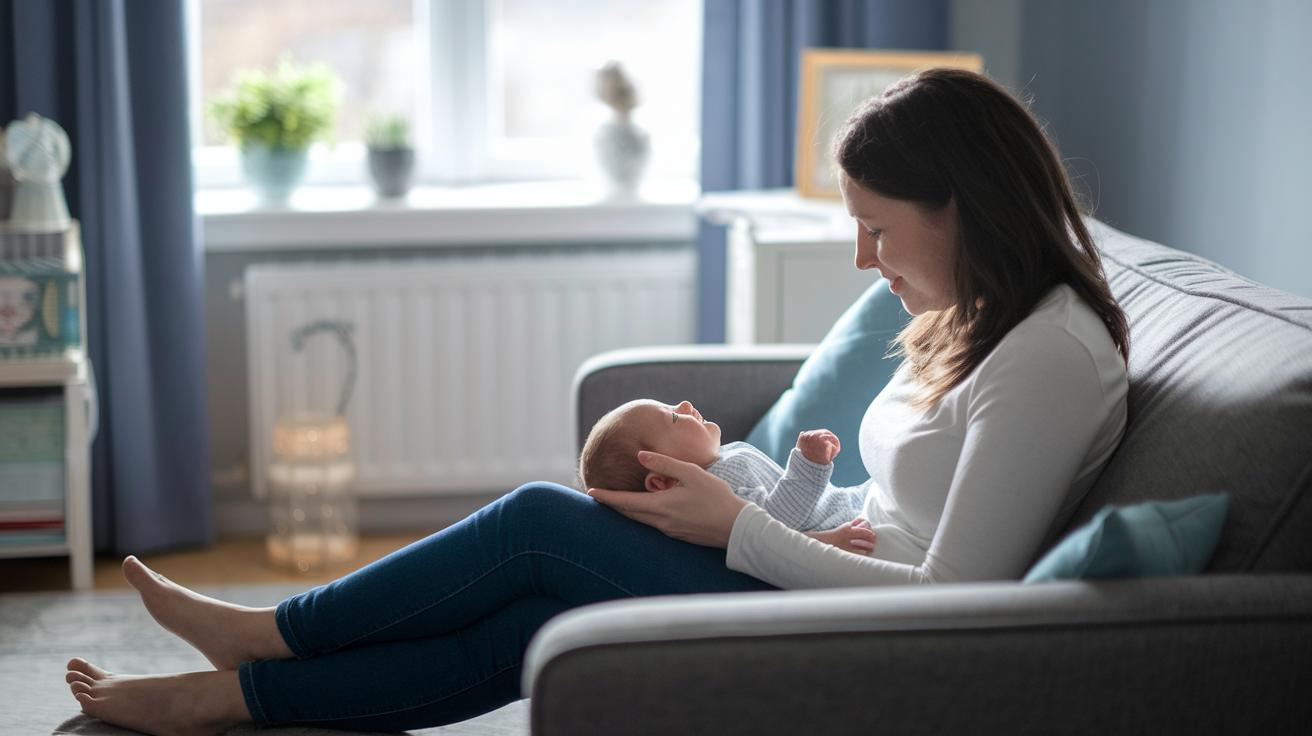
Right after your baby arrives, during those first 1–2 weeks, many moms need lots of rest and gentle self-care. This is the perfect time to try supports like pelvic floor physical therapy (helping with muscle strength and comfort) to ease soreness and build a smooth path for recovery.
In the next few weeks, up to about 3 weeks, when emotions can feel all over the place, it helps to lean on lactation support and connect with other moms in peer groups. These kinds of resources offer handy tips and a warm community feel when you might be feeling extra overwhelmed.
By the six-week checkup, many moms start to notice little improvements. Guided exercise classes, with low-impact moves, can help you gently get back into activity while keeping your recovery safe and steady.
Around the three-month mark, if you’re still feeling a bit of aches, trying a postpartum massage might be just the thing. It can soothe lingering soreness and help you relax as your energy slowly comes back. And as you settle into new daily habits, you might find some useful ideas in postpartum lifestyle tips (https://womensconference.org?p=14221).
Finally, remember that full recovery can take anywhere from 6 to 12 months. A balanced mix of physical therapy and leaning on community support can be a caring way to nurture both your body and mind every step of the way.
Nutrition and Physical Recovery for Postpartum Stress Relief
Taking care of your body after childbirth is all about gentle nutrition and easy movement. Drinking plenty of water each day is a simple yet effective way to keep your body happy and healthy. Eat balanced meals filled with lean proteins, whole grains, and lots of fruits and vegetables. Think of it like making a colorful plate with grilled chicken, vibrant veggies, and a side of brown rice to help your body feel loved and to ease stress.
Light exercise can make a big difference in your recovery too. A daily 20-30 minute walk around your neighborhood or at the park not only gets your blood flowing but also lifts your spirits. You might even add some pelvic floor exercises to gently strengthen your muscles and help prevent issues later on.
If you’ve had a c-section or an episiotomy, a little extra care goes a long way. Listen to your doctor’s advice about taking care of scars and watching for signs of infection. Even small changes in your diet and daily routine can reduce stress and boost your overall recovery. Balancing yummy, healthy food with gentle movement supports both your body and your feelings during this special time.
Mindfulness and Relaxation for Postpartum Stress Relief

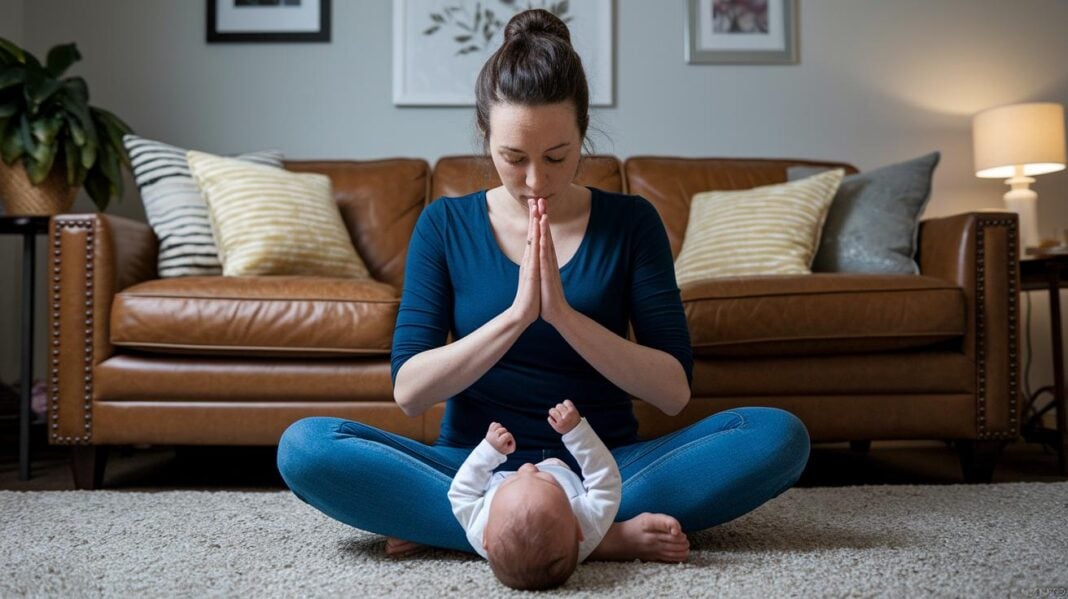
Take a moment for deep, belly-breathing. Sit or stand in a comfy spot with your body relaxed. Breathe in slowly through your nose while counting to four, hold just a bit, then breathe out through your mouth for a count of eight. You can even include your little one, hold them close and take these mindful breaths together. It might help to say quietly to yourself, "Breathe in calm, breathe out stress."
Next, try some guided visualization. Find a quiet space, close your eyes, and picture a gentle scene. Maybe imagine the soft glow of a sunrise or little ripples on a calm lake. You could start with words like, "I see warmth and light wrapping me like a soft blanket," and let that image comfort you during stressful moments.
Another loving practice is gratitude journaling. Each day, write down one thing you appreciate, maybe it’s the sweet look in your baby’s eyes or a quiet moment at the end of the day. These small notes can add up to a big reminder of joy through the ups and downs of the postpartum period.
Expressive writing is a nice way to go deeper. Give yourself a few minutes to write down whatever comes to mind, even if it feels like random scribbles. You might use a digital journaling app or simply a notebook. These quick sessions can help you track your feelings and notice small wins along the way.
Finally, mix in some music with gentle movement. Create a calm playlist and let the soothing tunes guide you. Whether you take slow steps or stretch softly, the music can turn a simple moment into a time for mindful relaxation.
Professional Support Options for Postpartum Stress Relief
Sometimes, you might notice that you're feeling really down, not sleeping well, or your eating habits seem off. When these changes start to pile up, it could be a good idea to talk with a mental health expert who understands what you’re going through. A caring conversation can bring a sense of relief when everything feels heavy.
Many moms find that different types of help work well for them. For example:
- CBT is great for changing negative thoughts into more hopeful ones.
- Holistic therapies care for both your mind and body.
- Somatic therapies focus on body sensations to help ease emotional pain.
Also, connecting with other moms can be so comforting. Joining a support group or finding postnatal emotional support creates a safe space where you share your ups and downs. And if meeting in person is too much right now, telehealth counseling is a simple way to chat with someone who cares.
Don’t forget about self-help tools, too. Short guides for anxiety relief, easy goal-setting worksheets, or postpartum care tips can offer little practices to boost your daily well-being. Even just five minutes a day might help you feel a little more like yourself.
Cultivating Self-Compassion in Postpartum Stress Relief
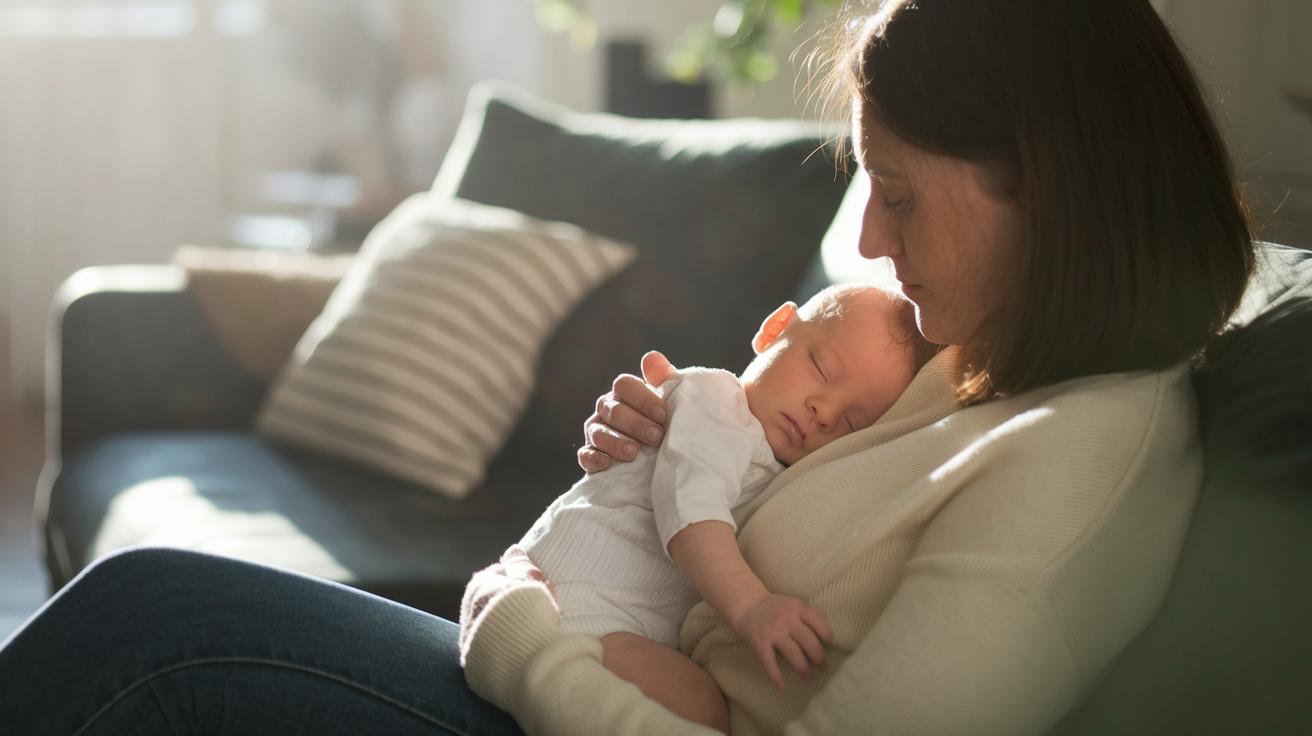
After childbirth, life can feel unpredictable. There are nights when sleep seems out of reach and moments when feeding and shifting emotions catch you off guard. It’s okay to feel tired or even overwhelmed. Remember, even the smallest victories, like a quiet minute to yourself, are important.
Give yourself credit by saying, "I'm doing my best." For example, you might tell yourself, "I enjoyed a quiet minute with my baby today," and celebrate that achievement. It’s a gentle reminder that every little step matters.
Here are a few simple practices to help you through this new chapter:
Each small act of self-kindness builds your inner strength. Recovery is a gradual journey, and every little bit of compassion you share with yourself helps lay a strong, loving foundation for the days ahead. Have you ever noticed how even a tiny moment of care can brighten your day?
Final Words
In the action of taking care of yourself, this guide offered five quick techniques to ease stress and boost calm. It shared strategies from deep breathing and mindfulness moments to gentle movement and simple journaling steps. There’s also practical advice on nutrition, gentle exercise, and seeking support when needed. Each tip is designed to help you relax, grow, and feel more confident. Embracing these postpartum stress relief healing techniques can make every day feel a little lighter and more hopeful.
FAQ
What insights does Reddit offer about postpartum anxiety?
Insights from Reddit reveal that many mothers share feelings of deep worry and isolation. They openly discuss their struggles, offering real-life coping tips that emphasize self-care and support from their community.
What are common symptoms of postpartum anxiety?
The common signs of postpartum anxiety include constant worry, difficulty sleeping, racing thoughts, and physical tension. These symptoms often surface soon after childbirth and can be managed with early self-help and support.
How can a postpartum anxiety quiz help?
A postpartum anxiety quiz helps by guiding you to notice signs of anxiety. It offers a quick self-check to determine if your feelings may need extra support or professional guidance.
What treatment options help manage postpartum anxiety?
Treatment options for postpartum anxiety include counseling, supportive groups, and sometimes medication. Many new mothers benefit from therapy that provides strategies to manage intrusive thoughts and adjust to motherhood.
How long does postpartum anxiety typically last?
The duration of postpartum anxiety changes for each person. Some moms notice improvements within weeks, while others may experience symptoms for several months before finding relief.
What are ways to ease postpartum anxiety at night?
Easing postpartum anxiety at night might involve deep breathing, calming music, a warm routine, or a quiet space. These simple steps help soothe your mind and prepare you for a more restful sleep.
What is the 5 5 5 rule postpartum?
The 5 5 5 rule postpartum is a quick method to ease stress. It suggests taking five minutes to practice deep breathing, list five things you’re grateful for, and perform five gentle stretches for a fast reset.
What practices may help you heal faster after giving birth?
Healing faster after birth often includes plenty of rest, balanced nutrition, gentle movement, and mindfulness. These practices support both physical recovery and emotional peace as you adjust to motherhood.
What are the signs of postpartum depression and panic attacks?
The signs of postpartum depression and panic attacks include overwhelming sadness, a loss of interest in activities, sudden feelings of panic, and persistent anxiety. Recognizing these signals early can lead to timely professional help.
How can you calm your nervous system postpartum?
Calming your nervous system postpartum can be achieved through deep breathing, mindfulness exercises, light yoga, or taking short walks. These actions help lower stress and bring a comforting sense of calm.