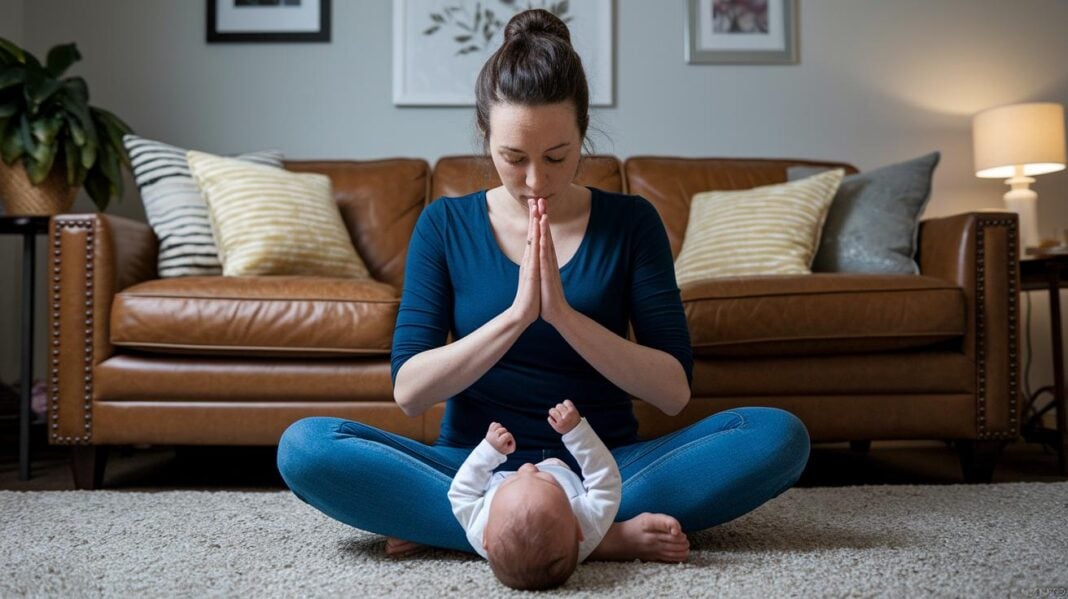
Have you ever wondered why it seems to take a while for your body to feel like itself again after birth? Many moms describe healing as slowly putting together a gentle puzzle. In the months after your little one arrives, small habits, like eating wholesome foods and trying to get a bit more sleep, can really help boost your recovery. In this post, I share easy, caring tips to support your healing process. I hope you find them as comforting as a warm, reassuring hug during these special early days of motherhood.
postpartum immune healing tips: Boost recovery naturally
After you have your baby, your body starts its healing journey. It might take around 3 to 4 months for your immune system to bounce back. During pregnancy, your body naturally eases off some immune responses, and if you need antibiotics during delivery, especially with surgical births, it can change the good bacteria in your gut where most of your immune cells live.
Focusing on a few key things early on can really help your recovery. A great place to start is your gut. A balanced gut helps support your immune system and overall healing. Try adding probiotics with Lactobacillus and Bifidobacterium, and enjoy fermented foods like yogurt, kefir, sauerkraut, or kimchi. Think of these foods as little helpers, rebuilding your body’s defenses as gently as a warm hug.
Sleep is another important part of healing. New moms often find sleep hard to come by, and not getting enough can raise inflammation and lower key immune cells. Consider small changes that make a big difference, like darkening your room, turning off screens an hour before bed, and keeping your sleeping space cool. These tweaks might seem simple, but they can really help you feel more rested.
Good nutrition and managing stress are key, too. Eating whole, nutrient-rich meals gives your body the fuel it needs to rebuild and repair. And when stress pops up, even a few minutes of deep breathing or a mini meditation break can help keep your stress hormones in check. It’s all about taking those little moments for yourself, just like you’d savor a favorite cup of tea on a busy day.
Each of these steps, caring for your gut, improving your sleep, eating well, and managing stress, is like a brick in the foundation of your postpartum recovery. Remember, healing is a gentle process, and each small change can help you feel a little bit better every day.
Optimizing Gut Health for Postpartum Immune Recovery
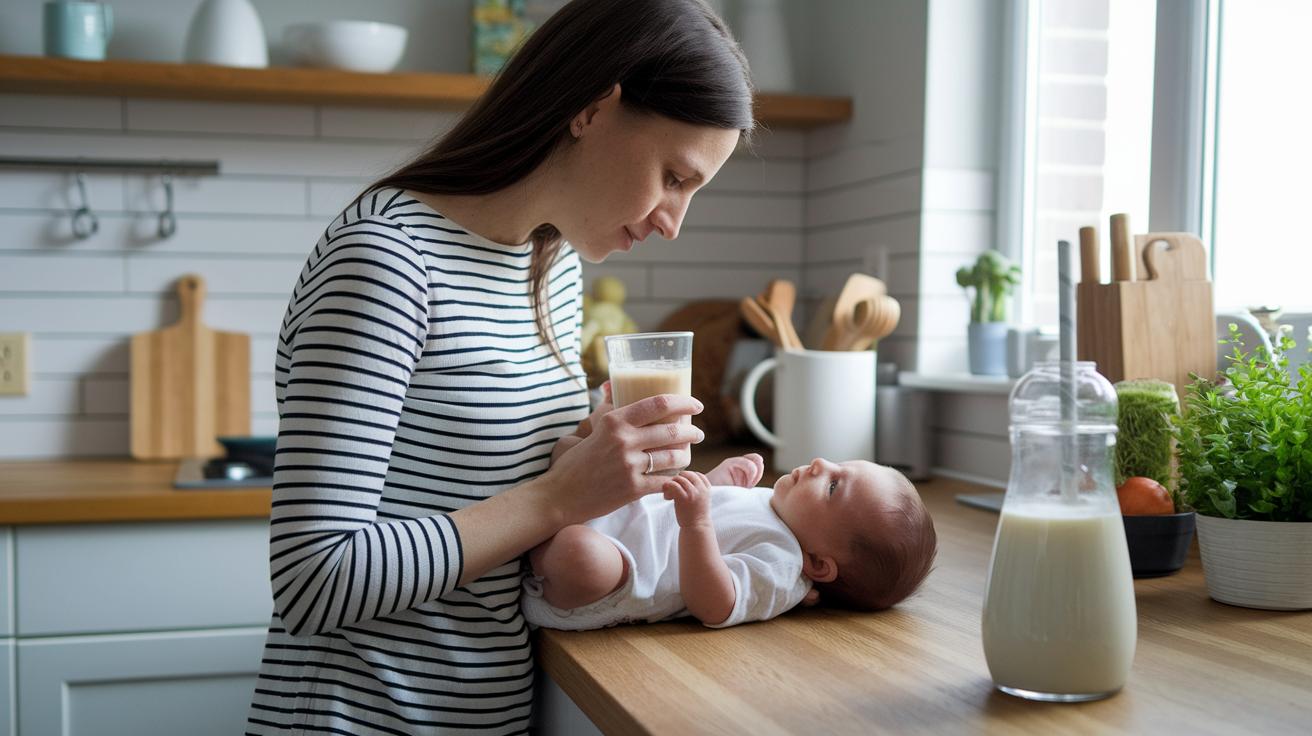
About 80% of your immune cells live in your gut, and that's pretty amazing. After giving birth, especially if you needed antibiotics after a C-section, it's a good idea to help your body rebuild its friendly bacteria. Probiotics, like those with Lactobacillus and Bifidobacterium, can be great allies during this time.
Fermented foods such as yogurt, kefir, kimchi, and sauerkraut help create short-chain fatty acids that your body needs for tissue repair and keeping your gut balanced. Imagine stirring a spoonful of plain yogurt into your morning smoothie, it’s like adding a little burst of sunshine to your day. Or why not try a kefir smoothie for breakfast, and add a small side of kimchi or sauerkraut at lunch? These simple choices can add a fun twist to your meals while supporting your digestive wellness.
If you’d like more tips on foods and nutrients that help your gut, take a look at "Maternal nutrition and gut health" at https://womensconference.org?p=14299.
Vitamin D and Sunlight Strategies for Postpartum Immunity
Vitamin D plays a big part in keeping your immune system strong after childbirth. It helps wake up T-cells (the little warriors that protect your body) and supports the making of antibodies that keep you well.
Natural sunlight is one of the easiest ways to boost your vitamin D. Try spending about 10 to 15 minutes in the sun a few times each week. It’s like a little gift from nature that refreshes you and gives your healing body a gentle nudge.
If you’re a new mom who is breastfeeding or live somewhere with not much sun, a vitamin D supplement might be just what you need. Keeping your levels above 30 ng/mL helps build a strong line of defense in your body. Taking a supplement each morning can remind you that every small step is important for boosting your immunity.
It might also be a good idea to check your vitamin D levels with your healthcare provider. That way, you’ll know you’re giving your body what it needs during this delicate time. A bit of sunshine and a mindful supplement can really go a long way in helping you feel your best.
Sleep Restoration and Stress Management for Immune Recovery
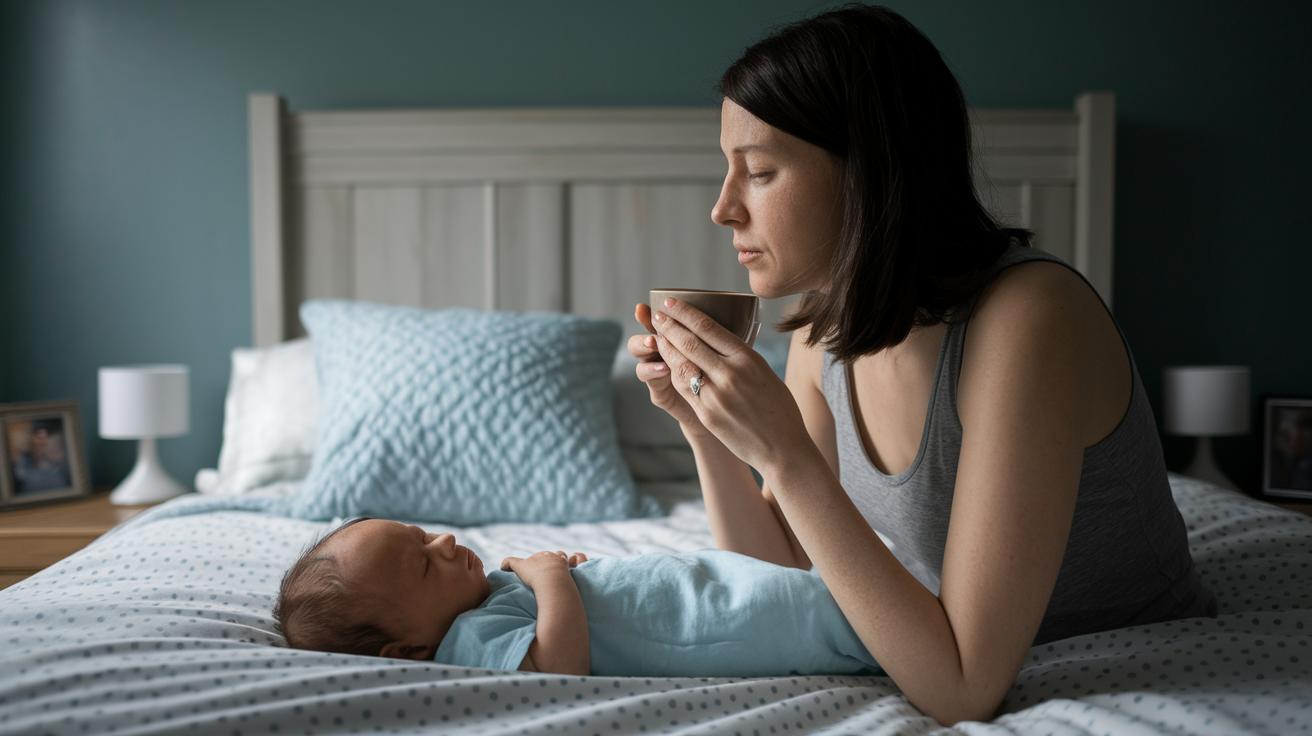
Let’s talk about sleep habits first. When we don’t get enough sleep, our bodies get stressed out and our defenses can weaken. Try making your bedroom darker and cooler, and turn off screens at least one hour before you plan to sleep. Even little changes can help, a soft dim of the lights while you wind down creates a cozy spot for your body to relax.
Some moms find that taking a little extra magnesium (about 200–400 mg each night) can help calm the nerves. Think of it as a gentle way to help your body ease into a peaceful night’s rest.
Now, onto stress. When stress sticks around, our bodies produce more of a hormone called cortisol, and that can slow down our antibodies. Even a few minutes of deep breathing or a little mindfulness can lower those stress chemicals. It’s a bit like pressing a reset button during a busy day. If you’re curious for more ideas, check out the "Guide to mental wellbeing after childbirth" at https://womensconference.org?p=14240.
Here are some simple ideas to try:
| What to Do | How It Helps |
|---|---|
| Create a calm bedtime routine | Helps your body wind down for sleep |
| Keep your sleep space cool and dark | Encourages deep, refreshing sleep |
| Make time for mindfulness or deep breathing | Reduces stress and boosts your body’s defenses |
These small changes can help lower inflammation and support your immune system, especially during the postpartum period.
Anti-Inflammatory Diet and Recovery Nutrition Guidelines
Eating a mix of nutrient-rich foods can gently calm inflammation and help your body repair itself. This kind of balanced eating can bring tissue repair and immune responses in harmony, like a warm, healing embrace. For example, adding fatty fish such as salmon or mackerel gives you a boost of omega-3 fatty acids, a natural way to support your cells.
Berries, bursting with color and anthocyanins, can brighten your plate and bolster your body’s defenses. Pair them with leafy greens rich in vitamins A, C, and K for a meal that feels as vibrant as it tastes. Nuts and seeds add a touch of magnesium and zinc, while whole grains offer fiber that helps maintain healthy short-chain fatty acid production. Imagine a cozy bowl filled with quinoa, a handful of almonds, fresh berries, and a drizzle of olive oil, simple, nutritious, and truly satisfying.
It also helps to keep processed and sugary treats to a minimum, as they might encourage unwanted bacteria in your gut. A little meal prep can be a true lifesaver. Try batch cooking on a quiet afternoon and storing balanced meals in the freezer. This way, on hectic days, you can simply reheat a healthy dish instead of reaching for a quick but less nourishing option.
In truth, planning your meals and making mindful, nutritious choices not only supports your body’s natural healing process but also helps you gradually rebuild your strength day by day.
Herbal Remedies and Supplement Guidance for New-Mom Immunity
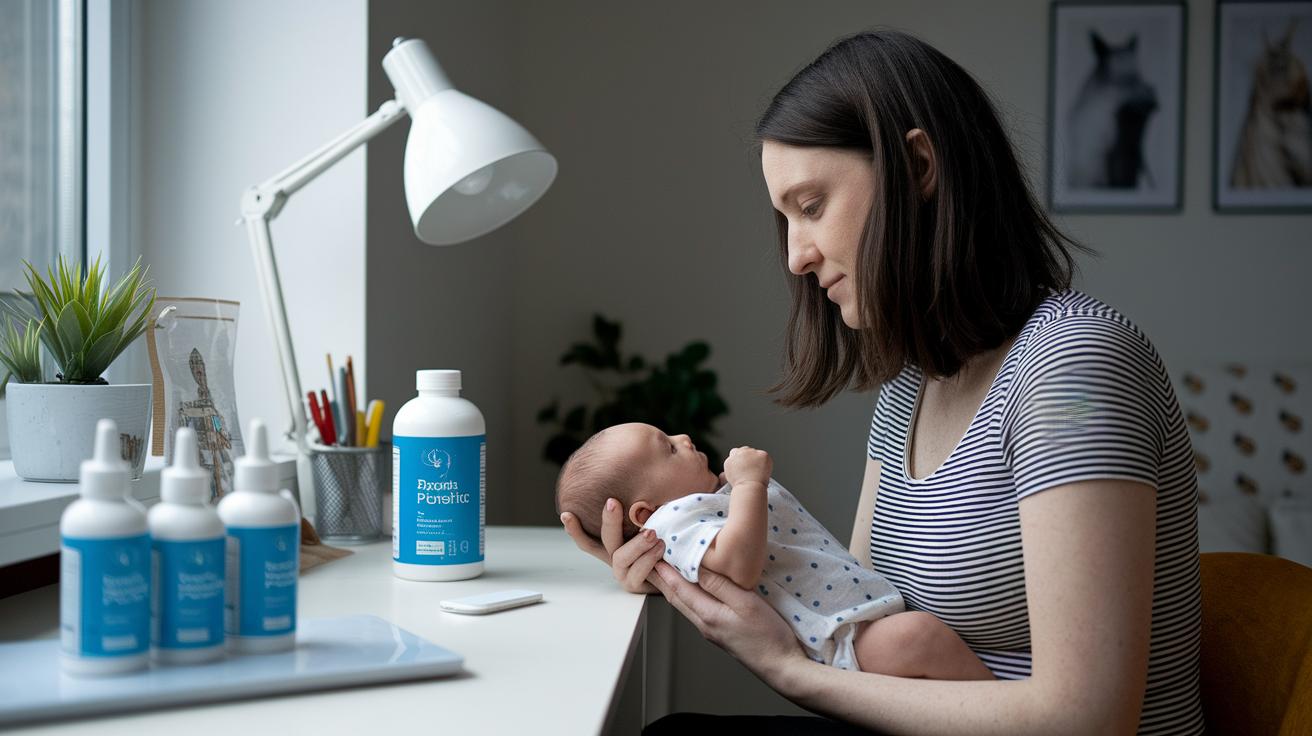
When you’re in postpartum recovery, natural remedies and special supplements can really be your best friends. Research suggests that probiotics and magnesium can help improve sleep and support your gut (the digestive system). Taking around 200–400 mg of magnesium each evening works like a soft, calming whisper to your nerves when sleep is hard to come by.
Herbal adaptogens are another great option. For example, many moms find that taking ashwagandha (about 300–500 mg a day) and holy basil (around 500 mg daily) helps keep cortisol levels steady, letting your body handle everyday stress a bit better. It’s like having gentle coaches by your side, guiding your body through tough days. Have you ever noticed how a small change can really brighten your day?
Micronutrients also boost your immune system. Vitamin C, 500 mg twice a day, helps your body produce antibodies, while zinc (15–30 mg per day) supports healthy cells. Selenium, taken at 55 µg per day, adds a little extra balance to support your overall immunity.
Always chat with your healthcare provider before starting any new supplements, just to be safe. This thoughtful blend of herbs and nutrients offers a gentle boost to your immune system during that important postpartum period.
Self-Care Rituals and Gentle Postnatal Workouts for Immunity
Starting your day with a bit of light movement can give you an energy boost and lend a hand to your immune system. Try a gentle postpartum yoga flow or a simple 10- to 15-minute walk. Imagine stepping out for a quiet stroll and feeling the fresh air wrap around you, it shows that little steps truly add up.
Remember to drink plenty of water during your moves. Since breastmilk is mostly water, sipping before, during, and after your activities can help your body perform its best. It’s like giving your body that refreshing drink it needs to keep going strong.
You might also enjoy a few deep breaths or short breaks for mindfulness. Even taking slow, mindful breaths during your yoga can calm your stress and boost the helpful antibodies your body needs.
When trying out new exercises, focus on moving at your own pace rather than pushing too hard. If a movement ever causes pain or dizziness, it’s completely fine to pause and take it easier. For more tips on safe workout steps, check out Postpartum lifestyle adjustment tips.
By weaving these simple self-care habits into your day, you create a nurturing routine that supports recovery and leaves you feeling balanced and refreshed with every mindful move.
Integrative Holistic Care for Sustained Postpartum Immunity
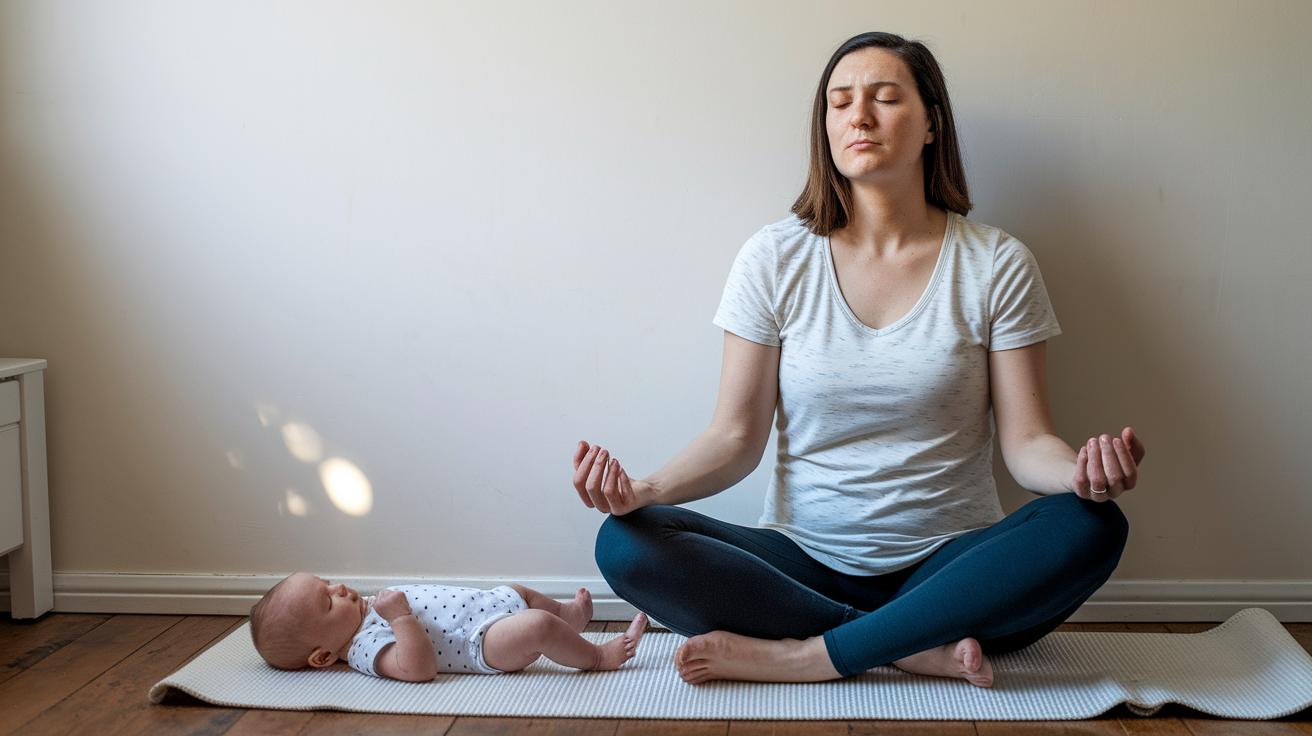
Taking care of yourself after having a baby might seem overwhelming, but a few small steps can make a big difference. Start by mixing gentle movement with short moments of mindfulness. For example, find a quiet spot, close your eyes, and take slow breaths, feel how each exhale relaxes your body.
Next, support your mental well-being with daily routines that work for you. It might be as simple as setting a timer for five minutes, closing your eyes, and picturing your inner calm like a soft, steady glow. This small pause can help ease your anxiety and connect you with your feelings.
It’s also important to care for your vaginal health. Try using warm water and a soft washcloth during your shower, and steer clear of products that might upset your body’s natural balance. Keeping things simple and gentle can help maintain comfort and health.
Now, think of these techniques as pieces of a puzzle that blend with your usual habits like eating well, getting enough sleep, and taking care of your gut. Each step is like a little block that builds a routine filled with care and comfort.
| Step | Practice |
|---|---|
| 1 | Mindful breathing with gentle movement |
| 2 | Short daily meditation or guided imagery |
| 3 | Warm-water cleansing with a soft washcloth |
| 4 | Mixing with routines for sleep, nutrition, and gut care |
Each of these steps is a little act of self-love that builds your strength and brings more calm into your day.
Final Words
In the action, mothers can start by focusing on gut health, sleep, and nutrition to support their recovery. The article shared practical tips on using targeted nutrition, probiotic-rich foods, gentle exercises, and safe herbal supplements that all work together. Each postpartum immune healing tip is designed to help strengthen your system after childbirth. Small, steady changes can make a big difference in your well-being. Keep nurturing yourself and remember that progress, bit by bit, brings renewed strength and hope.
FAQ
How long after birth does your immune system return to normal, and how long does it take your immune system to recover after having a baby?
The immune system often returns to normal within three to four months postpartum as your body recovers from pregnancy-related changes and the stress of delivery.
Is your immune system weaker postpartum and does pregnancy lower your immune system?
Pregnancy naturally lowers your immune system to protect your baby, and after birth, you might feel more vulnerable as your body adjusts and heals.
How do you boost your immune system after pregnancy or postpartum?
Boosting your immunity postpartum involves eating balanced meals, supporting gut health, getting proper sleep, using targeted supplements, and managing stress through gentle relaxation techniques.
Do breastfeeding moms get sick more often?
Breastfeeding moms often benefit from antibodies in breastmilk, which can protect them, though factors like sleep loss and nutritional gaps may sometimes impact their overall well-being.
Why does my immune system suck?
A weakened immune system can be due to the stress and physical demands of childbirth, along with sleep loss and nutritional gaps during recovery, making self-care essential for improvement.
What is the 5 5 5 rule postpartum?
The 5 5 5 rule postpartum suggests taking five minutes for deep breathing every five hours over five days, offering a simple way to reduce stress and support overall recovery.
How can I help my body heal faster after giving birth?
Supporting healing after birth means focusing on restorative sleep, nutrient-rich meals, gentle exercise, stress reduction, and following any supplementation advice from your healthcare provider.