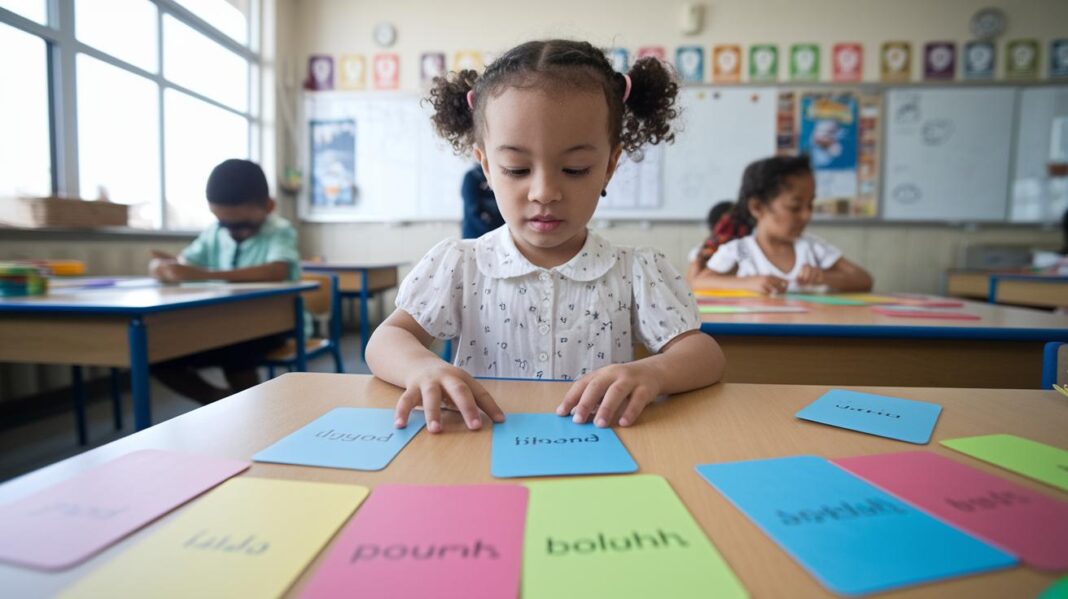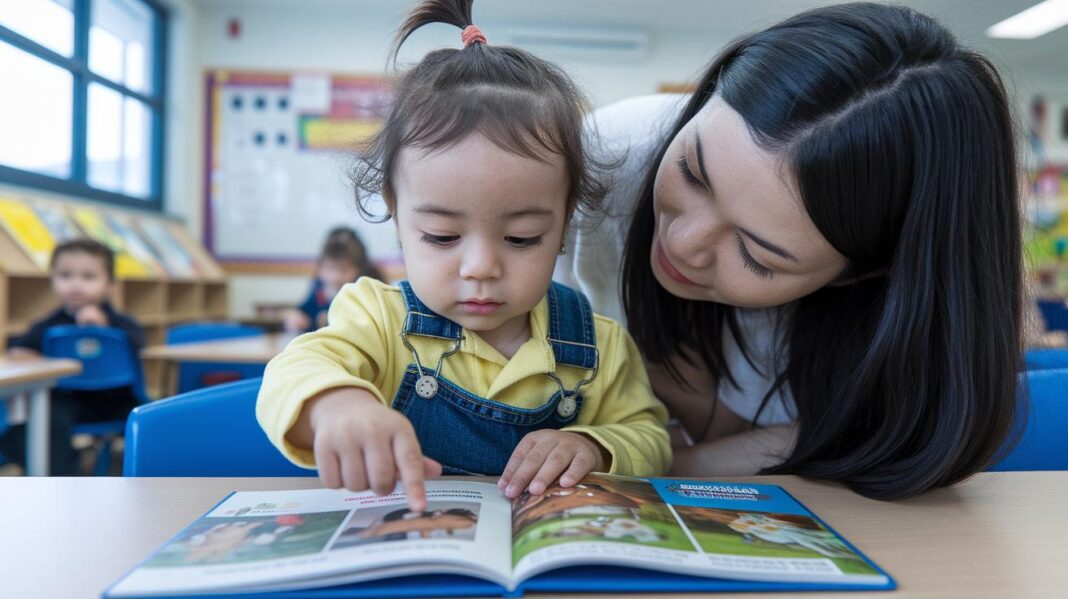
Have you ever noticed how little ones start picking up sounds even before they're born? They listen to the soft, warm tone of their mom's voice and begin to absorb gentle noises that create a bond, setting the stage for a lifetime of connection.
In those early moments, every little sound matters. Simple noises turn into baby babbles, then into words, and eventually help form little sentences. Through these small steps, our children begin learning, making friends, and sharing feelings.
It may seem like a tiny start, but this early growth carries a big impact throughout life.
Key Insights into Early Childhood Language Development
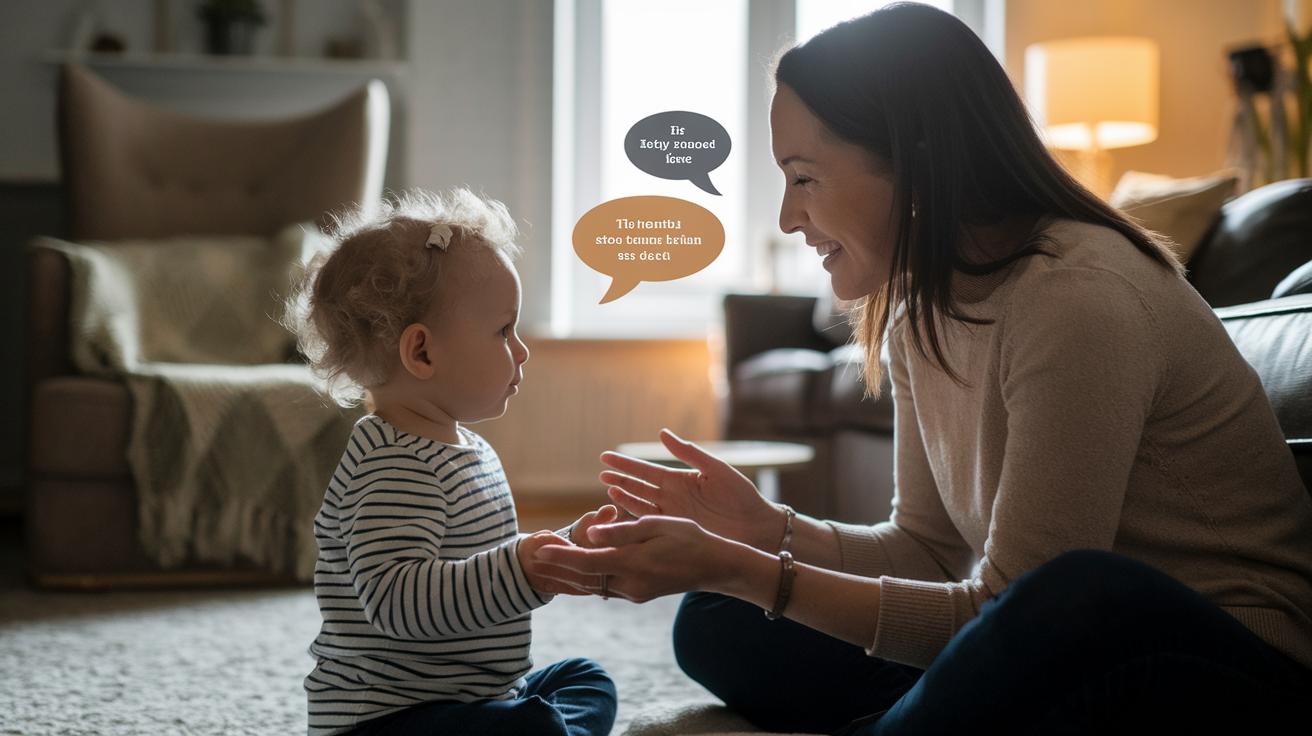
From the very start, even before birth, babies begin to absorb the soft sounds of their mom's voice. While nestled in the womb, they are already tuning in to the gentle pitch and rhythm that brings comfort. Once they're born, that ear for sound blossoms into sweet babbling, then a few cherished words by about 12 to 18 months, and soon little sentences by 2 to 3 years. It's truly amazing how a baby can be so captivated by a parent's laughter even before clear words appear.
Language grows in two important ways. First, there's receptive language, which means understanding words and simple commands. And then there's expressive language, where they start sharing their own thoughts with sounds, words, and eventually full sentences. For example, a toddler might know what “come here” means even if they haven't quite mastered saying it themselves. These intertwined skills lay the groundwork for smooth communication, whether chatting around the house or later in the classroom.
Celebrating these early milestones is so heartwarming. Each babble and first word reassures us that little ones are steadily building the tools they need for learning, making friends, and sharing their feelings. These early language steps set the stage for a bright future filled with learning and connection.
Age-Based Milestones of Language Acquisition in Toddlers and Preschoolers

In the pre-linguistic stage, babies start noticing voices and sounds. They often calm down or become more alert when they hear a familiar voice. Their early days are filled with gentle coos and soft smiles that hint at the beginnings of communication. For example, a baby might turn toward a parent's voice, showing early steps in understanding language.
Between 6 and 12 months, babies begin to play with sounds. They start recognizing their name and simple instructions, which is pretty amazing. At the same time, little babbles emerge as the first sign of spoken words. It’s like they’re testing out sounds that will eventually become their very first words.
From 12 to 24 months, toddlers start putting words together into simple phrases. As they listen more, they point to objects when named, showing they really understand what’s being said. They also begin to use one or two words in combination, laying a solid foundation for more detailed conversations later on.
Between 2 and 5 years old, kids make great progress as they move from one-word messages to complete sentences. They are better at following directions that include more than one step and enjoy expressing their thoughts clearly with full sentences. Their language skills grow to keep pace with their big ideas and feelings.
| Age Range | Receptive Skills | Expressive Skills |
|---|---|---|
| 0–6 mo | Notices voices and coos | Vocalizes and smiles |
| 6–12 mo | Recognizes name and simple commands | Begins babbling |
| 12–24 mo | Points to objects when named | Uses first words and simple phrases |
| 2–5 yr | Follows multi-step directions | Speaks in complete sentences |
Biological, Social, and Environmental Influences on Language Growth
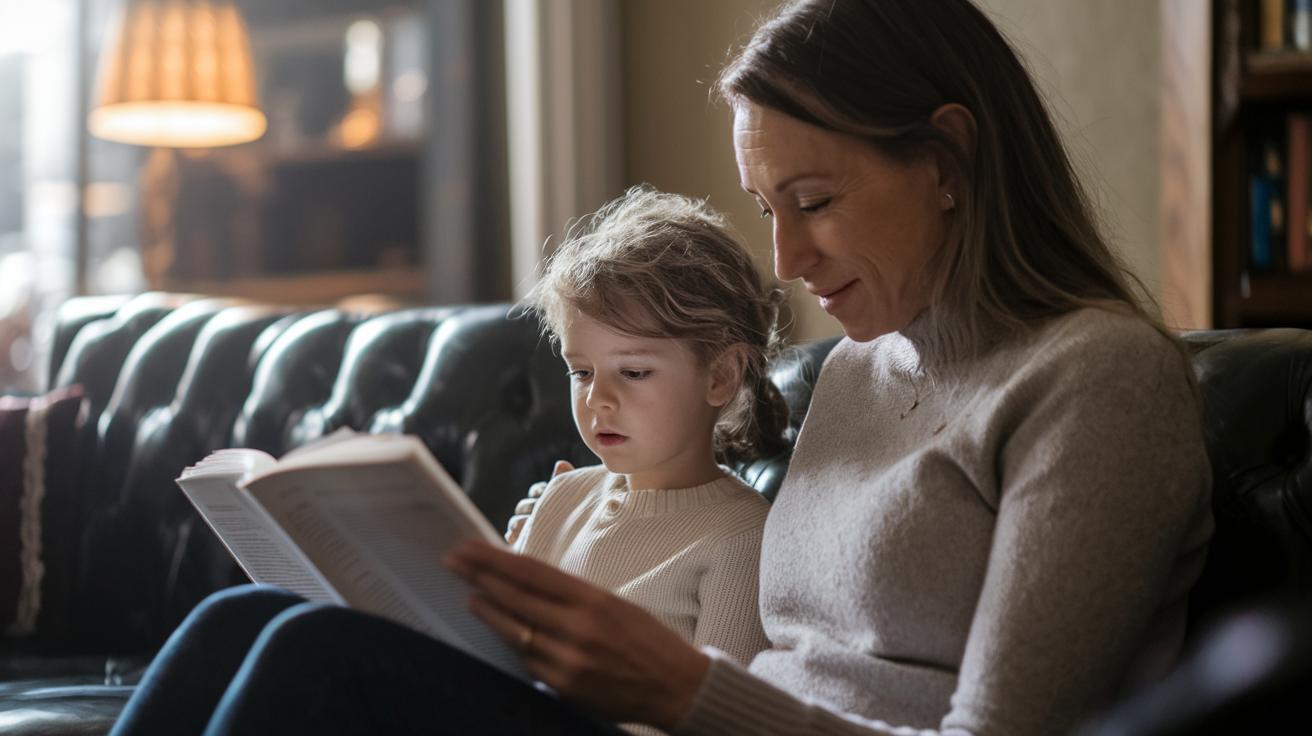
Research tells us that kids are naturally ready to start learning language. Their genes and brain setup help nurture this ability right from the beginning. From day one, a baby’s brain listens closely for familiar sounds, laying the groundwork for talking later on. Even before clear words come out, little ones pick up on rhythms and tone changes, catching the early hints of language.
Equally important are the caring chats with family and a lively environment. Warm conversations, shared stories, and playful exchanges give children a chance to try out different sounds and words. When moms, dads, and teachers use a rich variety of words every day, kids begin to notice how words sound and what they mean. This gentle approach helps them build a strong vocabulary and learn to form sentences, setting them up for confident communication throughout life.
Effective Strategies to Promote Verbal Communication Growth
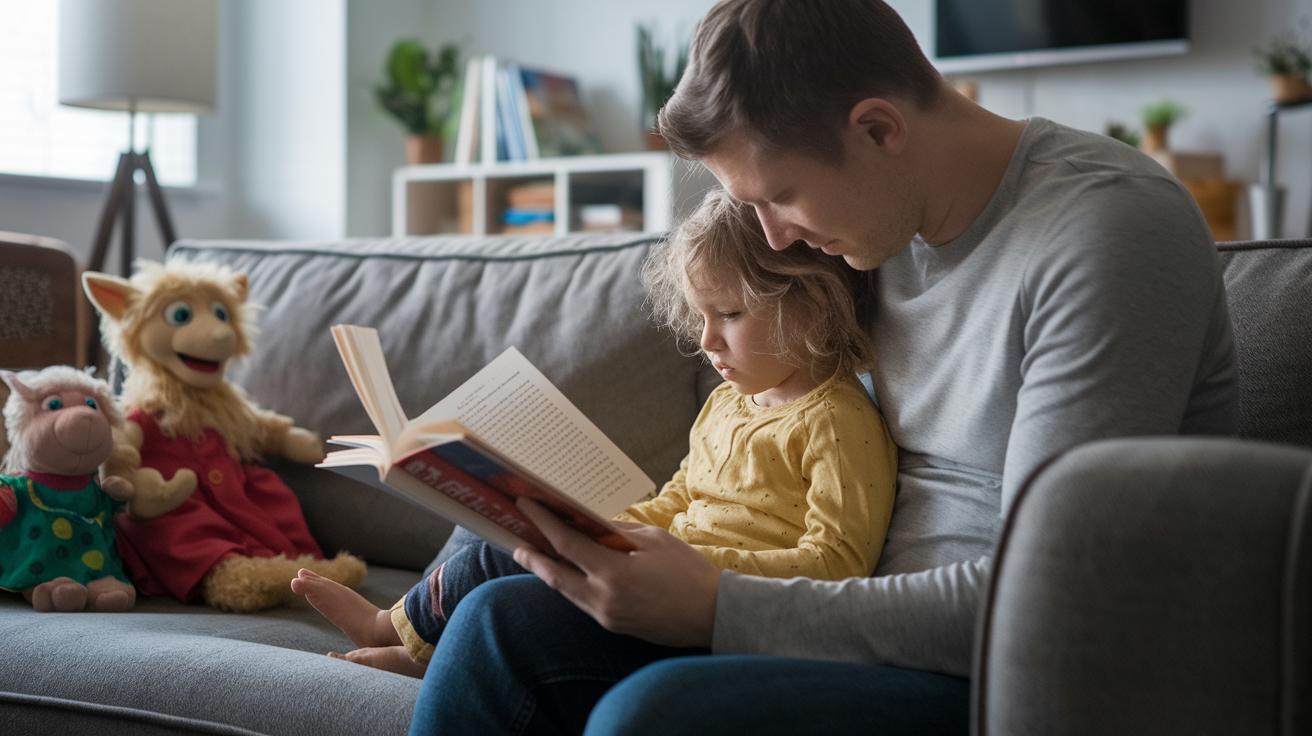
Parents and teachers can use simple everyday actions to help little ones grow their language skills. Picture yourself enjoying a favorite picture book together, pausing to ask questions that spark a child’s imagination. This kind of interactive storytelling sets a cozy space where ideas flow and words come to life.
Here are six friendly ways to weave magic into your daily moments:
- Have a reading session where you ask open questions. For example, if you spot a bird in the garden, ask, "What do you think the bird is doing?"
- Try a bit of role-play or use puppets so your child can express themselves. Imagine setting up a small puppet show where they can take on a fun character.
- Use bright, rich words while doing everyday tasks. When making lunch, you might say, "This crunchy apple is as bright as sunshine."
- Invite your child to share what they see or feel during a park walk. Let them lead a little Q&A session of their own.
- Talk through your daily routines with lots of detail. For example, describe each step of getting ready for bed with a gentle, clear voice.
- Gently expand on your child’s phrases to help them learn proper grammar. If they say, "More juice," you could add, "I’d like a little more juice, please."
Mixing these steps into everyday life turns ordinary moments into valuable learning chances. By chatting, pretending, and describing your day with care, you help your child feel confident and clear in sharing their thoughts.
Recognizing Delays and Early Intervention Pathways
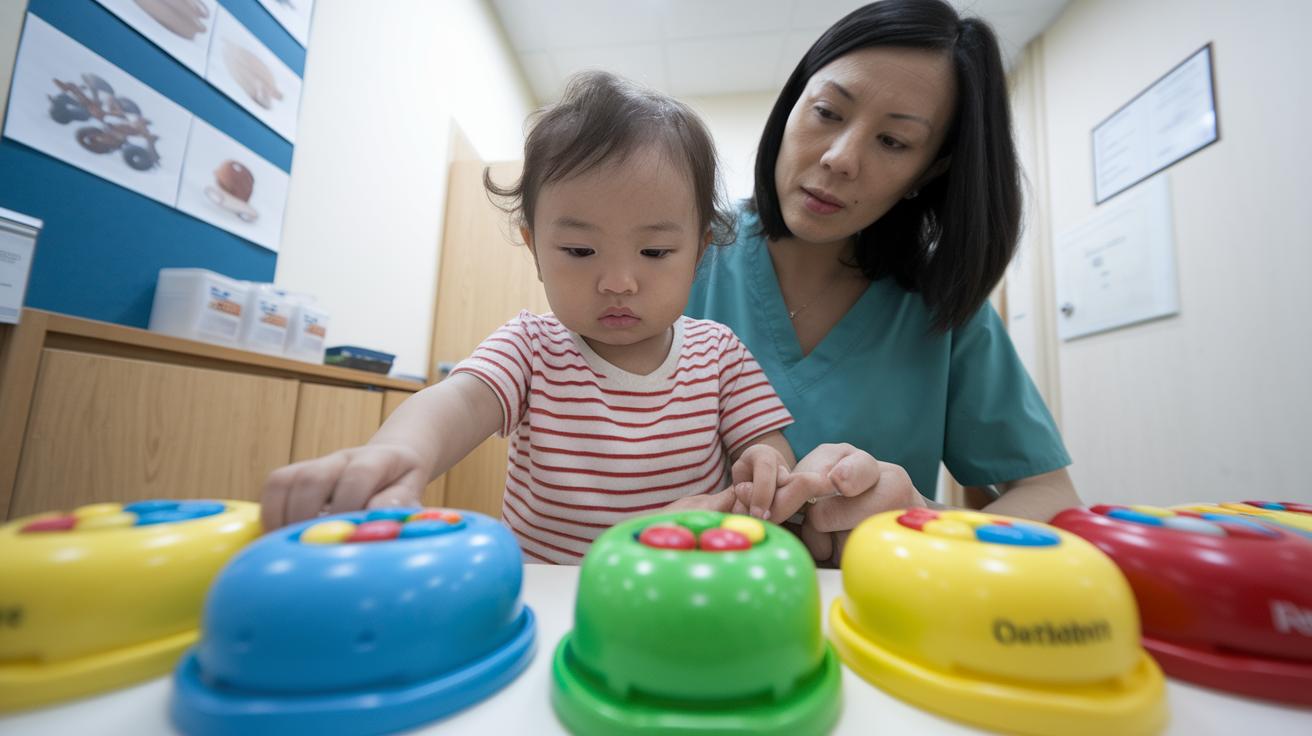
When your little one seems to miss early language steps, like not babbling by 12 months or not turning when called, it’s a gentle nudge to keep a closer eye. You might notice your baby not cooing or not reacting as usual to your voice; these moments can be hints that something might be off with how they hear or use language.
At this point, getting an early look can really help. A caring audiologist or speech-language expert can do some simple tests to figure out what might be happening. For instance, if your child seems less interested in sounds or struggles to follow simple directions, a closer evaluation may reveal if there’s a hearing issue or a small delay in language skills. This kind of thoughtful check helps you know what steps to take next for the best care.
The next step is gentle, hands-on help. Experts usually suggest fun, play-based activities that make practicing new sounds feel like a game, along with simple tips for parents to boost conversations at home. Sometimes, small communication aids may be recommended, all aimed at making talking easier. These steps not only help your child speak more clearly but also build up their confidence in sharing their thoughts and feelings.
Individual and Cultural Variability in Language Development
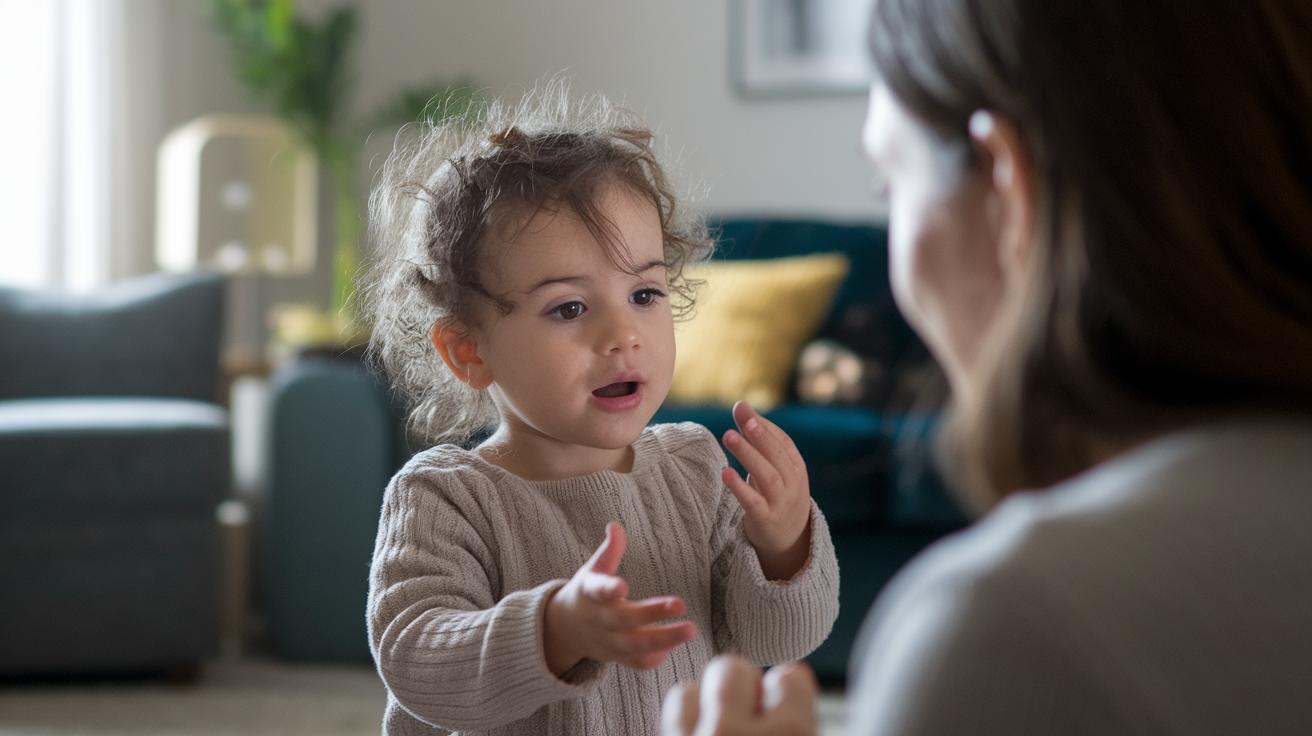
Kids growing up hearing two languages might start off with a smaller word bank in each language. But as they get older, their total vocabulary usually catches up with kids who speak only one language. Imagine a little one who listens to both Spanish and English at home. They might use fewer words in each language at first, but soon they build a rich mix of words that help them communicate clearly.
Culture also plays a big role in how kids learn to talk. Every family or community has its own way of chatting, whether it's how they take turns in conversation, share stories, or even the way their words sound. Knowing these differences helps us see each child's progress in language. When you support a child by embracing their cultural background, it helps everyone appreciate the natural variety in how kids express themselves.
Linking Early Talk to Later Literacy and Academic Success
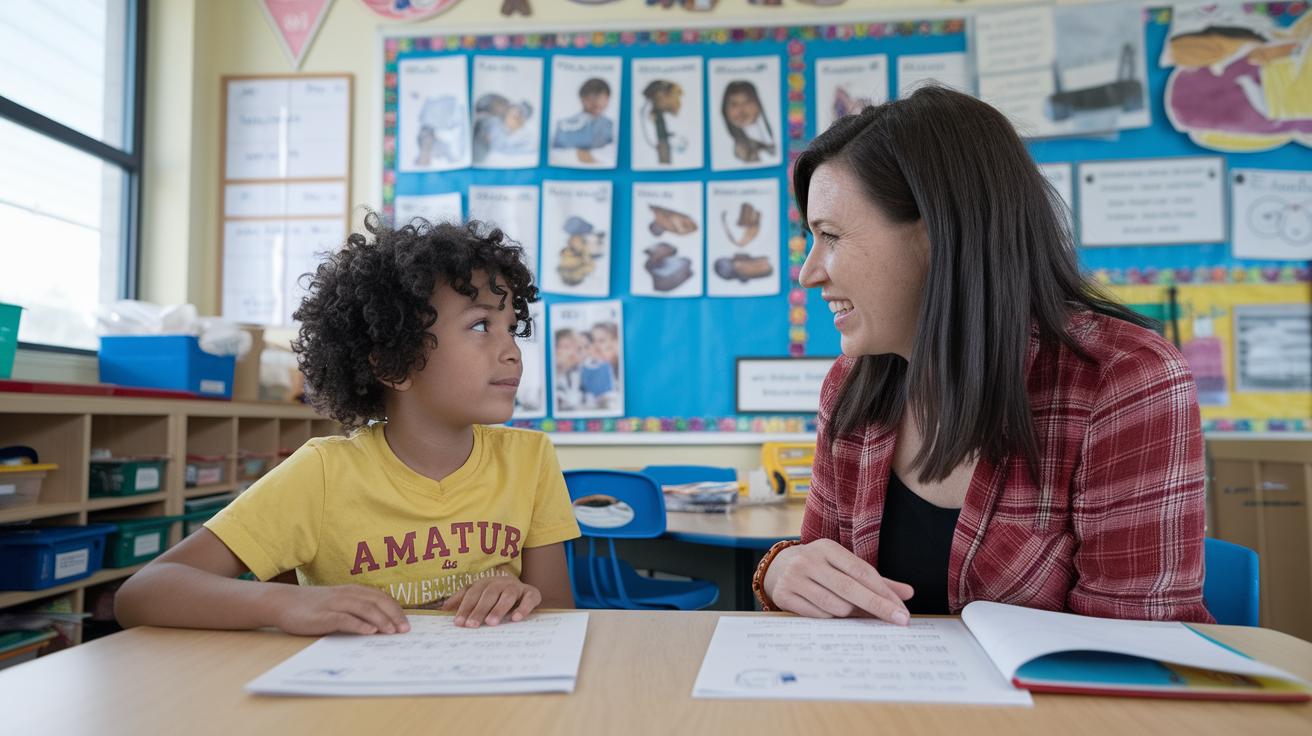
When kids start chatting from an early age, it really lays the foundation for a bright academic future. Research shows that little ones who engage in meaningful conversations tend to be better at understanding what they read, crafting their own stories, and staying interested in class. Imagine a child who loves to talk about their day, it sets them up to catch the details in a story and tackle open-ended questions with ease.
In classrooms where teachers encourage group discussions, storytelling, and lots of interactive questions, students naturally start forming clearer sentences and telling coherent stories. These activities help boost their speaking skills and build a bridge from the words they hear to the words they later write.
At home, everyday chats matter a whole lot too. Whether you’re cooking together, driving, or simply enjoying a quiet moment, describing what you see or feel creates a warm connection between talking and reading. Every conversation you share helps pave the way for your child’s future literacy skills.
Tools, Frameworks, and Resources for Supporting Early Language Skills
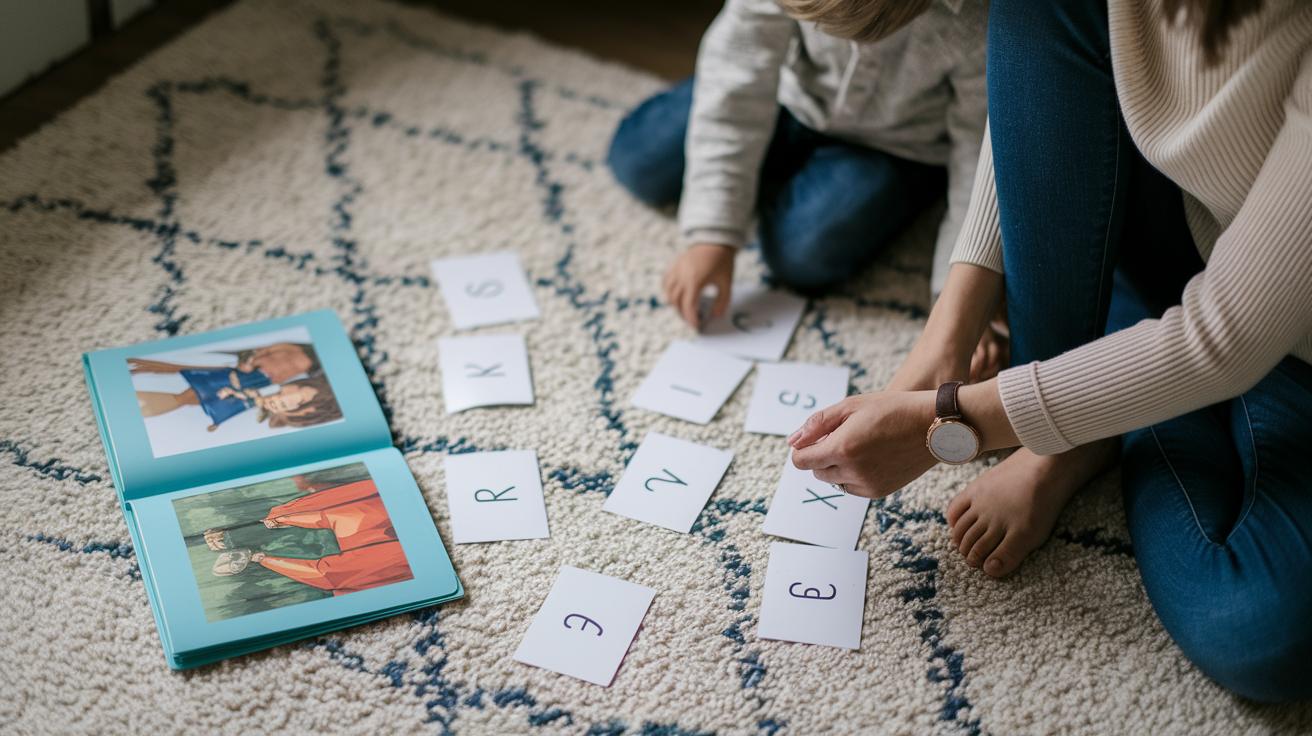
Free toolkits are available to help set the stage for early talking. They offer fun activities like shared story time, sound games, and playful lessons to boost language skills. These downloadable guides are designed for caring parents and thoughtful teachers who want to create warm, language-rich spaces at home and in the classroom. For example, one toolkit might suggest asking, "What do you think happens next?" to encourage children to tell their own tale. It’s all about sparking meaningful chats and helping little ones build new words during everyday moments.
There are also structured support strategies that work well in different settings, from home to classroom. Early reading programs might include group chants, call-and-response, and interactive storytelling that lights up a child’s senses. Picture a cozy story circle where every child joins in with simple phrases, boosting their budding language skills. These strategies make it easier for parents and educators to include proven, evidence-based language activities in daily routines, creating reliable ways to support language growth for every child.
Final Words
In the action, this post broke down key early milestones from babbling to full sentences and showed how responsive care influences language development in early childhood. We explored simple, practical techniques for fostering these skills, whether through playful interactions, daily storytelling, or effective guidance when red flags appear. Each tip is a small boost toward building strong communication and later academic success. Every gentle, supportive step matters in nurturing a lifetime of confidence and connection.
FAQ
A: Early language development includes babbling, first words, and simple sentences as children learn to understand and share ideas.
A: PDFs and PowerPoint presentations often explain key milestones, compare understanding to speaking skills, and offer practical ideas to improve early language growth.
A: Language development stages span from making sounds before speech to babbling, first words, early sentence formation, and eventually full sentences. Different frameworks may describe four, five, or even seven stages.
A: Language development involves how children understand words, express thoughts, build vocabulary, and shape sentences with proper grammar.
A: Early language skills lay the groundwork for later academic success and social interactions by helping children better express needs, build relationships, and learn effectively.
A: Strategies such as dialogic reading, role-play, using rich vocabulary, and having regular conversations help children expand their word use and improve both understanding and speaking skills.
A: From 0–3 years, children progress from babbling and first words to simple word combinations, while from 3–5 years they develop full sentences, follow multi-step instructions, and grow a wider vocabulary.