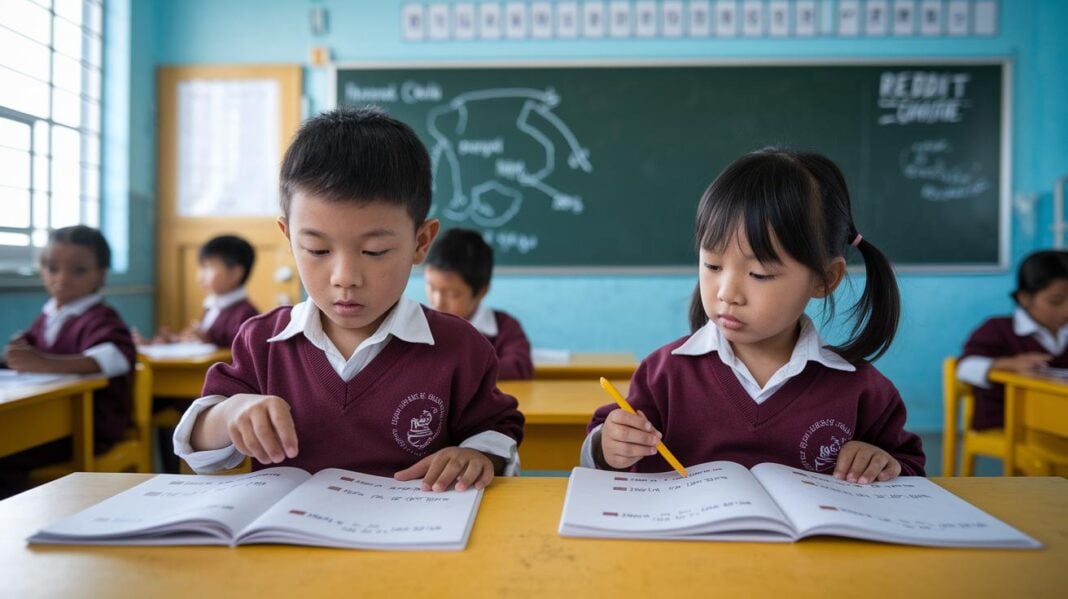
Have you ever noticed how a little toddler’s first soft sounds can spark a whole journey of learning? It isn’t just about making noises. Every little word is like a tiny brick that builds the foundation for memory, problem solving, and finding your own voice. Think of each early word as a building block that helps children connect with others and feel more sure of themselves.
In this piece, we’re going to chat about how those simple sounds help kids grow. Every word leads to new ways of talking, sharing feelings, and making friends. It all adds up to strong bonds and a bright future filled with meaningful conversations.
Key Stages of Language Development and Communication Skills
Language development is all about learning to use sounds, words, and sentences to share our thoughts and feelings. It helps us with everyday talks, from asking for a little milk to sharing fun moments with a friend. Imagine a toddler who starts with soft coos that slowly transform into clear words. Each sound is a little step toward better conversation, letting them communicate simple needs while also setting the stage for deep social bonds later on.
In these early stages, growing language skills also boost thinking and build a strong sense of self. When kids match sounds with meanings, they’re exercising their memory, paying attention, and solving little puzzles, all of which support their overall learning. Think about a tiny one who uses a few words just to ask for comfort. That simple act not only lifts their spirits but also grows their confidence and connection with people around them. Every shared word helps build their emotional world, one step at a time.
Good communication rests on three main areas: vocabulary, syntax, and pragmatics. Vocabulary covers all the words kids learn; syntax is about how they put these words together in sentences; and pragmatics means knowing the right way to use those words in each situation. Together, these parts create a reliable framework for understanding the world and interacting with others. Every stage, from early babbling to full sentences, marks an important milestone in a child’s journey as they learn to share their thoughts, meet their needs, and form meaningful connections.
Theoretical Models of Language Acquisition and Communication
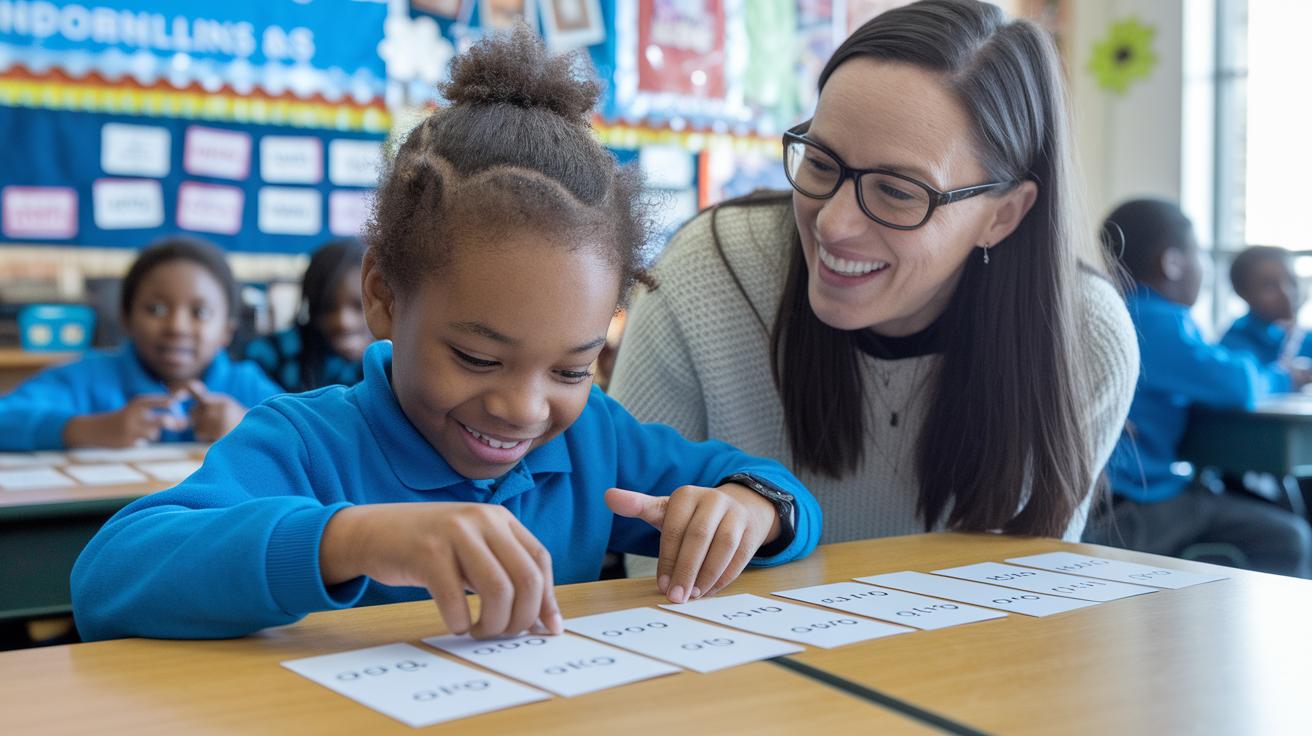
Figuring out how kids learn to speak is like unraveling a gentle mystery. There are many ideas about how children pick up words and start forming sentences. Some experts explain that language learning is more than just repeating sounds. It’s like a dance between what children hear in art, math, or group chats and the way they share their own thoughts. This mix not only helps them do well in school but also supports their emotional growth.
Behaviorist Perspective
The behaviorist view sees language learning as a process of reinforcement and imitation. Kids learn words when they receive positive feedback for their attempts to communicate. For example, a child might say a word again after seeing a warm smile from an adult. It’s a simple idea that shows how a little praise can encourage a child to keep trying and learning.
Nativist Approach
The nativist approach believes that children are born with a natural ability to learn language. According to this view, our brains come with built-in rules (just like what Chomsky described in his idea of a Universal Grammar) that help us pick up language easily. This natural blueprint means that as children interact with the world around them, they quickly learn the basics of how to speak.
Interactionist View
The interactionist view suggests that talking with others is key to learning language. Through everyday conversations and playful activities, especially in settings like classrooms or family gatherings, children build their speaking skills. This approach shows how engaging back-and-forth dialogue not only boosts communication skills but also enriches a child's emotional and social development.
Biological and Environmental Influences on Language Development and Communication
Our biology gives us the starting point for understanding and using language. Our genes help our brains build connections that let us pick up sounds and patterns. Even from that very first coo, infants are ready to catch the rhythms of speech. It’s like having an inbuilt guide that gently nudges them to start speaking and really understand what they hear.
The world around a child, filled with conversations at home and fun activities at school, makes learning to talk even easier. When kids join in activities like art, math, or group chats, they get lots of chances to practice. And if a child finds speaking a bit challenging, there are simple steps to figure out when it might be a good idea to ask for extra help. These steps are practical guides that keep every child moving forward on their path to clear communication.
Language Development and Communication Fuels Growth
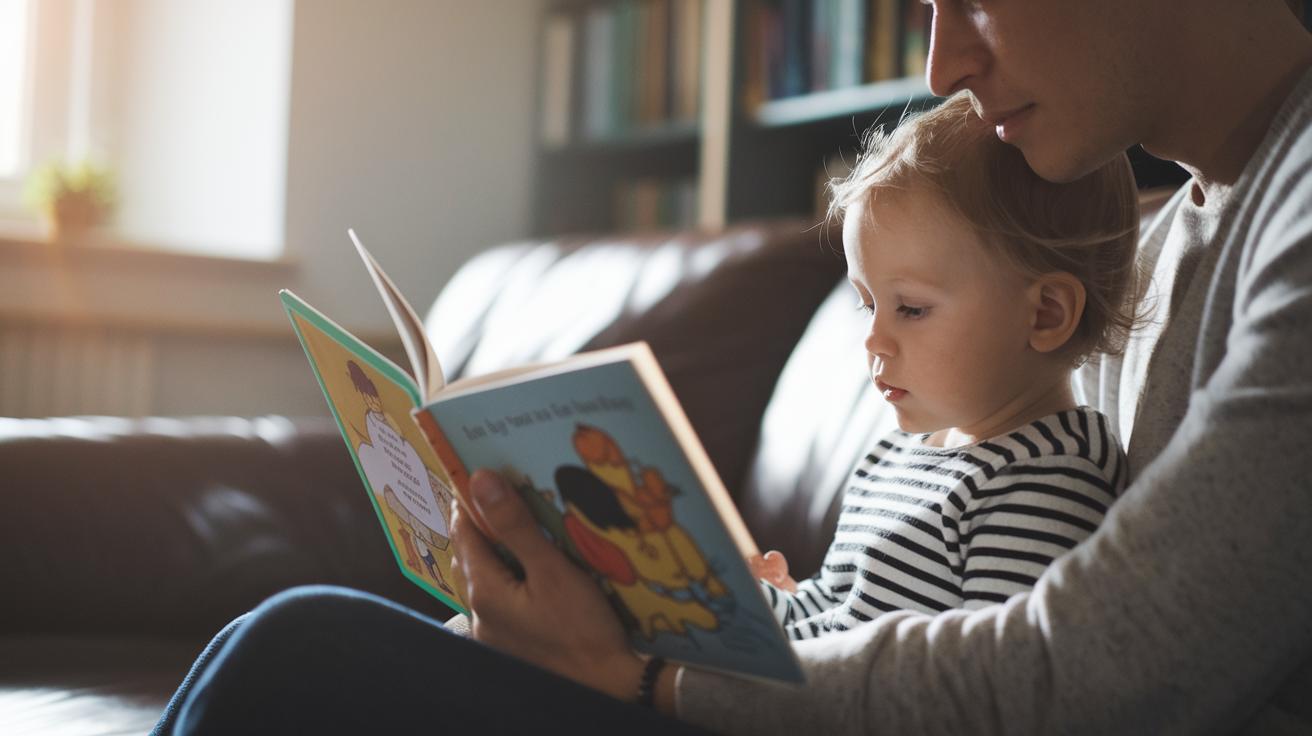
Noticing when a baby starts cooing or a toddler says their first word gives parents and teachers a clear look at how a child begins to share their needs and ideas. Think about that warm, heartfelt moment when a tiny sound turns into a word, it shows the very first steps in expressing feelings and building connections.
It’s amazing to see a little one light up with excitement as they discover new sounds, each one paving the way to clear, loving communication. Every little milestone is an important part of growing both emotionally and socially.
- 1 month – reflexive crying, cooing
- 2 months – smiling and playful sounds
- 3 months – turns head when hearing a voice
- 4 months – starts babbling
- 6 months – recognizes and responds to name
- 9 months – says “mama” or “dada” without clear meaning
- 12 months – uses first words with meaning
- 18 months – vocabulary of 20–50 words
- 2 years – uses simple two-word phrases
- 3 years – begins to form simple sentences
- 4 years – tells simple stories
- 5 years – uses more complex grammar
Downloadable milestone charts:
infant milestone growth chart
Supplemental guide to nonverbal skill progression:
infant nonverbal communication milestones
Strategies to Foster Language Development and Enhance Communication
When we speak clearly and kindly, our little ones pick up on our words naturally. Think of every chat with your child as a fun game where new words bloom. A simple question like "What do you see?" during a walk invites them to share their thoughts and feelings. These everyday conversations turn routine moments into chances for both learning and heart-to-heart connection.
Reading together out loud makes learning feel like a cozy adventure. When you ask, "How do you think the character felt?" during a story, you help your child think deeper while building a warm bond. Storytelling that connects with their own experiences sparks their imagination, and chatting about pictures or favorite memories makes words come alive in a truly joyful way.
Simple support goes a long way in helping your child find the right words. If they’re having a hard time, offer a gentle hint or repeat their words in a richer way. Talking through everyday activities or sharing the highlights of your day builds a natural link between words and their meaning. When you truly listen and respond with care, your child learns that every word matters. These little moments of genuine dialogue create a nurturing space where language can grow effortlessly.
Integrating Language Development and Communication in Educational and Therapeutic Settings
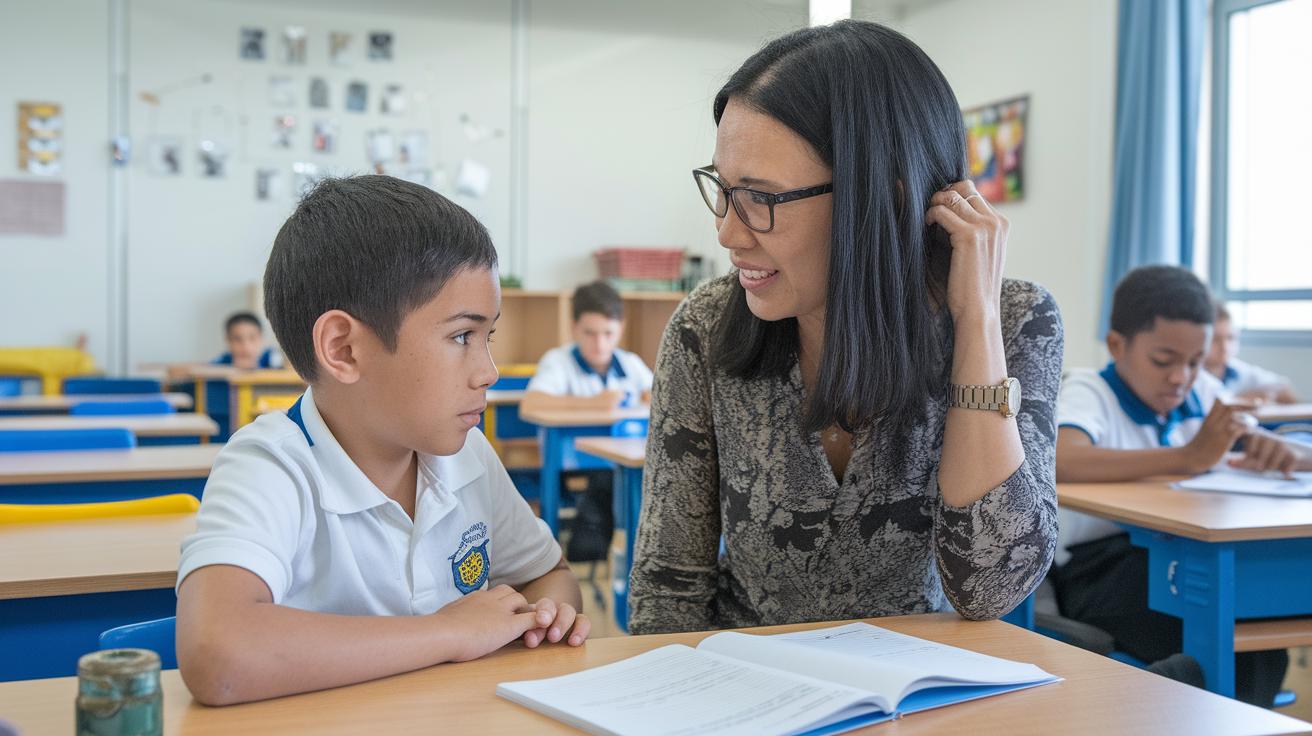
Schools now offer many fun programs that give kids a great start with language and talking. Many centers include French, Mandarin, and Spanish play sessions along with a broad International Baccalaureate curriculum. Preschool activities, extra care hours, afterschool programs, and summer camps are all set up with age-appropriate goals. They help young learners grow their vocabulary and practice conversation in ways that feel playful and engaging.
Therapy and education work together to boost every child’s speech. Clinics and school programs use simple speech checks and referrals to catch early signs of language delays. With extra support like personalized speech help, kids feel encouraged and safe. By offering these free community-wide resources, teachers and therapists create a warm, caring space that makes practicing language a daily joy, building confidence and helping each child succeed in school and with friends.
Final Words
In the action of shaping little voices, we explored key stages from early linguistic milestones to practical strategies that boost language development and communication. We highlighted essential moments in language growth, the impact of engaging learning environments, and effective methods to support everyday interactions.
Step by step, families can see progress in vocabulary, syntax, and social connection. Small changes every day sow a bright future for confident, caring communication.
FAQ
What is language development and communication?
Language development and communication refers to how children learn to use words, sentences, and nonverbal cues to express their ideas, needs, and emotions when interacting with others.
What is language development in early childhood?
Language development in early childhood describes the process by which infants and young children build skills to understand and use language, forming the basis for effective everyday interaction.
What is an example of communication and language development?
A common example is a toddler imitating a caregiver’s words during play, which shows growing language skills and the ability to connect thoughts with basic social interactions.
Why is communication and language development important?
Language development is important because it helps children share feelings, build relationships, and supports cognitive growth, which in turn boosts their confidence and learning abilities.
What are the 7 stages of language development?
The 7 stages typically include prelinguistic communication, babbling, one-word utterances, two-word phrases, telegraphic speech, multiword sentences, and complex sentence formation, marking clear progress in language skills.
What are the 4 stages of language development?
The 4 stages can be seen as receptive language, expressive language, emerging language skills, and fluent language use, which together capture a child’s journey from understanding to effective communication.
What language development and communication activities can help children?
Activities like interactive reading, singing songs, and engaging in simple conversations encourage language use, helping children practice new words and learn to express themselves confidently.
Where can I find language development and communication PDFs?
Language development PDFs are available on many educational websites and resource centers, offering guides and milestone charts that caregivers can download to support early learning.