
Imagine caring for your mind the same way you tend to a garden. Every day, just as you water and nurture your favorite flowers, your thoughts and feelings need gentle attention to bloom. It’s not only about dodging problems; it’s about embracing quiet moments of self-care that build your inner strength.
Think of mental wellness as a balancing act. Even when you face challenges, those small, kind moments, like sharing a smile or taking a breather, help clear the way for a healthier, more balanced mind. Have you ever noticed how a tiny act of kindness can really turn your day around?
Mental Wellness Definition: Embrace Clear Insight
Mental wellness is that inner strength that helps us think, feel, and connect every day. It’s not just about dodging problems or illnesses; it’s about actively caring for our minds and hearts. Think of it as building a steady garden of feelings, where every small act of self-care, like a quiet moment or a kind thought, helps us grow stronger.
Imagine mental wellness as a balancing scale. On one side, we see the challenges of diagnosable issues, and on the other, our ability to thrive. Research tells us that about 15% of people worldwide have been diagnosed with a mental or substance use problem, yet many without a diagnosis may still feel low in mental wellness. By practicing simple emotional care and making self-care a daily habit, we keep our inner resources ready to blossom. This gentle, ongoing journey is all about the little actions that lead to a healthier, more balanced life.
Key Dimensions of Mental Wellness
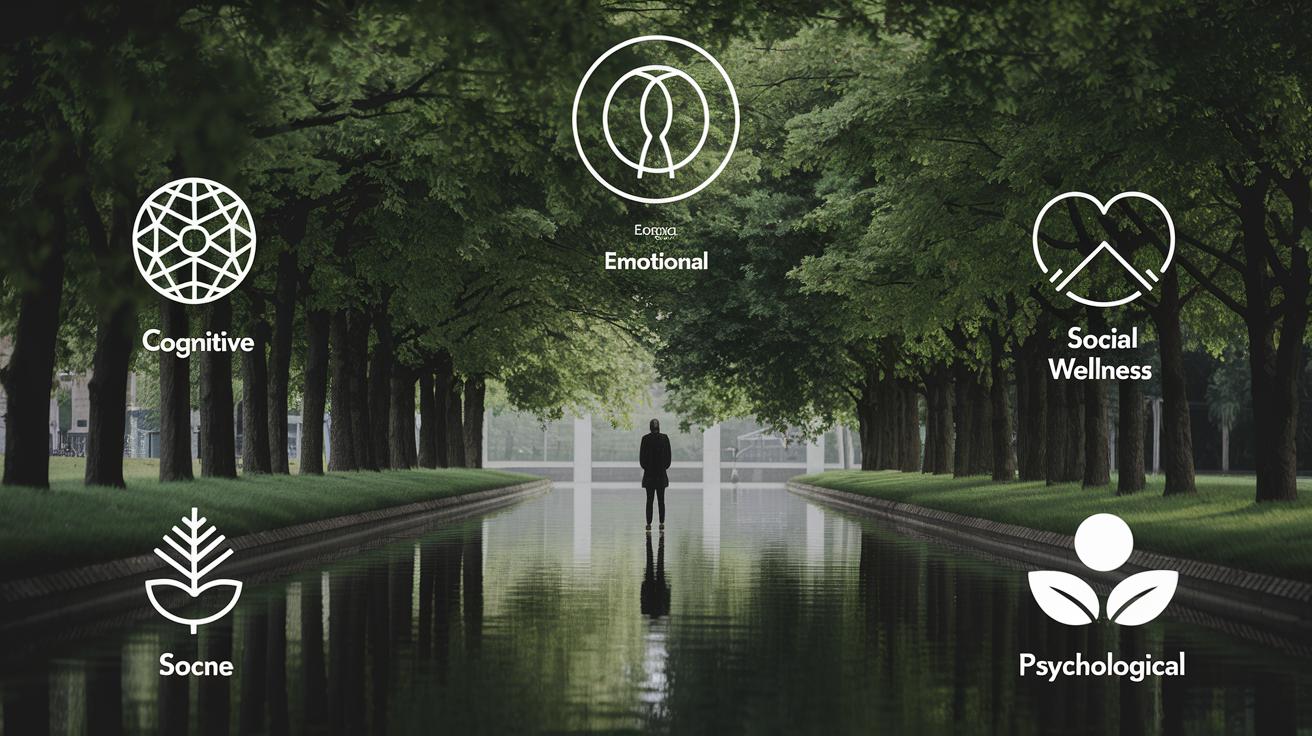
Mental wellness fills every part of our inner world. It helps us see things clearly, keep our balance, and feel a strong sense of purpose. Taking care of our thoughts, feelings, and connections can help us thrive day by day.
Mental (Cognitive) Dimension
This area focuses on how we think and make choices. It’s about keeping our mind clear enough to understand details and solve problems. Imagine turning a tricky task into a small win just by thinking clearly.
Emotional Dimension
Emotional wellness means managing the ups and downs of our feelings. It’s like having a steady heartbeat during a busy day. When we keep our emotions in check, we can bounce back after a rough patch and feel more at ease.
Social Dimension
Our social side is built on relationships and caring connections. Spending time with family or friends who truly listen makes us feel safe and understood. These warm, heartfelt chats remind us that we belong.
Psychological Dimension
This part is about how we view ourselves and our purpose. It involves knowing our values and feeling confident in who we are. When we nurture our inner life, we’re better prepared to deal with life’s twists and turns.
Differentiating Mental Wellness from Mental Health and Mental Illness
Imagine your mental life is like a two-way street. One lane shows how strong or severe a mental condition might be, and the other lane shows whether you're truly flourishing or just getting by. Research by Corey Keyes found that nearly 70% of people diagnosed with a mental illness are actually doing quite well or even flourishing, while only about 20% of people without a diagnosis truly hit that high note of well-being.
Mental health covers your overall mind’s strength, like how you handle stress and connect with others. But mental wellness is all about the active steps you take each day, like doing little acts of self-care, leaning on supportive friends and family, and doing things that bring you purpose. Even if you have a mental health diagnosis, nurturing your day-to-day habits can really boost your inner strength. In truth, while treatments for mental health are important, taking care of your mental wellness is a constant, gentle journey toward living fully.
Why Mental Wellness Definition Matters: Key Benefits
Taking care of our mental health is more than just feeling happy. It acts like a strong shield that helps guard us against future challenges. When we work on our mental wellness, we build a solid base that lifts our mood and helps protect us from possible mental struggles.
Working to feel better in our minds might even cut the risk of future issues by almost half. Even if you haven’t been diagnosed with anything, low mental wellness can lead to more doctor visits, tougher days, and physical problems showing up in unexpected ways. When we truly understand what mental wellness means, it clears our thoughts and helps us tackle everyday tasks with confidence.
Everyday acts of self-care, good friends, and simple routines help us find balance and strength. This clear idea of mental wellness supports our growth and makes life feel a little easier. By taking small, caring steps daily, we set ourselves up for a happier, healthier life.
Strategies for Cultivating Mental Wellness
- Start a daily habit of mindfulness or meditation.
- Move your body with a simple walk or easy yoga.
- Enjoy a balanced diet filled with foods that boost your mood.
- Stick to a steady sleep schedule.
- Build caring bonds through honest talk.
- Use deep breathing and other calm tips to ease stress.
Taking care of your mind is like tending to a small garden every day. Every little step you take helps your inner self grow. It’s like giving your mind a moment to relax and refocus when you set aside time for meditation.
Even a gentle walk or a fun yoga session can brighten your day and lift your spirits. Eating healthy foods and getting enough sleep work together to give you the energy you need. And you know how talking openly with friends and family makes you feel supported? That kind of care reminds you that you never have to face things alone.
When life gets a bit heavy, taking deep breaths can help bring back a sense of calm. By adding these simple habits into your day, you make mental wellness a real, everyday part of your life, giving you the balance and inner strength to face whatever comes your way.
Final Words
In the action, we uncovered a clear mental wellness definition that supports both inner strength and emotional balance. We broke down how mental wellness works along two axes and shared strategies that build resilience.
Each concept, from cognitive clarity to nurturing supportive relationships, tells a story of how moms can care for themselves. The practical tips we discussed serve as gentle reminders to keep moving forward with care and hope. Every small step contributes to a brighter, balanced daily life.
FAQ
What is the meaning of mental wellness?
The mental wellness definition means a state that supports how we think, feel, connect, and cope with everyday challenges by building resilience and promoting personal growth.
What are some examples of mental wellness?
The mental wellness examples include practicing mindfulness, maintaining supportive relationships, staying active, and managing stress to help support a balanced and healthy state of mind.
What is the difference between mental health and mental wellness?
The mental health and wellness distinction shows that mental health covers overall functioning—including stress management and emotional resilience—while mental wellness focuses on actively flourishing in daily life.
What is mental wellness in simple terms?
The mental wellness simple explanation describes a dynamic process that helps us stay balanced, adapt to challenges, and enjoy life through healthy thoughts, feelings, and connections with others.
How can I improve my mental wellness?
The mental wellness improvement involves creating daily mindfulness habits, staying physically active, eating well, ensuring quality sleep, fostering supportive relationships, and using stress-management techniques.