Have you ever noticed how a few small habits can brighten your day? Starting your morning with a calm, clear plan can really lift your mood and bring a sense of peace.
Maybe you'll enjoy a quiet moment to breathe or scribble down your thoughts in a notebook. These little actions can set a gentle rhythm for your day and surprise you with their benefits.
In this chat, I'll share some simple ways to add joy and nurture your well-being. It’s all about finding those small moments that guide you toward a balanced mind and a lighter heart.
Key Activities for Mental Wellness to Kickstart Your Day
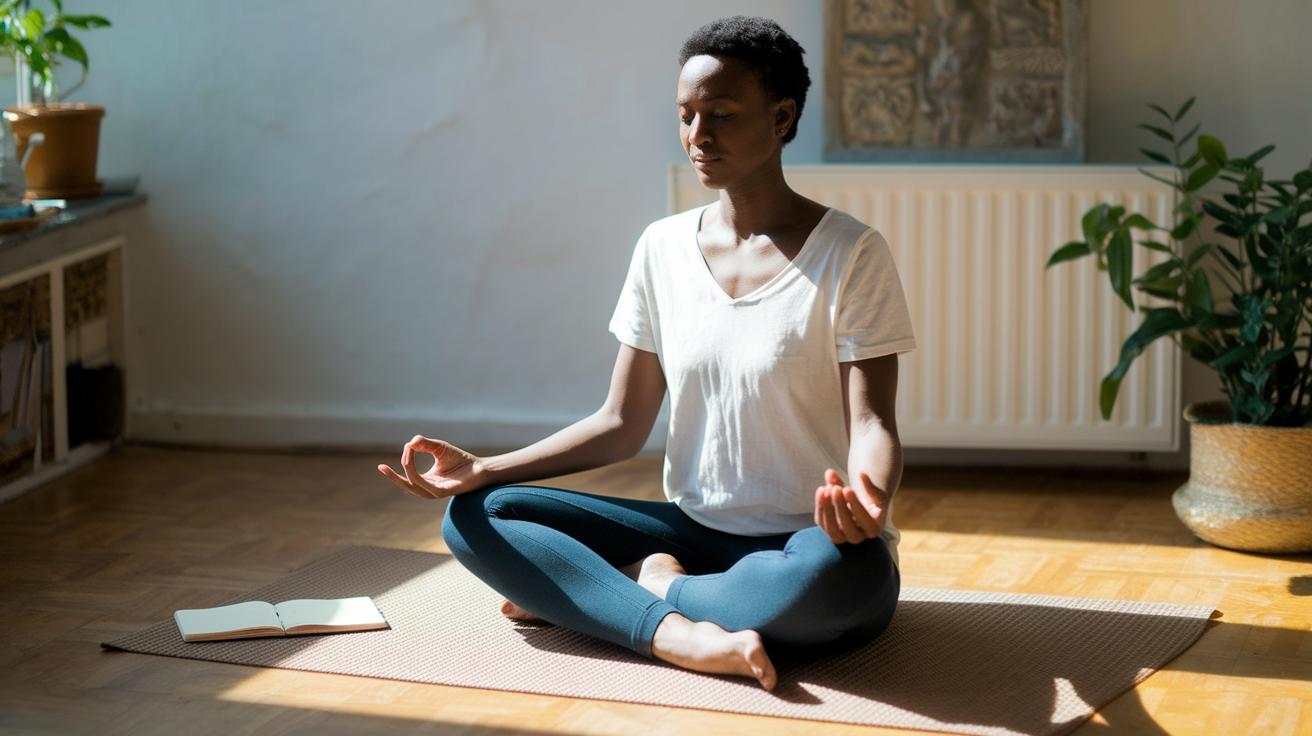
Starting your day with a few simple mental wellness habits can really set a calm, steady tone. These little practices help clear your mind and make the day ahead feel a bit lighter and more balanced.
• Mindfulness meditation: Take about 5 to 10 minutes to sit quietly, focus on your breathing, and let your thoughts drift by. Studies even show that doing this regularly can ease feelings of anxiety.
• Reflective journaling: Spend a few minutes writing down what’s on your mind. It’s a gentle way to understand your feelings better and create some mental space for the day.
• Guided breathing exercises: Try a few slow, deep breaths to help calm your heart rate. When things get hectic, this simple trick can really help restore balance.
• Moderate exercise: Enjoy a brisk 30-minute walk. Not only does it boost your mood by reducing stress hormones, but it also refreshes both your body and mind.
• Creative art prompts: Engage in a short creative activity like doodling or coloring. This fun, light exercise can decrease stress and brighten your outlook.
By weaving these activities into your daily routine, you can nurture steady emotional balance, sharpen your focus, and bring a little extra joy into every day.
Mindfulness and Meditation Activities for Mental Wellness
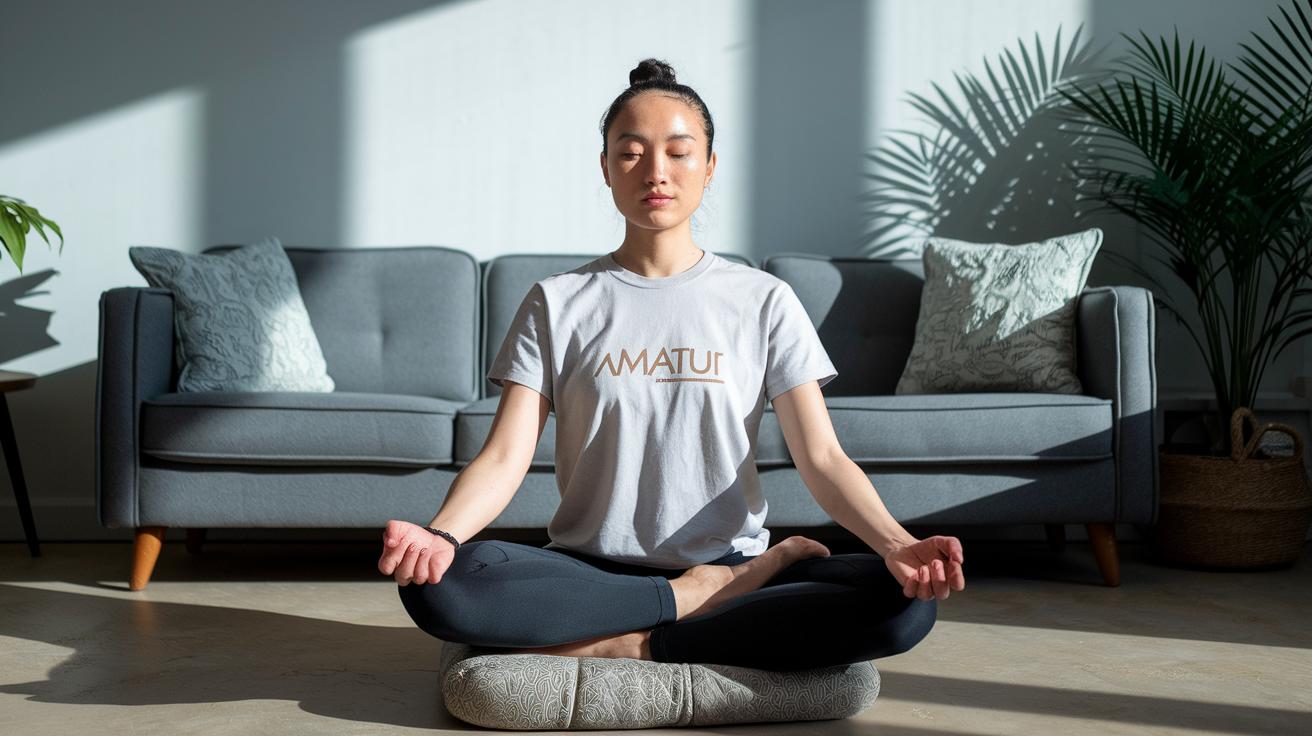
Mindfulness helps bring us back to the moment so we can feel calm even when life seems busy and noisy. When we set aside a little time to focus on the present, we lower our worries and build a little cushion of strength inside. Activities like guided meditation and simple breathing can really help clear our minds and steady our moods. Plus, there are free downloadable worksheets for both teens and adults who want to try these practices.
Guided Meditation Sessions
Sometimes, you can join live sessions where an instructor guides you and adjusts the techniques so you can relax even deeper. And if that doesn’t work for you, app-based sessions let you pick from over 10 different meditations whenever you need a break. It’s a gentle way to hit the reset button, especially when you’re part of a group that shares its own stories and tips.
Conscious Breathing Techniques
Box breathing breaks your breath into equal parts, helping you feel calm by setting a steady rhythm for your body and mind. The 4-7-8 method lets you slowly let out your breath, easing tension when emotions feel too high. Alternate nostril breathing helps balance your energy and clear your thoughts by working both sides of your body. And resonant breathing, with its smooth and steady pace, can slow your heart and bring on a deep sense of peace. For more detailed exercises and guidance, be sure to check out these helpful emotional regulation worksheets: https://womensconference.org?p=14599
Physical and Group-Based Activities for Mental Wellness

Moving your body helps your brain make those natural happy chemicals that lift your mood and clear your head. Even a quick walk or a gentle exercise session can work wonders, lowering the risk of long-lasting illnesses by about 30% and sharpening your mind at the same time. When you get moving, your body churns out endorphins (little natural mood boosters) that ease tension and help you focus. Imagine taking a short walk on a sunny day, breathing in fresh air, and feeling a gentle reset in your mind, it’s a small change that brings big benefits for your body and spirit.
Joining in group activities adds another layer of wellbeing. At work or in your community, activities like stress-relief workshops during lunch or quick meditation breaks can really boost morale. In fact, these group sessions have been known to lift workplace satisfaction by around 40%! Group mindful walks not only give you a chance to exercise but also to share smiles, chat, and connect with others. This shared time can cut stress in half, making it easier for everyone to face the day with a lighter heart.
Creative Expression Activities for Mental Wellness

Reflective journaling is a kind way to work through negative feelings. It lets you pause for a few quiet minutes and sort through your thoughts, almost like talking to a good friend. Using simple journaling worksheets (based on a method called CBT, which stands for Cognitive Behavioral Therapy) can help you spot and change thoughts that slow you down. Sometimes, a short writing break helps clear your mind and release built-up worries.
Another fun way to ease anxiety is through mindful art projects like coloring or making a collage. These activities invite you to express yourself in creative, playful ways. In fact, studies have shown that such creative tasks can lower anxiety by up to 15%. And isn’t it nice when a little bit of art can bring balance and free your emotions?
If you’re ready to dive even deeper into self-reflection, you might want to explore more emotional self care techniques available online. Taking small steps in this direction can really boost your overall well-being.
Positive psychology is also a big help in keeping that creative spark alive. The Positive Psychology Toolkit©, with over 500 activities, is like a treasure box full of exercises to help you notice gratitude, your strengths, and build a sense of optimism. Adding a small prompt into your day – whether through drawing or a quick journal note – can bring tiny moments of joy that brighten your routine.
Each of these activities is a gentle nudge to remind you that even a short pause to express yourself can lift your mood. It’s all about blending simple routines with a little bit of creativity to nurture your mental wellness and help you feel more balanced.
Daily Routines and Stress Management Activities for Mental Wellness

Start your day with a calm, quiet morning ritual that gently sets the tone for your day. Take a few minutes to do some deep breathing or light stretching. Imagine yourself with a warm cup of tea, letting your thoughts settle as you feel your body wake up. This peaceful start can help you build a simple routine that keeps stress at bay.
Around midday, try giving yourself a little pause. Every couple of hours, take a short five-minute breathing break to refresh your focus. You might also consider stepping away from screens for about 30 minutes. These small breaks help lower stress and leave you feeling more balanced throughout your busy day.
When it’s time to wind down in the evening, set aside a few moments for relaxation. Simple exercises like progressive muscle relaxation, where you tighten and then relax different parts of your body, can help release the day’s tension. This gentle routine clears your mind and helps prepare you for a peaceful night’s sleep, making it easier to welcome a new day.
Workplace and Educational Activities for Mental Wellness
Employee Wellness Planning
Imagine a workplace where a little mindfulness challenge or a quick stress-relief workshop brings everyone together. Lately, lunch-and-learn sessions have saved the day by boosting morale and building a sense of community, one study even showed a 30% lift in how happy employees felt. These sessions might include a few minutes of gentle stretching, a short guided reflection, or even a simple mindfulness exercise that gives everyone a moment to breathe during a busy day. It’s a fun way to invite team members to discover new ways to ease stress while chatting openly about daily hurdles. In truth, this kind of planning not only eases stress but also builds stronger bonds among coworkers, making the workday feel a bit more like a shared journey.
Classroom Calming Techniques
In schools, small and simple practices can really help kids keep their cool. Think of a classroom mood tracker board, where students can mark how they feel each day, a friendly way to help them learn about their emotions. Teachers might also lead quick calm sessions with fun brain games or soft guided reflections, which have even helped lower anxiety levels by 15%. Sometimes, a brief mindfulness moment for teachers can make the whole room feel a lot calmer too. Teachers might also introduce a few quiet minutes or gentle stretching breaks, giving children a safe space to check in with their feelings. In this nurturing environment, kids learn to manage their emotions, making it easier to focus and enjoy learning.
Resources for Activities for Mental Wellness
Finding just the right resource can brighten your day and make taking care of your mental wellness feel much more approachable. You might try tools that offer guided meditation sessions to help ease your anxiety and boost your focus. Some of these resources even include workshops designed to reduce anxiety, along with fun activities that keep your mind sharp. They’re backed by real research and filled with practical tips for handling stress and pushing away negative thoughts.
For example, Headspace features a full lineup of sessions, from soothing meditation and sleep music to tracks that help manage stress. And Moodfit mixes in tools like CBT-based journaling (a way to write down your thoughts using proven techniques) and simple mood tracking. There’s also the Positive Psychology Toolkit©, which offers 500 science-backed exercises plus helpful worksheets to show you how to challenge and change negative thinking. You could also check out a book like The Happiness Trap that shares insights on acceptance techniques to reshape your everyday coping strategies.
| Resource | Type | Key Features |
|---|---|---|
| Headspace | Meditation App | Meditation, sleep music, stress-management tracks |
| Moodfit | Wellness App | CBT-based journaling, mood tracking |
| Positive Psychology Toolkit© | Exercise Collection | 500 science-backed exercises, positive psychology practices |
| Negative-Thinking Worksheet | Workbook | Myth-busting strategies, reframing negative thoughts |
| The Happiness Trap book | Self-help Book | Acceptance and commitment techniques, coping insights |
All these tools mix creative ideas with proven methods, helping to bring a little more joy into each day.
Final Words
In the action, you’ve seen how daily routines, mindfulness and meditation, physical movement, creative expression, and stress management practices work together to support both mind and body. The steps we explored offer easy, effective ways to start the day with well-being. Each section reminds us that small shifts in our morning, midday, and evening habits can bring simple calm and renewed energy. Try out these activities for mental wellness and feel the positive change in your day.