

Have you ever made one small change in your morning and felt a little spark of joy? It’s amazing how a tiny shift can lift your mood and help you face the day with fresh energy.
Imagine your mind like a garden where every simple habit you nurture makes it bloom a bit brighter. In this post, we’re sharing easy tips to care for your mental health (that’s the care for your mind and feelings) and bring a bit more calm and clarity to your busy days.
Sometimes, small actions lead to big improvements, making it a little easier to enjoy each moment and feel truly refreshed.
Essential Tips for Mental Wellness
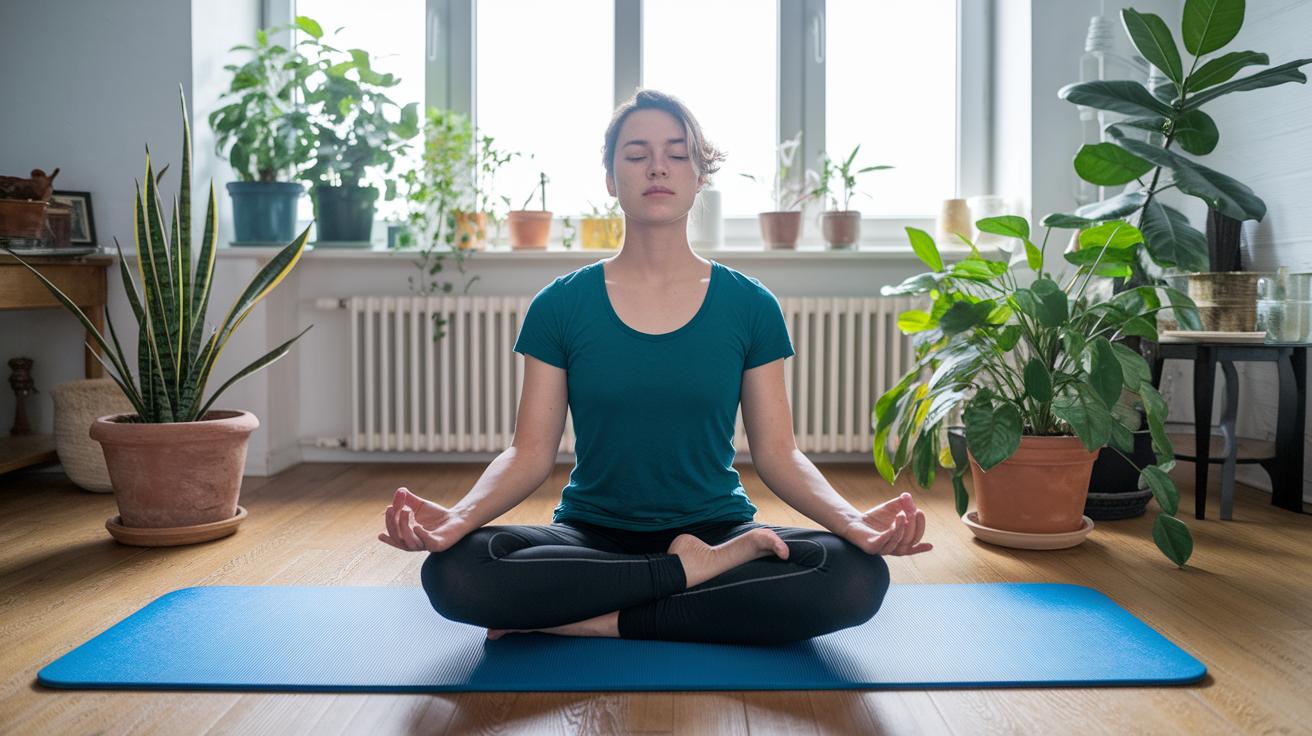
Have you ever noticed how a calm mind can change your entire day? Mental wellness touches every part of our lives. When we feel clear and balanced, daily tasks become easier, and our connections with loved ones feel a lot stronger. It can turn a stressful day into one full of hope.
Recent numbers show that 23.4% of adults experienced mental health challenges in 2024, and 64% of Americans are already incorporating self-care into their lives. Self-care means taking little moments for yourself, like deep, slow breaths or a peaceful hobby, to lower stress and boost your overall health, both in the moment and long term. These small acts add up, proving that looking after yourself is not just kind; it’s backed by science.
There are four simple areas to focus on for better mental wellness. First, keeping a steady sleep routine and eating healthy meals builds a strong foundation. Next, making small changes to your surroundings, like tidying up a bit, can really sharpen your focus. Then, taking even brief moments to practice mindfulness, such as a short meditation or a quiet reflection, can gently change your perspective. Finally, using stress relief techniques, whether it’s a bit of exercise or deep breathing, offers a direct way to manage anxiety.
Building Your Personalized Self-Care Routine

A well-planned self-care routine can bring calm to your mind and keep your mood steady. It helps you find little moments in your busy day to recharge and think things over. When you stick to your plan, you're gently reminding yourself that taking care of your mental wellness really matters.
Start by noticing what you need. Take a few quiet minutes to jot down the things that help you feel balanced. Then, set small and realistic goals that you can manage, even on your busiest days. After that, mark these moments on your calendar like a special appointment with yourself. Have you ever set a reminder for just five minutes of rest? Little steps like these add up over time.
As you get into your routine, keep an eye on how you feel after each activity. Write down your thoughts so you know what works best. If something just isn’t clicking, try another way. Keep these moments as a regular, must-do part of your day. Many moms find extra help through guides on mental wellness and healing after birth, which can bring comfort on tougher days.
Remember to check in with yourself often. Think about what’s working and what might need a little tweak. Let your self-care routine change with you as you grow and evolve.
Designing Your Environment for Mental Clarity

A neat and welcoming space can really change how you feel every day. When your home or office looks tidy and inviting, it can help calm your mind and ease stress. Experts believe that our surroundings show our inner mood and can even change it. Even spending just five minutes tidying up can lift your spirits in a big way. Have you ever noticed how a burst of sunlight through an open window can make everything seem brighter?
Here are some easy ideas to turn your space into a peaceful retreat for both relaxation and focus:
- Spend five minutes each day decluttering
- Use paint colors that feel calming, like soft blues or greens
- Open your windows or curtains to let in natural light
- Try diffusing a gentle scent like lavender or rose
- Keep only the items you use every day on desks and counters
Practical Mindfulness Meditation Techniques
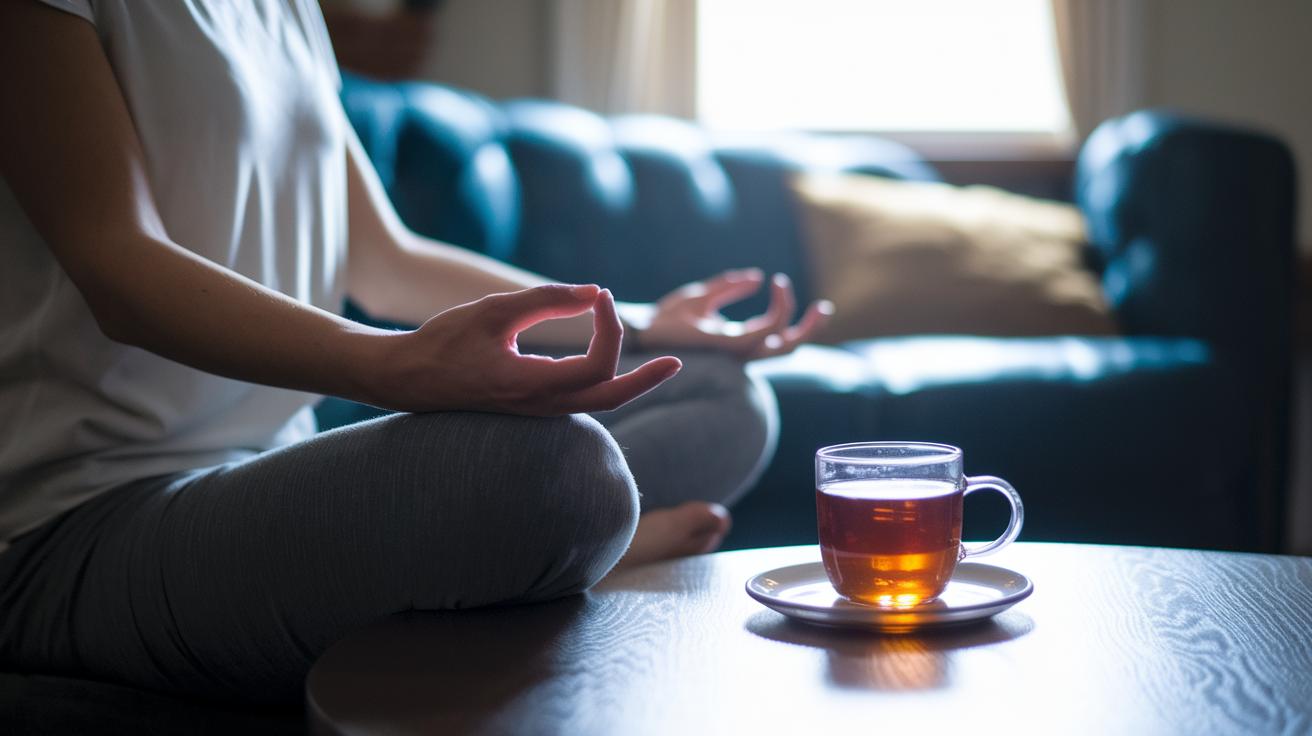
Mindfulness meditation can bring clarity and balance even on the busiest days. It helps calm your mind so you can think clearly and feel relaxed. Just imagine taking a quiet moment that sheds your stress, like pausing to savor a warm cup of tea when everything feels noisy.
If you’re curious about mindfulness, try starting with a body scan. Picture yourself gently checking in on each part of your body, much like strolling through a cherished room and noticing every comforting detail. You might also enjoy a simple breathing exercise, counting each inhale and exhale can help bring your thoughts together and even lower anxiety over time. And then there’s loving-kindness meditation: take a moment to send kind wishes first to yourself, and then to those around you. These gentle practices invite a sense of calm and help you feel more connected.
Why not set aside 5 to 15 minutes every day to try these techniques? Whether you choose a few moments first thing in the morning or right before bedtime, each mindful minute builds a pathway toward a clearer, more relaxed mind.
Effective Stress Relief and Aromatherapy Methods
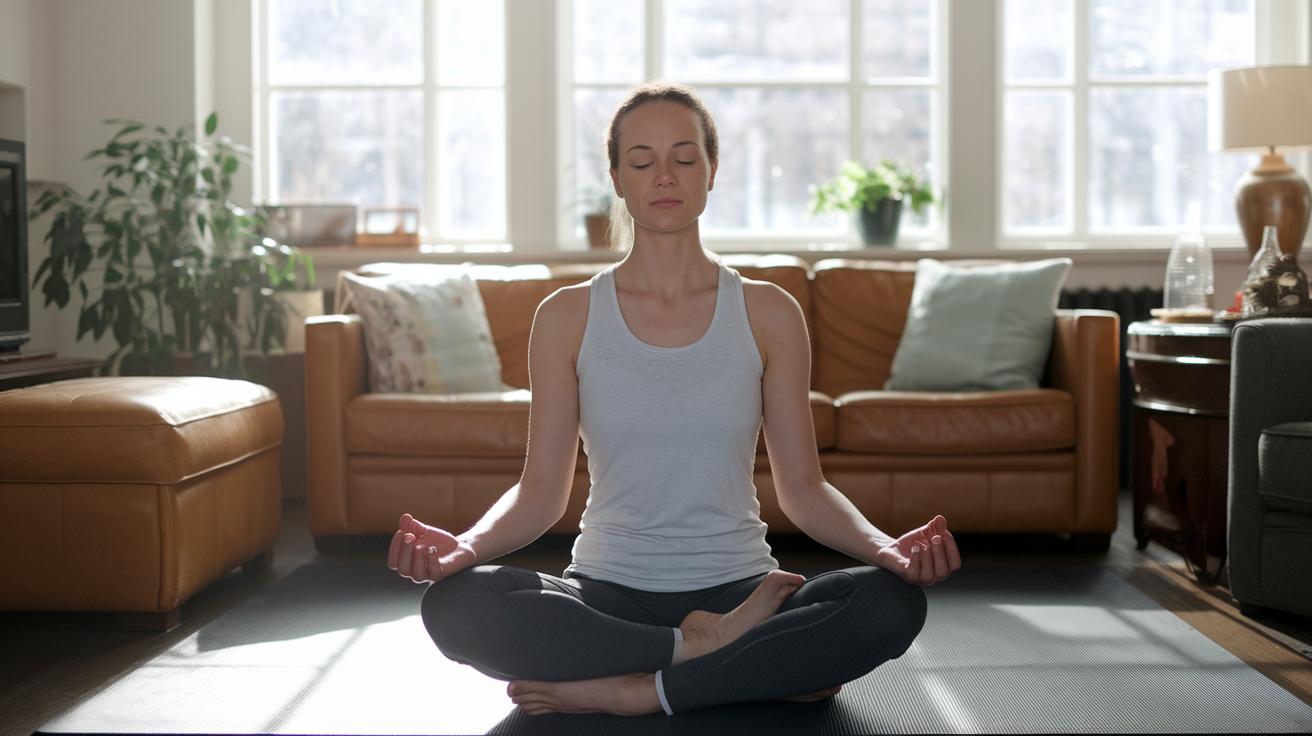
Feeling stressed can really cloud your day, but a few simple, proven techniques can help lift that weight off your shoulders. Sometimes, even a little moment of calm can set you up for a smoother, more balanced mood.
| Method | Benefit |
|---|---|
| Progressive Muscle Relaxation | Helps let go of built-up muscle tension |
| Deep Breathing Exercises | Slows your heart rate and eases anxiety |
| Guided Imagery | Focuses your mind on calming images |
| Journaling | Clears cluttered thoughts and feelings |
| Light Stretching | Improves blood flow and loosens stiffness |
| Nature Walks | Lifts your mood with fresh air and gentle movement |
You don’t need hours of extra time to enjoy these calming practices. Maybe set aside five minutes in the morning for some deep breathing, or take a short walk outside during your day. When things feel a little overwhelming, a quick session of guided imagery or jotting down your thoughts can help you feel centered again. Even just a bit of stretching between your daily tasks can work wonders. And if you can, try diffusing a soft scent like lavender or clary sage while you relax. Each small step towards caring for yourself builds a buffer against daily stress, so you can face challenges with a gentler and more resilient spirit.
Strategies for Building Resilience and Emotional Regulation

Resilience is all about bouncing back when life gets tough, while emotional regulation means understanding and handling your feelings. Both skills grow over time with simple, daily habits that help ease stress and keep your mood steady. Every little step you take adds up to big, lasting benefits for your well-being.
Why not try making a little time each day for mindful journaling, cognitive reframing, and gratitude practice? For journaling, set aside a few minutes and jot down your thoughts and feelings, think of it as a quiet chat with yourself. When a negative thought pops up, pause, and try rethinking it, maybe switch “I can’t do this” to “I’m learning how to do this better.” And for gratitude, list a few things you’re thankful for, like a calming cup of tea or a kind word from a friend. These simple actions can really help shift your perspective and build that inner strength.
Also, keep a simple log to note your experiences and check in with how you feel over time. Even a few brief notes can keep you motivated and help you develop more supportive ways to handle your emotions. For extra help, you might explore emotional regulation worksheets at https://womensconference.org?p=14599 to track your progress and fine-tune your practice.
Final Words
In the action of boosting mental wellness, you’ve seen practical ways to shape your self-care routine and design a calming space. The post covered simple steps, like mindful meditation and gentle stress relief practices, all backed by honest data and real-life insights.
Each tip for mental wellness offers easy, effective advice to help you feel balanced and strong every day. This care gives you the power to enjoy a healthier, happier life.
FAQ
Q: What are some effective strategies for maintaining and improving mental health?
A: The effective strategies for maintaining and improving mental health include daily self-care, mindfulness practices, regular exercise, and stress relief techniques that help build long-lasting well-being.
Q: How can students improve their mental health?
A: The approaches for improving student mental health involve creating balanced routines, seeking support from counselors or peers, practicing stress reduction methods, and taking time for self-care.
Q: Why is mental health important?
A: The importance of mental health lies in its role in supporting daily functioning, emotional balance, and physical well-being, which all contribute to a happier, healthier life.
Q: What are the 5 C’s of mental health?
A: The five aspects of mental health, often referred to as the 5 C’s, include competence, confidence, connection, character, and caring, which together promote positive growth and support.
Q: What do mental health quotes offer?
A: Mental health quotes offer brief moments of reflection and inspiration, helping remind us that simple acts of self-care and kindness can lead to meaningful improvements in our well-being.


