
Have you ever wondered if a simple test could tell you something about your baby’s spine? Early in your pregnancy (that special time when your baby is growing) doctors run checks that might catch signs of spina bifida before any symptoms show up.
They usually look for special markers between 15 and 20 weeks. This helps them decide whether more tests are needed to get a clear picture.
In this post, we'll explore how these thoughtful screenings can lead to better outcomes. They give expectant families a chance to take swift action and feel more at ease about their baby’s growth.
Prenatal Screening Spina Bifida: Promising Outcomes

Spina bifida is a condition that starts very early in pregnancy, usually in the first four weeks. It happens in about 1 to 2 out of every 1,000 births, meaning that a small part of the baby’s spine may not form correctly. The good news is that doctors can check for it early.
One of the best ways to look for spina bifida is with special blood tests between 15 and 20 weeks of pregnancy. These tests check for markers like AFP (a protein) and other hormones that help show if everything is on track. And, imagine this: a routine blood test might let you know if doctors need to do more checks to be sure your baby is developing well.
If the test shows a higher risk, in about 1 out of 12 pregnancies, it doesn’t mean that your baby definitely has spina bifida. It just indicates that further, more detailed checks may be needed. In such cases, your doctor may suggest extra exams like a detailed ultrasound, non-invasive cell-free DNA testing, or sometimes an amniocentesis for a final diagnosis.
| Screening Step | Time Frame |
|---|---|
| First-trimester combined blood screening | Early pregnancy |
| Second-trimester quad screen | 15–20 weeks |
| Detailed level II ultrasound | 18–22 weeks |
| Follow-up imaging or invasive testing | After a screen-positive result |
Another important way to lower the chance of spina bifida is to take 400 micrograms of folic acid each day before you get pregnant and during early pregnancy. This small step can reduce the risk of neural tube defects by up to 70%. It’s also comforting to know that about 95% of these conditions happen without any family history, which makes early screening a valuable step for every expectant family.
Maternal Serum AFP Screening for Spina Bifida Detection
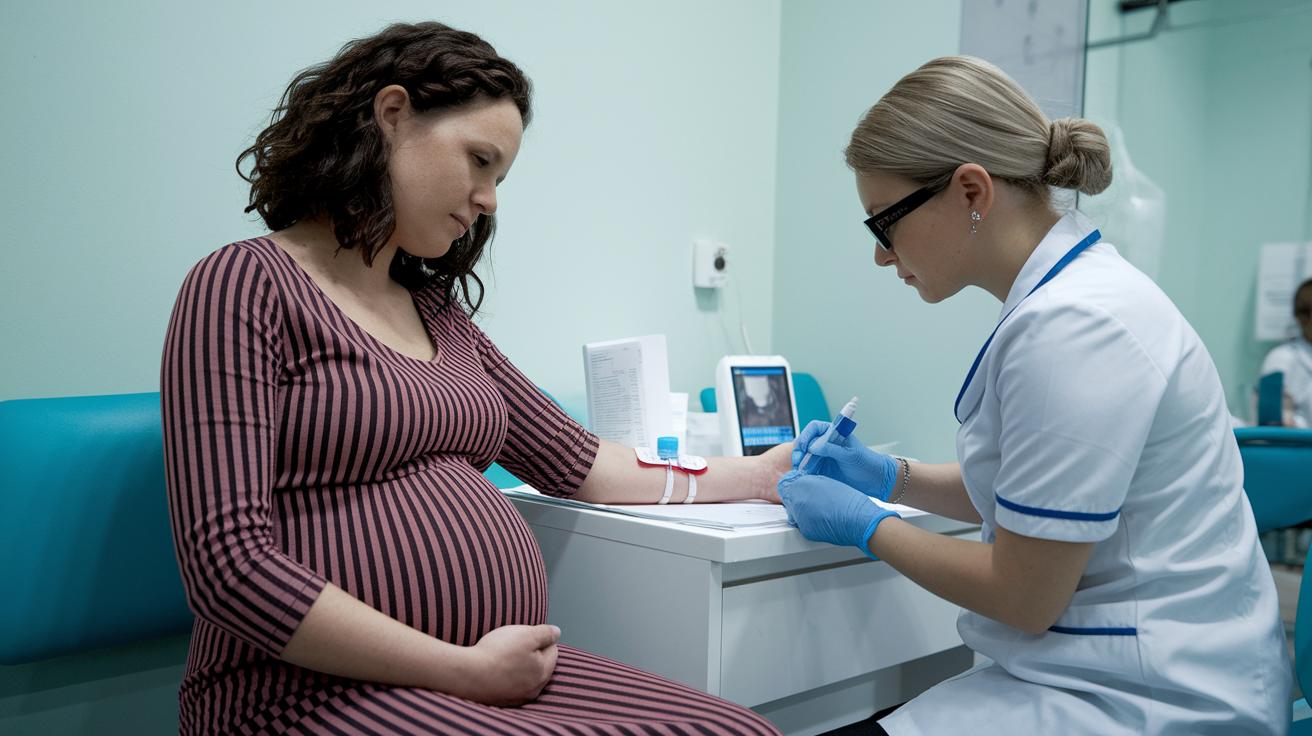
During your pregnancy, usually between 15 and 20 weeks, your doctor might ask you to take a blood test as part of the AFP PLUS Quad Test. This test checks the level of a protein called AFP (alpha-fetoprotein) in your blood. Think about it like following a recipe, if you add just a bit too much of one ingredient, it might be a sign to double-check your work.
If the test shows higher AFP levels, it may lead your doctor to recommend extra checks. For instance, when about 8-9% of tests come back with these higher levels, an ultrasound or further tests might be suggested. But if the levels are lower than expected, it could sometimes point to other concerns, like Down syndrome.
It’s really reassuring that a normal result usually lowers the chance of neural tube defects to less than 1 in 1,000. Still, no test is perfect. AFP levels change with how far along you are, so your results are compared with standard charts (measured in ng/mL). That’s why, if the level comes back high, your doctor will likely want to confirm it with an ultrasound before moving on to more invasive tests.
Ultrasound Detection of Spinal Anomalies in Prenatal Screening
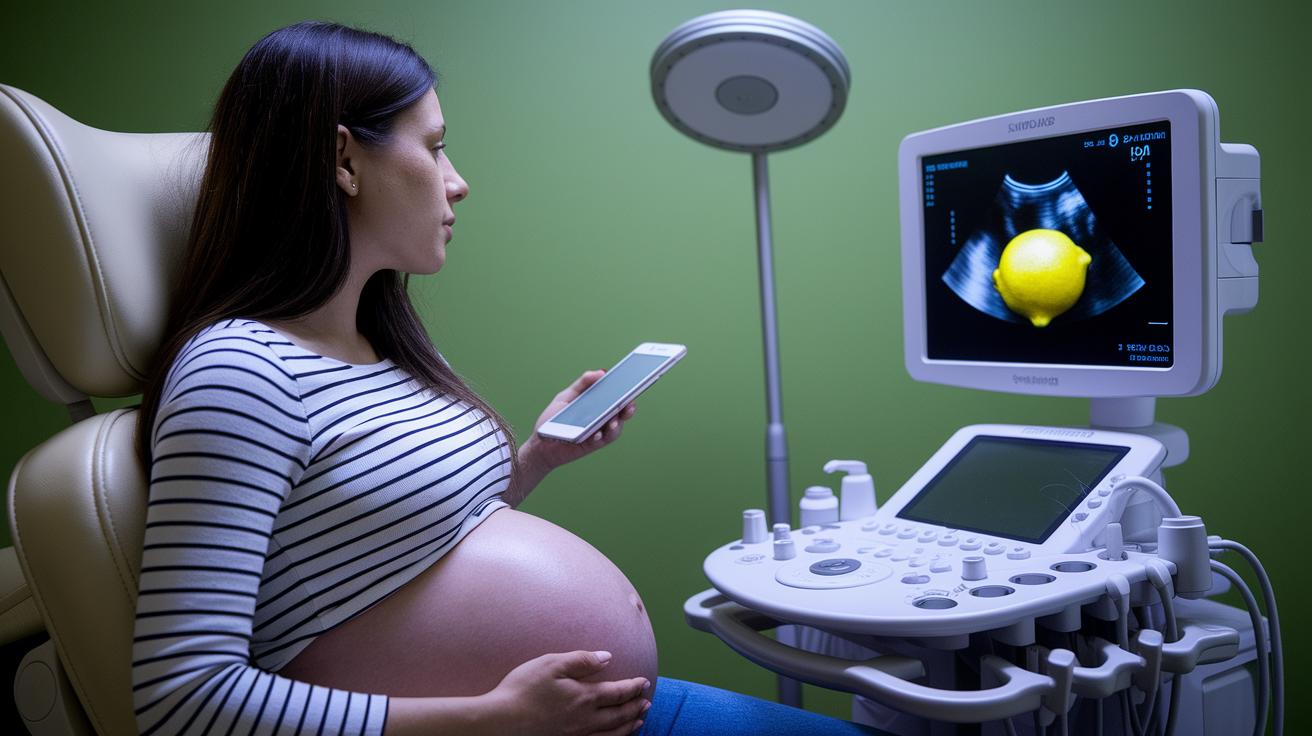
Around 18 to 22 weeks, you might get a level II obstetric ultrasound. This exam looks carefully at your baby’s body to check for open spina bifida. The technician will look at the baby’s spine and head, watching for signs like the "lemon sign" (a scalloped look at the front of the skull) and the "banana sign" (a curved shape in the cerebellum). It’s a bit like checking each part of a favorite toy to make sure everything is just right.
This scan doesn’t just spot these signs, it also lets the doctor see the baby’s spine directly to confirm if there’s any issue. At the same time, it helps figure out the right due date and makes sure there isn’t more than one baby, which could change other test results.
Skilled sonographers use clear, high-resolution equipment that catches over 90% of open neural tube defects, which gives many families peace of mind. For example, noticing the lemon sign, kind of like seeing a small curve in an otherwise neat line of blocks, might lead to more careful follow-up checks.
| Marker | Definition |
|---|---|
| Lemon Sign | Scalloped frontal skull contours |
| Banana Sign | Curved cerebellar shape |
| Spinal Visualization | Direct view of vertebral defect |
Diagnostic Follow-Up Protocols After Spina Bifida Screening
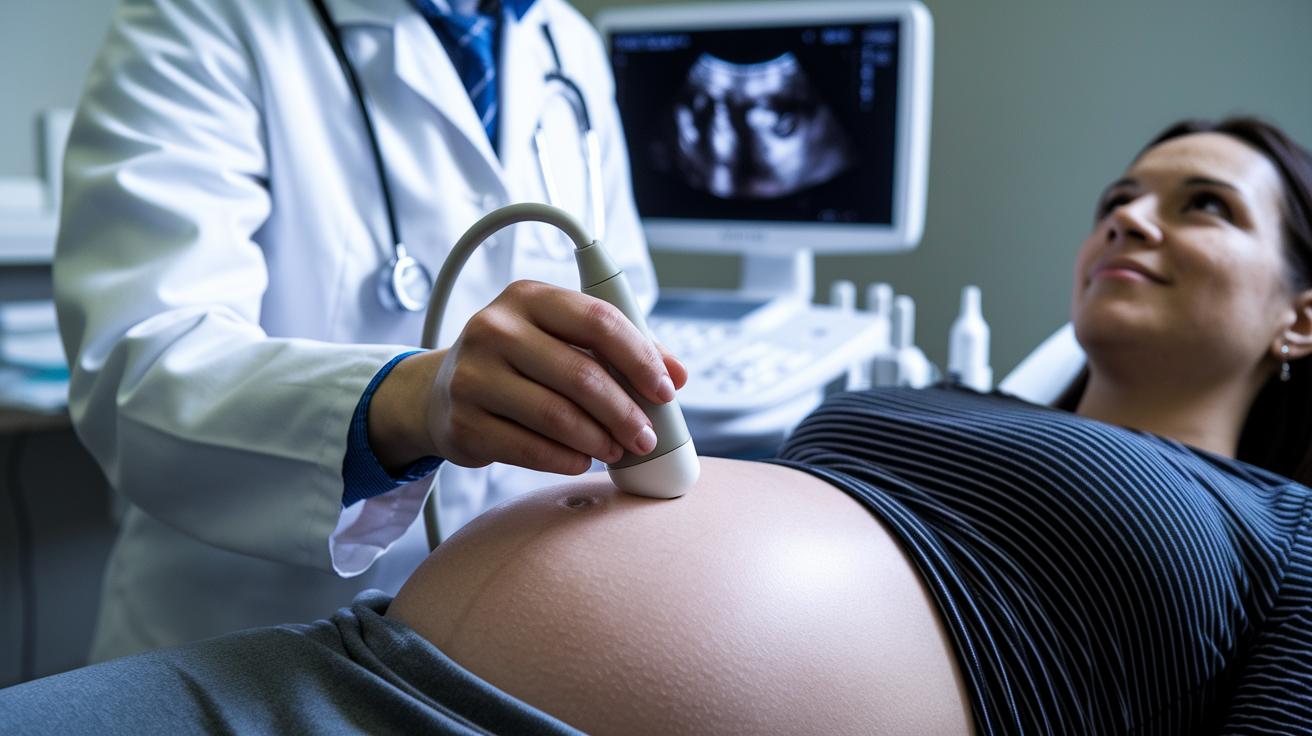
When a screening test shows something that may be off, doctors usually start with a repeat level II ultrasound. This extra check helps clear up any confusing signs or false alarms – like reading a text twice to be sure you got it right.
If those signs still worry the team, they might suggest amniocentesis between 15 and 20 weeks. In this test, a small sample of the amniotic fluid is taken to check for the condition. The risk of a miscarriage is very low – less than 0.5%, or about 1 in 200. Results for the chromosomal check come back in 7 to 14 days, and the test looking for neural tube issues can be done in as little as 2 to 5 days.
For cases that need a closer look, a fetal MRI might be recommended. This special scan gives detailed images of the baby's spine that other tests might miss.
Once the diagnosis is clear, families are offered a chance to talk with a genetic counselor. During these sessions, parents can discuss options such as in-utero repair, planning for care after birth, adoption, or even termination, all while getting support every step of the way.
- Repeat level II ultrasound
- Amniocentesis
- Fetal MRI evaluation
- Genetic counseling
Spina Bifida Risk Factors and Prenatal Counseling Strategies

Most neural tube problems happen in pregnancies with no history of these issues in the family. This means many families find out about these challenges unexpectedly. Some things that can increase the risk include not getting enough folate, having diabetes before pregnancy, being overweight, or taking certain epilepsy medications. For busy families, it’s a good idea to take 400 micrograms (μg) of folic acid every day before getting pregnant and during the early stages of pregnancy. This simple step can cut the risk by as much as 70%. And if a mother has had a neural tube defect before, doctors may suggest a higher dose, around 4,000 μg each day, while keeping a close watch.
Prenatal counseling feels like a gentle chat where every family’s values and traditions are respected. Caring professionals take time to go over test results, talk about more tests if needed, and plan the next steps together. They keep the conversation kind and clear, helping families understand all the options for treatment and care. This supportive guidance makes it easier for parents to feel confident while making big decisions about their baby’s health.
Risk factors include:
| Risk Factor |
|---|
| Not getting enough folate |
| Diabetes before pregnancy, being overweight, and certain epilepsy medications |
This caring advice is here to help families make healthy choices.
Management and Care Planning for Spina Bifida Diagnoses

Open fetal surgery for spina bifida offers many families a spark of hope. It helps reduce issues like hindbrain herniation and even the need for shunt placement later on. Imagine a delicate fix done while the baby is still in the womb, kind of like repairing a favorite quilt before a chilly night. Doctors carefully mend the defect, which often leads to better movement and brain growth. But, families need to know that this surgery can sometimes bring extra risks, like a baby being born too early, so chatting with the care team is really important.
If a baby hasn’t had the chance for this in-womb repair, doctors usually perform a postnatal surgery within the first 24 to 48 hours after birth. This quick repair helps stabilize the baby’s spine and manage any early bumps along the way. In fact, up to 90% of infants with a serious form of spina bifida may develop a condition called hydrocephalus (fluid buildup in the brain), which often means they might need a shunt to help redirect the fluid.
In the long run, caring for a child with spina bifida means having a whole team of supportive experts, neurosurgeons, urologists, orthopedists, and therapists, all working together like a close group of neighbors. Plus, genetic counseling is available to help families explore every option, whether that means arranging extra support at home, thinking about adoption, or considering other paths. This thorough, step-by-step plan gives parents a clear map to guide them along the road to long-term health for their little one.
Final Words
In the action, this article walks through key steps for prenatal screening spina bifida. It covers how early tests like maternal serum AFP and detailed ultrasounds help spot neural tube issues, followed by clear follow-up steps for a definitive answer.
The post also looks at risk factors and practical counseling, giving insight on how simple measures like folic acid can boost protection. Every stage is explained with care to help you feel more confident about navigating prenatal care with calm and assurance.