Ever wonder if a gentle, heart-pumping workout can make you feel strong after having a baby? Many new moms choose low-impact activities to slowly rebuild their strength while keeping safe. A brisk walk or a gentle bike ride can give your heart a little boost and add some extra energy for your busy day.
This kind of exercise is all about moving carefully, breathing deeply, and really listening to your body as you ease back into your routine. It’s not just about working out, it’s about feeling more confident and alive as you step into the new chapter of motherhood.
Postpartum Cardio Essentials For Recovery
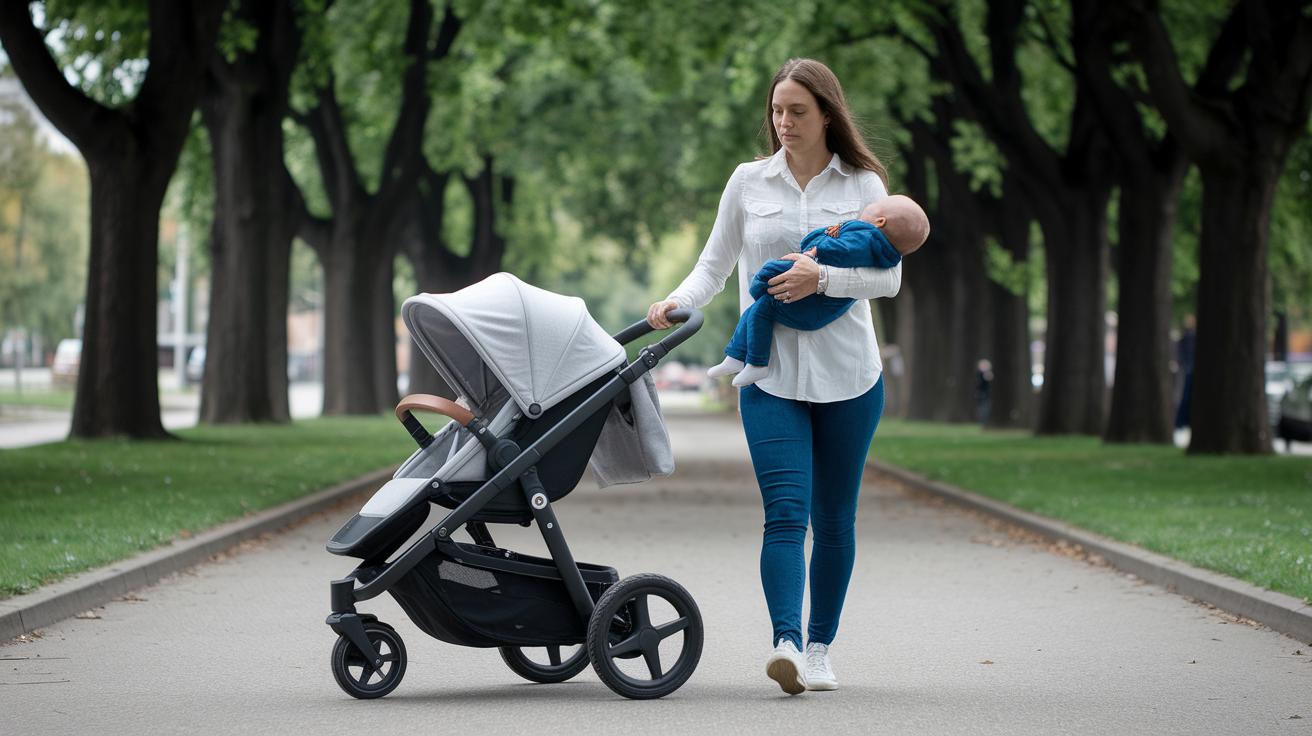
After giving birth, gentle activities help you regain strength while keeping your healing body safe. Low-impact exercises let you boost your heart health without putting too much pressure on your recovering tissues. Even a simple 30-minute brisk walk can work wonders, laying a steady foundation until your deeper muscles and pelvic floor are up to the challenge.
Paying close attention to how you move can make a big difference. With each step or stride, try to breathe out and softly tighten your pelvic floor and deep abdominal muscles (the ones inside your belly). This mindful move not only supports your lower back but also gently builds strength as you ease into your workout plan.
- Brisk walking
- Stationary cycling
- Swimming
- Elliptical workouts
- Seated marching
- Low-impact aerobic dancing
As you exercise, keep your breathing in sync with your movements. Exhale with every step to keep your core engaged. And if you start feeling any unusual pelvic pressure, heaviness, or notice even a little urinary leakage, it's a good idea to pause and try a gentler routine. Listening to your body is key, helping you rebuild strength safely and confidently.
Low-Impact Postpartum Cardio Routines At Home

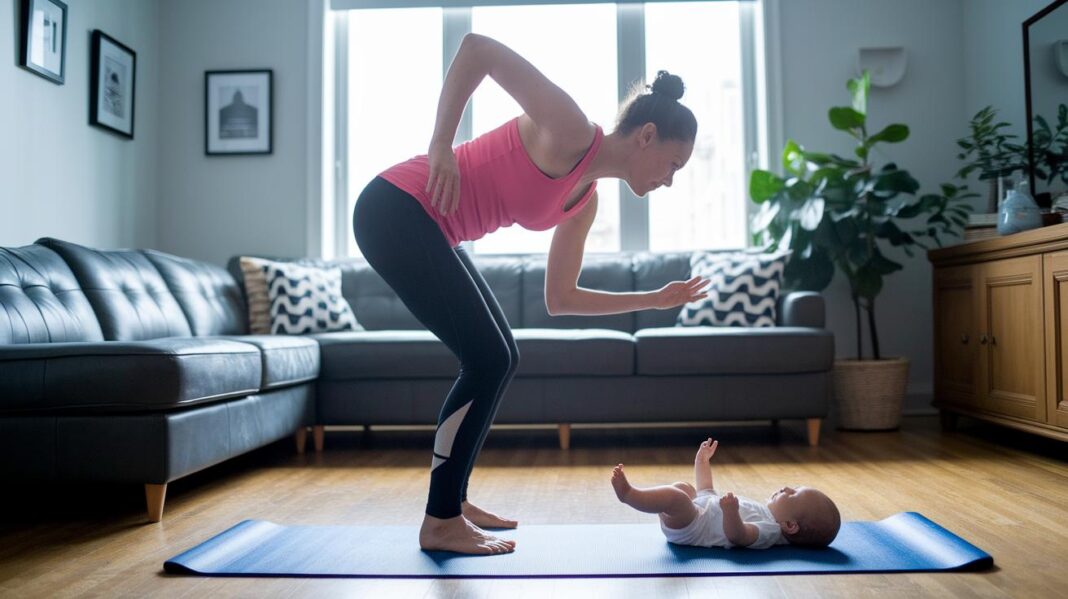
Many new moms are finding gentle ways to ease back into exercise with these low-impact workouts. They let you rebuild strength at your own pace while taking care of your body. It's like having a little conversation with your body, one that says, "I'm ok, slow and steady wins the race."
Maybe you could try a 10-minute low impact HIIT session (think short bursts paired with thoughtful breaks, ideal around 8 weeks after giving birth) to ease into movement. Or, you might prefer a 15-minute all-standing cardio routine, which is great for keeping those steps up without needing to lie down. The beauty of these routines is their flexibility; you can always adjust them based on how you feel today.
| Workout Name | Duration | Postpartum Timing | Key Modification |
|---|---|---|---|
| 10-Minute Low Impact HIIT | 10 min | 8+ weeks | No jumps, 20-sec rest |
| 15-Minute All-Standing Cardio | 15 min | 10+ weeks | Keep steps up, no floor work |
| 20-Minute Strength + Cardio | 20 min | 12+ weeks | Mix strength with bodyweight, stay low impact |
Feel free to change the sets or duration as you go. If you're feeling energetic, maybe repeat a circuit or add a little more time to each exercise. But if something feels off, it's perfectly alright to shorten the workout or take extra breaks. After all, these routines are just gentle guides to help you build strength while truly honoring your healing process.
Interval Training And HIIT For Postpartum Fat-Burning

Imagine a gentle 10-minute workout that sparks energy without overloading your healing body. In this routine, you move with care for 40 seconds, picture a steady squat or a smooth step, and then you take a 20-second break. You repeat this cycle three times, much like a little burst of activity designed to burn calories while protecting your pelvic floor, similar to a friendly Cardio Blast routine for moms who are 20+ weeks postpartum.
As you grow stronger, consider adding another round or slightly stretching the work period. It’s all about easing into it. If you start to feel any discomfort, like a bit of pelvic pressure, heaviness, or even a slight leak, pause and switch to targeted core rehabilitation. This gentle progression lets you build lasting strength and boost fat-burning benefits safely.
Cardio Safety Guidelines For Postpartum Recovery

Taking care of your core is really important when you’re getting your strength back after having your baby. Your core – that means your deep belly muscles and your pelvic floor (the muscles that support your lower body) – helps you with every little move. By choosing gentle, low-impact exercises, you give these muscles the care they need to heal.
It’s extra important to be gentle on your core when you first start exercising after birth. Skip activities like heavy running or jumping so your body has time to rebuild strength quietly. Every small movement counts, and taking it easy now helps you build a safe foundation for recovery.
Many new moms notice something called diastasis recti, where the tummy muscles separate a bit. More than half of new moms deal with this, so it’s best to avoid moves like plank jacks or side planks until you feel stronger. If you had a cesarean, you might need even more extra care since healing can take a bit longer. In that case, stick with low-impact exercises and special routines for your core. And if you need some guidance, check out the Postpartum Physical Healing Process.
With every step, try breathing out while gently drawing in your pelvic floor and deep belly muscles. Listen closely to your body; if you feel any heaviness down there or notice leakage, that’s your cue to take it slow and focus on gentle core work. This mindful approach not only keeps your core safe but also builds real strength over time. Trust your body and adjust as you go.
Tracking Progress In Postpartum Cardiovascular Workouts
Heart Rate Zone Monitoring
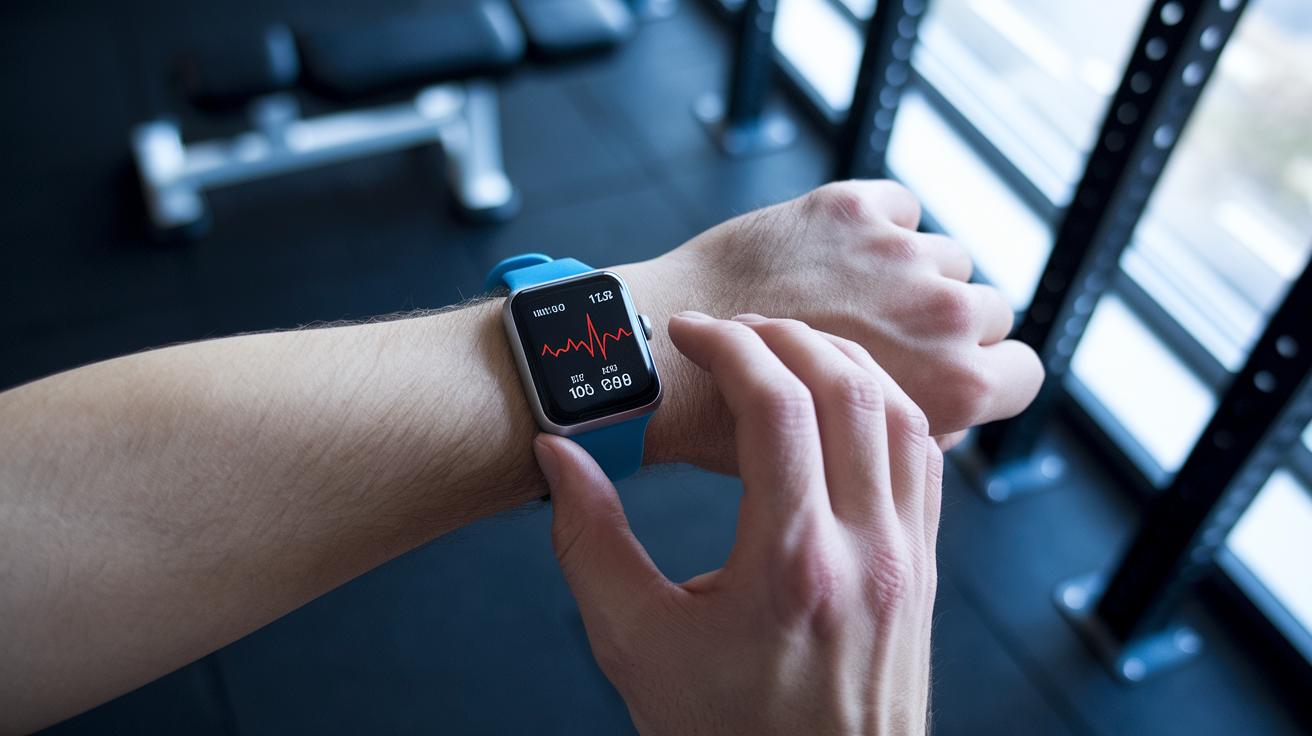
Keep an eye on your heart rate by aiming for about 50 to 70 percent of your maximum rate during your cardio workouts. To figure out your number, subtract your age from 220, then multiply that number by 0.5 and by 0.7. For instance, if you are 30 years old, your target might be between 95 and 133 beats per minute. This steady pace helps you build endurance while being gentle with your healing body.
Perceived Exertion Tracking
Try a simple one-to-ten scale to rate how hard you feel you’re working. I suggest aiming for a rating between about 3 and 5 during moderate sessions. It’s like checking in with yourself, if the workout feels too tough, it might be a good idea to slow down a little.
Workout Logging
It can be really helpful to jot down a few details about your workouts. Write down the date, how long you exercised, your heart rate, and your effort level. Also, note how your pelvic floor feels before, during, and after each session and mention any extra energy or discomfort you experience.
Weekly Frequency Goals
Start off with three cardio sessions each week. As you feel stronger and your body adjusts, you can gradually add more time or extra sessions. This steady plan helps you see how far you’ve come without putting too much pressure on your recovery.
Progressing Your Postpartum Cardio Workout Plan
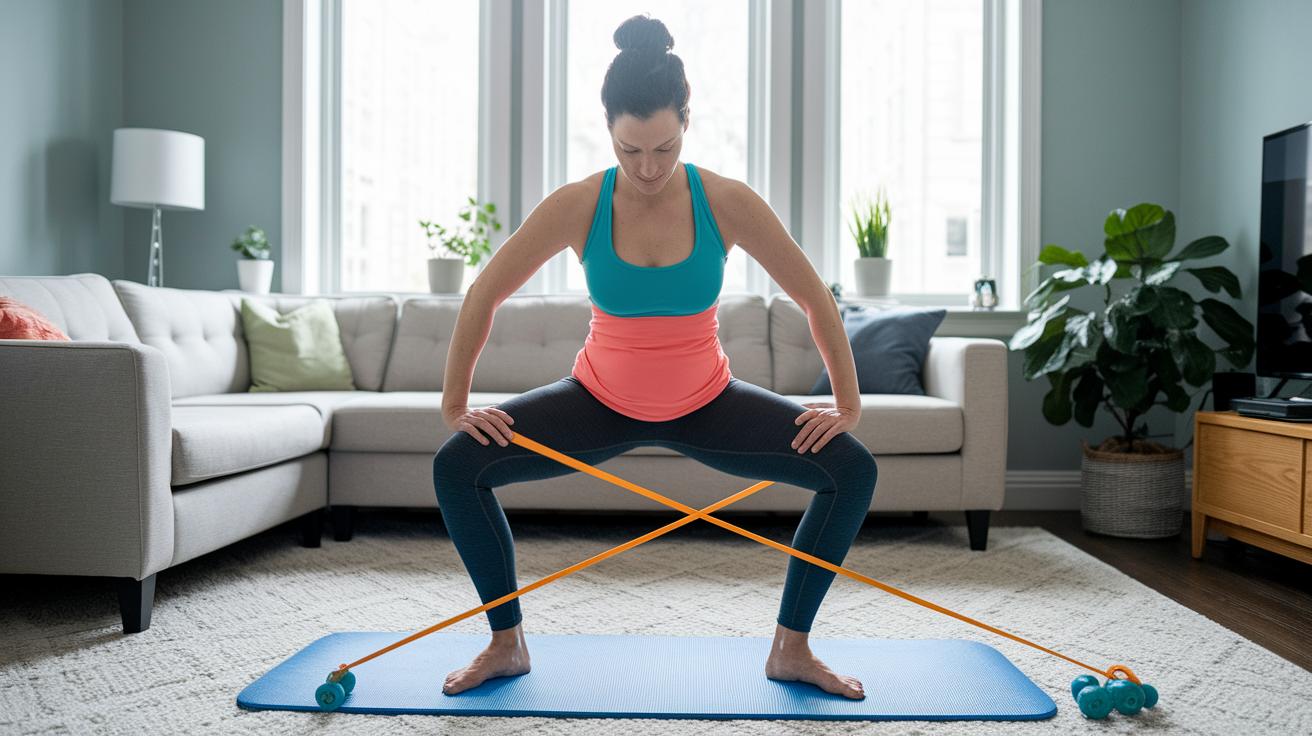
At about 12 to 15 weeks after birth, you might try a gentle circle-band circuit. This routine involves doing three or four rounds of simple, controlled moves that won’t put too much strain on your body, especially if you’re worried about issues like pelvic floor weakness or a gap in your tummy muscles (diastasis recti). Adding this workout can help you slowly move from basic exercises to something a bit more challenging. As your core and pelvic muscles get stronger, you’ll feel braver about trying new steps.
By around 20 weeks after giving birth, you might feel ready for faster-paced activities like Cardio Blast. This workout includes five rounds, working hard for 40 seconds and then resting for 20 seconds. It’s also a good time to start using an elliptical machine or even try some light jogging if you feel up to it. And after six months, if you’re feeling good and are free of symptoms, you might enjoy outdoor running or higher-intensity workouts.
For more ideas on safely moving forward with your exercise routine, consider checking out some evidence-based tips on postpartum healing techniques.
Final Words
In the action, this post outlined safe, clear strategies for building a strong routine after childbirth. We shared ideas that cover low-impact moves and simple breathing cues to protect your core during a postpartum cardio workout.
It also explained how to add steps gradually and when to pause, making it easier to adjust based on how you feel. Every step builds confidence and nurtures your well-being, helping you feel supported along every part of your recovery.
FAQ
What is a postpartum cardio workout with weights?
The postpartum cardio workout with weights means combining gentle weight exercises with light cardio moves to help rebuild strength while protecting your core and pelvic floor.
What is a good postpartum cardio workout for beginners?
The postpartum cardio workout for beginners involves starting with low-impact moves like brisk walking or cycling, keeping sessions short and manageable while focusing on steady progress.
Where can I find a postpartum cardio workout on YouTube?
The postpartum cardio workout on YouTube means accessing video guides made for new mothers that demonstrate safe, step-by-step routines tailored to early recovery needs.
How can I do a postpartum cardio workout at home safely?
The postpartum cardio workout at home means using accessible, low-impact exercises such as stationary cycling or modified routines that let you work out comfortably without stressing your healing body.
When can I start doing cardio after giving birth?
The advice to start doing cardio after giving birth means beginning with gentle activities like walking once your healthcare provider confirms you’re ready, ensuring a gradual return to exercise.
What workouts should not be done postpartum?
The guidance on workouts not to do postpartum means steering clear of high-impact moves like jumping or running early on, as these can strain your healing core and pelvic floor muscles.
Can I do cardio two weeks postpartum?
The idea of doing cardio two weeks postpartum means you should opt for very gentle, low-impact activities, and always listen to your body’s signals during early recovery.
What cardio is safe for diastasis recti postpartum?
The safe cardio for diastasis recti means choosing exercises like walking or stationary cycling that avoid heavy abdominal strain, keeping movements controlled to support healing.