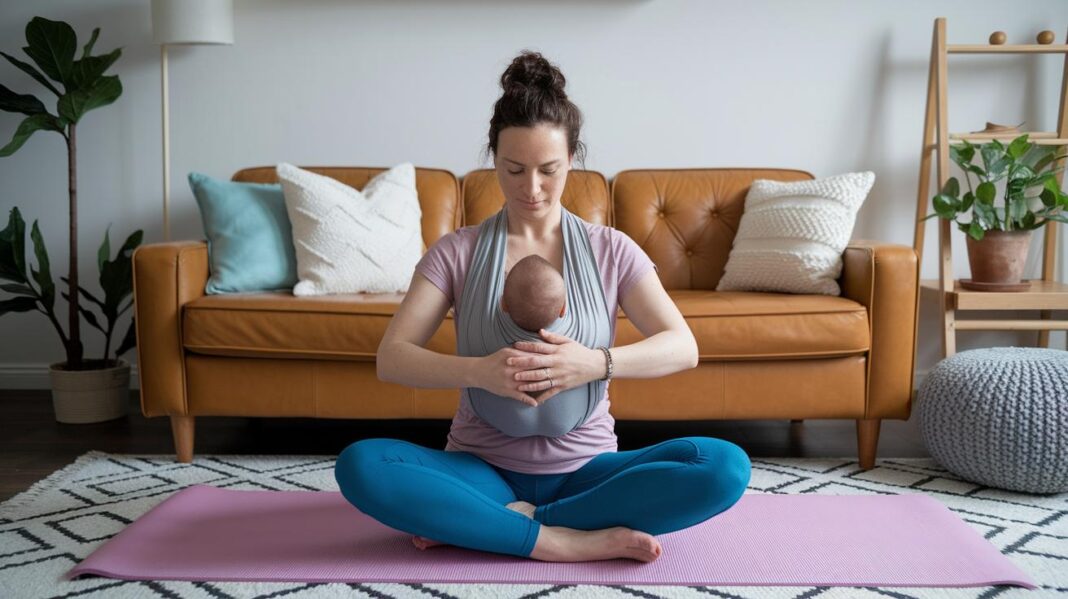
Have you ever wondered if jumping back into exercise after having a baby might be too much? It’s perfectly normal to worry about pushing your body too soon. But starting with gentle exercises can help your recovery and boost your confidence.
Begin with light movement and really listen to your body. Think of it as easing into a new routine that supports both your healing and overall strength. This guide walks you through a simple timeline and offers easy steps to help you feel strong and empowered.
Postpartum Exercise Safety Guidelines and Timeline

Before you start any exercise after having your baby, make sure you get a green light from your doctor at your six-week postpartum checkup. This visit shows that your body is healing well and helps you gently ease into movement. It’s important to follow your body’s pace so you don’t overstrain your healing muscles and ligaments.
| Postpartum Stage | Recommended Safe Exercises |
|---|---|
| First Week | Gentle walking, pelvic floor exercises |
| Two Weeks | Light stretching, basic pelvic movements |
| Three Weeks | Modified bodyweight movements, pelvic tilts |
| Six Weeks | Low-impact cardio, introductory strength work |
As you move through these stages, try gradually increasing your activity as your strength returns. Early on, simple steps like a gentle walk or basic pelvic exercises can help boost your circulation and support healing. By the three-week point, you might feel ready to try some modified bodyweight exercises like pelvic tilts. Always listen to your body, and if something doesn’t feel right, it’s okay to stop and take a breather.
When you hit the six-week mark, you’re likely more ready for a bit of low-impact cardio and some introductory strength work. It’s all about building up gradually rather than pushing too hard too soon.
If you’re thinking about running or adding more strength training, be extra careful. Wait at least 12 weeks before you start running, and begin with short sessions, maybe three 20-minute sessions a week, where you alternate about 20 seconds of jogging with two minutes of walking. For strength work, start with bodyweight exercises in the first month until you can comfortably do pelvic floor exercises, 10 squats, and 10 deadlifts with proper form. Then, you can consider using a light 10 lb kettlebell or dumbbells. And remember, if you’re breastfeeding, your joints might feel looser than usual, so it’s always best to chat with your doctor before trying high-impact exercises.
Pelvic Floor Safe Exercises for Postpartum Recovery
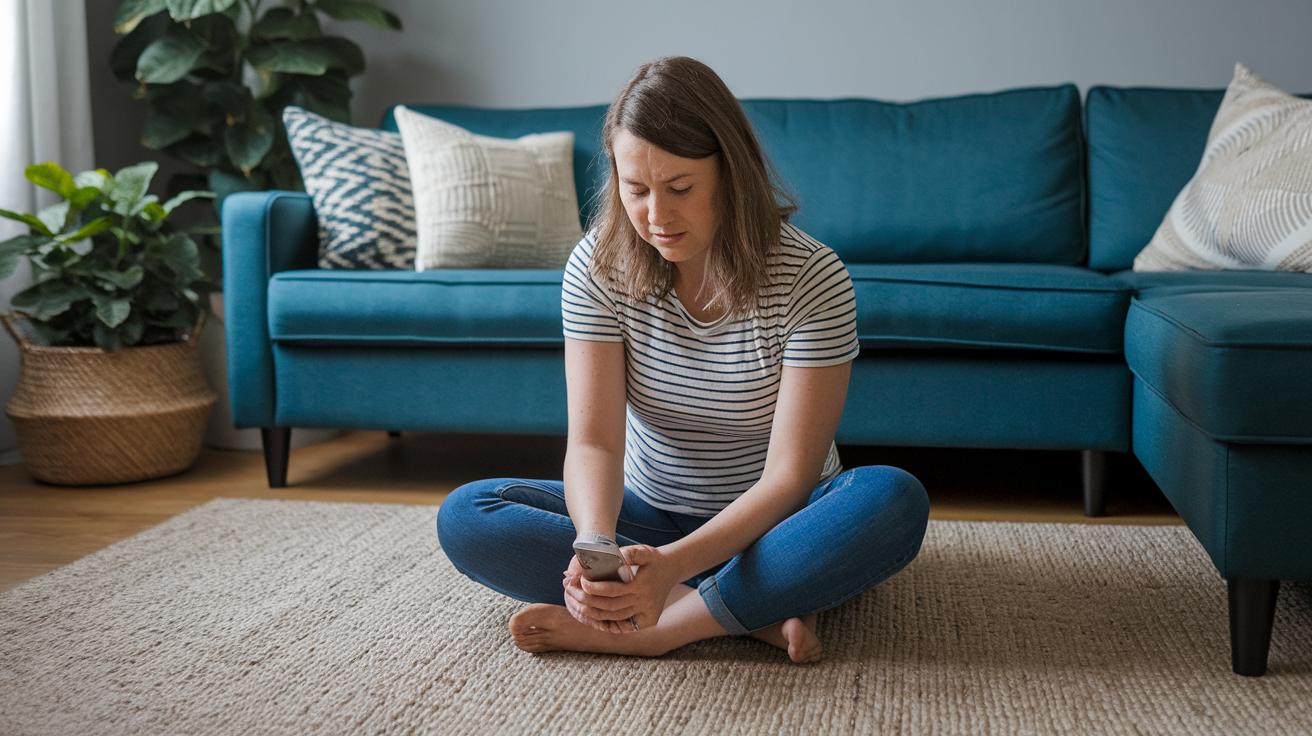
For new moms, taking care of your pelvic floor is a gentle way to boost your strength and help you feel steady again. Your pelvic muscles play a big part in keeping your core stable, and rebuilding them can lessen future issues. Many moms start with simple moves that gently support healing and bring back confidence in your body.
It’s usually a good idea to work until you can comfortably finish your pelvic floor exercises along with 10 squats and 10 deadlifts (without added weight) while keeping proper form. This gradual approach sets up a safe and strong foundation that helps with daily tasks and avoids complications.
Some safe exercises you can try are:
- Kegels (do 3 sets of 10, holding for about 5 seconds and resting for 5 seconds)
- Glute bridges with a pelvic lift
- Bodyweight squats with careful focus on pelvic alignment
- Pelvic tilts lying on your back with your knees bent
As you continue, pay attention to your breathing. Don’t hold your breath; instead, breathe smoothly as you move through each exercise. Begin slowly, ensuring you only feel a gentle activation in your pelvic muscles instead of any strain. If a move feels too hard, try a smaller range of motion or take a longer break. Imagine your pelvis rising and falling softly with each motion, like a quiet, reassuring ripple. Over time, you can gradually add more repetitions and increase the challenge while keeping your recovery safe and comfortable.
Postnatal Core Workouts: Safe Ab Strengthening After Birth

After giving birth, it's important to rebuild your core with care, especially if you're aware of diastasis recti (a separation of your abdominal muscles). When your belly is healing, you really need gentle moves that don’t push too hard. Instead of doing crunches or twisting too much, try exercises that keep your spine steady and let your core work slowly and softly. It’s like giving your muscles a gentle hug.
Think about trying these safe ab moves that many moms find helpful:
- Pelvic tilts while lying on your back
- Heel slides where you hold a light core brace
- Toe taps keeping your lower back supported
- A modified side plank on your knees
- The dead bug, doing slow, careful limb taps
Keep in mind the little details, sound familiar? Focus on using slow, controlled movements as you do each exercise. Aim for about 8 to 12 repetitions, and maybe do 2 or 3 sets as you start. Always listen to your body; if something feels off, it's okay to pause or adjust how far you go.
Rest assured, with consistent practice and a mindful pace, these exercises will help you gently regain core strength while protecting your healing muscles. Remember, every small step is progress.
Low-Impact Cardiovascular Activities for Postpartum Safety
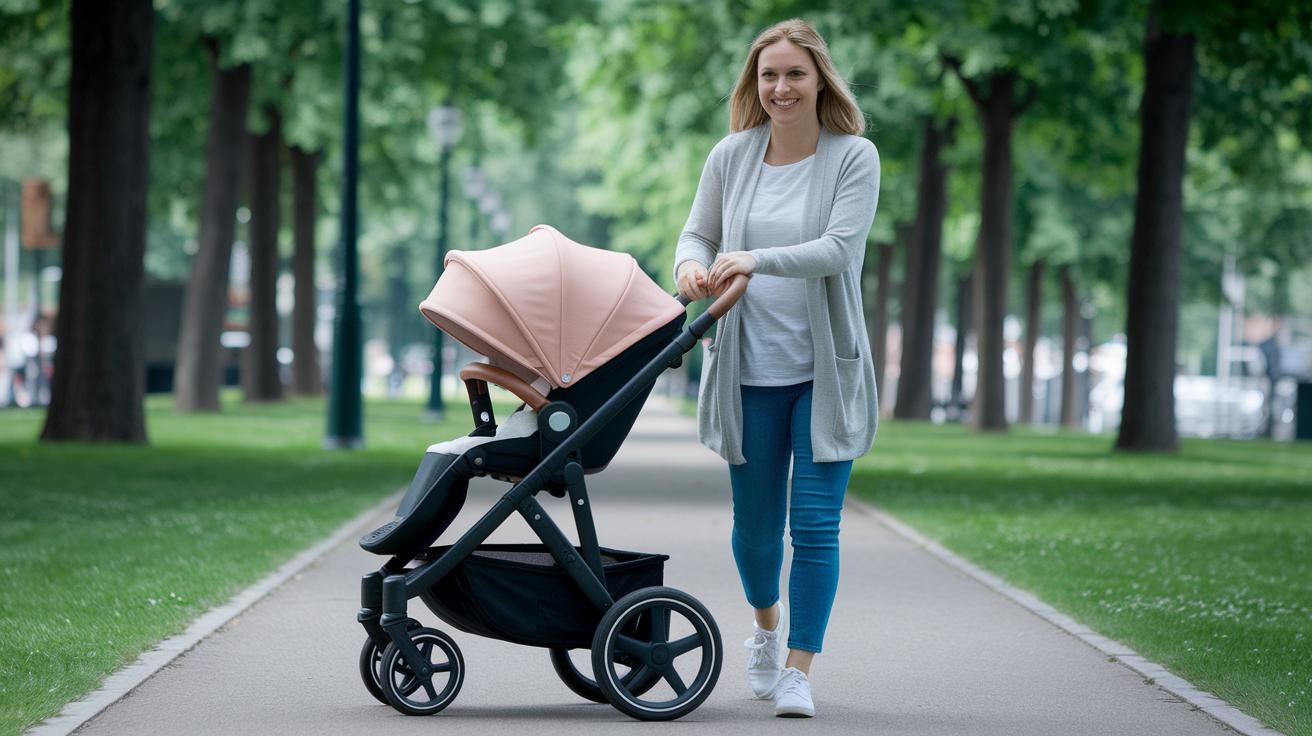
Low-impact cardio exercises are a gentle way to boost your mood and get your blood flowing without putting too much strain on your healing body. They are perfect for new moms who want to ease into a more active routine while building confidence and keeping energy levels steady throughout the day. Think of these activities as soft rituals that refresh both your mind and body.
There are a few simple ways to add these gentle workouts into your routine. For example, a brisk walk for 20–30 minutes can feel like a little escape that naturally increases your circulation. If you prefer a seated option, try stationary cycling since it’s easier on your tummy, especially if you had a c-section. Aqua aerobics is another fun choice, the water helps support your body and reduces joint stress. You could also join a low-impact aerobics class that keeps your movements controlled, or enjoy postnatal yoga that combines gentle stretching with mindful breathing.
Aim to do these activities about three times a week. And don’t worry if you need to adjust the time or how hard you work out; listen to your body and take it easy when needed. Small steps can really make a big difference!
Safe Strength Training and Equipment Modifications Postpartum
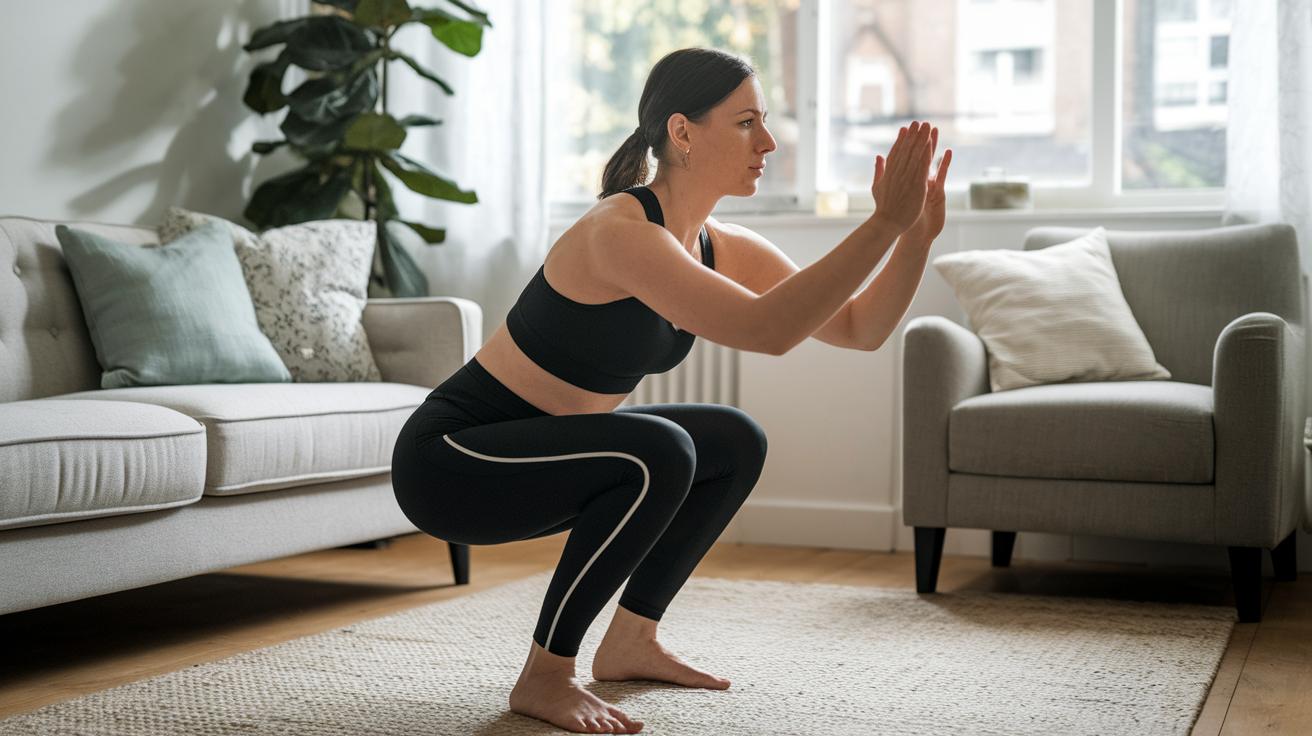
After your six-week checkup, many new moms can start easing into strengthening exercises. Begin with simple, bodyweight-only moves for about four weeks while your body gets used to regular activity. Try exercises like squats, deadlifts, and bent-over rows. These moves use a hip-hinge pattern to gently rebuild your strength and support recovery. Keeping your spine in a neutral, straight position is key. Think of it as gradually inviting strength back into your body, maybe even notice how your muscles feel during a set of squats with just your body weight.
Once you feel more comfortable, you can slowly add a bit of equipment. Light dumbbells or a 10 lb kettlebell are great for this next phase. Resistance bands work well too, giving you a little extra challenge without being too heavy. Always check your posture and make sure your joints are lined up correctly as you lift. This careful approach helps lower the risk of injuries, such as muscle strains or other issues. Listen to your body and adjust your workouts to fit your recovery pace.
Postpartum Exercise Precautions and Professional Guidance

Right after having your baby, jumping into exercise too quickly or pushing yourself too hard can lead to injuries like hernias, pulled muscles, falls, or even pelvic organ issues. When you're breastfeeding, hormones can make your joints a bit looser, so high-impact moves might be riskier. Listen to your body, if you feel ongoing pain, heavy bleeding, or any unusual discomfort, take a break. Start with gentle activities and slowly build up your strength. Remember, taking a careful approach now can really help your recovery.
Warning Signs to Stop Exercise
If you notice more bleeding, pelvic pressure, dizziness, or sharp pain during or after a workout, it’s a clear sign to stop what you’re doing immediately. These signals mean your body might need more time to heal before you return to more intense exercise.
When to Consult a Professional
If you've had a C-section or any complications during childbirth, it’s wise to check in with your OB-GYN or a pelvic floor specialist. Getting professional advice before moving on to tougher workouts ensures you're building your strength safely while protecting your recovery.
Crafting Your Postpartum Recovery Workout Plan
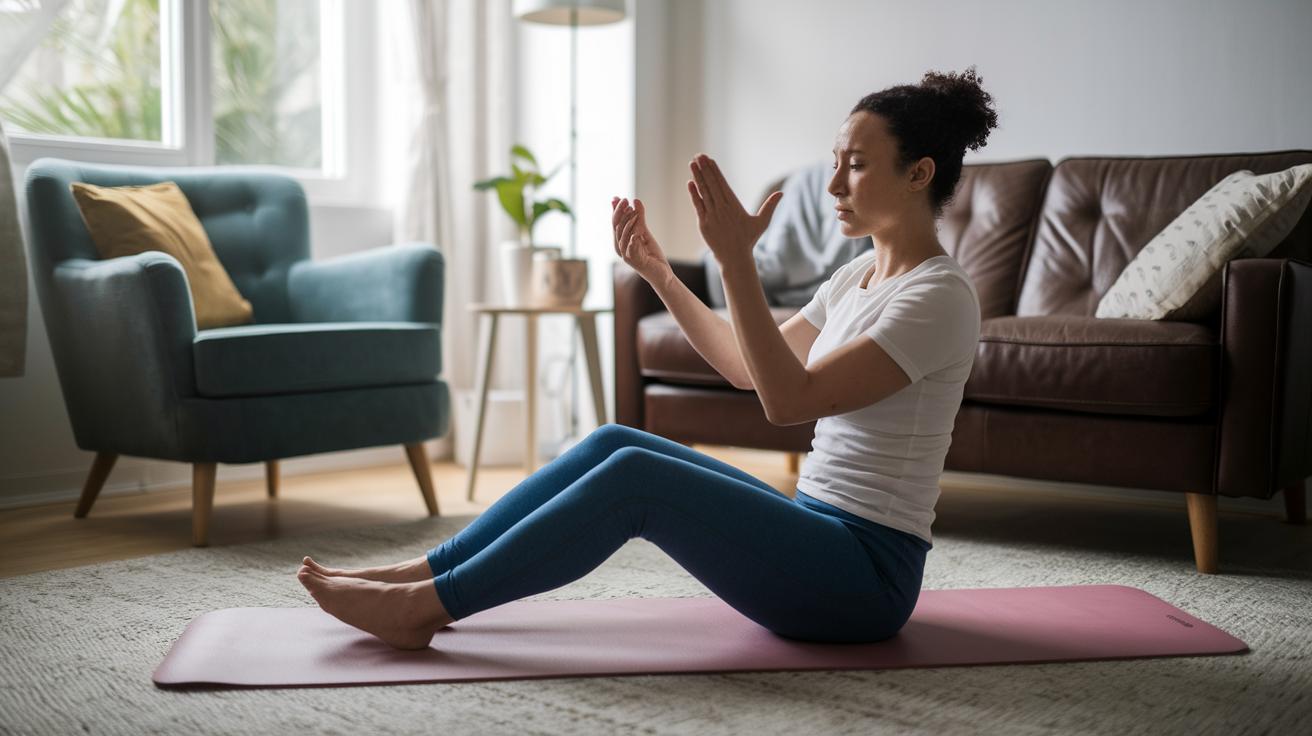
Make a gentle weekly workout plan that matches your pace and recovery needs. Start with easy pelvic floor exercises, a bit of core work, light strength moves, and low-impact cardio like walking or cycling. This mix helps rebuild strength and boosts your confidence. Remember to include rest days so your body can recharge. And don’t forget to note how you feel after every session. Think of your workout plan like a balanced meal where each part nourishes a different muscle group while giving you time to heal. This steady approach lets you move forward at a pace that feels right for you.
For a simple start, try a three-day plan. On Monday, do pelvic floor exercises along with some core moves to gently rebuild stability. Then on Wednesday, spend 20 to 30 minutes doing low-impact cardio, such as brisk walking or riding a stationary bike, to help improve circulation without overworking your body. Come Friday, add light strength training with bodyweight exercises or very light dumbbells to build muscle tone. While working through your week, keep an eye on your energy levels and watch for any tiredness or discomfort. If you ever feel too tired, scale back the intensity or shorten your session. Listen to your body and make small, gradual changes. This flexible routine helps you honor your recovery while steadily regaining strength and confidence.
Final Words
In the action, this article outlines guidelines for safe postpartum exercises. It stresses medical clearance, timing, and gradual progress to protect and rebuild strength.
| Postpartum Stage | Recommended Safe Exercises |
|---|---|
| First Week | Gentle rest and short walks |
| Two Weeks | Light pelvic floor movements |
| Three Weeks | Simple core and flexibility activities |
| Six Weeks | Introductory strength and low-impact cardio |
Reviewing each stage, new moms learn how safe postpartum exercises can evolve gradually. The guidelines offer clear transitions from gentle movements to more structured routines. Keep working at your pace, and enjoy a positive, healthy path to improved well-being.
FAQ
Q: When can I safely start exercising postpartum, including tummy workouts for weight loss?
A: Starting postpartum exercise depends on your healing. Some moms may begin gentle pelvic floor exercises and short walks about two weeks after a normal delivery if cleared. More intense tummy workouts are usually reserved for after the six-week checkup.
Q: What safe exercises can I do after a C-section or with stitches?
A: Safe exercise after birth means choosing gentle movements. For a C-section or stitches, wait for your doctor’s clearance before starting with light walking, pelvic floor routines, and gradual stretching to support recovery.
Q: What is the 5 5 5 rule postpartum?
A: The 5 5 5 rule postpartum offers a simple structure: do 5 minutes of gentle exercise, repeat 5 times daily, and gradually build up over 5 weeks. This method supports a safe, steady return to activity.
Q: What exercises should I avoid after birth, and is stretching safe postpartum?
A: After birth, avoid high-impact activities, heavy lifting, and drastic twisting moves that place strain on your core. Gentle stretching is safe when done slowly and within your comfort zone.
Q: Where can I find postnatal exercises in PDF format?
A: A postnatal exercises PDF guide usually combines timelines, modifications, and safety tips. Look for one on reputable health websites or ask your healthcare provider for a trusted, evidence-based document.