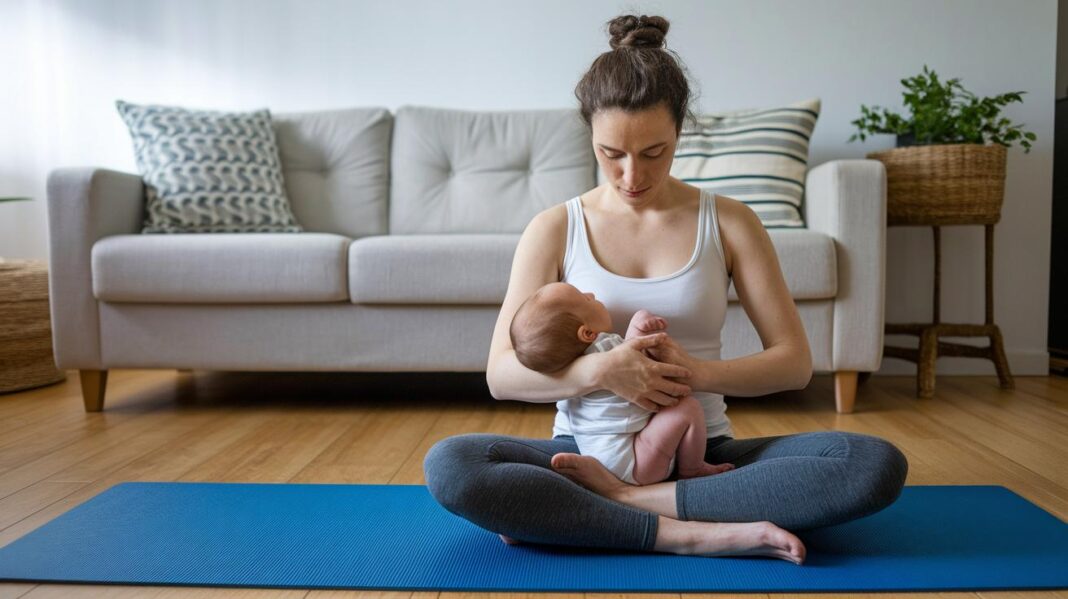
Have you ever thought that gentle yoga might soothe your aches and brighten your mood after having your baby? Postpartum yoga uses soft and mindful moves to help you feel more relaxed as you heal.
Many moms say they feel calmer and stronger by doing these simple steps. When your doctor gives you the thumbs up, this guide offers safe ways to begin your practice.
Maybe these nurturing moves are just what your body and spirit need right now.
Getting Started with Postpartum Yoga
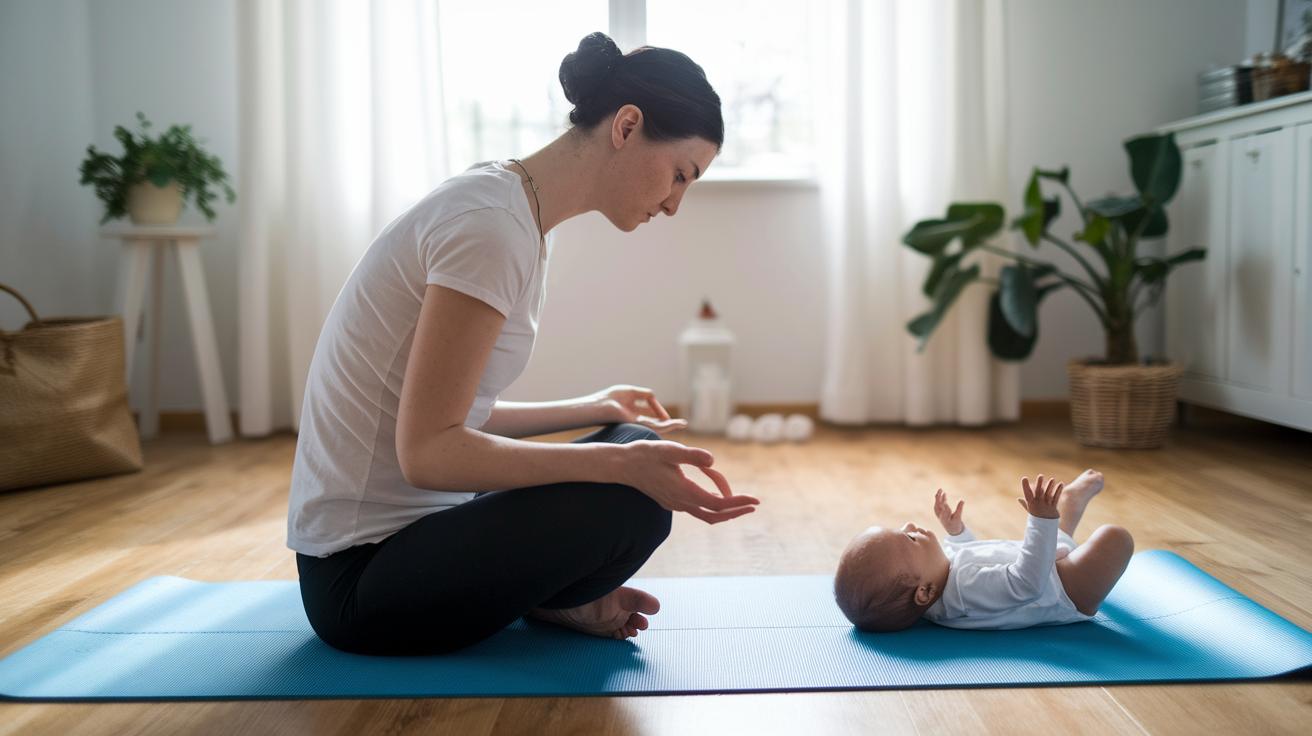
Postnatal yoga is a gentle way to ease aches, help with mild urinary leaks, and support longer-term healing after childbirth. Studies have shown that slow, mindful movements and deep, relaxed breathing can reduce anxiety and lift your mood after delivery. Many moms feel ready to begin around six weeks postpartum (with a doctor’s okay), making this a safe way to reconnect your mind and body. For more details on how it can help, check out holistic postpartum healing methods.
After delivery, yoga doesn’t just ease physical discomfort, it also nurtures your spirit. Picture starting your session with a calm, deep breath and feeling a gentle wave of peace, like taking a quiet break during a busy day. This heartwarming approach helps soothe your body’s recovery, easing discomfort while building strength. Every movement welcomes healing, leaving you with a comforting mix of resilience and calm during this important time.
Safe Timing and Precautions in Postpartum Yoga
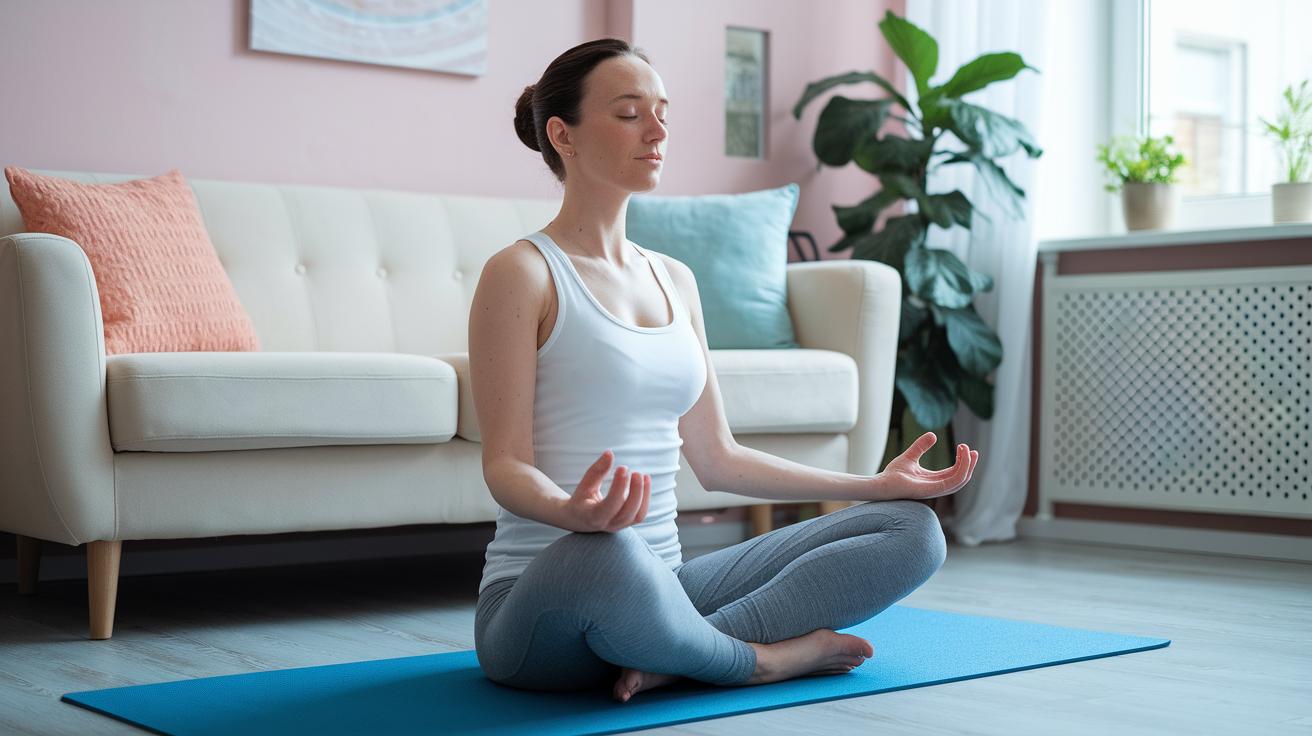
When you're ready to start postpartum yoga, it's important to be gentle with yourself and time it right. Many moms who had a vaginal birth feel comfortable beginning gentle yoga around 4 to 6 weeks after delivery, while those recovering from a C-section might wait until about 8 to 10 weeks. Checking in with your doctor first is a kind way to ensure your body is ready for movement.
Yoga sessions are made to be soft and flexible. Classes can be as short as 5 minutes or stretch up to 30 minutes, which means you can pick a session that fits your energy and busy schedule. A slow pace paired with deep, mindful breathing creates a peaceful space for both your body and mind. Even on days when you feel a little low, a brief session can be like a gentle hug, helping you reconnect and support your healing process.
Always take time to listen to your body. If any pose feels uncomfortable, it’s perfectly okay to pause and adjust your movement. These little modifications are great whether you're bouncing back from surgery or easing up after a vaginal birth. Moving mindfully while taking breaks helps you rebuild strength without adding extra stress. Isn't it wonderful how a caring, slow approach can make such a difference in your recovery?
Essential Postpartum Yoga Poses for Beginners
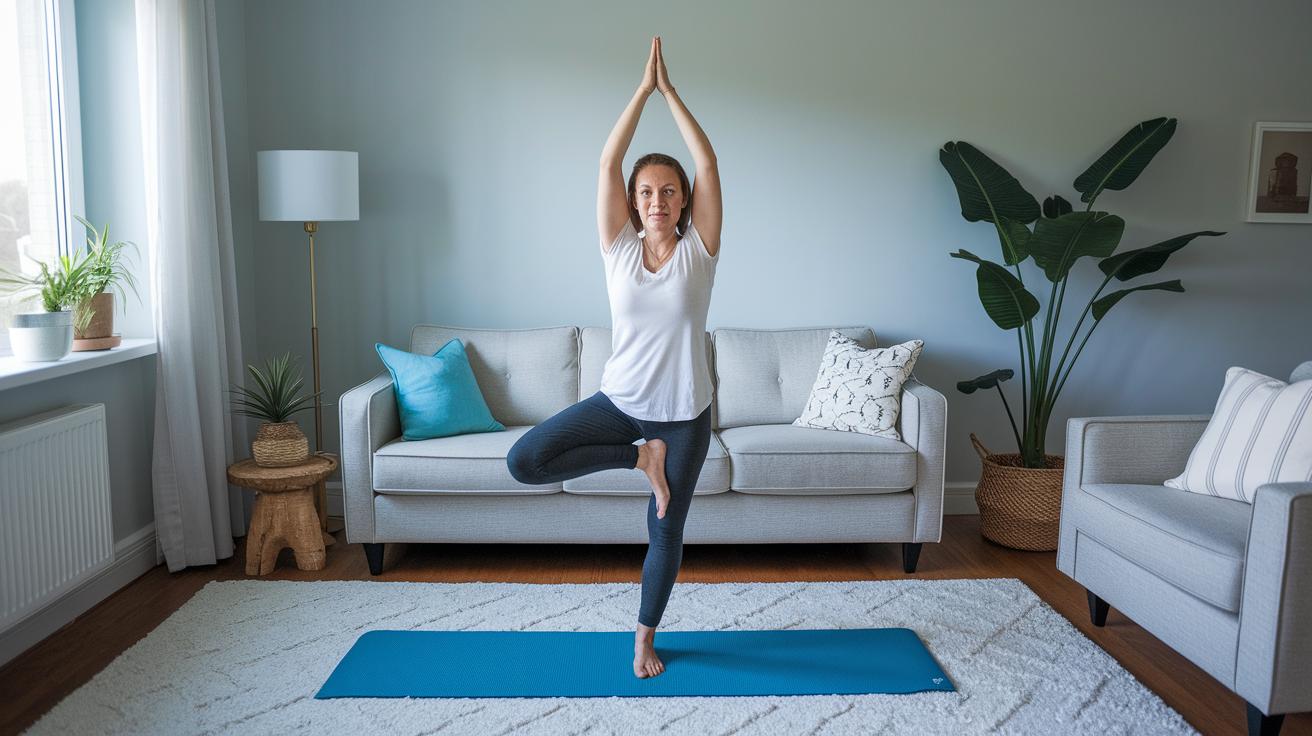
Postpartum yoga is a soft, caring approach for new moms wanting to rebuild strength and comfort. It helps your body heal gently after birth, easing back aches and supporting your pelvic floor recovery. With slow, mindful movements and deep breaths, you can adjust each pose to feel just right for your body at this special time.
-
Chair Pose: This move strengthens your legs, glutes, and pelvic floor. It rebuilds lower body strength and helps you regain your confidence after childbirth.
-
Child’s Pose: A soothing stretch that calms your mind and eases lower back tension. It offers a peaceful moment to reconnect with your breath.
-
Prone Chest Stretch: This pose opens up your chest and shoulders, making it easier to find a comfortable position during feeding. It supports better posture when you’re keeping close with your little one.
-
Supported Bridge (with block or blanket): Using a prop like a block or a folded blanket, this gentle pose helps balance your lower spine and can ease discomfort, including sciatica.
-
Legs Up the Wall: This relaxing position invites a calming state by encouraging your body’s natural rest response. It’s a lovely way to reduce stress and find a moment of quiet.
-
Savasana: The final resting pose that lets your muscles relax completely, reducing stress and letting you absorb the benefits of your practice.
Embracing these six poses can create a warm and nurturing routine for your postpartum recovery. Remember, as you move slowly and listen to your body, every pose offers a gentle yet effective step towards rebuilding balance and comfort during this special phase.
Modifying Postpartum Yoga Based on Delivery Type
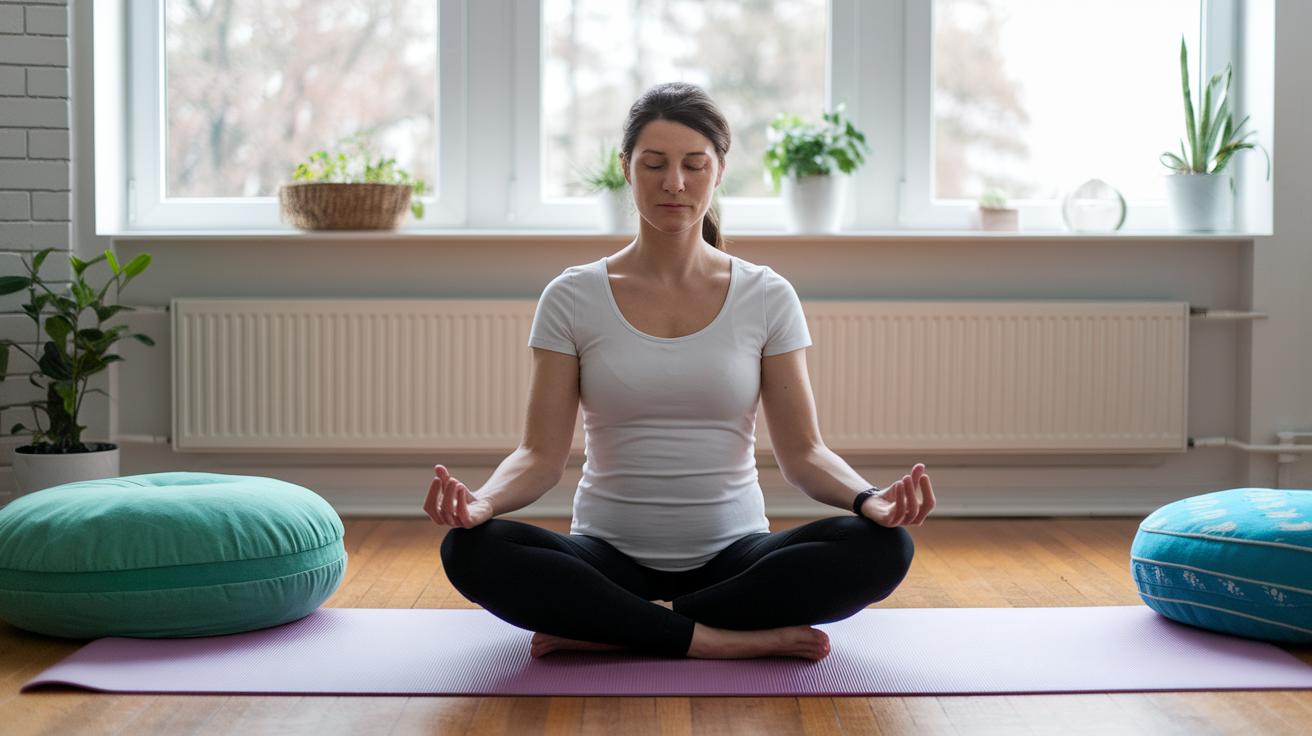
If you've had a C-section, you can adjust your yoga practice so it feels safe and soothing for your body as it heals. Start by skipping deep twists or any moves that press on your belly. Instead, try gentle poses that focus on slow, deep breathing. Using cushions or folded blankets can give you extra support as you build strength step by step. For more ideas, have a look at our postpartum c-section healing tips to guide you during this delicate time.
If you had a vaginal delivery, you can also ease into your routine by trying softer hip-openers and light variations of your usual poses. For example, putting a cushion under your knees during seated stretches can help ease lower back pain while you work your pelvic floor. This caring approach not only supports your recovery but also helps you feel steady as your body adjusts after childbirth.
Remember, every body is unique. Take your time and modify your practice based on what feels best for you right now. As you keep going, slowly add movements that open the hips and gently engage your core. This thoughtful practice not only helps your body heal but also brings calm and mindful breathing into your day. Take it one step at a time, and be kind to yourself as you return to movement.
postpartum yoga for beginners: Safe, soothing steps
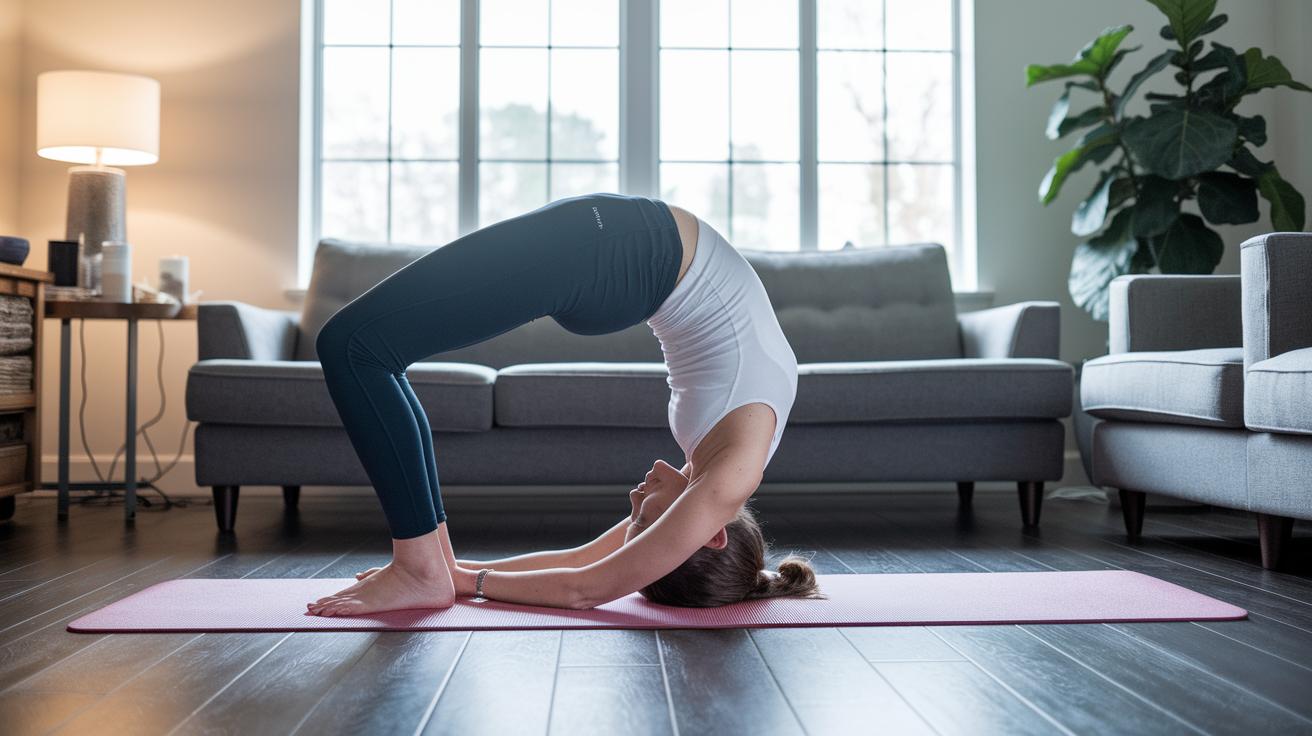
Imagine a gentle 20-minute yoga flow that slowly brings movement back into your day after having your baby. It all starts with a few deep breaths to help you feel centered. Then you move into a gentle Bridge that opens your chest while strengthening your pelvic floor.
Next, try some soft Cat-Cow stretches that invite your spine to move in a natural way. A few light twists and seated hip openers add even more freedom to your body. The flow ends with a calming Legs Up the Wall pose that soothes your nerves and supports overall recovery. And if you’re just starting out, a shorter 5- to 10-minute session works wonderfully as a kind, manageable option.
| Pose | Duration | Focus Area | Props |
|---|---|---|---|
| Breath Work | 3 minutes | Mindfulness | None |
| Supported Bridge | 4 minutes | Chest and Pelvic Floor | Block or folded blanket |
| Cat-Cow | 4 minutes | Spinal Flexibility | Yoga mat |
| Seated Hip Openers | 4 minutes | Hip Mobility | Cushion |
| Legs Up the Wall | 5 minutes | Relaxation | Wall space |
This routine blends gentle movement with steady, calming breaths to support both your body and mind after pregnancy. Every pose, from active stretches to moments of rest, helps rebuild strength while nurturing a peaceful state of mind. Every step in this flow is a loving, safe way to guide yourself back to strength and comfort. Have you ever noticed how taking just a little time for yourself can brighten the whole day?
Video Tutorials and Online Postpartum Yoga Resources
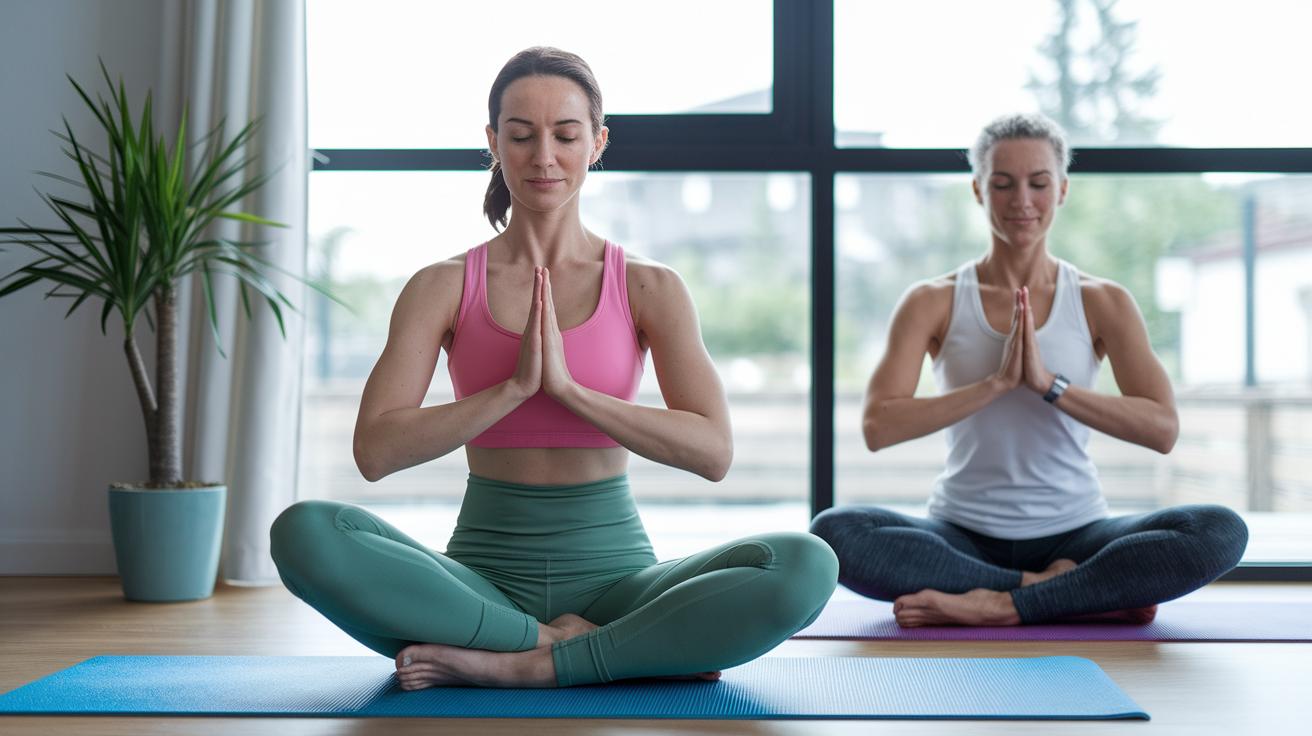
Imagine a calm 20-minute postnatal session led by a friendly yoga teacher and physical therapist who really gets what you're going through. These gentle movements are designed to help ease your recovery and bring you a sense of calm.
Many moms now find online classes that include these soothing flows – and some even have a short, hip-focused mini session on busy days. The sessions range from 5 to 30 minutes, so you can pick one that fits perfectly into your day. And the best part? You don’t need any fancy equipment, so you can relax and practice right at home.
These virtual tutorials gently help release muscle tension and let you see just how far you’ve come as you rebuild your strength and balance. Each session comes with clear, caring guidance to help you reconnect with your body after childbirth. So whether you need a quick refresh or a longer, more mindful practice, these video resources offer a flexible, nurturing way to care for yourself at your own pace.
FAQs for Postpartum Yoga Beginners
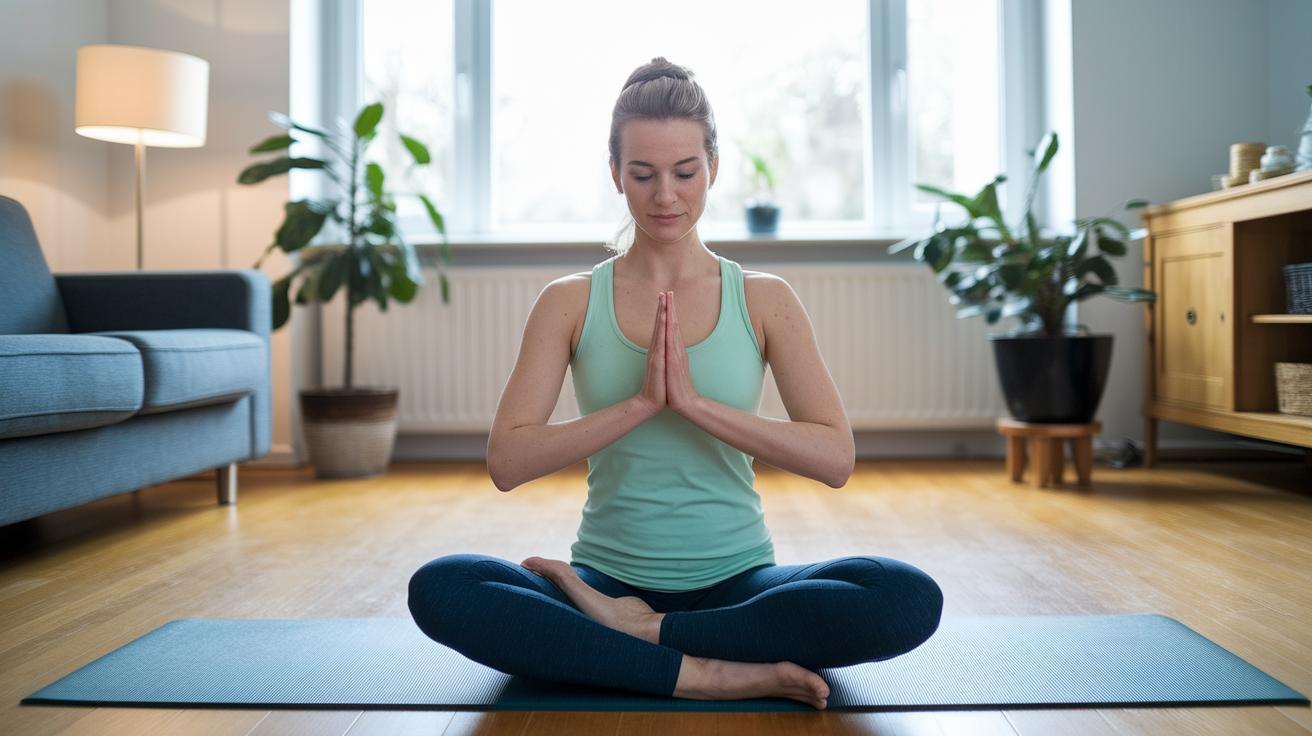
Many moms ask, "When can I safely go back to yoga?" It’s best to listen to your doctor and your body to know the right time. Often, you might need to wait around six weeks after delivery, but every mom is different. Taking it slow helps your body heal naturally while you adjust to a new routine.
Another common concern is preventing diastasis recti during your yoga practice. Focus on gentle poses that strengthen your core without putting too much strain on your tummy. It’s wise to skip heavy exercises until you feel more recovered. Easy, mindful stretches can help build your core strength and keep your muscles safe.
Many moms also wonder if yoga can help ease postpartum depression. Studies show that slow, mindful movement paired with deep breathing can calm feelings of anxiety and sadness. Yoga offers a quiet, supportive space where you can care for both your body and your feelings, slowly helping you regain balance and strength.
Final Words
In the action, this article explored gentle ways to begin self-care after childbirth. We touched on safe timing, essential poses, and modifications to suit your recovery. The guide balanced expert insights with warm, real advice on easing into postpartum yoga for beginners while listening to your body. Every step you take in this practice offers real healing and renewed well-being. Enjoy your progress and embrace the small moments that light up your recovery.
FAQ
How does postpartum yoga for beginners on YouTube help new moms?
Postpartum yoga for beginners on YouTube offers easy, guided routines at home. These videos help new moms engage in gentle movements that ease recovery, lower stress, and improve overall well-being.
When and how should I start postpartum yoga after giving birth?
Postpartum yoga can start around six weeks after birth with a doctor’s approval. This timeline helps ensure gentle recovery while allowing you to listen to your body and gradually build strength.
What type of yoga is best for postpartum recovery?
The best postpartum yoga practices focus on gentle, restorative movements. These routines support core rebuilding, ease tension, and promote overall emotional and physical well-being for new moms.
How can postpartum yoga help reduce a postpartum belly?
Postpartum yoga helps reduce a postpartum belly by gently strengthening core muscles and easing tension. Regular, mindful practice contributes to overall abdominal support and gradual toning over time.
What exercise is safe two weeks postpartum?
At two weeks postpartum, very gentle exercises are recommended. It’s best to consult your doctor and consider light stretching or a short, slow walk to ease back into movement safely.
Which postpartum yoga poses should be avoided?
Postpartum yoga poses that strain the abdominal area or put pressure on the pelvic floor should be avoided. Modifying your practice helps protect your healing body and supports a smooth recovery.
What makes Postpartum Yoga With Adriene popular among new moms?
Postpartum Yoga With Adriene is popular because it offers supportive, approachable routines that are perfect for beginners. Her gentle guidance and at-home practice make it a trusted resource for many new moms.