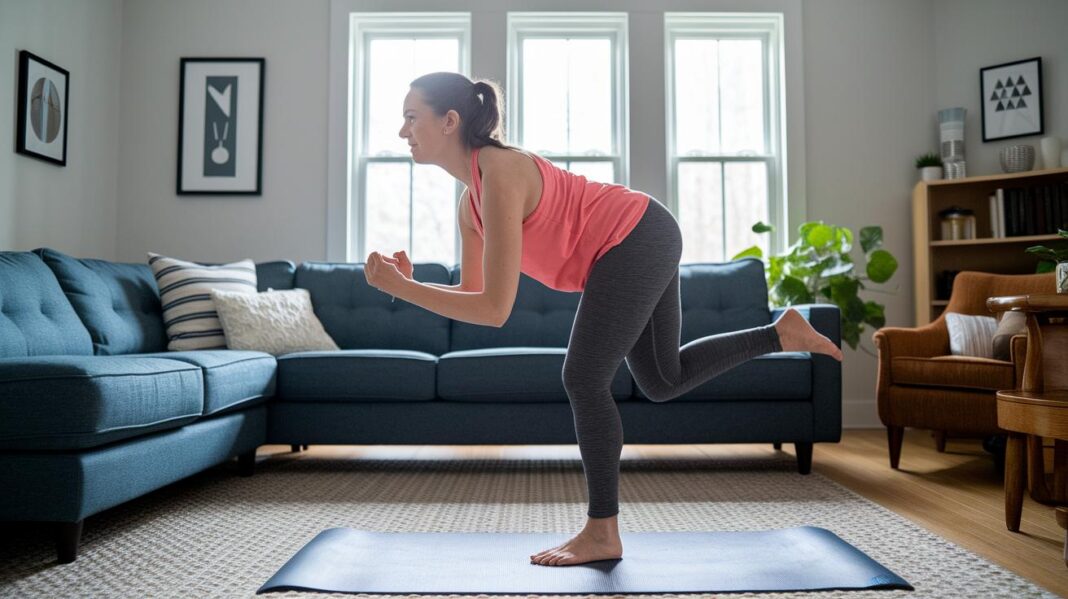
Have you ever noticed how a little movement after having a baby can spark a big change? Imagine stepping out for a sunny walk where every stride refreshes your body and lifts your spirit. Postpartum exercise isn’t just about losing extra weight; it helps you heal, strengthens your heart, and brightens your mood. Think about feeling more energetic and easing those tender moments after birth with simple workouts that bring genuine joy and resilience. This new approach might just be the gentle boost every new mom needs to feel vibrant and ready for the days ahead.
How Postpartum Exercise Enhances Recovery, Health, and Mood
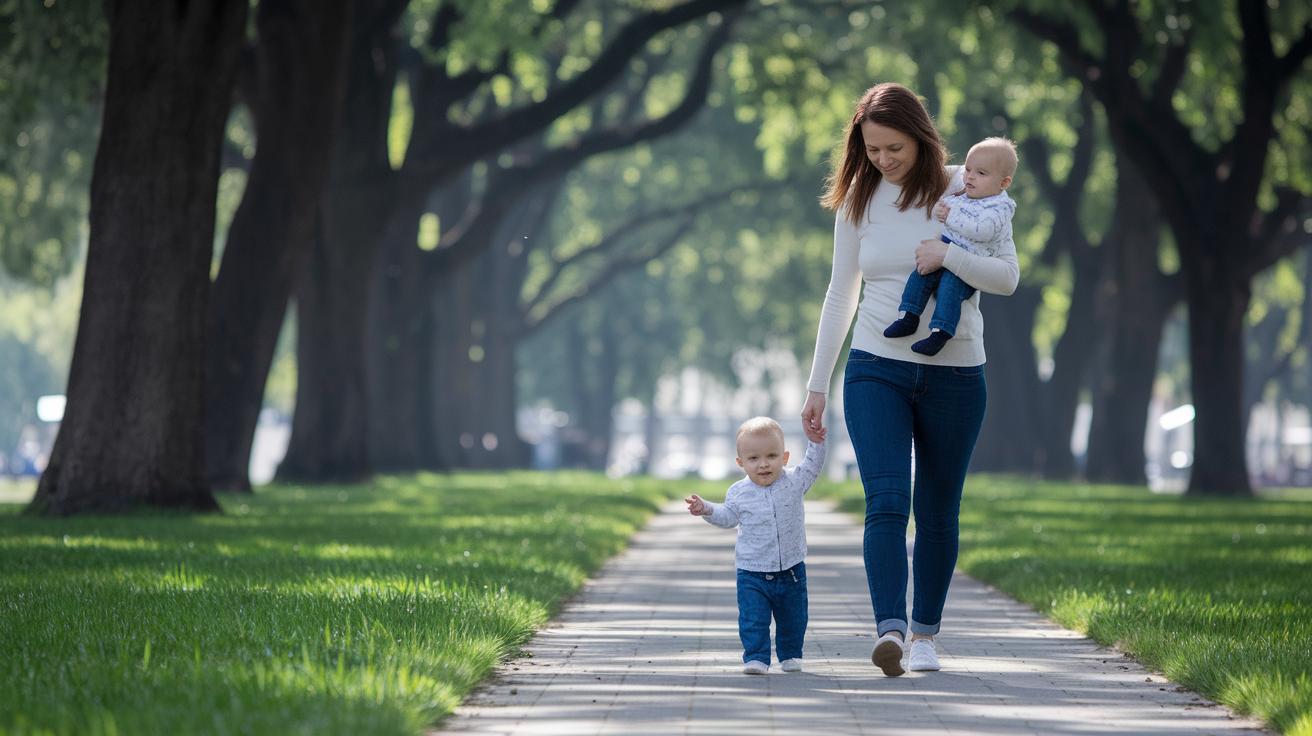
After having a baby, exercising can help moms feel stronger and happier. Right after birth, your body might hold on to an extra 25 to 35 pounds because of the baby, the placenta, extra fluids, more blood, and stored fat. Moving around frequently and pairing it with a healthy diet can help you gently lose this extra weight and support a smooth recovery.
Getting active after birth is great for your heart too. It makes your heart muscle stronger, helps lower your resting heart rate, improves blood flow, and can bring down your blood pressure. For instance, a simple brisk walk can start to boost your heart health, kind of like feeling a cool breeze on a sunny day. Research shows that moderate exercise for moms who are breastfeeding may even increase levels of a special sugar called 3SL (a type of sugar) in breast milk, which could help reduce the risk of illness in babies.
Exercise isn’t just about getting back in shape for your body; it lifts your spirit, too. It increases feel-good chemicals like serotonin and dopamine, which can make you feel happier and ease any anxiety or sadness that sometimes comes after childbirth. Many moms notice that even light workouts leave them feeling more energetic and uplifted, turning everyday moments into little victories.
Key benefits of postpartum exercise include:
- Helping with weight loss
- A healthier heart and better blood flow
- Rebuilding your core strength
- Boosting your mood
- More energy during the day
- Lower chance of feeling depressed
All these improvements work together to help you feel strong, happy, and ready for whatever motherhood brings. It makes each day a little brighter and helps you embrace the journey of early motherhood with warmth and confidence.
Postpartum Exercise for Physical Recovery and Core Restoration
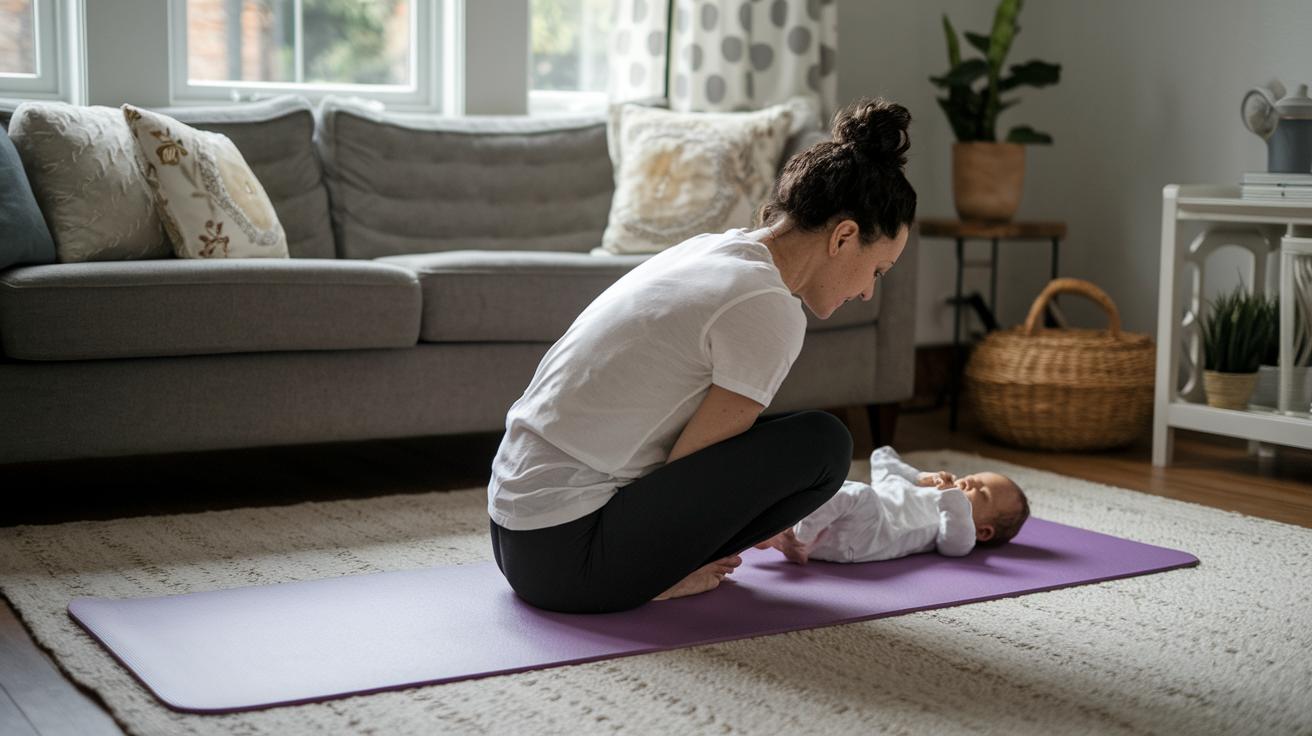
After having your baby, your body might feel like it needs some extra love and care. Pregnancy can stretch out and weaken your tummy muscles, and you might even notice changes in your posture. Gentle exercises that care for your core can help rebuild your tummy strength and even support your hips. Think of moves like pelvic tilts, cat-cow stretches, and clamshells as a kind way to restore your body’s natural balance.
Starting slowly with these exercises can make everyday tasks, like lifting your little one or carrying groceries, feel a bit easier. When you do pelvic tilts, imagine you’re smoothing out a wrinkly tablecloth, gradually, you’re tightening and aligning your muscles. And when you do the cat-cow stretch on your hands and knees, you can really feel that soothing, rhythmic movement easing the tension in your back and core. Clamshells help support your hip muscles and can improve your posture, too.
This gentle strengthening journey is all about taking one small step at a time. Embrace each move with patience, and soon you’ll find that your daily activities feel a little lighter and more comfortable.
Postpartum Exercise and Mental Well-Being Boost
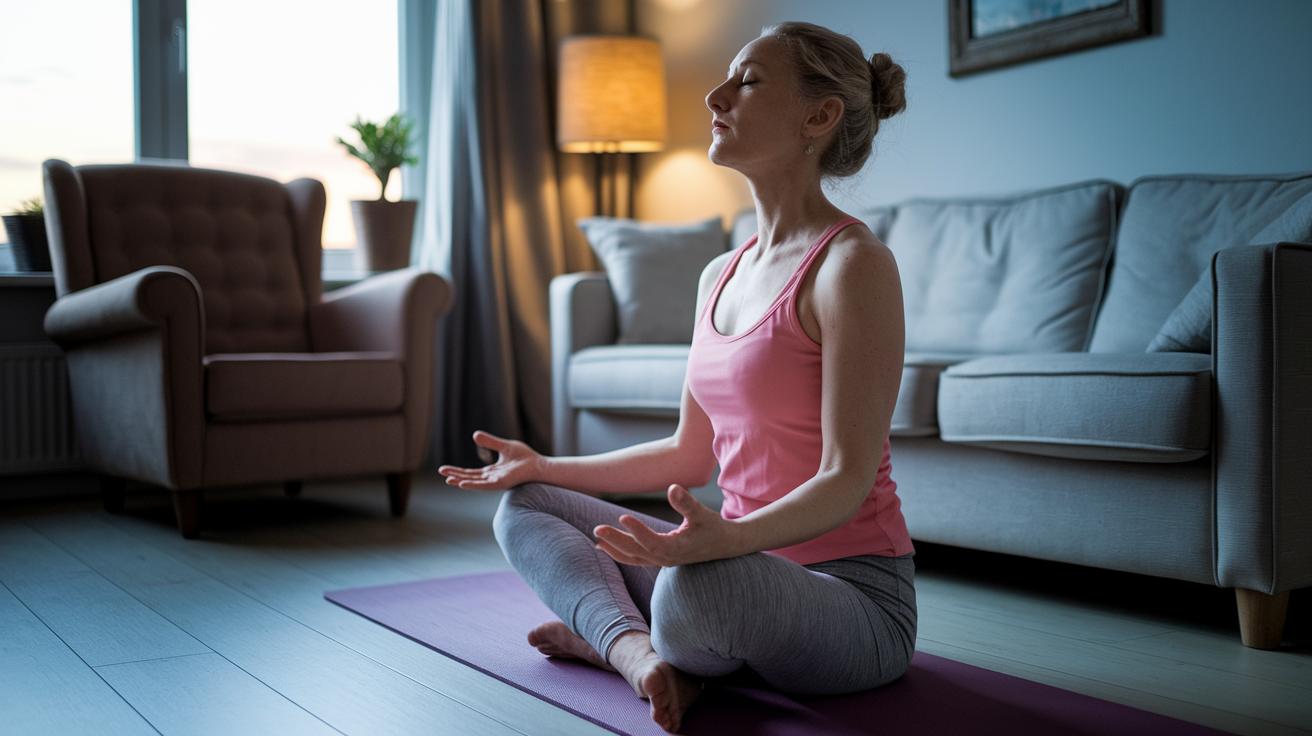
After having a baby, exercise can boost more than just your body, it can refresh your mind too. Recent studies show that gentle movements like yoga or tai chi can help ease sleep problems and lift mood swings. For example, one study found that moms who tried mindful routines slept better and felt less stressed.
Mindful exercises do more than simply trigger happy chemicals in your brain. They give you real ways to balance your emotions. Imagine setting aside ten minutes each evening for deep breaths mixed with light stretches. It’s like carving out a little peaceful moment to let go of the day’s worries.
Here are some ideas for mindful movement techniques:
| Technique | Benefit |
|---|---|
| Mindful breathing with gentle stretching | Calms the mind and helps improve sleep quality |
| Slow, rhythmic yoga poses | Helps balance your mood by lowering stress hormones |
Picture it like this: each deep breath helps you release tension, almost as if you’re gently letting go of a heavy weight with every exhale.
Postpartum Exercise for Weight Management and Energy
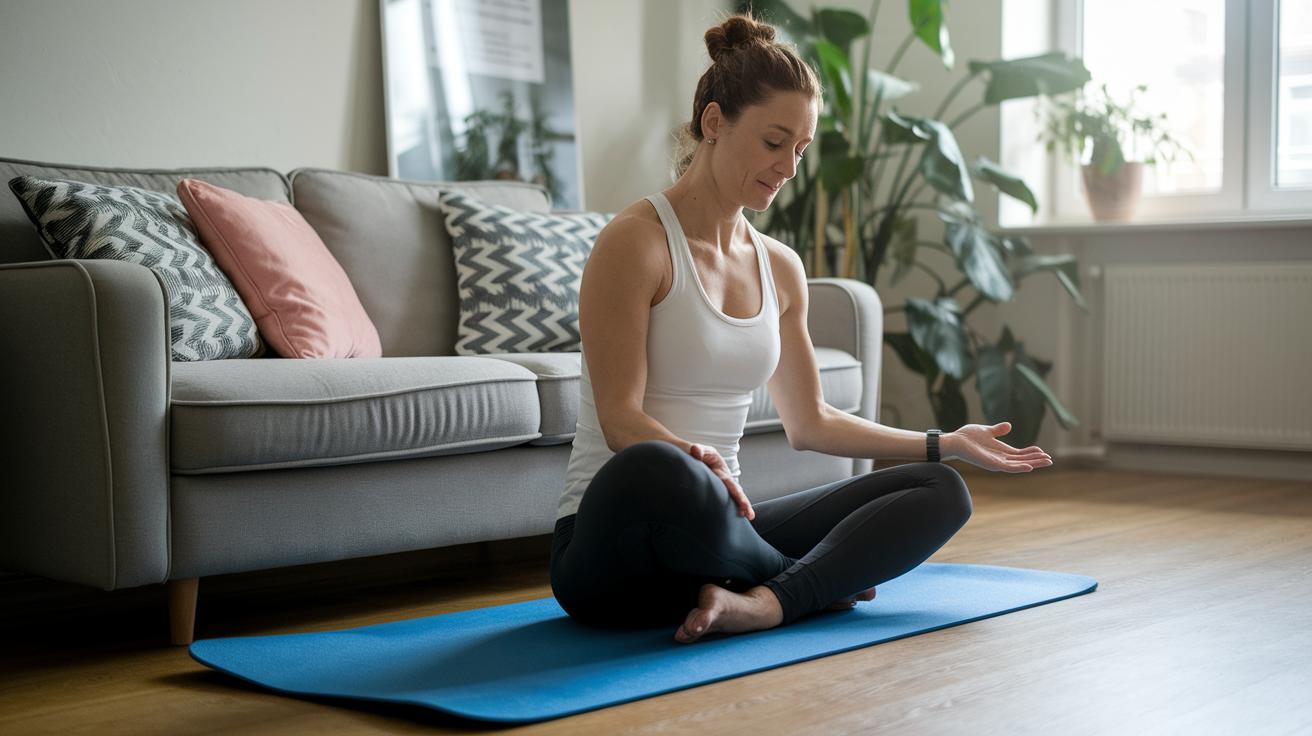
After having your baby, many moms set a goal to shed the extra 25–35 lbs they gained during pregnancy. It might feel challenging, but a mix of gentle, low-impact workouts and strength exercises can help you safely reach your goal. Think of starting with a brisk walk or a simple circuit that matches your current fitness level. It’s a small step that not only burns extra calories but also boosts your energy for everyday care tasks.
Doing heart-healthy exercises can really help your body feel more awake, almost like a little recharge throughout your day. When you move, your heart pumps more blood, which means more oxygen for your body. Have you ever tried a 10-minute morning walk and felt instantly more awake and ready for the day? That’s your body thanking you with extra energy.
A workout plan that fits you personally can make weight management a steady journey. Simple strength exercises help keep your muscles strong as you get back to your pre-pregnancy self, like slowly building up your very own reliable engine. It’s a gentle reminder that every bit of progress means you’re getting stronger bit by bit.
Mixing light cardio with a bit of strength training creates a routine that not only supports weight loss but also leaves you feeling refreshed and ready for life with your little one. Every step you take is a move toward feeling more energized and engaged in your beautiful journey of motherhood.
Safe Postpartum Exercise Guidelines and Precautions
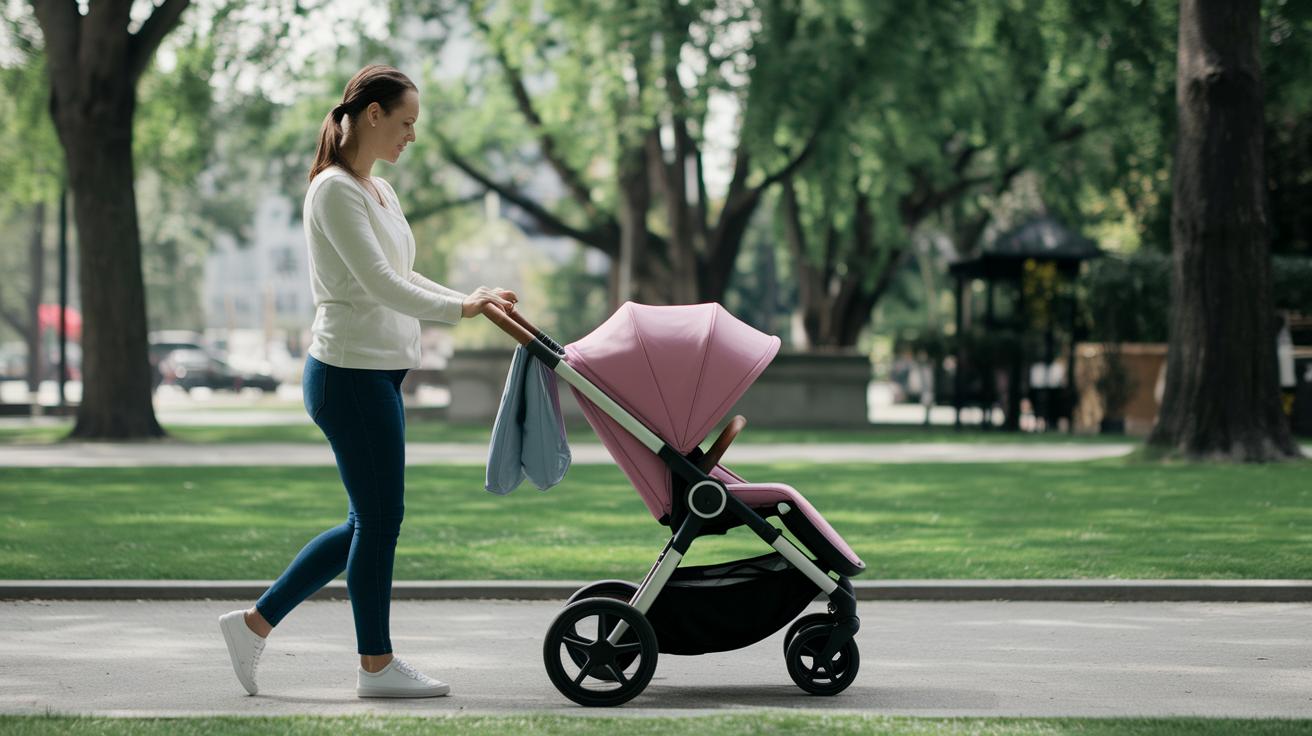
After your little one arrives, it’s best to ease into exercise and listen to your body. It’s always wise to check in with your doctor before starting any workouts since how you delivered and your personal fitness can shape what feels right for you.
You might begin with gentle walks for about 5 to 10 minutes several times throughout the day. As you feel more confident and your strength builds, gradually lengthen your walks and perhaps pick up the pace a little, like turning up the volume on your favorite song.
Keep an eye on how you’re feeling during and after your exercise. If you notice any sharp pain, feel dizzy, or see unusual bleeding, it’s a sign to take a break and rest a bit more. Also, remember to drink plenty of water, especially if you’re breastfeeding; staying hydrated supports your recovery and helps you feel your best.
In these early days, it’s all about gentle progress. Each small, caring step helps you rebuild strength while keeping both your mind and body nurtured.
Sample Postpartum Exercise Routines and Schedule

If you're juggling a busy schedule, these easy routines can lift your energy and soothe your mind. Even a short brisk walk can brighten your day. I remember a day when a simple 10-minute walk left me feeling refreshed after a hectic morning with my little one.
| Exercise | Target Area | Frequency | Duration |
|---|---|---|---|
| Walking | Cardiovascular | 3-4 times/day | 5-10 minutes |
| Pelvic Tilts | Core | Daily | 10-15 reps |
| Cat-Cow | Back & Core | Daily | 8-12 reps |
| Clamshells | Hips & Core | Daily | 10-12 reps/side |
Expert Insights and Tracking Postpartum Exercise Progress
Experts say that safely getting back to exercise really depends on your own recovery. Many moms find that they can start with gentle workouts about 4 to 6 weeks after a vaginal birth and around 8 to 12 weeks after a cesarean. These are just guidelines, your comfort and healing should always lead the way.
It’s a great idea to celebrate the small wins along your journey. You might write down how long your workout lasts, note how energetic you feel afterward, or even score your mood on a simple scale. Imagine jotting in a diary that after a 10-minute walk, you felt a little extra pep in your step. These little notes remind you of your progress, even when it’s hard to see at first.
As you continue, gently add a bit more challenge to your exercises. Starting slow helps you rebuild your strength without overwhelming your body. Think of it like slowly turning up the volume on your favorite song until every note shines. This gradual approach not only boosts your physical strength, but also lifts your mood, reminding you that every small step brings you closer to feeling like your strong, joyful self.
Final Words
In the action of regaining strength and balance, postpartum exercise makes a real difference. Our discussion walked through physical recovery, rebuilding core strength, and boosting mood and energy. The tips on weight management and safe routines offer clear steps to feeling more confident and nurtured. Remember, embracing the benefits of postpartum exercise can support your well-being, helping you care for yourself while managing daily tasks with greater ease and joy. Stay positive and take each step at your own pace.
FAQ
Q: What are the benefits of postpartum exercise?
A: The benefits of postpartum exercise include weight loss support, improved heart health, rebuilt core strength, boosted mood, increased energy, and a reduced risk of postpartum depression, all of which help moms feel more vibrant and capable.
Q: When can I start exercising after a normal delivery with stitches?
A: Many moms gently begin with short, light walks about two weeks postpartum, but always get clearance from their healthcare provider.
Q: What types of postnatal exercises are available?
A: The types of postnatal exercises include gentle aerobic activities, core-strengthening moves like pelvic tilts and cat-cow stretches, and light strength training, all designed to support recovery and daily caregiving tasks.
Q: How do tummy exercises after birth help reduce the tummy?
A: Tummy exercises help reduce the tummy by targeting weakened abdominal muscles, promoting core stability and muscle tone, which aids in recovering pre-pregnancy strength and balance over time.
Q: What is the 5 5 5 rule postpartum?
A: The 5 5 5 rule postpartum refers to a gentle exercise guideline where you begin with 5 minutes of movement, progress to 5 exercises, and participate 5 days a week, gradually building your strength and endurance.
Q: How long should postpartum exercise sessions be?
A: Moms often start with 5–10 minutes of activity several times a day, gradually increasing duration based on comfort and individual recovery progress.