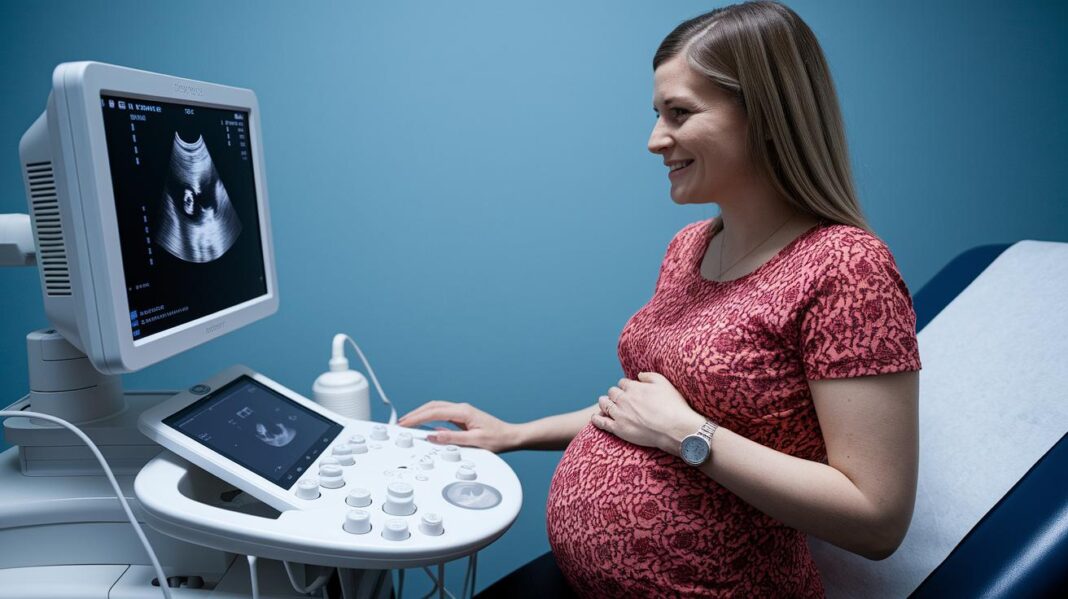
Have you ever wondered if a quick test could give you a peek into your baby's early health? In the first trimester, a gentle screening is available that involves a short blood test and a friendly ultrasound. It’s a bit like glancing out the window on a sunny morning to see what might be coming next. This early check also starts a caring conversation with your team, offering clear insights that can bring both reassurance and understanding as you begin this beautiful journey.
Overview of First Trimester Prenatal Screening

This screening is a gentle, early check on your baby's chromosomal health. It looks for possible issues like Down syndrome (trisomy 21) and trisomy 18 without any invasive steps. Think of it as getting a quick peek at your baby’s genetic picture, just like glancing out the window instead of waiting for a full weather forecast.
The process is simple. First, a short blood test from you measures specific markers, and then a quick ultrasound checks on your baby’s development, like measuring the nuchal translucency. It’s a bit like reviewing a grocery list before heading to the store, each step helps complete the picture.
Keep in mind, this screening gives you an estimate of risk, not a definite diagnosis. It mixes factors like your age, ethnicity, blood test results, and ultrasound details to generate a risk score. In other words, it provides an outline of what might be ahead, suggesting if more detailed tests could be a good idea.
first trimester prenatal screening: Bright Health Insights
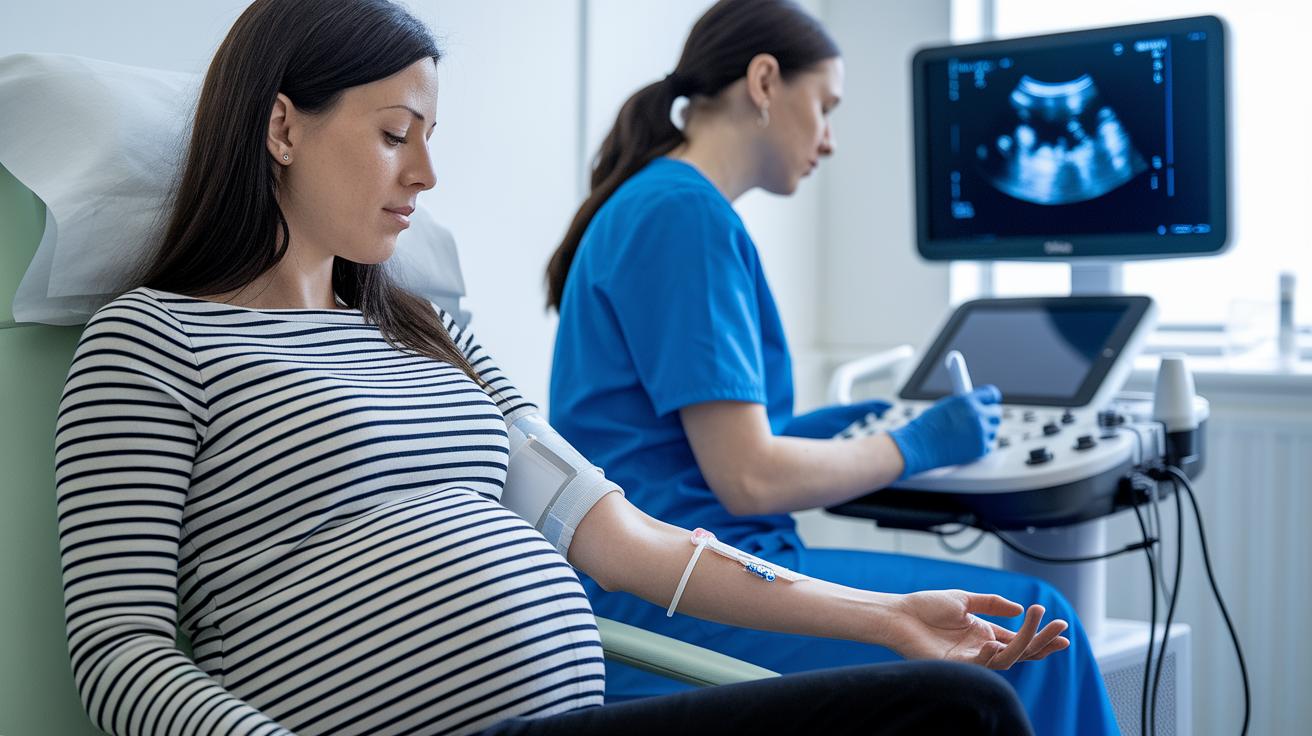
This guide walks you through two simple tests that give you an early look at your baby’s health. Think of it as a gentle double-check, one test uses your blood and the other captures a quiet moment with ultrasound. It’s like catching a glimpse of those first magical moments of your baby’s development.
Maternal Blood Test
First up is a quick blood test that usually takes about 5 to 10 minutes. A small sample is taken and sent off to a lab, where experts check important blood markers, including free beta hCG and pregnancy-associated plasma protein A (PAPP-A, which is linked to your pregnancy). In about a week, you get the results, offering an early look into your baby’s well-being. It’s an essential step that uses clear, careful measurements to guide any further decisions.
Ultrasound Evaluation
Next, you have an ultrasound exam that lasts roughly 20 to 40 minutes. A caring specialist uses modern imaging tools to measure little details like nuchal translucency (a tiny fluid space at the back of the baby’s neck) and the crown-rump length. Picture it as watching gentle ripples on a still pond, each measurement helps piece together your baby’s early growth story. Combining the blood test with this detailed ultrasound makes it easier to understand your baby’s health during those special first weeks.
Timing and Scheduling for First Trimester Prenatal Screening
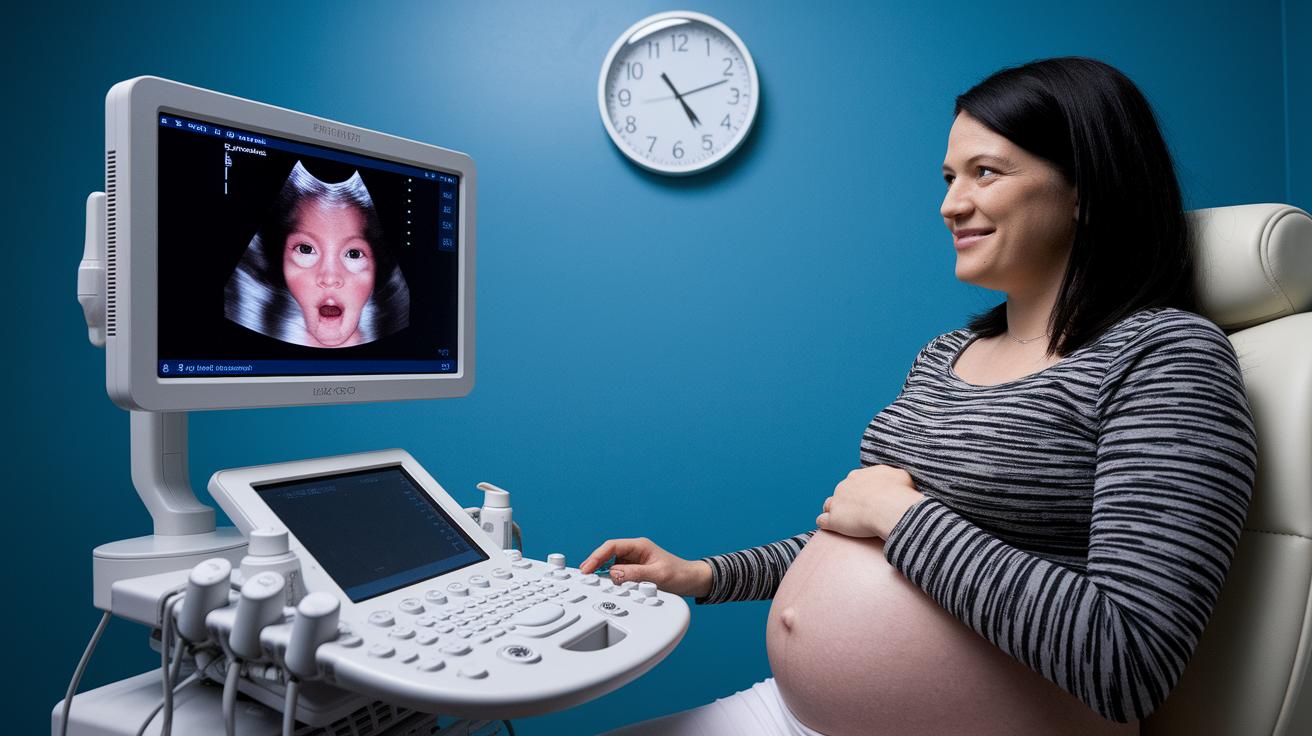
During the 11th to 13th week of your pregnancy, your provider will schedule an important screening to check on your baby’s early development. They use a simple ultrasound to make sure the timing of your pregnancy is just right, kind of like checking a clock to see if everything is running smoothly. This short window helps create a clear picture of your little one’s health and makes it easier to plan any follow-up care.
Usually, you begin by getting a referral from your obstetrician. The combined process for the blood test and ultrasound takes around 30 to 50 minutes, including a few minutes for basic checks. You should have your results within about one week after the visit. These steps are designed to easily fit into your prenatal routine, so you can plan ahead and feel confident about the care you’re providing for your baby.
Interpreting Results from First Trimester Prenatal Screening

When you get your screening results, you'll see risk estimates based on your unique details compared to usual values. Keep in mind, this test gives you an early peek at possible chromosomal issues rather than a final diagnosis. Think of it like a weather forecast: it might say there's a chance of rain, so you know what to expect but nothing is set in stone. The percentages help you decide if further tests may be needed.
Sometimes the test will show a higher risk that later turns out not to be a real worry. There’s about a 5% chance of a false-positive result, which means the test might suggest a risk even when no actual problem exists. This reminds you that while the screening does a good job of identifying conditions like Down syndrome and trisomy 18, it isn’t perfect. Often, families find that further testing confirms the high-risk reading wasn't a true sign of any health issue.
| Condition | Detection Rate | False-Positive Rate |
|---|---|---|
| Down syndrome | 84% | 5% |
| Trisomy 18 | 80% | 5% |
When you review your anomaly risk report, try to see the numbers as just one piece of the overall picture. If your report shows a higher risk, your care provider may suggest a follow-up diagnostic exam for more clarity. And if your results indicate a low risk, you can feel reassured while still keeping up with your regular check-ups. This careful look at the numbers helps you make clear, informed decisions about your next steps.
Benefits and Risks of First Trimester Prenatal Screening

This screening is gentle and noninvasive. It uses both a simple blood test and an ultrasound to give you early clues about chromosomal differences like Down syndrome and trisomy 18. Many parents say that knowing a bit early helps settle their nerves and gives them a chance to get ready for further check-ups if needed.
Remember, this test only gives you risk estimates; it isn’t a final diagnosis. Sometimes it might show a higher risk even when everything is just fine. Also, it doesn’t check for other issues like neural tube defects.
If you do get a result that shows an increased risk, doctors usually recommend another test like chorionic villus sampling or amniocentesis to take a closer look at your baby's health. It’s all about giving you the best information to feel supported on your journey.
Follow-Up Steps After First Trimester Prenatal Screening

When you get your screening results, you’ll see either a low-risk or high-risk outcome. A low-risk result means your numbers match what’s expected for a healthy pregnancy, so there’s usually no need to worry or have more tests right away. But if the result is high-risk, it means your numbers are a bit different from expected, and your doctor may suggest more tests to take a closer look at your baby’s health.
If your test shows a high-risk result, your care provider will often recommend a more detailed check. This might involve a procedure like chorionic villus sampling (CVS) early on or an amniocentesis a little later. These tests help take a closer look at your baby’s chromosomes, giving you a much clearer picture and helping you decide what to do next.
Your feelings matter too. Many times, your next steps include counseling where caring professionals talk with you about what your results mean. They’re there to offer support and help you plan any early checks or decisions needed. This team approach is meant to help you feel reassured and confident as you move forward.
Final Words
In the action, first trimester prenatal screening stands out as a sensitive, non-invasive step in early pregnancy care. It combines a blood draw and an ultrasound exam to check for potential chromosomal differences without giving a definitive answer. We covered how the test works, when to schedule it, and what to expect from its results. Plus, we explained follow-up options if further assessments are needed. This guide leaves you feeling informed and ready to take the next steps with confidence and a hopeful outlook.
FAQ
How are normal ranges determined in first trimester screening results?
First trimester screening results are compared to ranges based on maternal blood markers and ultrasound measurements. These ranges vary by individual factors, offering a risk estimate rather than a definitive diagnosis.
What blood tests are done during the first trimester?
Blood tests during the first trimester typically check markers like free beta hCG and pregnancy-associated plasma protein A (PAPP-A). These help assess the risk for chromosomal conditions along with ultrasound findings.
What should I expect during my first trimester screening?
First trimester screening usually includes a blood test and an ultrasound exam that measures markers such as nuchal translucency. This combined approach gives an early risk estimate for chromosomal abnormalities.
When is first trimester screening done and what prenatal visits are involved?
First trimester screening is performed between 11 and 13 weeks of pregnancy when gestational dating is confirmed. Prenatal care often includes an initial checkup and follow-up visits, with frequency varying by your provider.
How does first trimester screening differ from NIPT?
First trimester screening uses both blood tests and ultrasound to estimate risk, while NIPT analyzes cell-free fetal DNA for a more detailed risk assessment. Each test has its unique approach to screening.
When is genetic testing offered during the first trimester?
Genetic testing during the first trimester is usually offered if screening results show elevated risk. In that case, diagnostic options like chorionic villus sampling can provide more detailed genetic information.
How are pregnancy tests scheduled week by week?
Pregnancy screening tests follow a timeline, with the key first trimester screening set at 11 to 13 weeks. Other tests are scheduled according to your pregnancy progress and your provider’s recommendations.