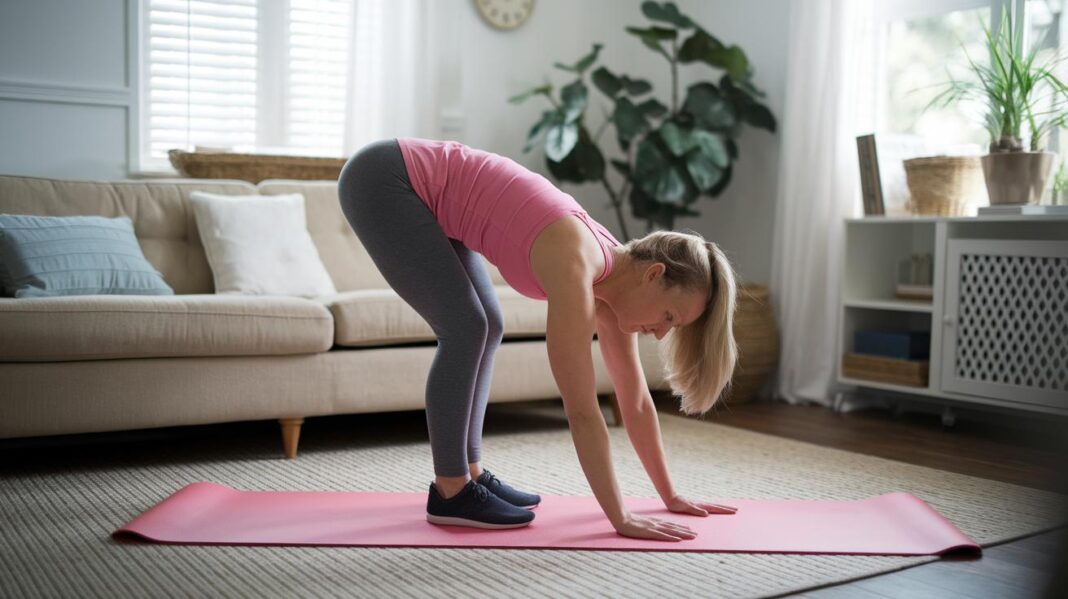
Have you ever noticed how gentle movement after giving birth can lift your spirits? Imagine easing back into your routine with simple exercises that feel like a warm, caring hug for your body. In this guide, we’ll walk you through safe ways to restart your workouts while giving your body the time it needs to heal. Just a few mindful moments can help you build strength and clear your mind. This easy, beginner plan is here to boost your energy and make your return to fitness feel smooth and gentle.
Safe, Low-Impact Beginner Postpartum Workouts to Restart Fitness

Take about six weeks after giving birth before easing back into exercise so your body has time to heal. In that first week, it’s all about resting and letting your body mend, imagine spending five calm days mostly lying down, much like a quiet retreat where every moment of stillness helps you recover.
Once you’ve had that gentle rest, you can start with easy, low-impact movements that put almost no strain on your healing tissues. Think of simple actions like slow leg lifts, gentle seated stretches, or a short stroll around your home. These small activities help rebuild your core strength and keep your body balanced while supporting your uterus and pelvic muscles.
A beginner’s routine might look like a series of slow, mindful movements that wake up your muscles and clear your mind. For example, try a few minutes of seated stretching that feels as cozy as basking in the morning sun. Let your body adjust at its own pace from plenty of rest to these light exercises. Each little movement is a step toward regaining your functional strength, keeping recovery at the heart of your routine, and helping you feel more energized during those early days of being postpartum.
Week-by-Week Beginner Postpartum Workout Timeline

Think of your postpartum recovery like taking gentle steps forward. In week 1, let your body rest and heal after your delivery. It’s a quiet time to take it easy, kind of like a peaceful break after a very busy time.
By week 2, try to wake up those pelvic floor muscles that worked hard for almost a year. These soft, easy exercises help bring back stability and let your body know it’s ready to start moving again.
In week 3, add a few gentle stretches that move your whole body. They aren’t tough workouts at all but simple movements that help your muscles slowly wake up, one by one.
Then, in week 4, spend some time focusing on your deep core muscles. After a lot of stretching during pregnancy, these muscles need some extra love. Simple exercises that gently work your abs can help you feel a little stronger every day.
Week 5 is all about giving some attention to your hip muscles. These muscles supported you during pregnancy and now need a bit of extra care so you can stay balanced and steady.
Finally, in week 6, and only after checking in with your healthcare provider, start adding back full-body movements gradually. This is your path back to feeling more like yourself before pregnancy.
| Week | Focus | Example Exercise |
|---|---|---|
| Week 1 | Rest and Healing | Minimal movement, bed rest |
| Week 2 | Pelvic Floor | Gentle pelvic tilts |
| Week 3 | Full-Body Mobility | Light stretches |
| Week 4 | Deep Core | Core activation breathing |
| Week 5 | Hip Musculature | Side leg raises |
| Week 6 | Functional Movements | Chair squats |
Core and Pelvic Floor Basics in a Beginner Postpartum Workout
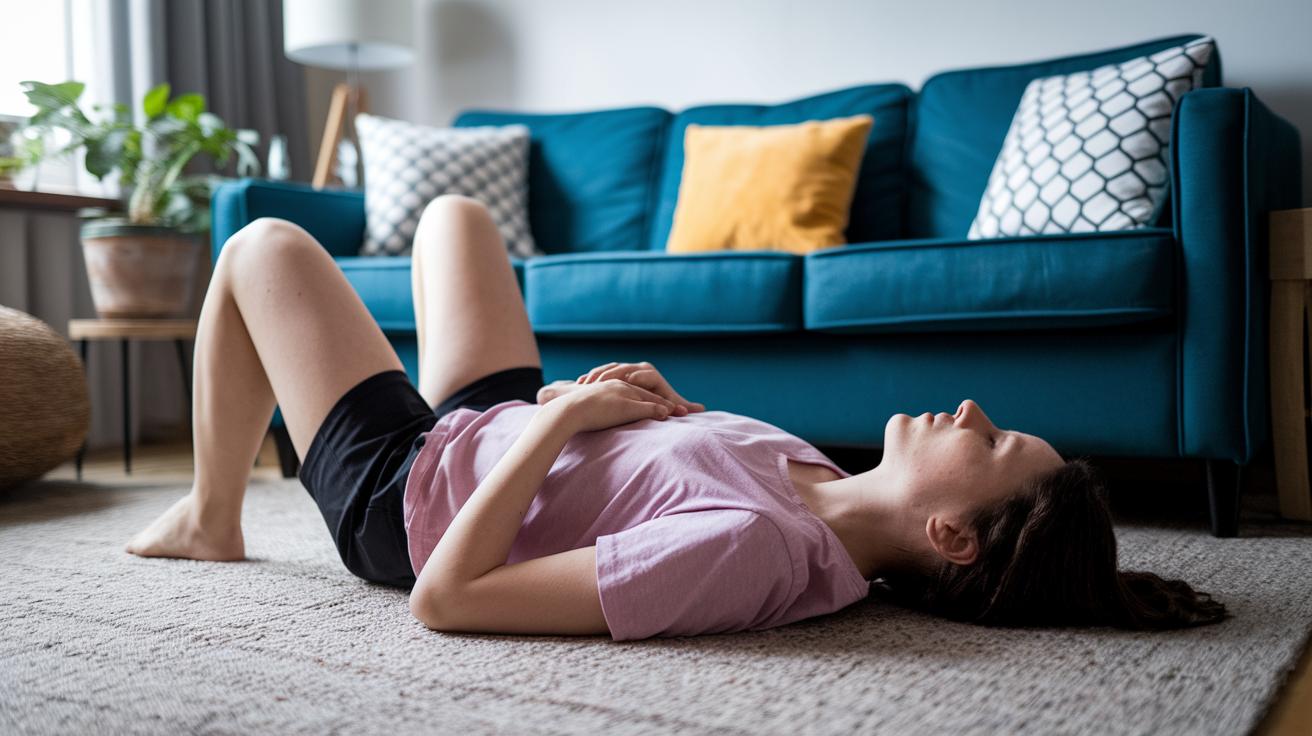
A simple 10-minute ab routine can help you gently rebuild your deep core muscles and strengthen your pelvic floor. First, try transverse abdominal breathing. Lie on your back with your knees bent and your feet flat on the floor. Breathe in slowly and feel your belly rise; then, as you exhale, pull your belly button toward your spine. This little move helps wake up those important deep muscles that support your organs. It feels a bit like stretching after a nice little nap.
Next, move on to alternating heel slides and a leg lift. Stay on your back with your knees bent at a 90-degree angle. Slowly slide one heel along the floor until your leg is almost straight, then bring it back up and switch sides. This exercise works your lower abs and hips, much like a gentle stretch after a long day. After that, try 90-degree heel taps. Keep your back on the mat and slightly lift your legs so you can tap your heels, this helps build control in your lower abdominals.
Now, add in the dead bug. Lift your arms and legs just a bit off the ground so you can feel both your core and pelvic floor working together. Finish off with a modified plank on your knees, keeping your body steady to build strength from the front. Each move is designed to support your lower spine and help guide you through a careful, soothing recovery.
Sample 4-Week At-Home Beginner Postpartum Workout Routine
This four-week plan is a simple routine you can do right at home using just your body. It’s designed to help you slowly build strength without any extra equipment. With three sessions a week, these short workouts feel like little energy breaks that can fit nicely around your busy day with the kids.
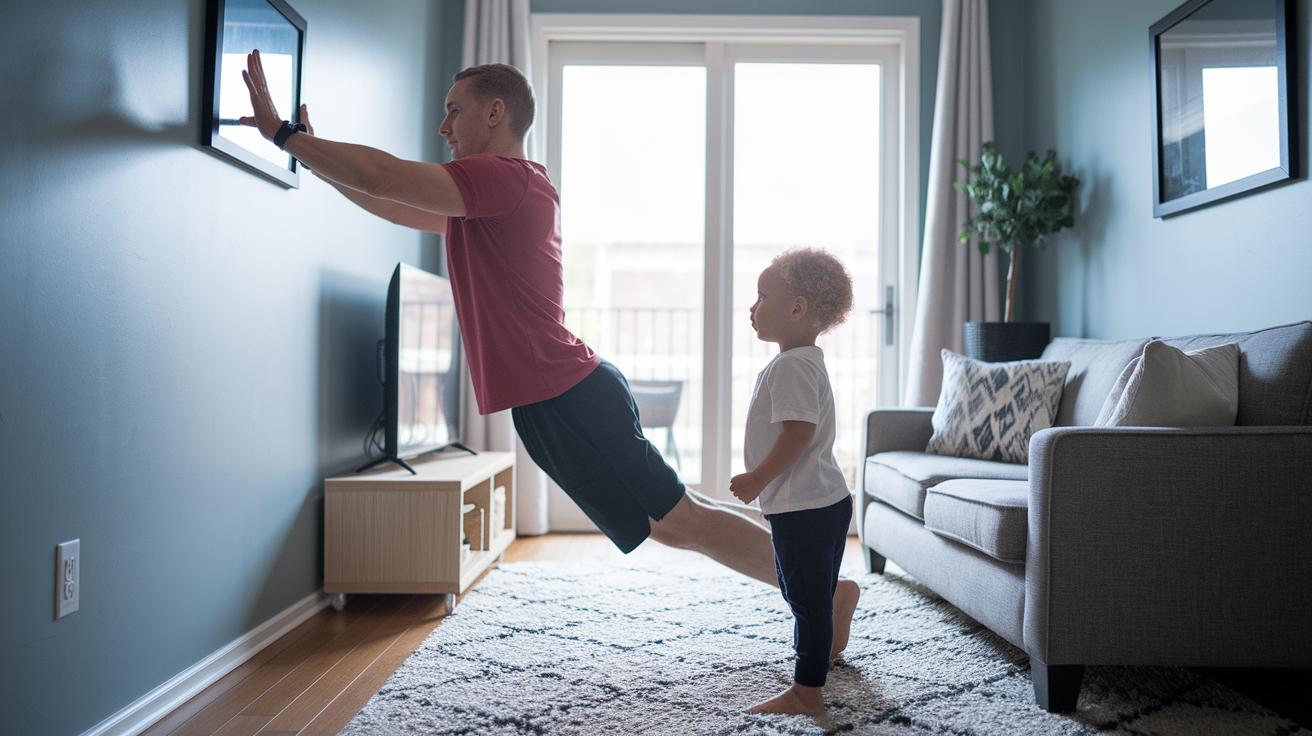
In week 1, keep things gentle and focus on the basics. Start by marching in place as a warm-up, letting your body ease into movement. Then, try wall push-ups to softly strengthen your arms and upper body. End with supine knee lifts that help wake up those lower abs. These moves work together to bring back muscles that might have taken a little rest during recovery.
By week 2, you’ll move to exercises while seated that gently challenge your core. Seated hip bridges are great for lifting your glutes and engaging your belly, and seated arm raises add a bit more strength work for your upper body. Side-lying leg lifts help focus on your hip muscles in a safe way. Each exercise is kept easy to manage and feel just right.
In week 3, you’ll start doing exercises standing up. Try doing bodyweight squats to build leg strength and keep your core busy. Standing heel taps help with balance and core control, while standing pelvic tilts are wonderful for waking up your lower back and tummy muscles. Feel free to take extra breaks or slow down the pace if you need to, listen to what your body tells you.
Finally, week 4 brings everything together with mini-circuits that mix low-impact cardio and core moves. On your hectic days, you might also check out the postpartum healing plan for busy moms at this link for more ideas on fitting in these sessions while juggling childcare.
Remember, each session is flexible. You can reduce the range of motion or take extra breaks, so always listen to your body as you move forward.
Safety Tips and Modifications for a Beginner Postpartum Workout

After childbirth, your body works in its own special way, so it’s best to check with your healthcare provider before trying any new moves. Listen carefully to your body, if you feel pain, notice extra bleeding, or see a diastasis recti gap (the space between your abdominal muscles) that’s more than two fingers wide, it’s time to ease up. Those first six weeks are all about healing gently and tuning in to what your body is asking for.
Before stepping into any intense exercise, make sure you get the all-clear from your doctor. Pay attention to signs like pain, unusual bleeding, or a gap in your core muscles that’s wider than two fingers. You can keep your workouts safe by shortening your range of motion, doing fewer reps, and even using supports like a cozy pillow when needed. It also helps to remember the type of delivery you had and how active you were before pregnancy when choosing your workout intensity. And don’t forget, rest days are just as important as workout days during your recovery.
For more ideas on how to pace your exercises with proper rest, check out this guide: https://womensconference.org?p=14930.
Every tip here is about helping you build a workout routine that feels just right for you, keeping things gentle, supportive, and right in tune with your unique recovery.
Progressing Your Beginner Postpartum Workout Beyond 6 Weeks
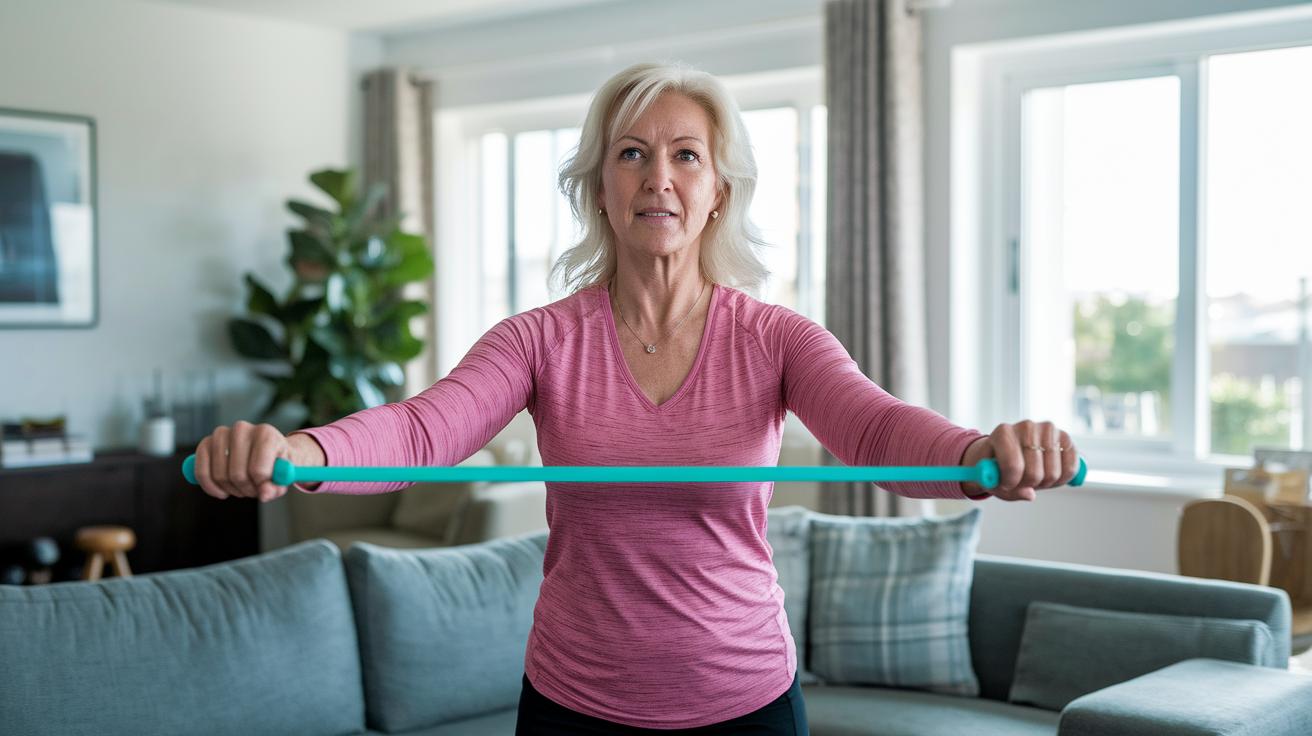
Once you get the green light from your doctor after six weeks, it's a great time to try out gentle movements that can help you build strength and boost energy. Think of it like adding a little extra flavor to your daily routine as you start to move more. For example, try using a light resistance band for your upper-body exercises. It’s much like slowly stretching your arms to welcome a bright new day.
As you feel better, you might enjoy low-impact cardio activities like a brisk walk or a gentle bike ride. Many moms say these exercises feel as refreshing as a cool breeze on a warm day. Then, you can start adding simple core and hip stability exercises using a circuit of higher repetitions. These moves are meant to build your endurance and can even help with mild weight loss, making you feel both powerful and self-assured.
By about week 12, you may decide to step it up with some free weights or a machine-based strength routine. This gradual increase feels a bit like moving from a peaceful stroll in the park to joining an upbeat dance class, a fun shift that still respects your body’s recovery.
Final Words
In the action, this guide brought together safety tips, a week-by-week timeline, and core strength moves that prepare you for a smooth fitness restart. The sample 4-week at-home routine offers practical ways to stay active while honoring recovery. It also provides clear moves for engaging core and pelvic muscles safely. Every step supports renewed strength and well-being. Enjoy your beginner postpartum workout, knowing that each gentle move is a step toward renewed energy and self-care. Keep moving and feel encouraged every day!
FAQ
Where can I find a free postpartum workout plan PDF for beginners?
A free postpartum workout plan PDF for beginners typically offers easy, at-home exercises with simple guidelines. It provides safe routines focused on gentle recovery during the early weeks.
How can a beginner postpartum workout plan help with weight loss?
A beginner postpartum workout plan for weight loss introduces low-impact exercises designed to improve strength and boost metabolism. It helps gradually burn extra calories while supporting your overall healing.
What does a postpartum workout plan at home include?
A postpartum workout plan at home includes bodyweight exercises, gentle movements, and clear at-home modifications. It guides you through routines that rebuild core and pelvic strength safely during recovery.
What does a week-by-week postpartum workout plan cover?
A week-by-week postpartum workout plan covers different recovery stages. It starts with rest and pelvic floor work, then gradually introduces full-body mobility and core strengthening exercises as your body heals.
What is the best first postpartum workout?
The best first postpartum workout centers on gentle, low-impact activities like pelvic floor exercises and light stretching. It respects your body’s healing process while laying a foundation for future strength-building.
When should I begin exercising postpartum?
When starting postpartum exercise, aim for around six weeks after childbirth—with your provider’s approval—to give your body enough time to heal while safely reintroducing movement.
What is the 5 5 5 rule postpartum?
The 5 5 5 rule postpartum is a simple guideline to ease into exercise: five minutes for a warm-up, five minutes of focused exercise, and five minutes to cool down. It helps ensure a balanced, gentle approach.
How do I flatten my postpartum belly?
Flattening your postpartum belly involves doing targeted core and pelvic floor exercises. Pair these gentle routines with good nutrition and rest to help strengthen muscles as you recover.