Have you noticed that your body sometimes feels like it's not listening after your baby is born? Many moms feel tired and sore while wondering how to regain their strength. Even a little change, like taking a short walk with your baby, can help you feel better in time. In this conversation, we'll share simple ways to adjust your daily routine and build strength safely after giving birth. Step by step, these small changes can truly make a big difference.
Proven Strategies for Overcoming Postpartum Fitness Challenges
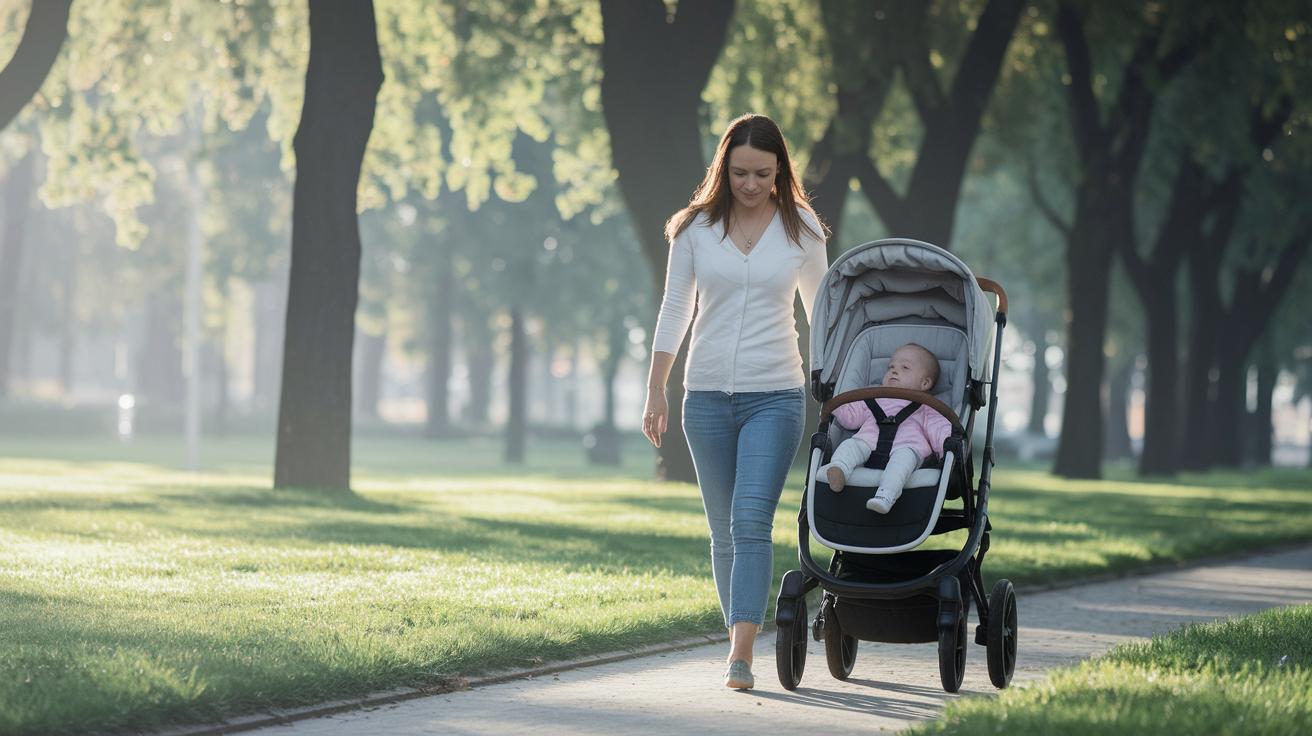
Many new moms know the struggle: feeling tired, dealing with aches, and juggling a new baby can make working out seem like a far-off dream. It’s okay to feel overwhelmed when your body is changing so much. Remember, recovery takes time, and even little steps matter. For instance, a short walk with your baby can lift your spirits and gently bring you back into a routine.
Taking it slow really helps. When you start with light, planned exercises like short walks, simple stretches, or easy bodyweight moves, you give your body the chance to heal and grow stronger. Each little exercise session shows that every movement counts. It’s like taking small, steady steps on a long, smooth path.
Building strength after birth is absolutely within reach, especially when you believe in yourself and lean on support. Experts say that a slow and steady return to exercise not only helps you regain lost strength but also boosts your confidence. Tonie Lough’s own journey shows that accepting your body’s limits today means you’re setting up a safer, stronger tomorrow. By listening to your body, checking your posture, and giving yourself enough time to recover, you’re creating a safe plan for long-term health. Simple changes, taking one step at a time, and some friendly advice can make your path to fitness both safe and satisfying.
Postpartum Physiological Changes Affecting Fitness After Birth
After having your baby, you might notice that your body just feels different. Hormones, like the extra relaxin, can make your joints a bit looser and shift your center of gravity. So, simple movements that used to be a breeze can feel a little off, and common issues like diastasis recti or a weak pelvic floor can make keeping your core stable feel extra challenging.
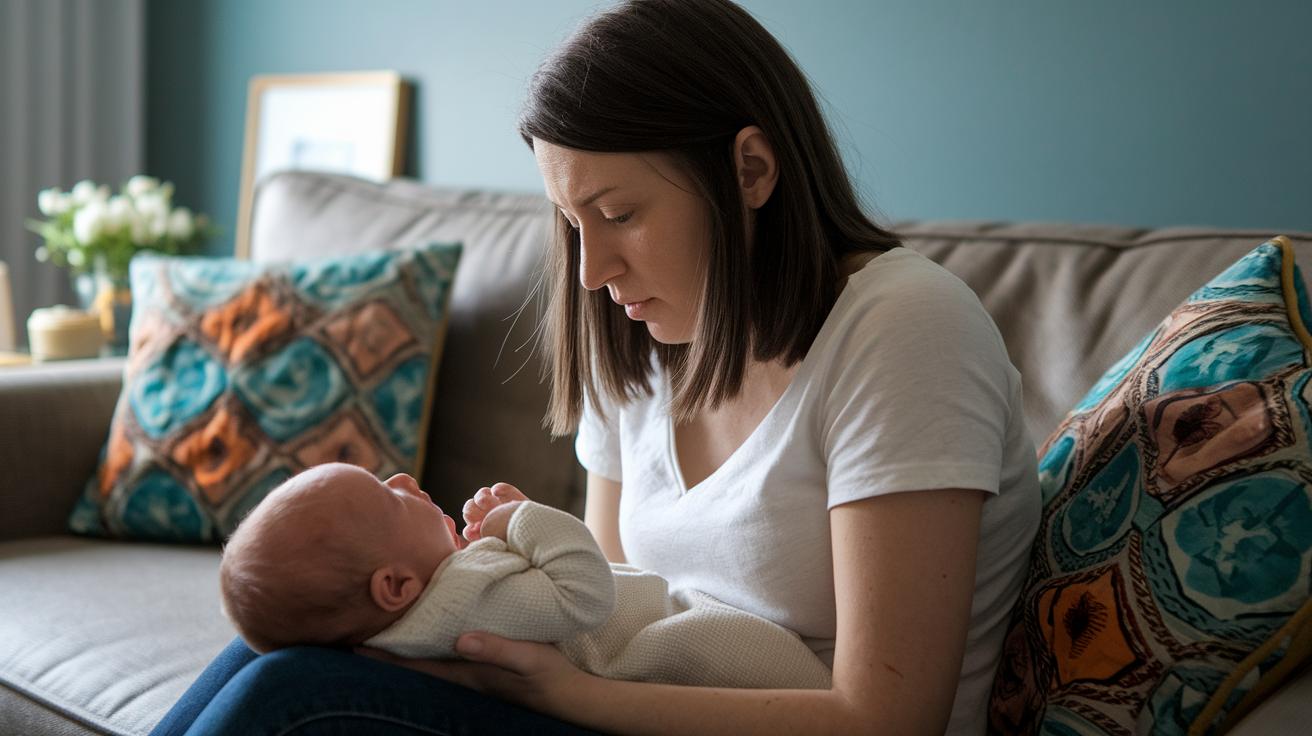
New moms often find themselves suddenly tired or dealing with mild aches. Whether you're recovering from a cesarean or juggling breastfeeding, even gentle exercises might seem like a big lift some days.
When you’re feeling low on energy or a bit uncomfortable, it's a gentle reminder to ease up on your workout routine. Knowing about these body changes helps you create a fitness plan that honors your healing process. It’s all about listening to your body, tweaking your exercises to match how you feel now, while gradually working your way back to the strength and movement you loved before childbirth.
Designing a Safe Postpartum Workout Plan
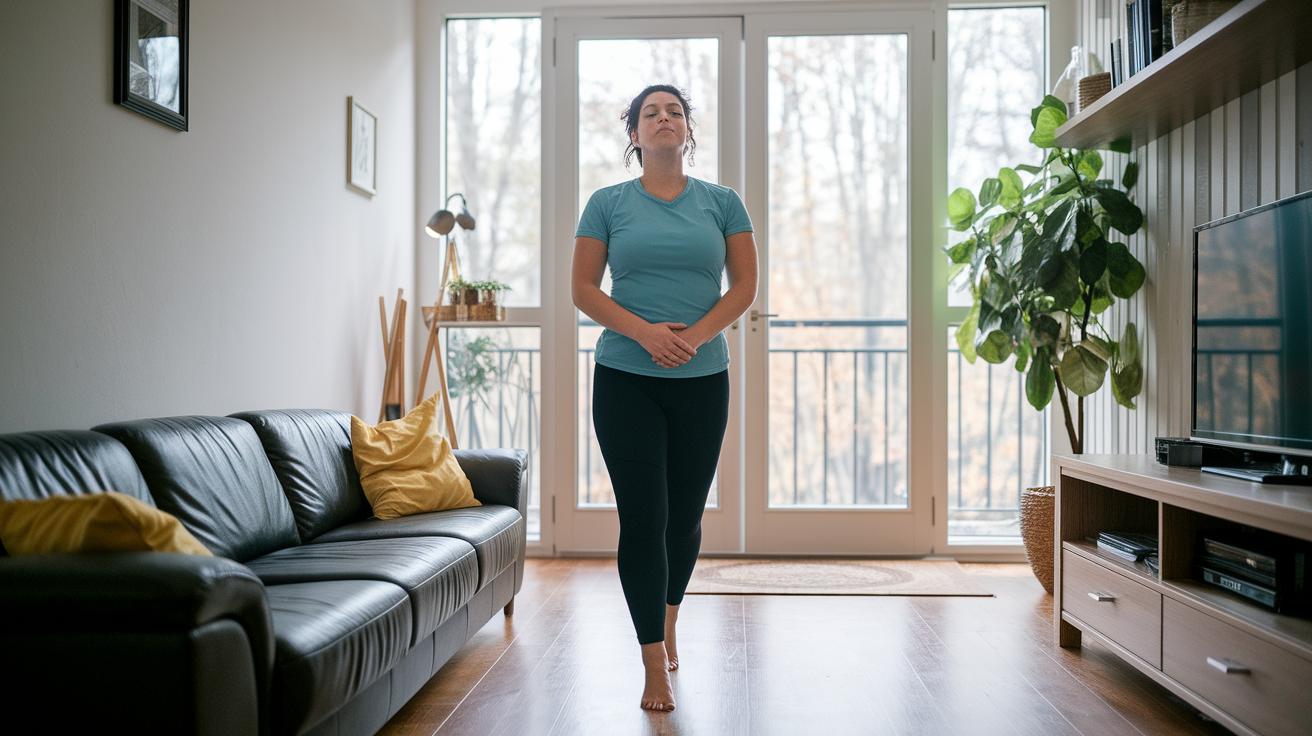
When you’re ready to start moving again, a gentle, step-by-step plan can really help you honor your body’s healing process. Think of it like easing into a cozy routine, it’s all about listening to what your body needs now. Each phase introduces a little more movement than the last, letting you rebuild strength at a pace that feels right.
Let’s break it down:
- Weeks 0–2: Take it easy with rest, practice some breathing exercises, and enjoy gentle walks.
- Weeks 3–4: Begin focusing on pelvic floor rehab and slowly activate those core muscles.
- Weeks 5–6: Try some bodyweight strength moves along with a bit of light cardio.
- Weeks 7–12: Gradually up the intensity and the time you spend being active.
Remember, every recovery journey is different. If you’re feeling extra tired or notice any discomfort, consider slowing things down. It’s totally okay to take more time in one phase until you really feel ready to move on. Being gentle with yourself not only helps you build strength safely, but it also leaves room to celebrate even the smallest victories along the way.
Working with a health professional can give you extra guidance too. They can offer tips to adjust your routine so every step of the process feels nurturing and just right. Have you ever noticed how a little pause can help you catch your breath and boost your confidence? That’s what this plan is all about, helping you feel supported and empowered as you regain your strength one day at a time.
Low-impact Postpartum Workouts for Core and Pelvic Floor Rehabilitation
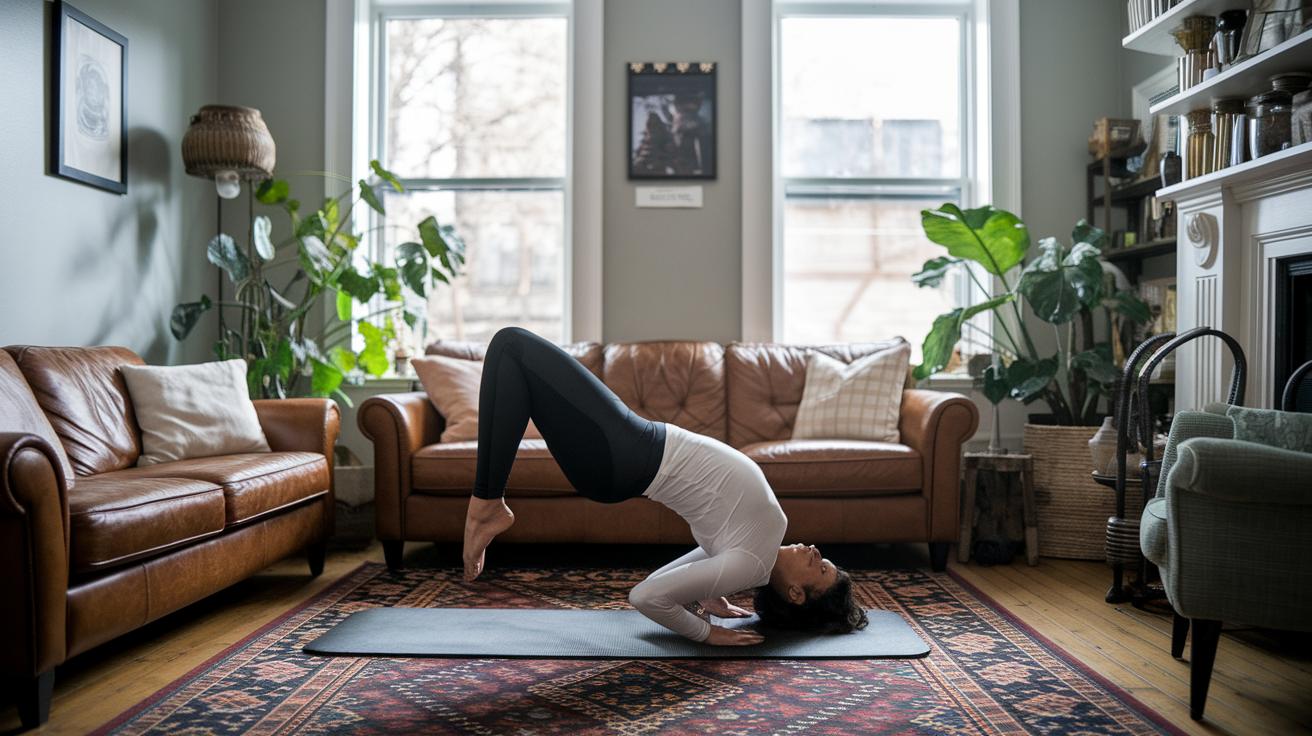
Low-impact exercises offer a gentle way to help rebuild your core strength and improve your pelvic floor control. They let your body get stronger without putting too much stress on your joints. This means you can focus on key muscle groups slowly and steadily, making your recovery feel smoother and more manageable.
| Exercise | Target Muscle | Recommended Frequency | Duration |
|---|---|---|---|
| Pelvic Tilt | Lower abdominals and pelvic floor | Daily | 10 reps |
| Bridge | Glutes and core | 3×/week | 12 reps |
| Heel Slide | Transverse abdominis | Daily | 10 reps each leg |
| Bird Dog | Back extensors & core | 3×/week | 8 reps each side |
When you do these exercises, pay close attention to what your body is telling you. Focus on keeping a good form and steady breathing, and feel free to make changes if you need to. Take it slow and steady, so you let your body adjust and grow stronger safely as you ease back into your fitness after childbirth.
Postpartum Nutrition and Meal Planning for Fitness Goals
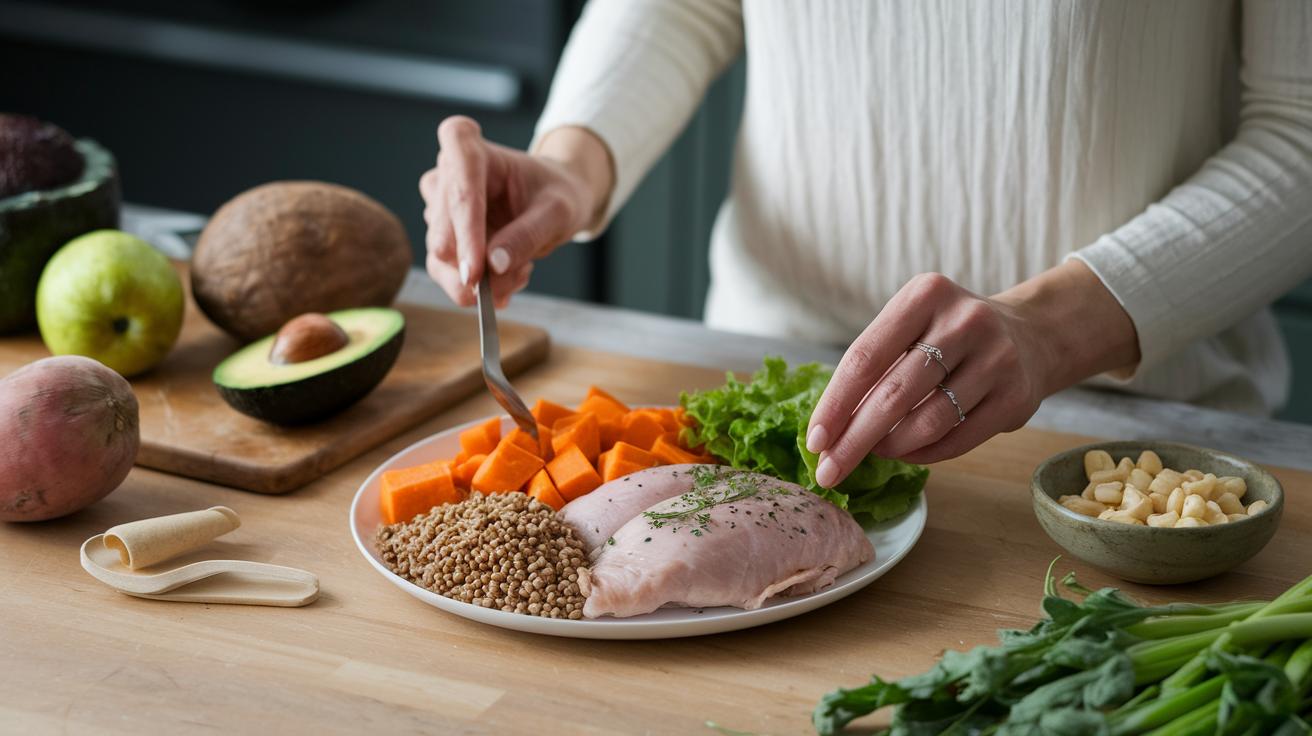
After having a baby, getting the right nutrition can really help you regain your strength, especially when you’re feeling extra tired from recovery or breastfeeding. It’s all about a balanced diet that gives you lean proteins like chicken, fish, or beans; hearty carbs like whole grains or sweet potatoes; and good fats from avocado, nuts, or olive oil. These foods work together to help rebuild your muscles and keep your energy steady all day. Plus, don’t forget to drink water or even a little diluted fruit juice between meals, it can really make a difference as you start feeling better.
Taking a little time to plan your meals can make the busy days of new motherhood feel a bit easier. Maybe you can try mapping out a simple plan that mixes what your body needs with foods you enjoy. For example, start your day with a warm bowl of oatmeal topped with berries and a spoonful of Greek yogurt, have a turkey or veggie wrap with whole grain bread for lunch, and wind down with a dinner of grilled fish alongside quinoa and steamed veggies. Snacking on some fruit slices or a handful of nuts can help keep your energy up as you adjust to your new routine. Adjust these ideas in a way that fits perfectly into your day to make postpartum meal planning both practical and nurturing.
Time Management Techniques for Postnatal Workout Consistency
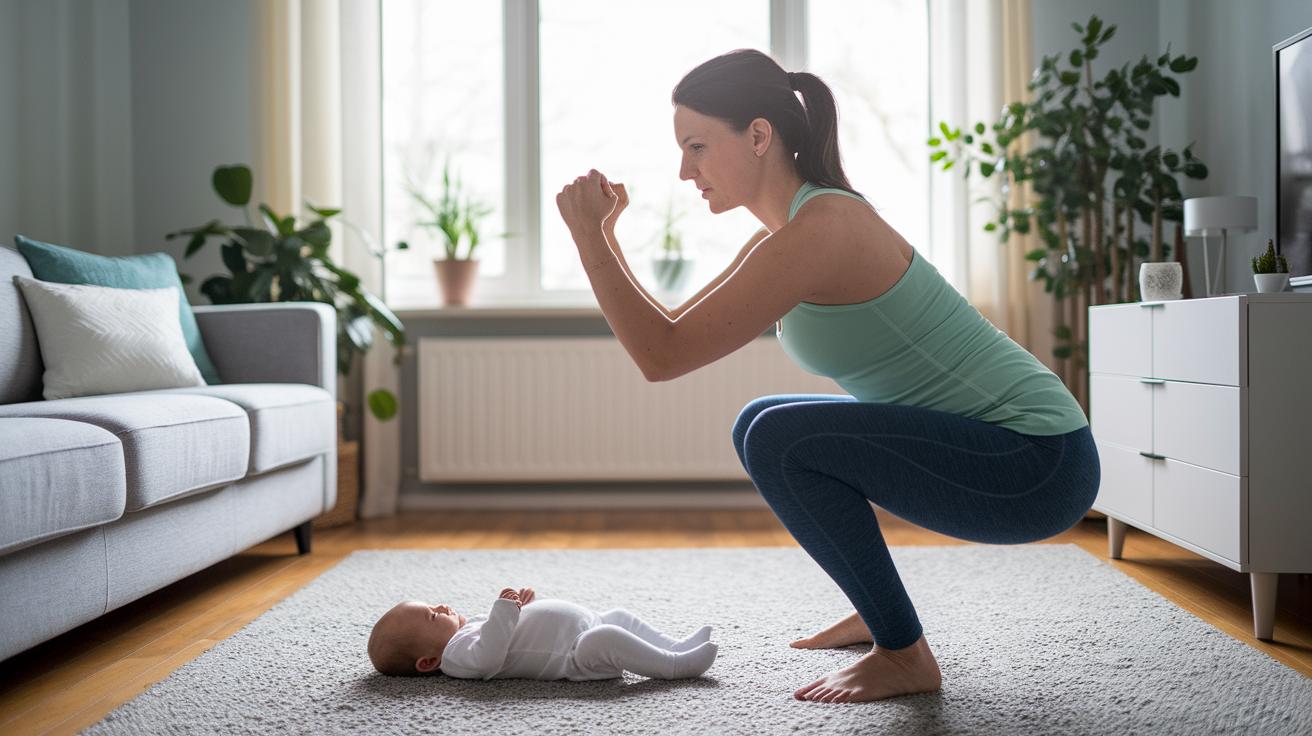
Being a new mom means your days are full of surprises, and finding time to exercise might feel like a dream. Between feeding, changing diapers, and soothing a fussy baby, it’s easy to think there’s no space for a quick workout.
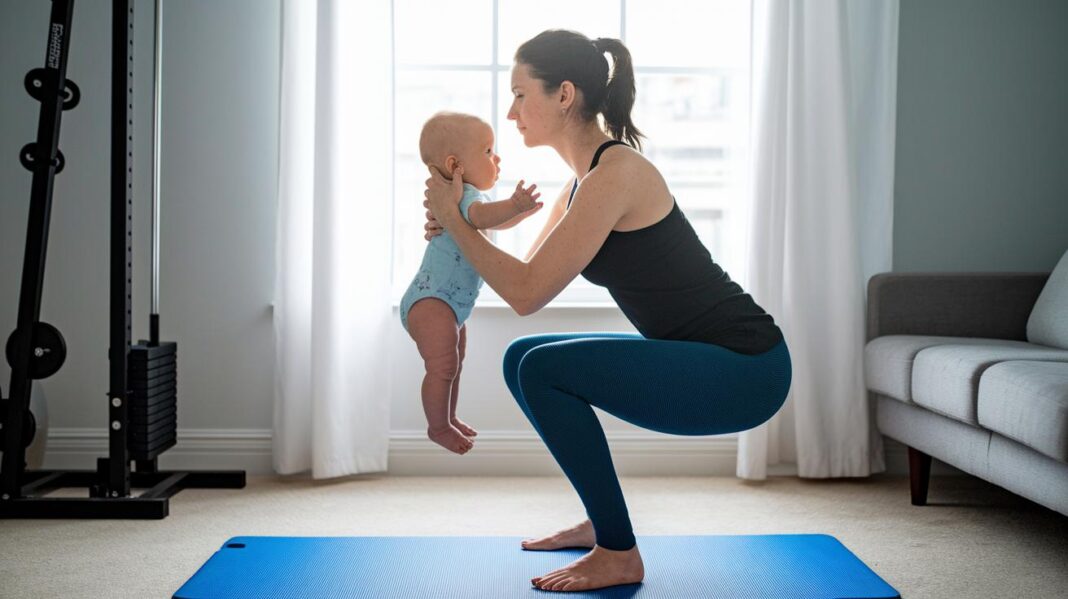
But here’s a gentle reminder: you can keep moving without overhauling your whole day. How about trying short, home-based routines? For example, after a quick diaper change, you could do a few squats or push-ups while your baby naps nearby. It’s like sneaking in small moments of self-care. And sometimes, simply walking around your living room as your little one watches a soft show can count as a workout too. Even carving out just 10 minutes in the morning or evening to stretch can build up energy over time.
If you ever need a little boost, consider joining a community support app or chatting with a friend who keeps you accountable. Sometimes a kind word is all it takes to remind you that even small steps lead to big rewards.
Postpartum Fitness Success Stories and Testimonials
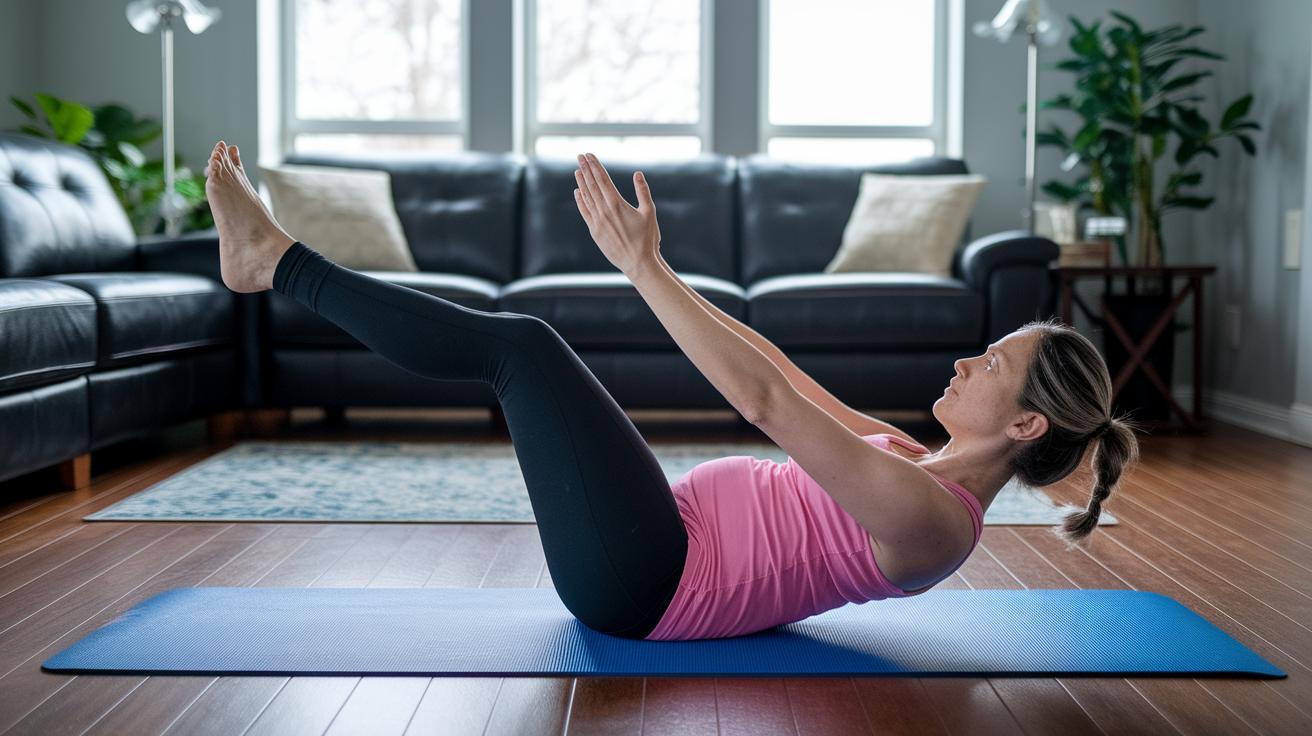
Real success stories remind us that even small steps add up when getting back into fitness after giving birth. They offer a little spark of hope and show that no mom has to face her recovery journey alone.
Take Tonie Lough’s experience, for example. After dealing with some challenging postpartum side effects that made daily tasks feel overwhelming, she decided to take things slowly and focus on a steady, guided recovery. By beginning with gentle exercises and really listening to her body, Tonie rebuilt her core strength and self-confidence. Her journey eventually inspired her to create Mom Home Fitness, proving that mindful, step-by-step progress can lead to renewed energy and well-being.
Other moms have shared similar encouraging stories. One mom said, “I started with short home workouts while caring for my little one, and those small moments of movement soon became a routine that lifted my mood and energy.” Another mom noted how balancing baby care with a few minutes of exercise made her feel empowered and closer to her personal goals.
It’s amazing how these everyday victories can build a community of strength and support. Have you ever noticed how even tiny improvements can make a big difference? Feel free to share your own journey, every story matters and helps all of us feel a little stronger together.
Common Postpartum Exercise Safe Practices and Injury Prevention
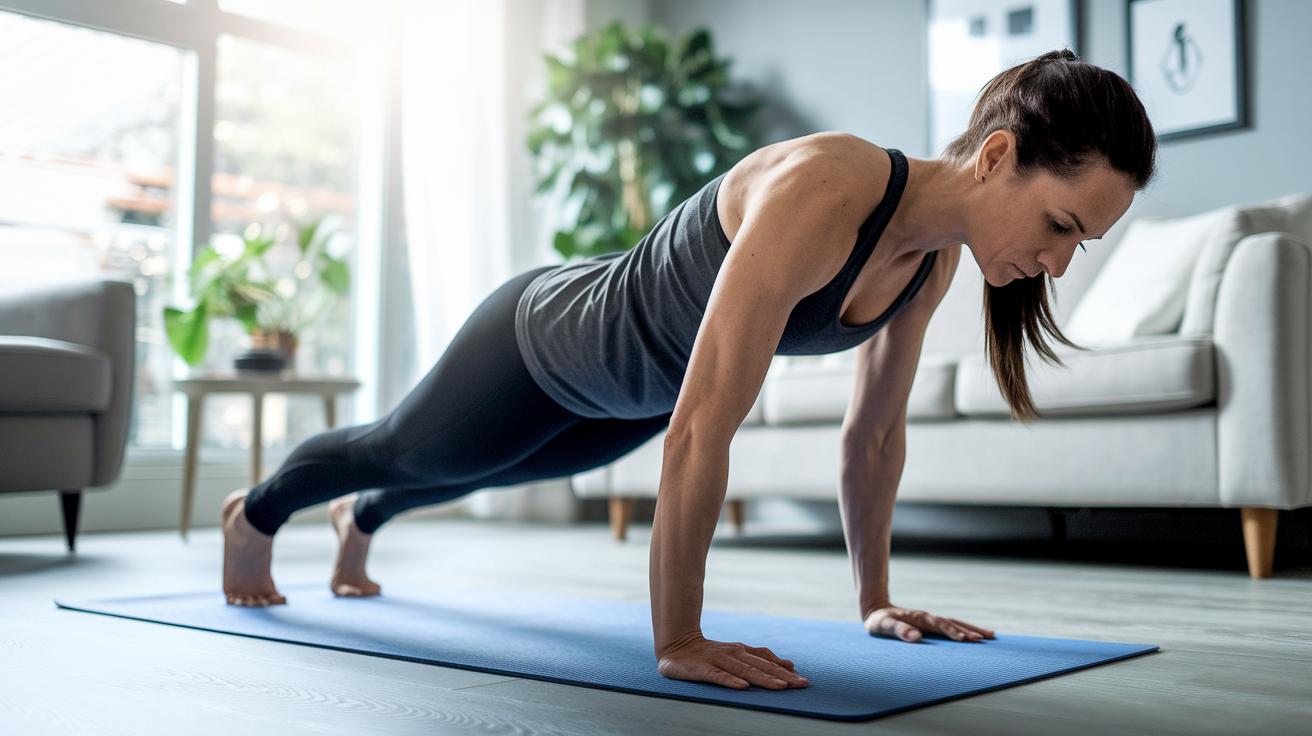
Don't push too hard, overdoing it when your body is still healing can lead to setbacks and even injury. Taking your time helps build strength without risking your recovery.
It’s a good idea to watch for common posture mistakes and tweak your moves along the way. For example, leaning too far forward during squats, letting your shoulders misalign during pushups, or letting your hips drop during planks are all frequent slip-ups. Experts often suggest trying wall pushups if your core feels challenged, or starting with half-squats until you nail down proper form. Many moms have found a real difference by switching to wall pushups, noticing less shoulder strain in just a few weeks. If you feel any pain, listen to your body and don’t hesitate to check in with a pelvic health expert for extra guidance.
Remember to take regular rest days and keep track of your progress. This approach can help you spot any lingering issues and keep injuries at bay.
| Exercise | Common Mistake | Helpful Tip |
|---|---|---|
| Squats | Knees caving in or misaligned pelvis | Try half-squats with a focus on proper knee alignment |
| Pushups | Arching the back | Use wall pushups to maintain a straight posture |
| Plank | Drooping hips | Perform a modified plank on your knees |
Final Words
In the action, we explored safe, step-by-step strategies to help new moms ease into fitness. We covered barriers like fatigue and bodily changes while sharing expert tips and real-life experiences.
This guide focused on a phased plan, nutrition, and time management to support steady progress. It reminds moms that overcoming postpartum fitness challenges is a process that brings strength, balance, and renewed energy.
Stay positive and keep moving forward!
FAQ
How can I access a 12-week postpartum workout plan PDF for overcoming fitness challenges?
The 12-week postpartum workout plan PDF offers a phased, expert-backed guide to rebuilding strength after childbirth, including safe routines you can follow at home.
How can I overcome postpartum fitness challenges at home?
Overcoming postpartum fitness challenges at home means using gentle, low-impact exercises that respect your healing process while gradually boosting strength and stamina.
When should I start exercising after a normal delivery with stitches?
Starting exercise after a normal delivery with stitches depends on your healing progress. It’s best to begin once your healthcare provider confirms that your body is ready for gentle movement.
What does postpartum exercise involve?
Postpartum exercise involves gentle, tailored workouts designed to gradually restore strength, focusing on core stability and overall recovery after childbirth.
How can a postpartum workout app support my recovery?
A postpartum workout app offers structure by tracking progress and providing expert guidance on safe, at-home workouts that fit into a busy new mom schedule.
What are effective postpartum exercises for tummy recovery?
Effective postpartum tummy exercises target core and pelvic floor muscles through gentle abdominal activations, helping rebuild core stability safely after childbirth.
What does the 5 5 5 rule postpartum mean?
The 5 5 5 rule postpartum outlines breaking your exercise session into three parts—warm-up, active exercise, and cool down—each lasting five minutes, to safely ease into fitness.
How can I get back into fitness after having a baby?
Getting back into fitness postpartum requires a gradual approach, starting with simple, supportive exercises and slowly increasing intensity as your body heals and gains strength.
Why might it be challenging to work out after having a baby?
Working out after having a baby can be tough because of physical recovery, hormonal shifts, sleep loss, and the constant demands of new parenthood that require adjustments in routines.
How long am I considered to be postpartum?
The postpartum period usually lasts from six weeks up to six months, but every body is unique, so follow your healthcare provider’s advice to determine when you’re ready to advance your workouts.