Ever noticed your little one wriggling around like they're about to take off? It's the cutest sign that they're getting stronger every day.
This guide shares key moments in your baby’s journey. From lifting their head during tummy time to taking those first shaky steps, each move shows them building balance and boosting confidence.
Just imagine, each wiggle and step is a tiny victory, paving the way for awesome growth. Let's celebrate these everyday moments that help your baby grow stronger and more secure each day.
gross motor development milestones chart: Inspiring Physical Growth
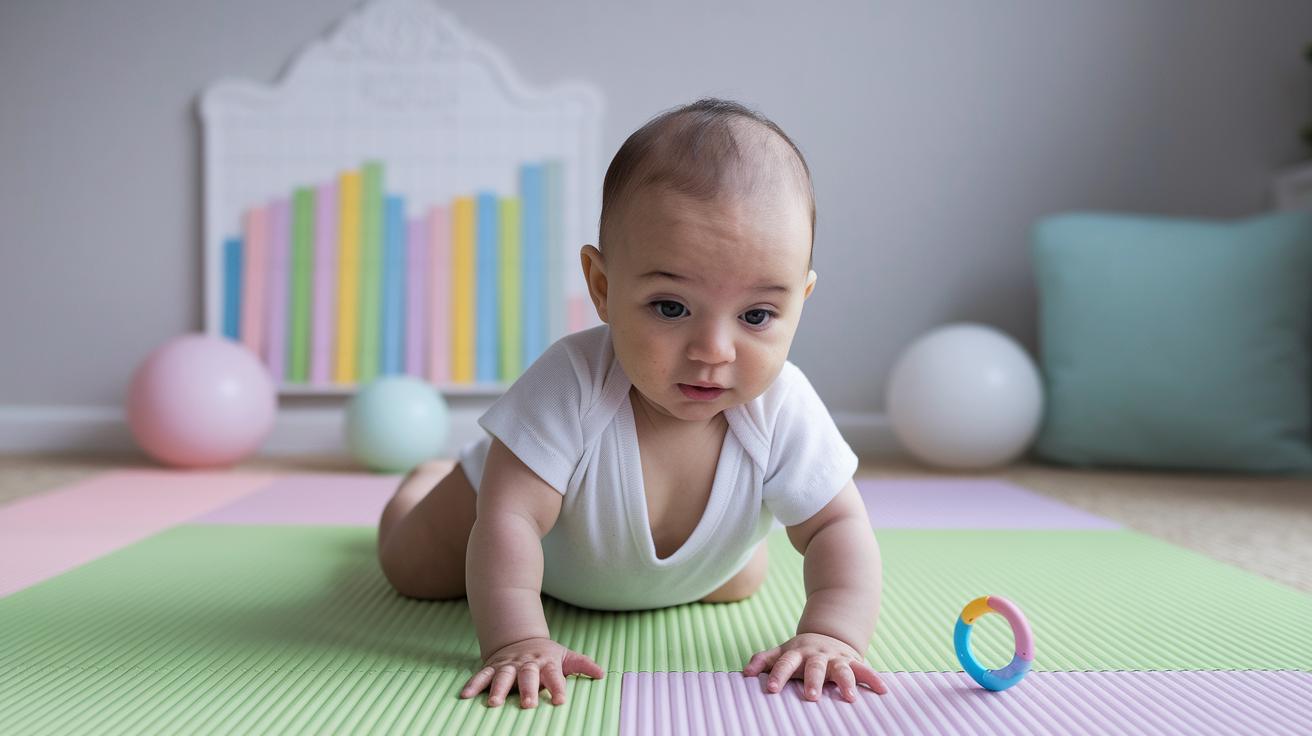
This handy chart shows how our little ones start to move and grow. It points out key achievements that many children reach as they get older. When your baby does tummy time, they might lift their head when lying on their belly and follow objects with their eyes. Did you know that before many infants learn to crawl, they often wiggle their legs and arms as if they’re getting ready to sprint?
Below is a visual table to quickly show what skills you can expect at different ages:
| Age Range | Milestones |
|---|---|
| 0–3 months | Lifts head when on belly, follows objects with eyes |
| 4–6 months | Rolls over both ways, sits with a little help |
| 7–9 months | Crawls, pulls up to stand |
| 10–12 months | Moves along furniture, stands without help |
| 13–18 months | Walks on their own, climbs onto low surfaces |
| 19–24 months | Runs, kicks a ball that isn’t moving |
| 2–3 years | Steps up and down stairs using alternating feet, jumps forward |
Every parent's careful look matters. Use this chart as a gentle guide to note everyday physical cues. Picture your toddler confidently taking a few steps during playtime. That’s a sign of healthy growth and progress, and it really warms your heart to see.
Understanding Milestone Timing and Parental Observations
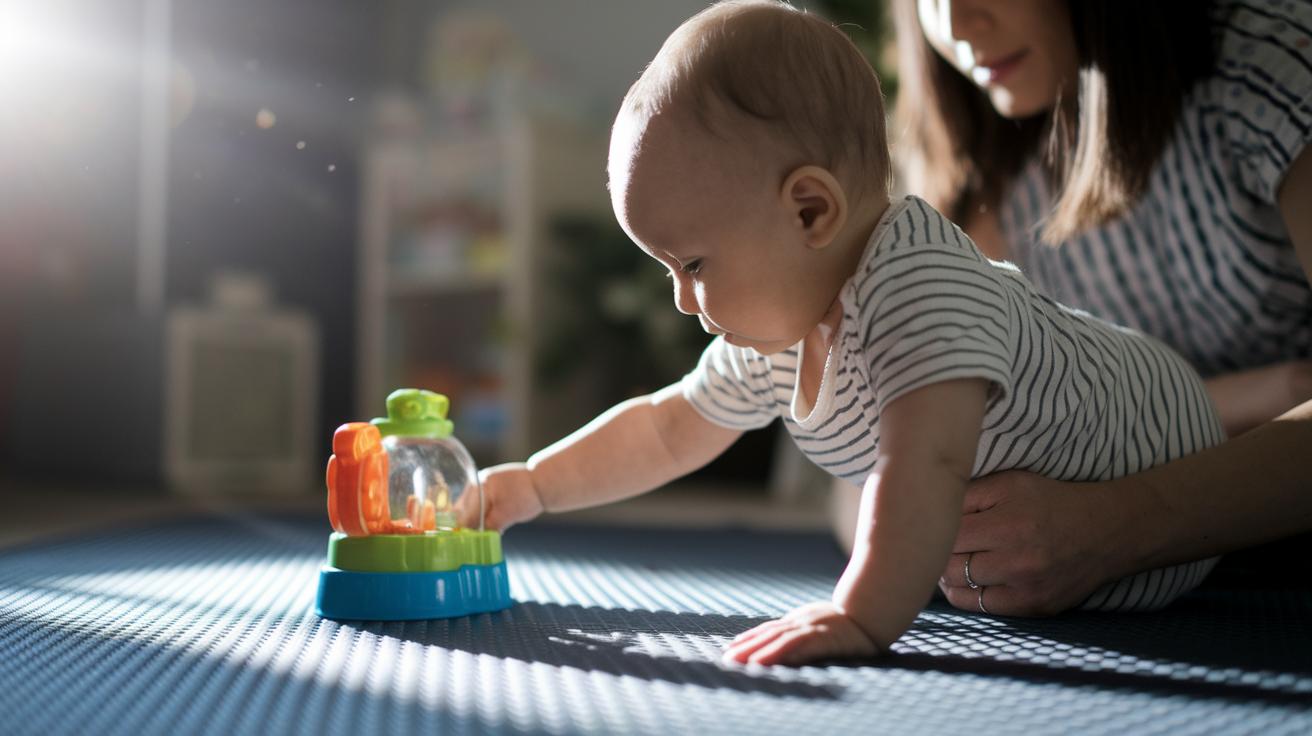
When you watch your little one play, keep an eye out for small actions that might not be on the usual milestone chart. Maybe you notice they move with more purpose or try shifting their weight in new ways. For example, during a floor play session, your baby might pause just a moment before reaching out for a toy, showing that they're experimenting with balance and movement. These tiny cues show that every baby grows in their own unique way.
Try to weave these gentle observations into your daily routine. While you're busy with simple tasks like making dinner, set up a safe play spot where your baby can stretch, reach, or change positions freely. And if you ever worry about delays, think about adding short, fun sessions of play to see how your little one explores. This caring approach helps you see your child's progress from many angles beyond just the chart.
Recognizing Typical Variations in Gross Motor Progress
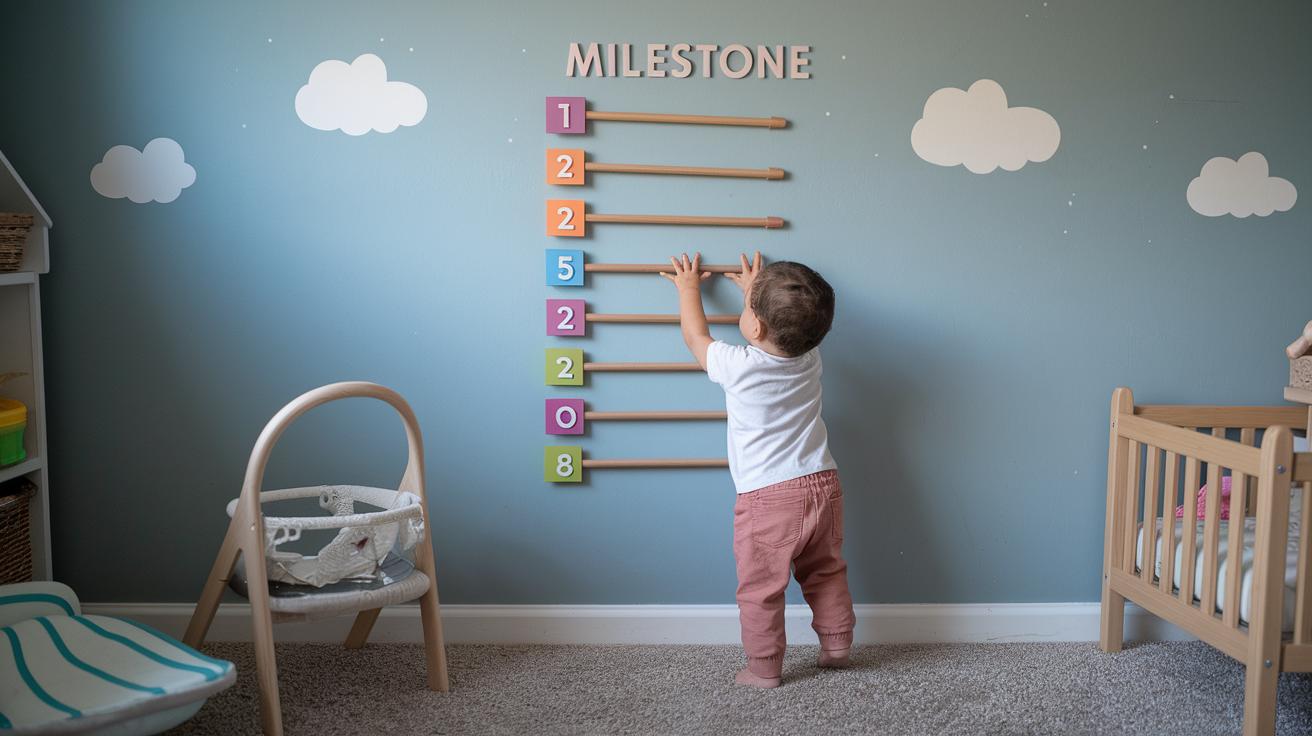
Every child moves at their own pace, and that’s perfectly okay. Our chart is just a rough guide, and sometimes kids might hit a milestone a little earlier or later than the average. In fact, movement markers can vary by about a month, that’s normal and just part of how each child grows.
That said, there are a few red flags to watch out for. For example, if a 15-month-old isn’t pulling up to stand or taking a few steps on their own, it might mean they’re falling behind by a bit more than usual. If you notice this, it could be a good idea to chat with your pediatrician or a therapist. Keeping an eye on both the small wins and any bigger delays can help ensure your child gets the right support.
Complementary Developmental Charts for Holistic Tracking
Along with the gross motor milestones chart, there are a few other helpful charts that give you a full look at your child’s growing skills. Many parents and teachers use an early developmental activity chart as a handy guide for all the little steps in a child’s journey. There’s also a Fine Motor/Social/Self-Care chart, a Language and Feeding chart, and even a Pragmatic Language chart that shows how they use words in everyday situations.
Think about it like this: while the gross motor chart tells you when your baby might start crawling or walking, the fine motor chart is the one you refer to when you notice them picking up a small block with care. It’s like seeing a little moment of magic as your child’s hand-eye coordination blossoms. The language and feeding chart gives hints about when your child might begin using simple words or try eating on their own during mealtime. And the pragmatic language chart? That one keeps track of how your child communicates in real, friendly moments.
By looking at these charts together, you can really see the whole picture of your child’s progress. It helps point out little wins and shows where you might add a bit more play or guidance. In truth, this balanced view makes it easier to celebrate all the small victories in your child’s development.
Applying Gross Motor Charts in Therapy and Early Education
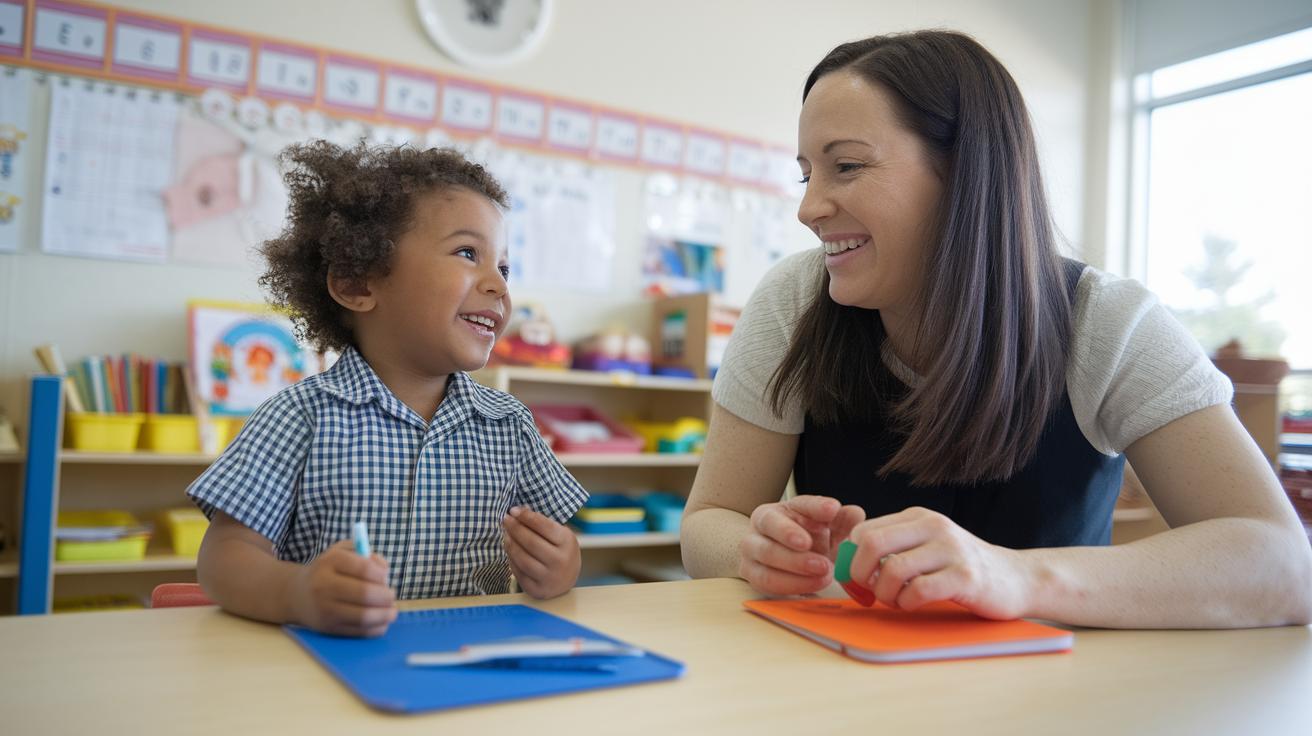
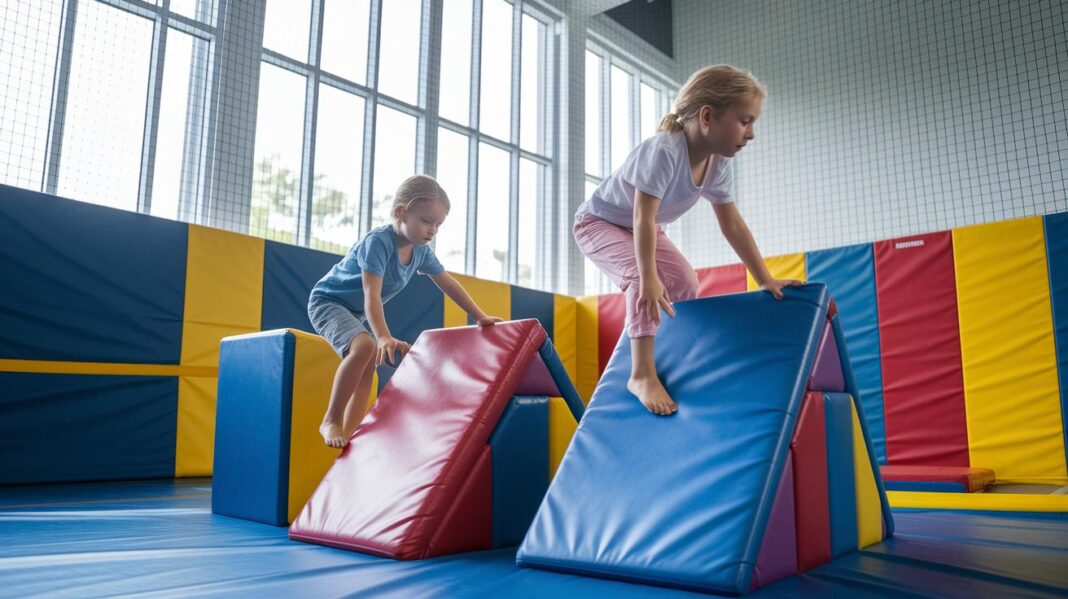
Therapists and educators find that the gross motor milestones chart turns a simple tool into a friendly movement tracker. For instance, a physical therapist might use it during sessions to show how a child is doing with skills like crawling, cruising, or walking. In the preschool room, teachers often design small movement goals from the chart to spark joy and energy during playtime.
This chart also acts like a guide for celebrating each little win in movement. Picture a classroom where teachers mix in fun games that get kids running or jumping, it’s set up to match age-specific skills on the chart. It’s like having a clear map to cheer on every breakthrough. Have you ever smiled remembering the first time a little one stood on their own? That moment captures the simple magic of these milestones.
Using free checklists and simple screening tools, educators can smoothly blend these movement timelines into daily activities. Many occupational and physical therapists depend on these resources to shape structured programs, whether they’re working one-on-one with a child or organizing activities in a school setting.
When the chart is part of lesson planning and regular progress notes, it helps create activities that both challenge kids and put parents at ease. This thoughtful approach makes tracking growth feel like a natural part of exploring movement from a very young age.
Final Words
In the action, we explored a clear breakdown of gross motor skills from early head lifting to running, detailing typical timelines and everyday tips for parents. We also looked at variations in movement milestones and introduced complementary charts to give a fuller picture of your child's progress.
By using our gross motor development milestones chart, you now have a trusted guide for tracking growth and celebrating each small win. Keep shining as each moment adds up to a world filled with loving learning and joyful discovery.
FAQ
What does gross motor development in infants 0–12 months include?
The gross motor development in infants 0–12 months includes progress from lifting the head when prone to rolling over, sitting with support, crawling, pulling to stand, and cruising along furniture.
What are common fine motor skills and their milestones in early childhood?
The fine motor skills in early childhood involve actions like grasping objects, using a pincer grasp, and coordinating hand and eye movements, which are tracked by charts to observe developmental progress.
How is a gross motor developmental milestones PDF useful for parents?
A gross motor developmental milestones PDF offers a clear, visual table to quickly reference age-specific skills—helping parents monitor key activities like rolling, crawling, and independent walking.
What are the differences in gross motor skills by age, including early childhood and ages 8–12 years?
The gross motor skills by age reveal early milestones like crawling and standing, while older children, especially ages 8–12, develop more refined control through activities that require balance, coordination, and agility.
How does tracking motor milestones benefit therapy and early education?
Tracking these motor milestones supports therapy and education by guiding parents, educators, and therapists in setting individualized movement goals, planning activities, and observing progress over time.