Have you ever wondered if your repeated efforts can really change the way your brain learns? Every time you practice, your brain forms new connections that help make your movements smoother and more natural.
Even just a few correct tries can add up, kind of like perfecting your favorite recipe. It's amazing how every little bit counts.
In this chat, we’re going to explore how our muscles and brain work together through practice. We'll break down simple steps that show how focused practice can build your skills. Ready to see how science fits into your everyday life?
Essential Foundations of Motor Learning
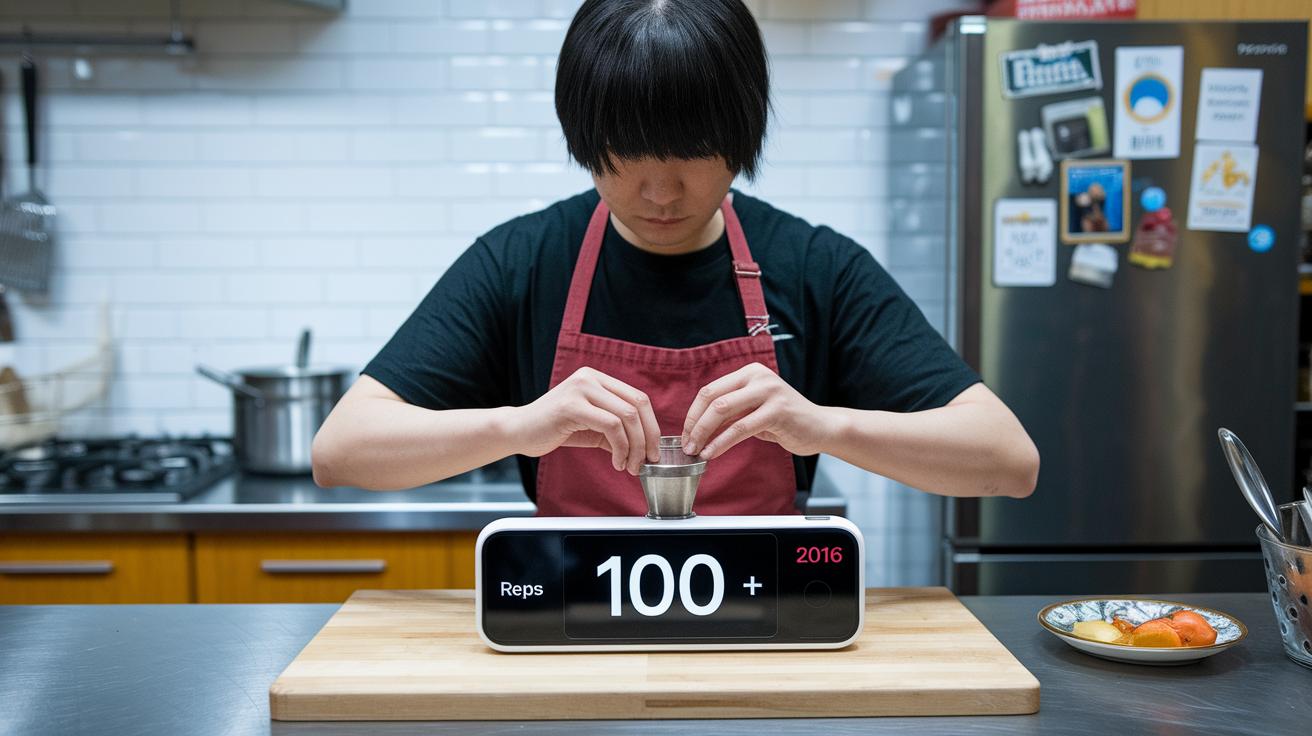
Every time you practice a new skill, your brain works hard to build and strengthen its connections. Studies show that doing at least 50 accurate tries in one session helps a lot, but going for around 100 tries can really boost the changes in your brain. This amazing ability of the brain to change and adapt is what helps us learn and form new motor plans.
Imagine learning something new just like perfecting a favorite family recipe, you repeat each step until it becomes as natural as breathing. For instance, researchers have found that in some therapy sessions, reaching 100 correct repetitions can make a big difference in how well someone controls their movements! This steady repetition builds a strong foundation for learning skills in areas like speech therapy, rehabilitation, or even sports training.
When it comes to practicing, both speed and precision count. With every repeated move, the brain refines the motor plan, which helps reduce mistakes and boost confidence. Whether you're working on your own recovery after an injury or helping little ones learn their first sports steps, these simple, repeated actions really add up over time.
High-trial practice is just one part of the bigger picture. Each little repeated movement is a step toward building lasting motor skills, reshaping how your brain works every day.
Neurological Stages in Motor Learning
Cognitive Stage
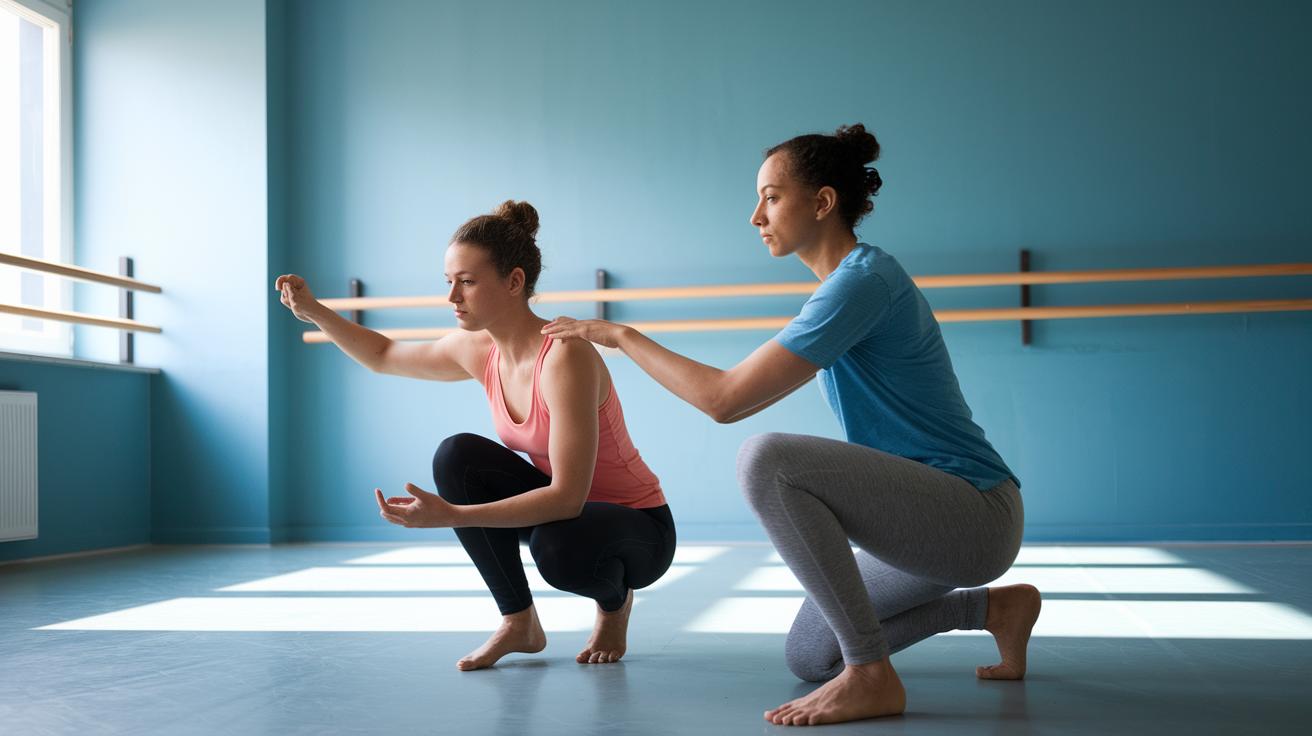
This is where the journey begins. Here, you might notice plenty of mistakes as your brain works hard to build new movement plans. It needs a quiet, focused space so each motion can be processed clearly. Think of it like a friend gently guiding you through a new step, offering quick tips each time you try.
Associative Stage
Now, things start to smooth out. Errors become less common and not as big. Your brain is busy fine-tuning every move, and feedback comes a bit less often. Imagine practicing a dance step slowly until it feels just right, all while a bit of soft background activity helps you relax into your practice.
Autonomous Stage
At this stage, your movements feel almost automatic. You don't have to think much about them because they’ve become second nature. With varied practice sessions and fun challenges, the skill stays sharp and ready. Picture a pianist who plays effortlessly, easily adapting to new tunes, this is the beauty of motor mastery.
Practice Methods in Motor Learning
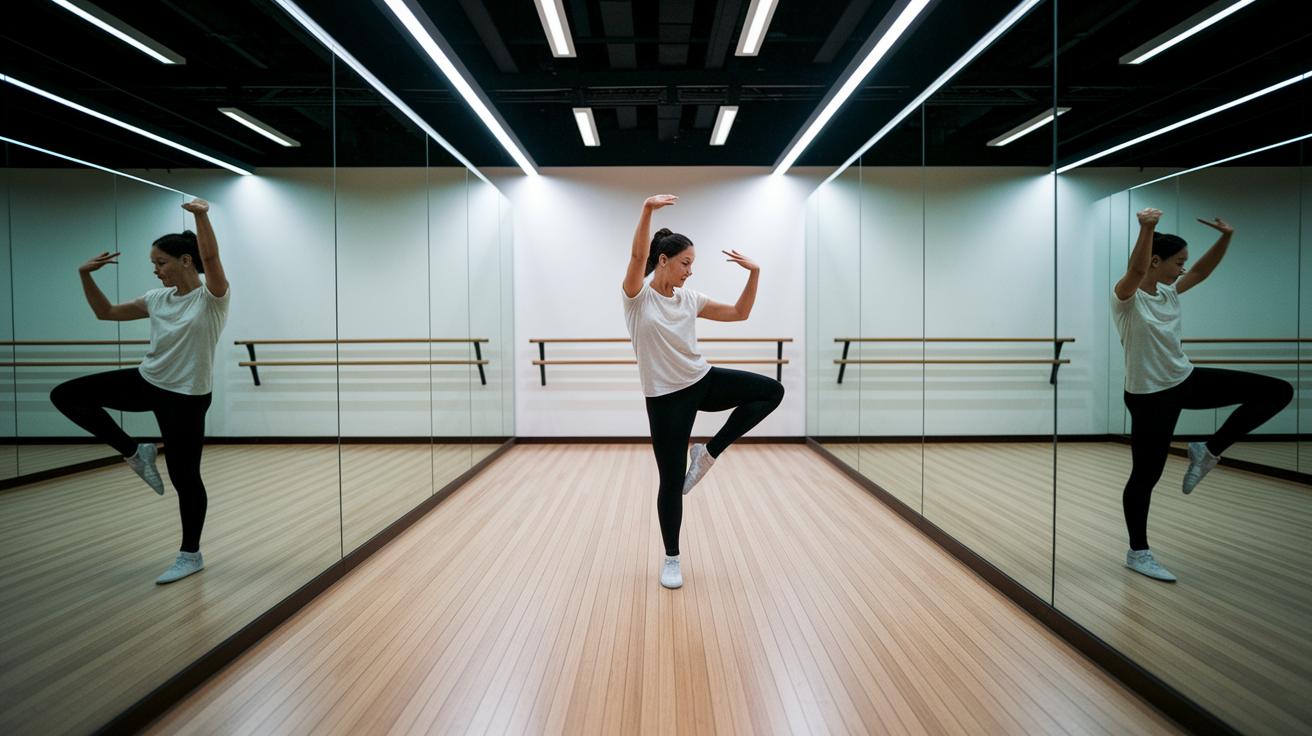
Learning a new skill can feel a bit like putting together a puzzle. Sometimes breaking tasks into smaller pieces really helps. Part practice lets you focus on one part at a time. For example, you might work on different moves of a dance separately before you put them together. It's like practicing the first line of a favorite nursery rhyme before singing the whole song, it builds a solid foundation.
Massed practice, on the other hand, means working hard for a long stretch with not many breaks. This method can give you a quick boost, just like rehearsing a speech non-stop before the big event. Then there's distributed practice, which is more gentle. It splits your practice into short sessions with frequent rests. Imagine practicing a musical instrument for a few minutes each day instead of one long session, it helps your brain hold onto what you learn.
The order in which you practice also makes a difference. Blocked practice means repeating one skill over and over until it sticks. Think of it as saying a word again and again until it feels natural. Random practice mixes different skills together so you learn to switch between them easily. It’s like tasting various fruits instead of eating just one kind, a bit like how you use a mix of skills in your day-to-day life.
| Practice Method | Description |
|---|---|
| Part Practice | Breaks tasks into smaller pieces during early learning stages. |
| Whole Practice | Combines all pieces to complete the task. |
| Massed Practice | Long sessions with few stops for a quick boost. |
| Distributed Practice | Short, spaced sessions that help you remember longer. |
| Blocked Practice | Repeats one skill to build strong accuracy. |
| Random Practice | Mixes different skills to mirror real-life situations. |
Feedback Mechanisms in Motor Learning

When you first try a new movement, getting clear, immediate feedback can really help. A coach or therapist might step in to gently point out if you’re a bit off balance or if your timing could use a little tweak. For example, they might say, "Great start, but try shifting your weight a little more toward your left foot." This kind of friendly guidance is like a quick tune-up for your body, helping you fine-tune your motions as you learn.
As you get more comfortable with the movement, you start to rely more on what your body tells you on its own. You might begin to notice subtle feelings that guide your movements quietly, without someone constantly re-adjusting you. Think of it like learning to sense when your swing in a sport is just right. Over time, this gentle shift lets you figure out and fix little errors all by yourself.
This gradual change from needing constant feedback to trusting your own body helps build muscle memory and confidence. Your body learns to find its own pace and perfect each motion naturally, setting you up for lasting success with your new skills.
Applying Motor Learning Principles in Rehabilitation
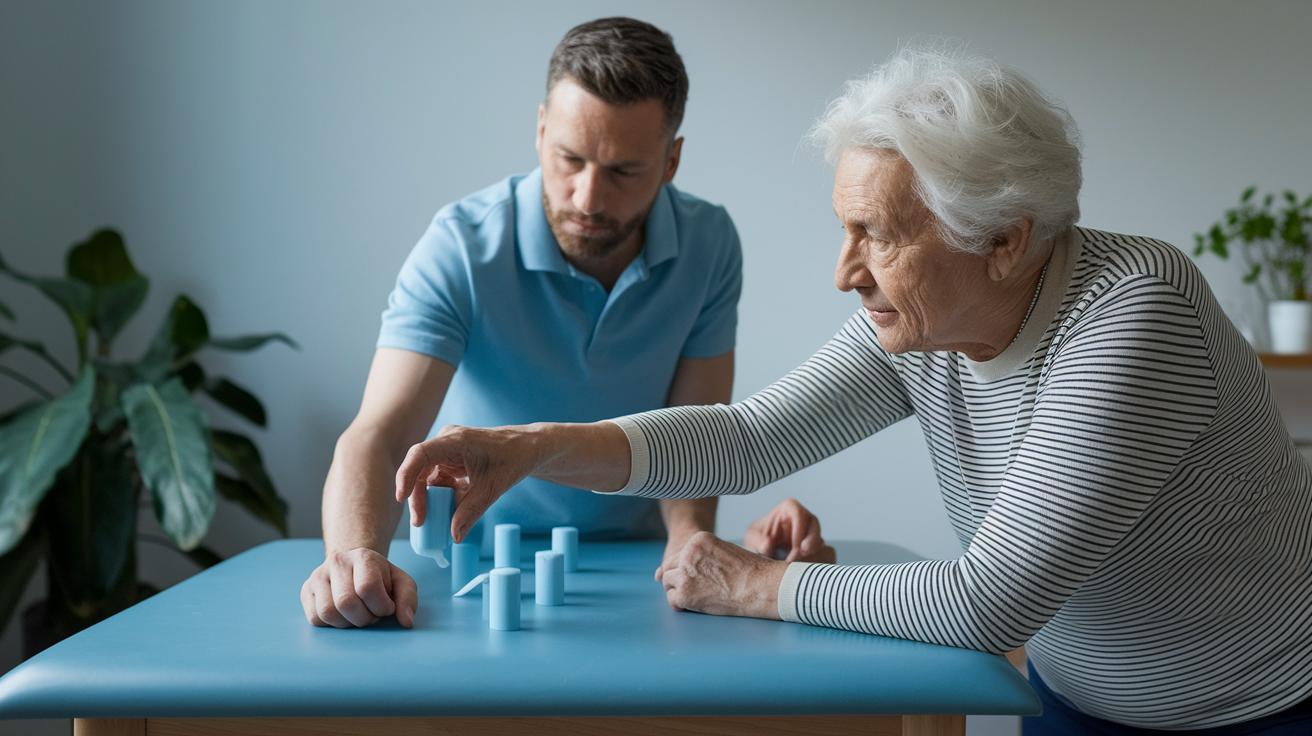
A 70-year-old stroke survivor reminds us that a personalized approach can truly change the game. Their therapist used motor learning ideas to tailor each session to fit unique challenges. In the beginning, the focus is on understanding every small movement. The patient works in a calm, quiet room where distractions are kept to a minimum, making it easier to break tasks into simple parts. For example, the therapist might set up a table with various objects placed around and gently ask the patient to reach for each one. A kind nudge like, "Try looking left and right as you reach forward," provides clear, friendly guidance.
When the patient moves into the next phase, the associative stage, they start to grasp the movements but still need some tips to perfect them. Sessions at this point are often held in the main therapy gym during a peaceful morning. The soft background hum in the gym helps the patient focus while they practice. The therapist breaks down actions into smaller parts, like reaching for a cup or ball, so different muscles learn to work together. Repeating these careful movements helps sharpen their skill and builds confidence with less need for constant reminders.
Once the patient reaches the autonomous stage, movements become almost second nature. Therapy sessions now mix up the routine with different types of practice, sometimes even adding a bit of randomness. The setting might combine familiar surroundings with gentle new challenges, keeping things interesting. This blend of practiced routines and a few surprises helps the patient remain flexible and ready for real-life demands.
| Stage | Environment Setup | Therapy Benefit |
|---|---|---|
| Cognitive Stage | Calm room with few distractions | Helps to reduce mistakes and learn basic movements |
| Associative Stage | Main gym with a soft background hum | Improves movement details and builds consistency |
| Autonomous Stage | Mixed settings with gentle variations | Makes movements nearly automatic and boosts adaptability |
Therapists usually tweak the sessions as the patient improves, switching from simple, repeated steps to more complex, integrated actions. This gradual build-up ensures that every practice session brings the patient closer to a lasting recovery.
Designing Motor Learning Programs for Skill Retention

Planning your practice sessions over time really makes a difference in keeping skills sharp. Instead of one long session, try breaking it up into shorter, more frequent bouts, like 10 minutes in the morning, another 10 minutes in the afternoon, and 10 minutes in the evening. Each little session helps your brain remember what you learned. Fun fact: even short bursts of practice can change the way your brain works!
It also helps to gently increase challenges as you go. When you slowly make your tasks a bit tougher, you stay engaged without feeling overwhelmed. Picture it like adding a new verse to a favorite song, where each repetition is just a tiny bit harder than the last. Have you ever felt that a small extra push makes tasks way more interesting?
Mixing up how you practice is important, too. Changing the speed, distance, or direction of your movements teaches your body to adapt to different situations. This variety not only keeps things fun but also builds extra flexibility for daily activities. Consider these simple ideas:
- Try the same task starting from different positions.
- Use new timing cues to shake up your rhythm.
- Change your practice environment just a little each time.
When you combine thoughtful scheduling, a gradual increase in challenge, and a touch of variety, you're setting yourself up for real success. Every little change helps your skills stick, so you can easily use them in your everyday life.
Final Words
In the action, this article explored how the brain learns new skills. You read about the essential foundations of motor learning, found out about the three neural stages, and learned effective ways to practice and get feedback. We shared how these principles guide rehabilitation and help build skill retention. Each section reminded us that frequent, focused practice brings positive outcomes. It's inspiring to see how evidence-based insights can guide us in moving forward with confidence and care. Enjoy applying these motor learning principles to everyday challenges with optimism and calm.
FAQ
Q: What are the basic principles of motor learning and motor development?
A: The basic principles of motor learning and motor development include consistent repetition, specific feedback, error correction, and gradually increasing task difficulty, all aimed at building effective movement patterns.
Q: What are the main principles of motor learning in physical therapy and occupational therapy?
A: The main principles in physical and occupational therapy emphasize repetitive practice, tailored feedback, controlled error correction, and task variability to enhance motor performance and support functional recovery.
Q: What are the recommended principles for motor relearning programs in rehabilitation?
A: The recommended principles focus on high-trial practice, step-by-step progress, adaptive feedback, and practice methods that fit the unique recovery needs of each individual in a rehabilitation setting.
Q: What are the characteristics of motor learning outlined by different principle counts?
A: The characteristics vary, with lists noting 4, 9, 10, or 15 principles, yet they consistently stress the roles of feedback, repetition, and progressive practice in honing motor skills.
Q: Where can I find a PDF for principles of motor learning?
A: A PDF on principles of motor learning is often available through academic databases, research journals, or university websites that offer insights into motor control, physical education, and rehabilitation methodologies.
Q: How do motor learning principles apply to apraxia and speech therapy?
A: The principles in apraxia and speech therapy involve repetitive, task-specific practice paired with timely feedback, which helps improve coordination of speech and movement by fostering adaptive neural changes.