Have you ever noticed your heart pounding when anxiety hits? It might sound too simple, but taking a few slow, deep breaths can truly change your day. Deep breathing helps turn a tense moment into something calmer, like giving yourself a mini break when you need it most.
In this post, I’ll share some easy steps to help shift your body away from worry and invite a sense of relaxation with every breath. Picture each exhale as a small act of care for yourself, a gentle reminder that you deserve comfort even on the toughest days.
Immediate, Step-by-Step Deep Breathing for Anxiety Relief
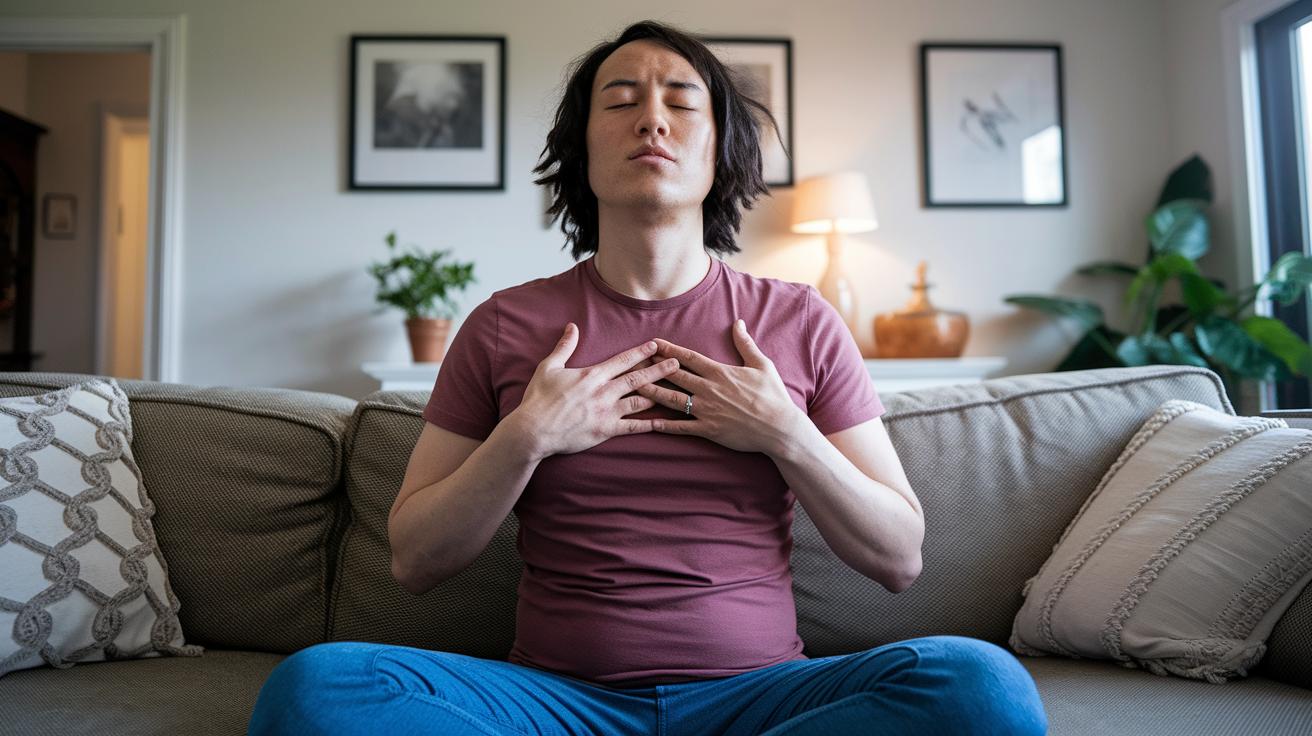
Try these six simple steps to help shift your body from the stress response to a calm state:
- Sit in a comfortable spot. Place one hand lightly on your chest and the other on your belly.
- Breathe in slowly through your nose for about 4 seconds, feeling your belly rise as it fills with air.
- Hold your breath for 2 seconds so the oxygen can settle.
- Now, breathe out gently through your mouth for at least 6 seconds. Imagine each exhale gently carrying away your stress.
- Pay close attention to how your belly lowers and the steady rhythm of your breath.
- Repeat these steps three times to help clear away acute stress.
Diaphragmatic deep breathing (using the muscle under your lungs) works by gently engaging your lower lungs instead of just your chest muscles. This process helps stimulate the vagus nerve, nudging your heart rate and blood pressure to slow down. With regular practice, your body starts to see deep breaths as a signal for relaxation, turning a stressful moment into one of calm confidence.
Plus, focusing on every breath and imagining tension melting away creates a quiet mental space even when life feels hectic. Picture each exhale as a little act of kindness towards yourself, letting go of worries and inviting a peaceful mind and body.
The Science Behind Deep Breathing and Anxiety Reduction
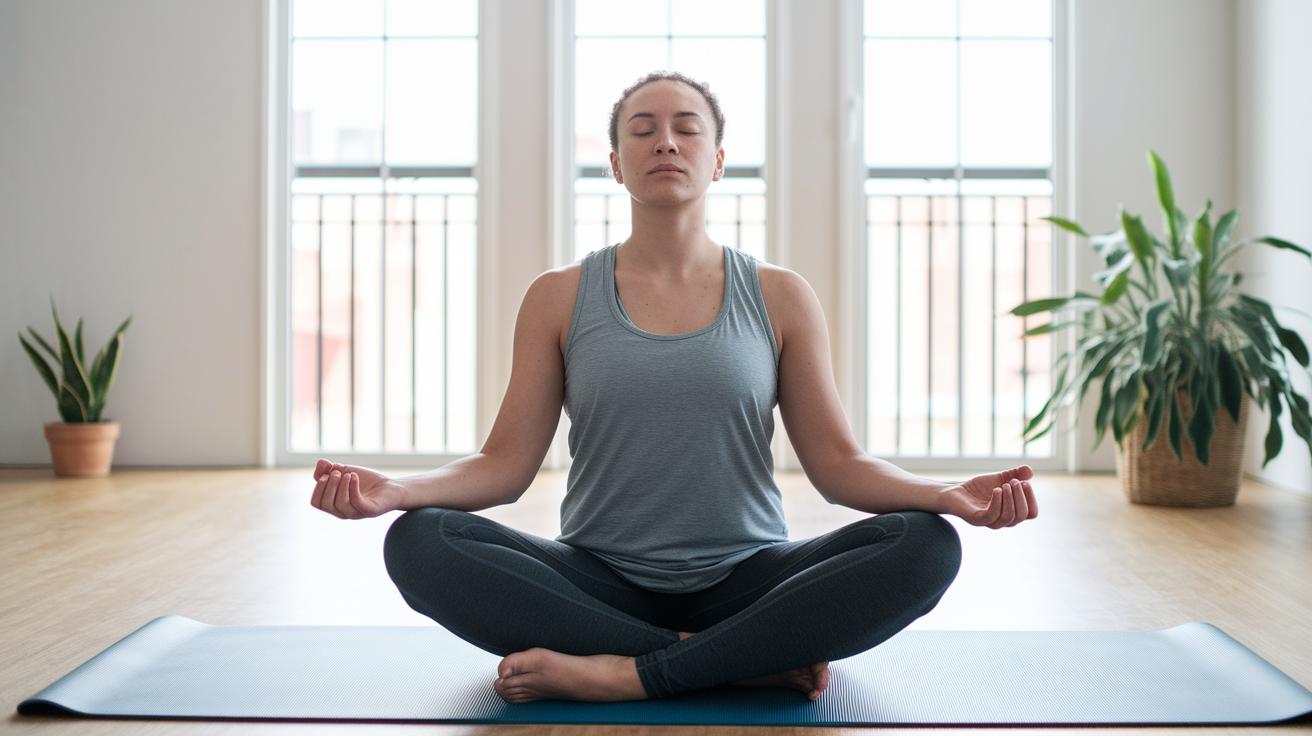
Deep breathing does more than just get more oxygen into your body. Recent studies show that taking slow, deep breaths can kick off a soothing chain reaction in your body. When you pull in your belly with each breath, your diaphragm gently nudges nerve fibers, which then tell your body to relax. This helps release acetylcholine, a natural chemical that slows your heartbeat and eases your nerves. Imagine your heart settling down as you take a slow, calming breath.
As you practice these deep breaths, your body starts to show more heart rate variability. This is a clear sign that your nervous system is shifting from stress mode to a state of calm. Picture yourself saying, "Breathe in slowly, let your belly rise; breathe out gently, feel the tension melt away." Research tells us that these controlled breaths send signals to your brain that help ease anxiety by smoothing out your stress response.
Diaphragmatic breathing is more than just a deep breath. It’s a gentle reminder to your body that calmness is always within reach. This simple, powerful tool can help you manage daily stress and bring a little peace to even the busiest days.
Deep breathing for anxiety: Embrace Calm Now

Sometimes life gets so busy that you can feel your body tensing up. Trying out simple breathing techniques like box breathing, the 4-7-8 method, or the 4-2-6 approach can help you find a bit of calm. These easy steps guide you to breathe in a steady rhythm, almost like gently reminding your body that it’s time to relax.
Imagine a moment when stress starts to creep in. Picture taking a slow, deep breath, letting your chest and belly rise together in a smooth, steady motion. This gentle practice fills you with fresh air and sends a clear message to your heart that it's okay to slow down.
| Technique | Inhale (sec) | Hold (sec) | Exhale (sec) | Additional Hold (sec) |
|---|---|---|---|---|
| Box Breathing | 4 | 4 | 4 | 4 |
| 4-7-8 Technique | 4 | 7 | 8 | N/A |
| 4-2-6 Method | 4 | 2 | 6 | N/A |
Using these breathing patterns helps you feel more centered and in control, even when the day feels overwhelming. Just a few deep breaths can remind you that calm is never far away.
Rhythmic and Resonant Breathing for Stress-Reducing Lung Control

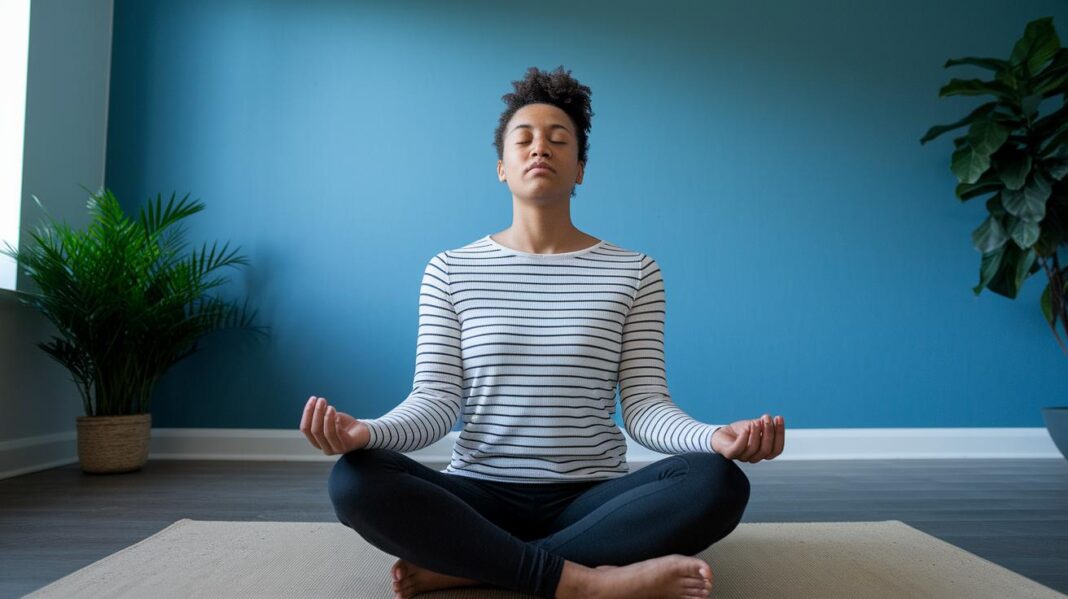
Breathe slowly and gently. Known as coherent breathing, this simple exercise asks you to take about five full breaths per minute, each cycle lasting roughly 12 seconds. It works best when you’re lying down with your eyes closed so you can really focus on the calming rhythm of your breath. Imagine your belly filling up slowly like the tide coming in, then exhale slowly to let go of the day’s worries.
This practice does more than just work your lungs. It helps soothe your mind too. As you breathe in and out, you send a quiet signal to your body that it’s time to relax. With regular practice, each mindful breath becomes a little pause of peace in the middle of a busy day, nurturing you gently back to calm.
Advanced Mindful Inhalation: Alternate Nostril & Lion’s Breath

Alternate Nostril Breathing
This gentle breathing practice, also called nadi shodhana, helps balance your nervous system. Sit comfortably with your back straight, and relax. Using your right hand, gently close your right nostril with your thumb as you slowly breathe in through your left nostril for four seconds. Then, open your right nostril and close your left one with your ring finger, keeping the breath for four seconds. Finally, breathe out through your right nostril for four seconds before switching sides. Picture it like this: "Breathe in slowly on the left, hold, then breathe out on the right." This smooth, alternating pattern guides your thoughts to your breath and brings a calm, steady rhythm to your day.
Lion’s Breath
Lion’s breath is a fun and energizing way to release tension. Sit up straight with your hands comfortably on your knees. Take a deep nasal breath in, then open your mouth wide and exhale forcefully, letting your tongue stick out slightly and making a sound like "ha." Think of it as a powerful way to let go of built-up stress, as if you’re roaring away your worries. Each big breath out helps clear your mind and invites a sense of lightness and focus. It’s a little reminder that you can let go of stress and feel relaxed with every "ha."
Integrating Deep Breathing into Daily Routines for Lasting Benefits
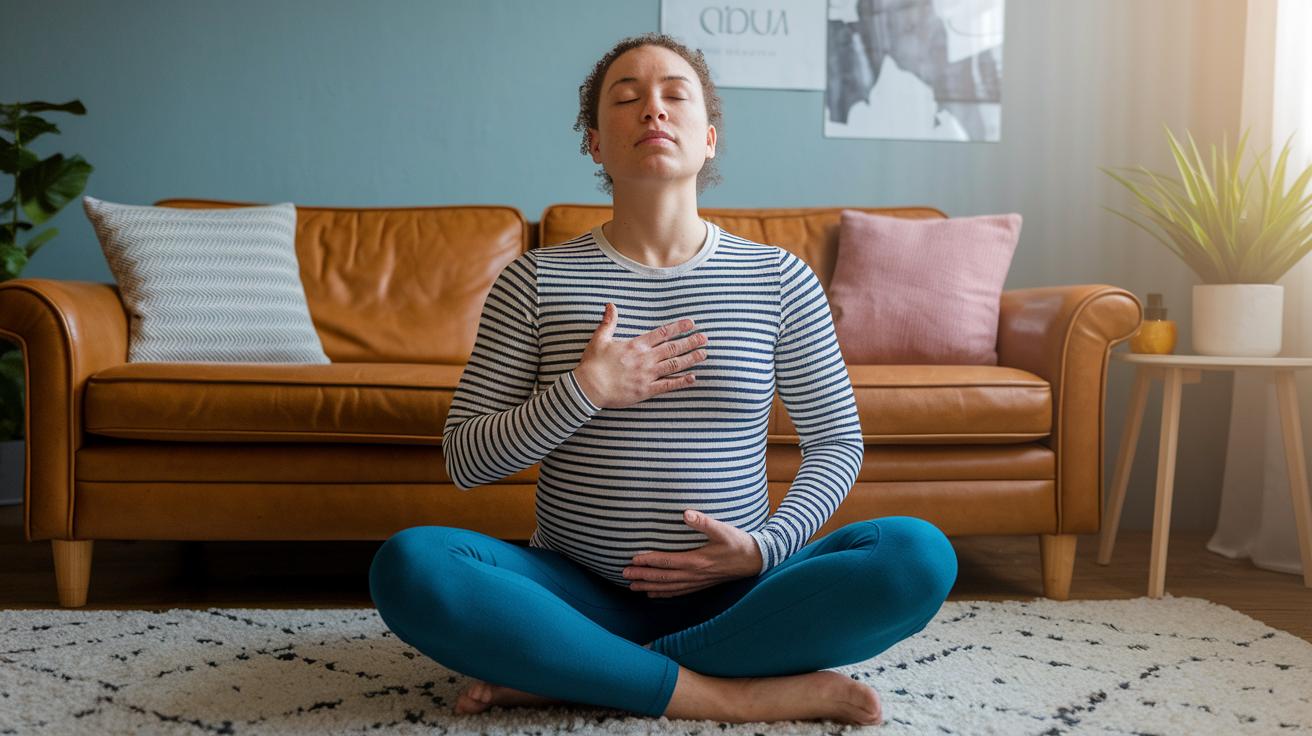
Imagine starting your day with a little deep breathing moment, a mere minute can make a big difference. Try taking three gentle belly breaths: one when you wake up, one at lunch, and one before bed. Rest one hand on your chest and the other on your belly. As you inhale slowly, feel your tummy rise, and gently let any worries drift away with your exhale. You can even say quietly, "I am at peace" to help guide your thoughts.
Even 60 seconds of focused breathing can break the cycle of anxious thoughts. Think about pausing for this mini break during a hectic call or in a calm moment at home. It works like a little reset button, building strength against stress every day. A slow inhale, a short pause, and a mindful breathe out create a soothing rhythm for your mind. With a little practice, these simple breaths can keep you centered and help reduce worries.
For more ideas on managing stress, check out tips for mental wellness.
Managing Panic Attacks with Controlled Respiratory Exercises
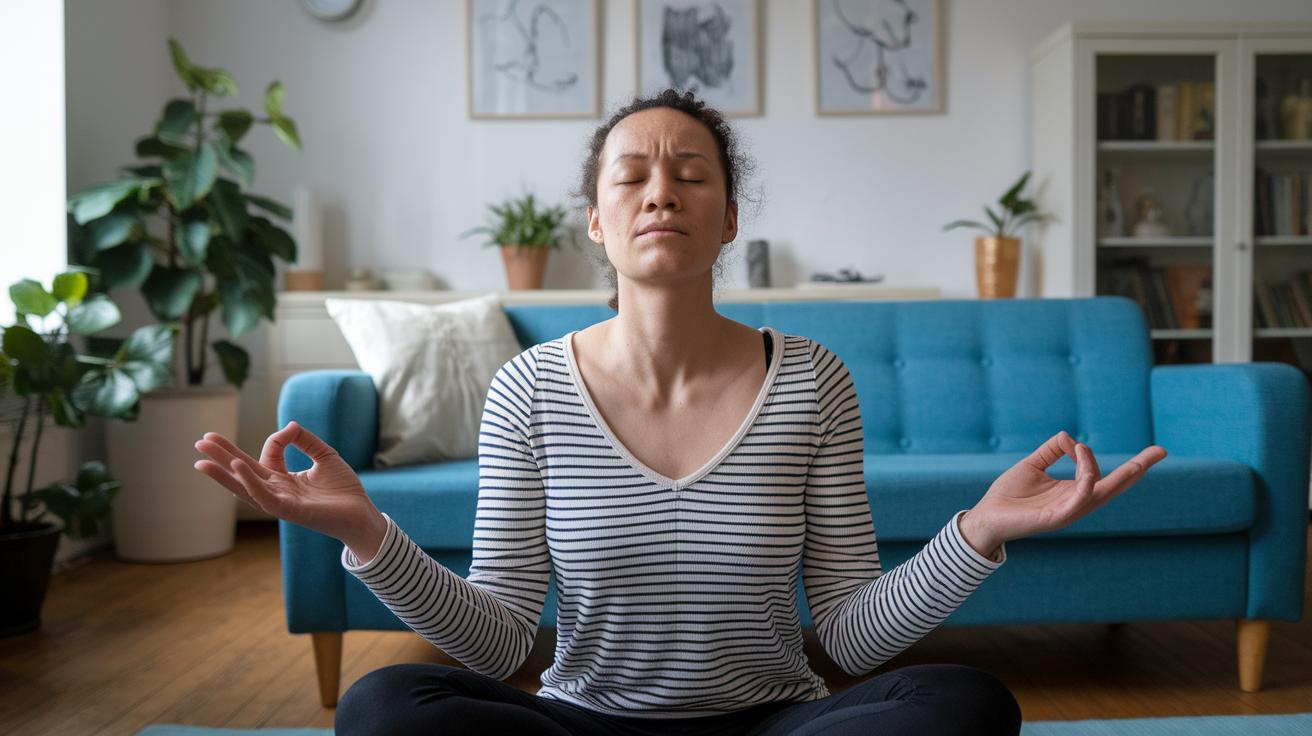
When panic strikes, try the 3-3-3 breathing technique to help calm your body. Simply breathe in slowly for 3 seconds, hold for 3 seconds, and then exhale gently for 3 seconds. Feel your belly rise and fall. Think of each count as a little reset that helps you find your calm.
If you start feeling panic again, repeat the 3-3-3 steps a couple of times. This helps lower the stress hormones in your body and eases the tension. Just focus on each slow, steady breath, and allow yourself a moment to relax and find balance.
Final Words
In the action, we took a close look at step-by-step deep breathing techniques designed to ease anxiety. We explored practical methods like the box, 4-7-8, and rhythmic breathing patterns that help calm your mind and body. Small shifts in how you breathe, like proper hand placement and extended exhalations, can make a big difference. By fitting mini deep breath sessions into your routine, you can manage stress and encourage a more balanced mood. Remember, deep breathing for anxiety can be a simple tool for lasting well-being.
FAQ
Where can I find helpful deep breathing videos on YouTube for anxiety?
Deep breathing videos on YouTube show step-by-step guides with clear hand placement and timing tips, helping you learn techniques that calm your body and mind effectively.
What is the 4-7-8 breathing technique for anxiety?
The 4-7-8 breathing technique helps lower anxiety by guiding you to inhale for 4 seconds, hold for 7 seconds, and exhale for 8 seconds, encouraging full diaphragm air intake for calm.
How do deep breathing techniques help with anxiety and panic attacks?
Deep breathing techniques work by shifting your body from a fight-or-flight mode to a relaxation response, which lowers heart rate and soothes the symptoms of panic.
Do some worry that deep breathing might worsen anxiety?
Concerns about deep breathing making anxiety worse are common, but proper diaphragmatic breathing usually relieves tension and helps stabilize your mood.
What breathing exercises can help during an anxiety attack, especially the 3-3-3 rule?
The 3-3-3 rule means inhaling for 3 seconds, holding for 3 seconds, and exhaling for 3 seconds, a technique that resets your breathing pattern and restores a sense of calm.
Can deep breathing cure anxiety?
Deep breathing doesn’t cure anxiety entirely, but regular practice shifts your body toward a relaxation response and helps manage stress more effectively over time.
How can deep breathing help you calm down from anxiety?
Deep breathing calms you by slowing your heart rate and focusing your mind on steady, controlled breaths, which interrupts anxious thoughts and brings a sense of balance.