
Have you ever felt a lingering sadness after having your baby and wondered if it might be more than just a little down feeling? It could be postpartum depression, a serious mood disorder that goes beyond ordinary tiredness or worry. Studies tell us that about one out of every seven new moms might feel this deep sadness, making it really tough to care for both themselves and their little ones.
In this article, I want to walk you through what postpartum depression is all about, why it happens and how it can change everyday moments for moms. Let’s break it down together and find some understanding.
Defining postpartum depression and its clinical overview

Postpartum depression isn’t just a touch of sadness after having a baby, it’s a real mood disorder that can leave you feeling extremely sad, anxious, and tired. It makes everyday tasks, like taking care of yourself and your little one, feel much harder than they should. This isn’t just a normal response to a new baby; it’s an important health issue that needs genuine care and support.
Research shows that about 10% of new moms experience these deep feelings, with one study suggesting nearly one in seven moms face postpartum depression. Think about that: almost one out of every seven new parents might be dealing with more than just the usual baby blues. And honestly, the numbers could be even higher since many moms don’t always report how they’re really feeling.
Usually, signs of postpartum depression start in the first few weeks after birth, but sometimes they appear as late as six months after, as long as the feelings last for two straight weeks. Moms might notice they feel persistently low, lose interest in activities they once loved, or feel overwhelmingly exhausted. Recognizing these signs is the first step in understanding how much this condition can impact families and why it’s so important to offer support.
Identifying postpartum depression symptoms and differentiating from baby blues
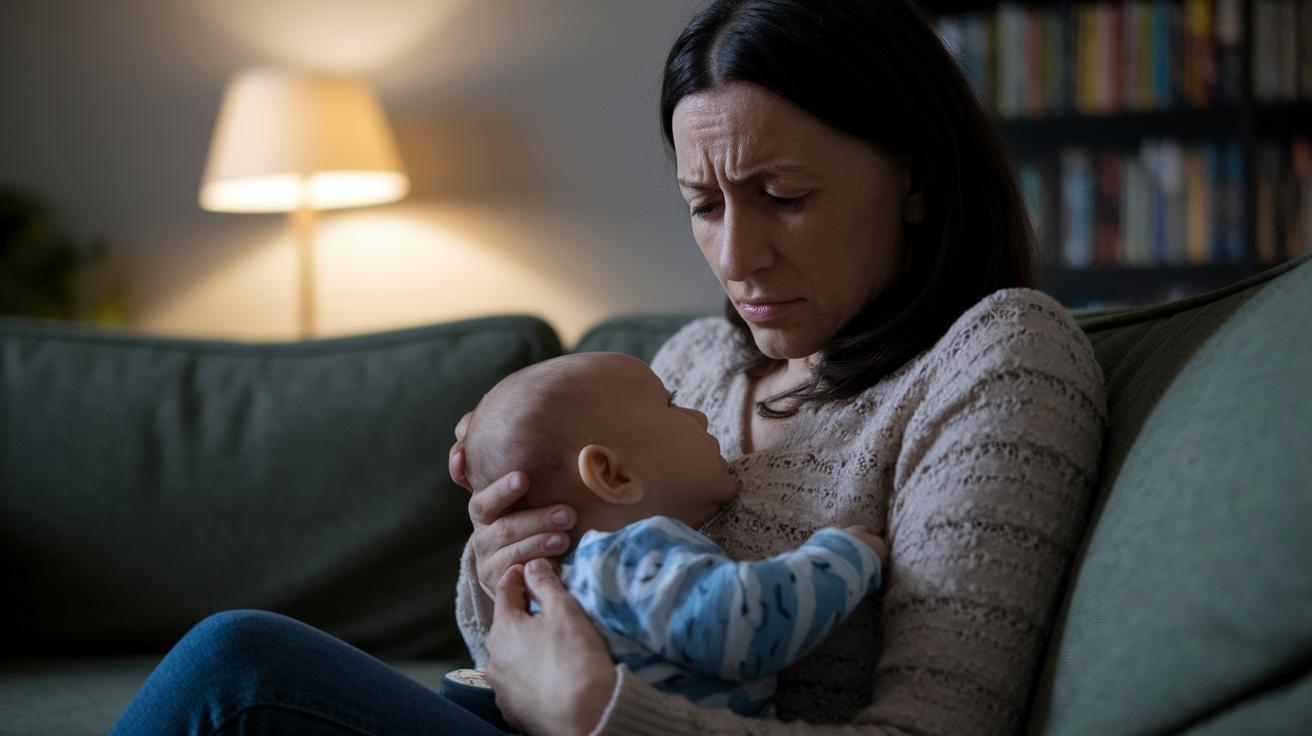
When a mom struggles with postpartum depression, the feelings go far beyond those quick, normal baby blues. It might help to keep a few clear signs in mind. For example, you might notice a mood that stays low and doesn’t lift even with time, or sudden mood swings that make everyday moments feel uncertain. Other signs include feeling hopeless, losing interest in your favorite activities, eating too much or too little, trouble sleeping (or sleeping too much), and even strong anxiety that might lead to thoughts of self-harm or worrying about your baby.
Remember, baby blues are very common, affecting up to 80 percent of moms and usually easing off in about two weeks. But postpartum depression sticks around much longer and affects your day-to-day life. Have you ever said, "I thought feeling a bit down was normal, but these heavy feelings have lasted over a month”? That kind of statement clearly shows the difference between a fleeting baby blues and a more serious condition that needs care. Recognizing these signs early can guide you to the right support and treatment, ensuring you get the understanding and care you deserve.
Exploring biological, emotional, and lifestyle risk factors for postpartum depression

After having a baby, moms go through so many changes that can make them more likely to feel down afterward. The body’s hormones shift very quickly, and that can stir up your mood, making it hard for your body to settle in. If depression has touched your family or you’ve felt it before, you might find these changes even tougher. And then there are everyday worries, questions about baby care, relationship bumps, and keeping up with daily tasks. Not to mention the sleep problems and constant exhaustion from newborn care, which can really add to the challenge.
Here are the top five things that can increase the risk:
- Rapid hormonal changes – After birth, your hormones can swing quickly, leaving your mood unsettled.
- Genetic predisposition – If depression runs in your family, you might be more at risk for feeling low.
- Sleep disruption – Constant wake-ups with a little one can drain your energy and make it hard to bounce back.
- Emotional stress – Ongoing worries about your baby or family issues can create an overwhelming amount of stress.
- Lifestyle challenges – With new routines and less support, both your body and mind can feel extra strained.
These factors often work together, making everything seem even more challenging. By understanding that sudden hormone changes, family history, sleep issues, emotional stress, and lifestyle adjustments all play a part, you can start to see why early support is so important. Have you ever noticed how recognizing one challenge can sometimes help lighten the load? Knowing these risks can help you and your loved ones take steps to seek the help you need during this sensitive time.
Diagnostic criteria and screening methods for postpartum depression

Clinical evaluation
When a new mom meets with her healthcare provider, a warm, in-person check is very important. The provider takes a careful look at her medical history, does a quick physical exam, and chat about how she’s been feeling to make sure nothing else is going on. They listen to see if these tough feelings have lasted for at least two weeks and if they make everyday tasks, like feeding her baby or even taking a short nap, really hard. For example, a mom might say, "I’m just too exhausted and down to even catch a quick nap," which helps the provider understand that these feelings might be more than just the usual baby blues.
Screening questionnaires
Along with the friendly conversation, providers also use simple questionnaires to learn more. A common one is the Edinburgh Postnatal Depression Scale (EPDS). This tool asks how often certain feelings or behaviors have come up, making it easier to see how much these symptoms affect the mom. Usually, this survey is given during a routine checkup, around six weeks after childbirth, so any early signs can be caught quickly. The clear scoring system shows the provider if more help or follow-up might be needed, opening the door to an honest talk about mental health and support options.
Overview of treatment options for postpartum depression

Many moms feel a sense of relief when they talk about their struggles during postpartum depression. Talk therapies, like cognitive behavioral therapy (CBT) which gently shifts unhelpful thoughts, and interpersonal therapy which builds nurturing, supportive bonds, offer a safe space to share feelings. One mom even shared, "Talking about my worries slowly lifted a weight off my shoulders." These conversations not only bring comfort but also provide real tools for managing life's ups and downs.
Medications can also be a helpful part of treatment, especially when paired with therapy. Doctors often turn to antidepressants like SSRIs and SNRIs to help balance mood. They pay close attention to the needs of breastfeeding moms to choose the best medicine and dose. When therapy and medication work in sync, many women find that both the emotional and physical challenges of postpartum depression become easier to bear, making the journey to healing feel much more possible.
Building support networks and resources for postpartum depression

Having a caring circle of partners, family, and friends can really make a difference when you’re dealing with postpartum depression. When a mom feels supported, she isn’t as alone with those heavy emotions. Remember that warm hug or kind word that lifted your spirits? It works the same way. Many moms find that sharing their stories with someone who really gets it can turn a rough day around. One mom shared, "I felt less alone when my family helped with baby care and truly listened." It’s these sincere moments that remind us how much a little extra care can ease everyday challenges.
Look for local mom groups, community programs, or online forums where you can connect with others who understand what you’re going through. These spaces offer practical tips and shared ways of coping while giving you a chance to laugh and learn together. You can usually find community programs on trusted sites like mental wellness for mothers. And don’t forget, asking your partner to help out with baby care and daily tasks can bring comfort, making recovery feel real and within reach.
what is postpartum depression: Clear Insight

Taking a moment for yourself can really change the way you feel during postpartum recovery. Even a gentle walk outside or trying a simple yoga routine can lift your mood and give you a little extra pep in your step. Imagine a friendly stroll down your street with the fresh air reminding you that taking care of yourself is a loving act.
Good food also plays a big part. Choosing meals with omega-3s, protein, and B vitamins (the nutrients that help balance your body) can keep your hormones happy and support how you feel. And when you set up a simple sleep plan, maybe splitting baby care into set times and cutting back on caffeine, you might start noticing that your tiredness and mood shifts begin to ease.
Mixing little self-care habits into your day can really empower you, even while you’re working with a health professional. Try starting your morning with a few minutes of stretching, and follow it up with a light, healthy snack to keep your energy steady. You could even check out some mental wellness apps found on sites for women’s wellness; they help with guided mindfulness exercises and mood tracking so you can see your progress.
By weaving these small, caring actions into your routine, whether that’s moving a bit more, choosing nourishing food, or getting better rest, you can find more balance and feel stronger as you handle the ups and downs of postpartum recovery.
Final Words
In the action, we explored what is postpartum depression, from its clinical overview to its telltale signs and risk factors. We shared treatment options, screening methods, and practical self-care tips that support day-to-day wellness. The discussion highlighted community support and expert insights, a reminder that every mom can feel empowered through challenges. Each part of our guide offers real steps for staying well and connected. Keep your head high; every small step lights a path toward brighter days.
FAQ
How do you fix postpartum depression?
The way to fix postpartum depression is by seeking help from a doctor, engaging in therapy, considering medication if needed, and leaning on community support. Working with professionals provides a strong path to recovery.
What does postpartum depression feel like?
The experience of postpartum depression feels like constant sadness, anxiety, and deep exhaustion. It can make everyday tasks seem overwhelming and strip away the joy in activities you once loved.
What causes postpartum depression?
The causes of postpartum depression include rapid shifts in hormones after birth, personal or family history of depression, sleep loss from caring for a newborn, and emotional stresses that can weigh you down.
How long is postpartum depression?
The duration of postpartum depression varies; it typically lasts longer than the brief baby blues. For some, symptoms can continue for weeks or months, stressing the importance of timely treatment and support.