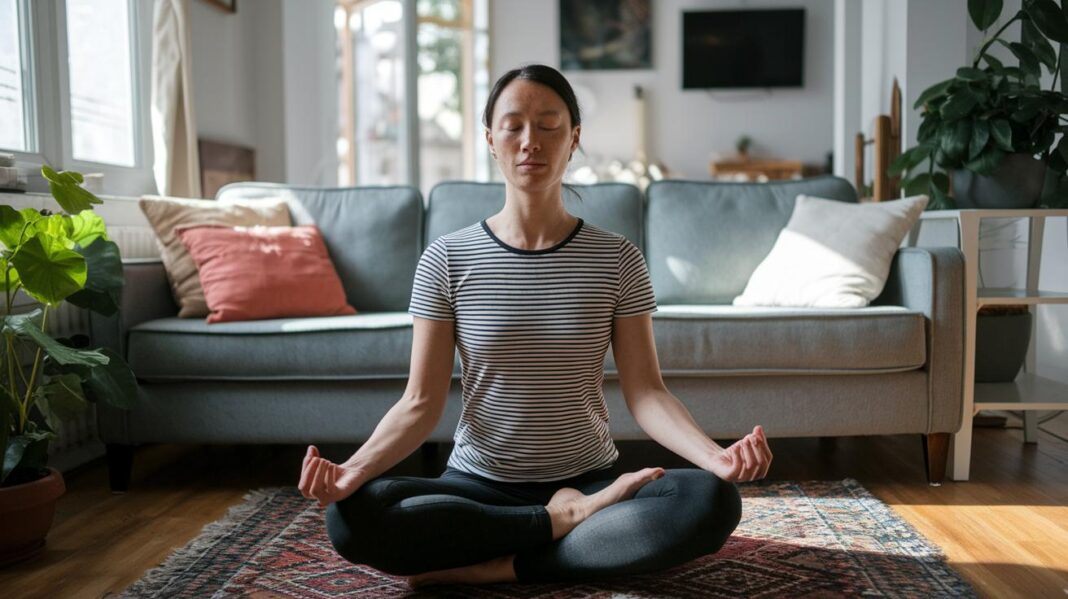
Ever feel like your thoughts are spinning too fast? When your mind races, try a simple grounding technique. Focus on something you can see, touch, or hear. Maybe run your hand under cool water and really feel that chill.
It might feel odd that a small, mindful shift can tap the brakes on anxiety. But these little moments are like a gentle reset for your day.
Today, let’s chat about some easy ways to help you slow down, find calm, and enjoy the simple comfort of now.
grounding techniques for anxiety: Embrace Calm Today
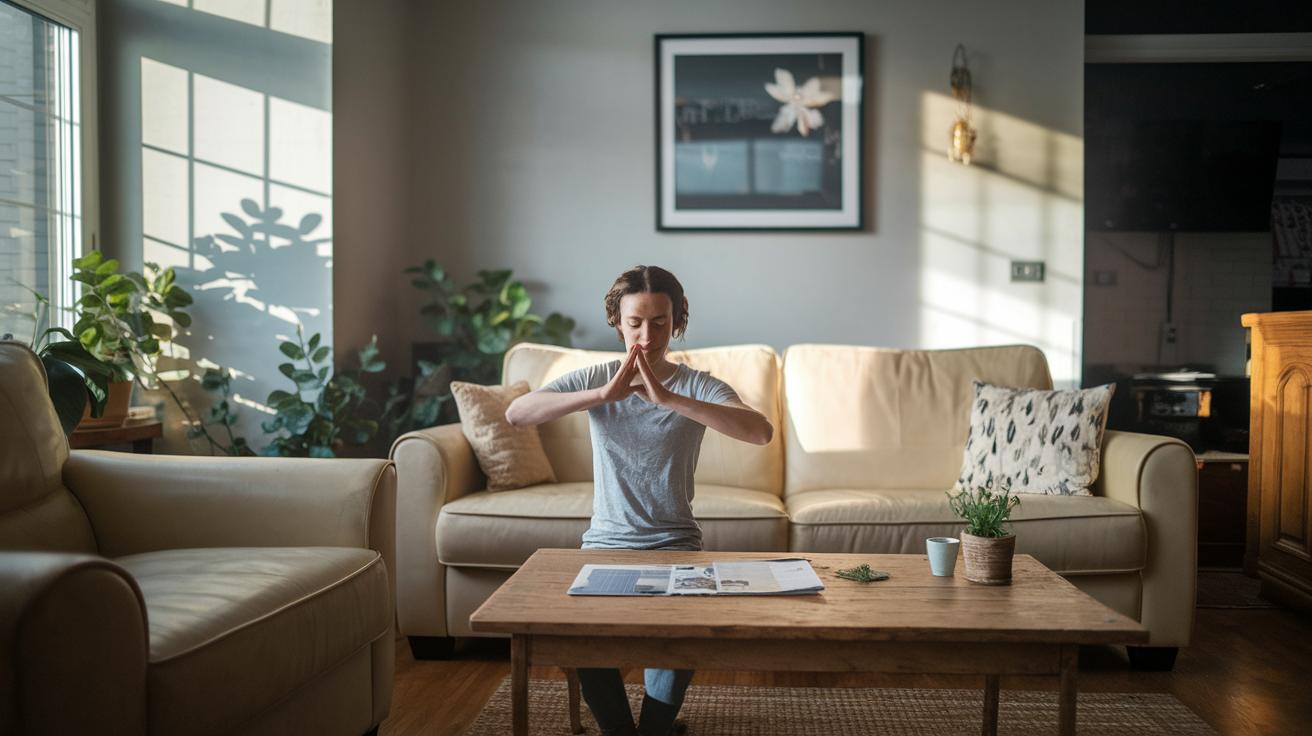
Grounding techniques are gentle ways to help you leave behind worries about what happened or what might come, and instead, settle into this moment. They work by guiding your focus to what you can see, touch, or hear right now. You might try listing five things you see, four things you feel, and three things you hear. Saying "Here and now" can be your little reminder that you're safe in the present. It’s like a mini reset that brings you closer to your everyday surroundings.
Noticing sensory details can really calm both your mind and body. When you focus on something simple, like feeling cool water on your hands or the texture of a smooth surface, your racing thoughts can slow down, and the tension in your muscles might start to ease. Imagine a friend softly saying, "Feel that coolness bring a moment of peace." This shift in focus helps tap into your body’s natural way of calming down. Later on, we'll share more easy exercises that mix these ideas to help brighten your day.
Physical Grounding Techniques for Anxiety Management

Physical grounding techniques help you use your senses to feel more at home in your body. They ask you to notice simple things, like feeling cool water on your hand or the smooth surface of an object. Imagine slowly clenching your fists and then releasing them, really tuning in to the changes you feel. You might even try this little experiment: hold a cool glass of water and feel how the chill wakes up your skin. These simple movements can help shift your attention away from anxious thoughts and bring you back to the now.
| Technique | How to Do | Sense Engaged |
|---|---|---|
| 5-4-3-2-1 Method | List sensory items to shift focus | All senses |
| Temperature Focus | Run water over your hand and feel the change | Touch |
| Texture Touch | Describe an object’s texture, weight, and color | Touch and sight |
| Grounding Walk | Count steps while paying attention to muscle sensations | Body awareness |
These simple, hands-on exercises can quickly ease anxiety by breaking the cycle of worrisome thoughts. They give you an easy, fast way to bring some calm into your day and help you stay connected to the real, tangible world around you.
Mental Grounding Strategies to Curb Anxiety

When anxious thoughts start racing through your mind, try shifting your focus by doing a small mental task. These grounding exercises help you pay attention to one thing, breaking the cycle of worry and gently bringing you back to the here and now. For example, you might picture a favorite memory in detail or sort familiar objects into groups. Imagine flipping through a photo album where every picture sparks a happy recollection and eases your stress. Here are some friendly ideas to try:
- Memory Game with Photos
- Sorting Items by Type
- Solving Easy Math Problems
- Reciting a Familiar Poem or Song
- Repeating a Personal Calming Mantra
These simple techniques can be a real help when worries seem to spiral or when a wave of panic is on the way. You can try them in a quiet corner of your home or during a short break in your busy day. By focusing on a small, clear task, you give your mind the chance to pause and find calm and control again.
Mindful Grounding Practices for Ongoing Anxiety Support
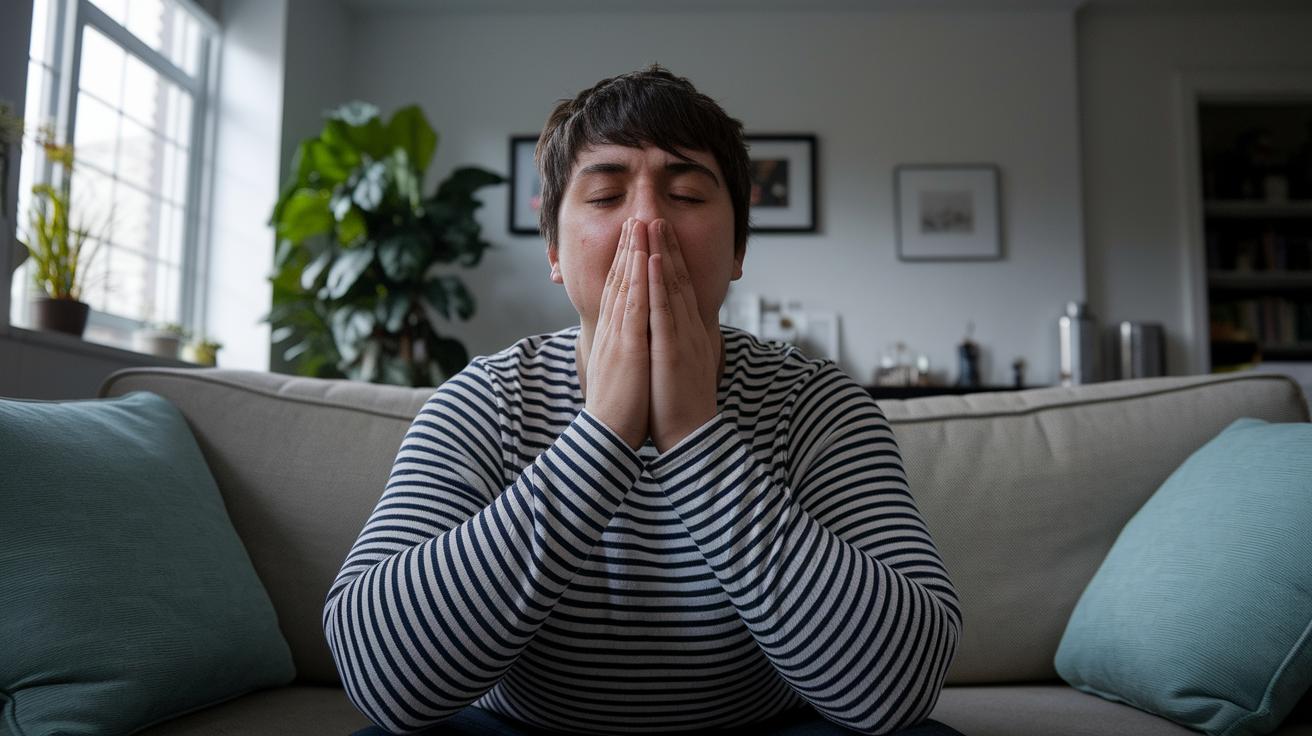
Mindful grounding is a gentle way to bring your focus back to the here and now. It helps set aside those swirling thoughts so you can feel a bit more calm. Imagine taking a moment to really listen to your breath and notice how your body feels; it's like giving yourself a caring hug in the midst of anxiety.
One easy method is to breathe slowly. Inhale deeply through your nose, thinking "in," and exhale gently out your mouth while saying "out." Counting your breaths can really help steer your mind away from worry. This slow, rhythmic breathing is like a little reset button that eases tension in your body.
Another helpful tip is to do a simple body scan or follow a short guided meditation. Start at your head and slowly move down to your toes. Notice any tight spots and imagine them relaxing as you breathe. As you listen to a calming voice or your own thoughts, you can let go of stress and feel more connected to each part of yourself. This practice gently reminds you that you deserve moments of peace throughout your day.
Creative and Sensory Grounding Techniques for Anxiety

Sometimes when anxiety creeps in, it helps to try a little creative fun. You can start with something simple like drawing or coloring. It’s a gentle way to pull yourself into the present, turning worry into a calm, focused moment.
Another soothing trick is to savor your favorite food or drink. Really take a moment to notice its taste and smell, like enjoying a small, comforting treat that brings you right back to the now. And if you have a song you love, listen closely to its soft melody; it can feel like a mini escape from stress.
It also helps to lean on what feels safe. Spend a little extra time with your pet, feeling its soft fur or listening to its quiet purr, or hold a cherished object that makes you feel secure. You might even jot down a few positive things about your day. Each of these small acts can transform anxious moments into opportunities for gentle self-care.
Building Routine Grounding Practices to Prevent Anxiety Spikes

Try setting aside just 5 to 10 minutes each day for a little grounding break. This small window can really help you feel steady and calm, almost like hitting a reset button. It’s like giving yourself a little peaceful pause in the middle of a busy day. Have you ever noticed how a brief moment of deep breathing can make everything feel a bit more manageable?
Picture taking a short break in the morning or right after lunch. In those minutes, focus on your breath or simply notice a small feeling in your body. By doing this every day, you create a comforting routine that can help you catch panic before it fully sneaks in.
You might find it helpful to use simple tools to remind you. Maybe set a gentle alarm on your phone that says, "Take 5 minutes to breathe and refocus." Some moms even like to jot down a note or keep a small checklist to mark off each day. In time, these small sessions build a stronger, calmer mindset that helps you face anxious moments with a little extra strength.
Evidence-Based Grounding Methods and Benefits for Anxiety

Have you ever felt that your heart races when anxiety takes over? Many trusted clinicians gently guide people toward grounding exercises to help shift focus away from overwhelming memories and anxious thoughts. These techniques can bring quick relief, even though large studies are still on the way.
In DBT, grounding is used as a way to ease distress so you can stay in the now. Trauma-informed approaches do something similar, giving you a choice of simple, safe steps to feel more secure. It’s all about picking what feels right, so you can sense safety and even a little bit of power in tough moments.
Many moms and families notice that grounding helps slow down a racing heartbeat and clear the mind. It’s like a soothing pause for both your body and your thoughts, a gentle reminder to stay in the moment when those heavy, anxious feelings start to build.
Final Words
In the action, we explored grounding techniques for anxiety that bring you right back into the present moment. We uncovered core methods, hands-on physical steps like the 5-4-3-2-1 method, mental exercises, mindful breathing, and creative ways to soothe stress.
Each strategy offers a calming pause in everyday life, supported by evidence-based insights. Practice these techniques, and let every moment remind you that calm and clarity are just a few mindful steps away.
FAQ
How do grounding techniques help manage anxiety?
Grounding techniques help manage anxiety by shifting your focus to the present moment, easing overwhelming thoughts and calming your nervous system.
What is the 5 things grounding technique for anxiety?
The 5 things grounding technique for anxiety uses your senses by having you name five things you see to anchor your thoughts and bring you back to the present.
What is the 3 3 3 rule for anxiety?
The 3 3 3 rule for anxiety involves recognizing three things you see, three things you hear, and three things you can feel, which quickly calms your mind.
How can grounding techniques provide quick relief from anxiety?
Grounding techniques offer quick relief by directing your attention to physical sensations or simple mental tasks, interrupting anxious thoughts and easing stress fast.
Where can I find free grounding techniques for anxiety guides?
Free guides and PDFs with grounding techniques for anxiety can be found online on trusted therapy websites that share practical, proven methods to ease anxiety.
What are some popular grounding techniques for managing anxiety?
Popular grounding techniques include sensory exercises like the 5-4-3-2-1 method, physical practices such as a grounding walk, and mental tasks like reciting familiar words to stay present.
How do creative grounding techniques help with anxiety?
Creative grounding techniques help by engaging your senses through activities like savoring food, listening to music, or coloring, which gently distract and center your mind in the now.