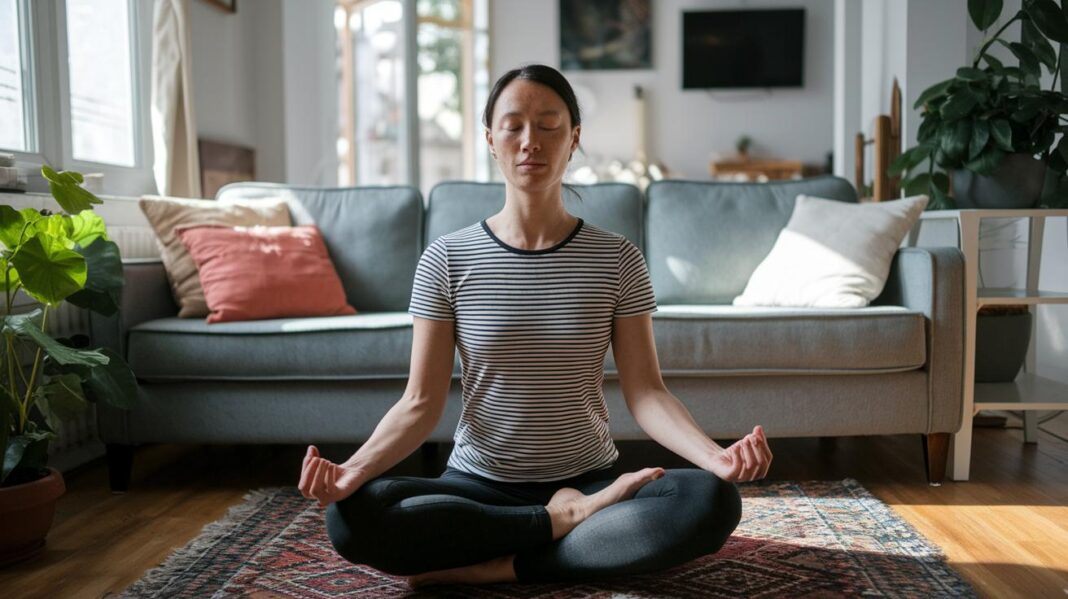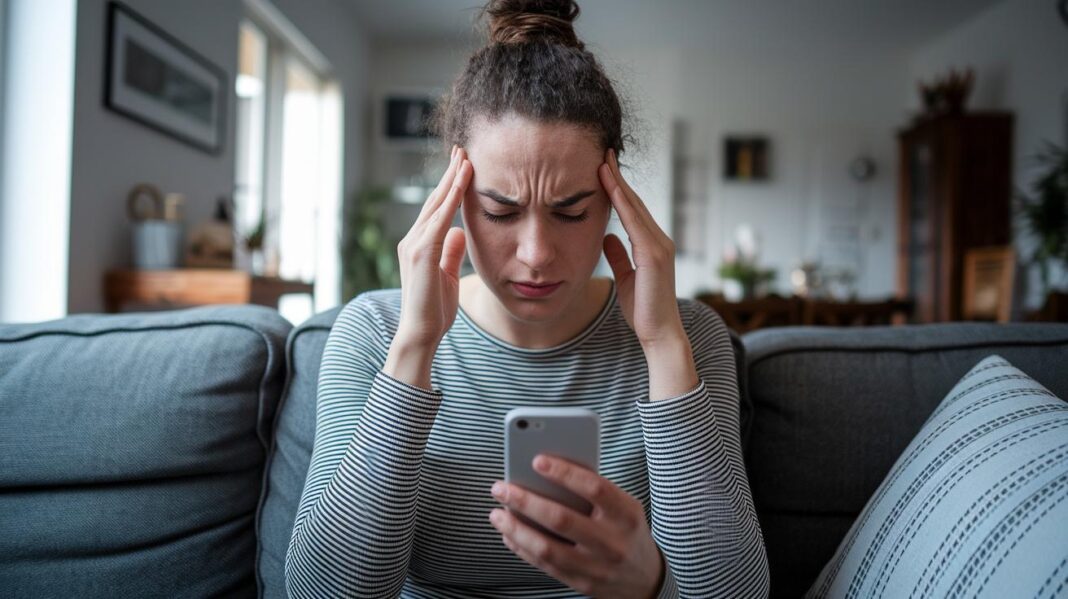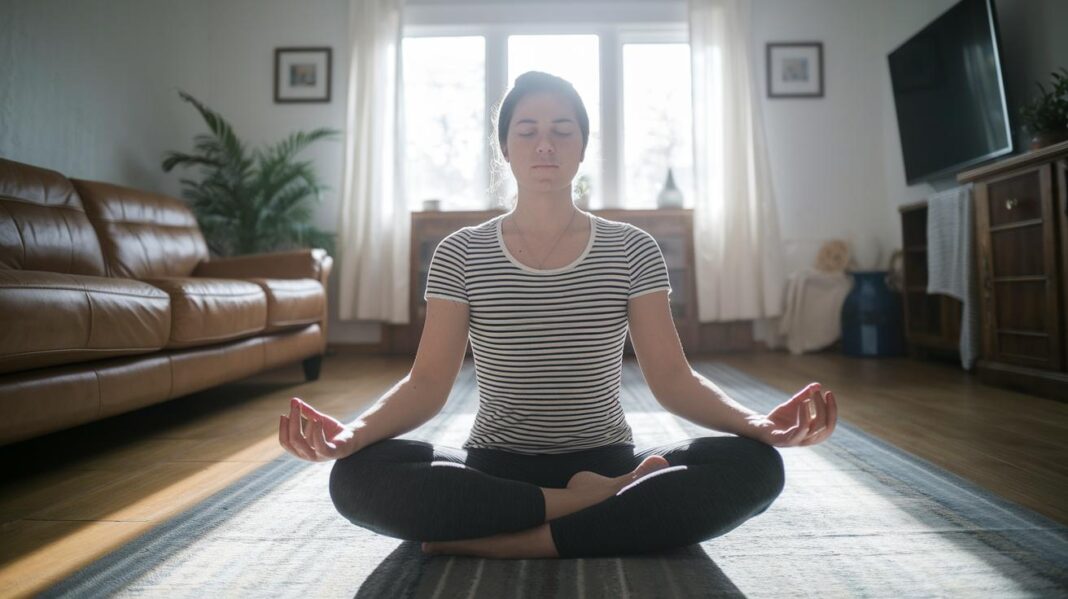
Have you ever wondered if one peaceful moment could really change your day? Sometimes life moves so fast that we feel overwhelmed and anxious.
I tried mindful breathing and muscle relaxation (a way to help loosen tight muscles) when I needed a break from the chaos. Imagine taking slow, deep breaths and feeling the tension melt away. It’s like giving your mind a little hug.
These easy, calming techniques help lower stress and bring balance to a hectic day. They gently pull you from the rush into the comfort of now.
So next time you feel overwhelmed, why not pause for a moment? A single deep breath might be all it takes to turn chaos into calm.
Essential Mindfulness and Relaxation Techniques for Anxiety Relief
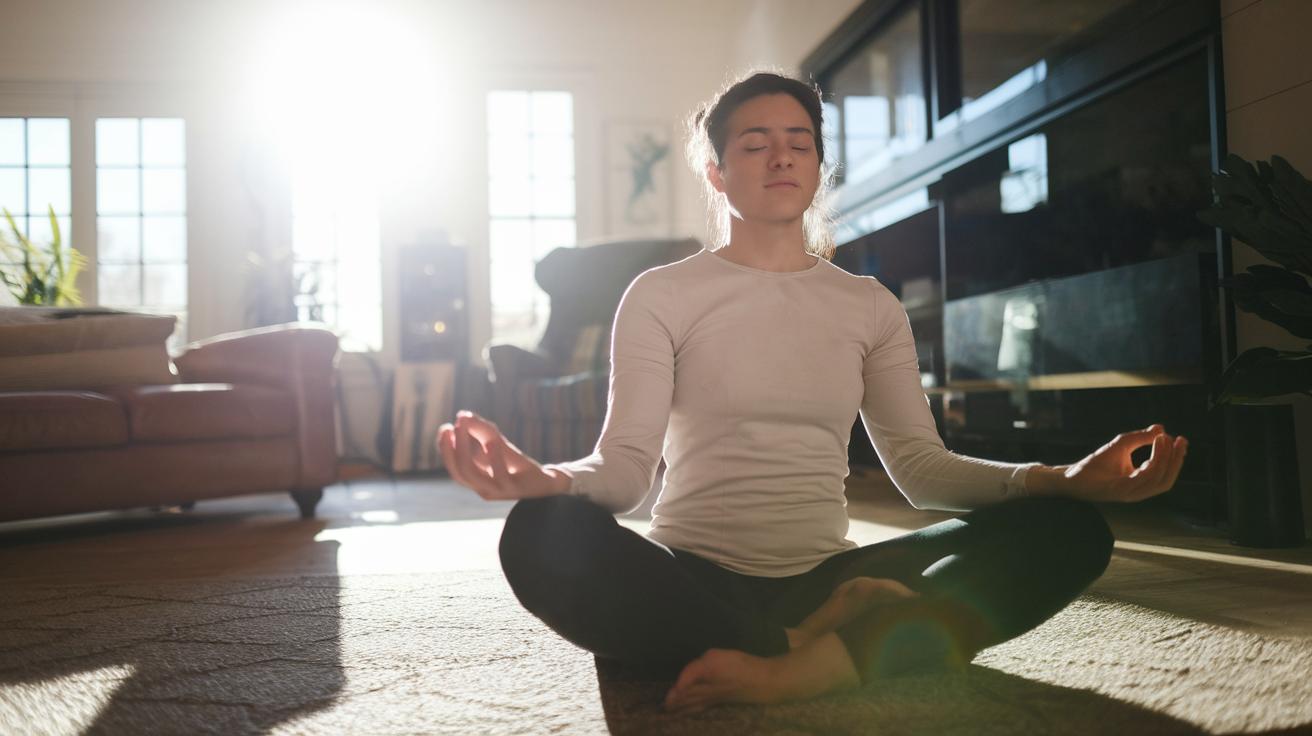
Mindfulness and relaxation practices are gentle ways to calm your busy mind and ease anxious feelings. They help you stay in the here and now, whether that means focusing on each breath or noticing how your body feels, so you can let go of worries about the past or future.
Studies show these techniques can lower stress hormones and help manage your emotions. When you take a few moments for mindfulness, you may find your tension easing and your mood becoming more balanced. It’s a natural way to reduce constant worry and irritability while bringing a steady sense of calm to everyday life.
- Focused breathing: This simple practice helps ground you by paying careful attention to each breath in and out.
- Body scan: By gently noticing areas of your body, you can release hidden tension.
- Progressive muscle relaxation: Tense your muscles and then let them go, which can ease physical stress.
- Guided imagery: Picture a peaceful scene to help shift your focus from anxious thoughts.
- Mindful walking: Combine gentle movement with being aware of each step to clear your mind.
- Journaling: Writing down your feelings can help you organize your thoughts and reduce anxiety.
Soon, you’ll see step-by-step instructions for each of these techniques, complete with easy examples and everyday tips. These guides are designed to help you build a regular routine that nurtures calm and supports your overall mental wellness.
Further Reading: Strategies for Mental Wellness – https://womensconference.org?p=15687
Mindfulness Breathing Exercises to Reduce Anxiety

When you focus on your breath, you tap into your body’s natural way to relax. It’s amazing how a few deep breaths can slow your heart and ease away stress. Have you ever noticed that just a moment of calm can help take your mind off worries?
-
4-7-8 Breathing
- Sit in a comfy spot and close your eyes.
- Breathe in slowly through your nose for 4 seconds.
- Hold that breath for 7 seconds.
- Gently exhale through your mouth for 8 seconds.
- Repeat these steps a few times until you feel a bit more at ease.
-
Box Breathing
- Sit up straight and let your shoulders relax.
- Slowly breathe in through your nose for 4 seconds.
- Hold your breath for another 4 seconds.
- Exhale slowly for 4 seconds.
- Hold again for 4 seconds before starting over.
-
Diaphragmatic Breathing
- Sit or lie down in a quiet place and gently place one hand on your belly.
- Take a deep breath in through your nose, feeling your belly rise under your hand.
- Slowly exhale and notice your belly fall.
- Keep this steady rhythm until you feel calm.
Try these simple exercises during your busy day or whenever things feel overwhelming. They’re a quick way to hit the reset button and invite a little more calm into your life.
Progressive Muscle Relaxation Techniques for Anxiety Release

Progressive muscle relaxation is a gentle way to help your body and mind feel calm. It works by having you squeeze and then ease your muscles, which can quiet that busy fight-or-flight feeling. It’s a simple method to help lessen physical tension and bring back a sense of calm.
Start at your feet. Firmly squeeze your foot muscles for about 5 to 10 seconds, then slowly let go. Notice the contrast between that tight feeling and the softness when you release. Next, take a moment with your calves, tighten them up, then slowly relax. This careful practice helps ease muscle strain and can lower stress, setting the stage for overall relaxation.
Now shift your focus to your thighs, shoulders, and face. Tighten your thigh muscles, hold them briefly, and then allow the tension to melt away. Do the same with your shoulders, squeeze for a few seconds and then let them drop. Finally, scrunch up your facial muscles, then relax completely. Watch as each area gently softens, helping you feel more aware of your body and easing those anxious thoughts.
Try to fit in this relaxing routine during quiet times, like before bed or during a little break in your day. A few minutes of this practice each day can help lower your muscle tension and bring more peace to your busy life.
Guided Imagery and Body Scan Mindfulness for Anxiety

Imagine tuning into the gentle details around you, the soft sound of wind, the fresh smell of rain, as you let your mind settle away from worries. This simple sensory grounding helps shift your focus from anxious thoughts to calm and soothing sights and sounds.
A body scan is a little journey through your very own feelings. It invites you to notice every little sensation in your body. As you gently pay attention to areas that feel tight or heavy, you simply observe without trying to change anything. This calm observation can really help ease the tension in your heart and mind.
Body Scan Method
Picture spending about 10 minutes slowly moving your focus from your toes all the way up to the top of your head. As you move, notice each sensation, whether it’s a gentle warmth or a tiny itch, without judging or altering it. With every deep breath, allow any tightness to soften a bit. It’s like letting go of little bundles of worry so you can feel more balanced.
Guided Imagery Practice
Now, close your eyes and picture a peaceful scene that makes you feel safe. Maybe it’s a quiet lake at sunrise or a soft, winding forest path. Focus on the soft light, the rustle of the leaves, and that cool, gentle breeze on your skin. If your mind wanders, it’s okay, just bring it back to that calming scene as if you’re seeing it anew. Sometimes, using a simple audio script or an app can help guide you through this soothing practice.
Take your time with these practices, and allow yourself the chance to relax and rebuild a sense of calm.
Rapid Relaxation Practices for Instant Anxiety Ease

Even a tiny mindful pause can break the cycle of anxious thoughts. A quick micro-break, even for just 30 seconds, can help restore your balance and ease built-up tension.
Give the 5-4-3-2-1 method a try. Start by looking around and naming five things you see. Then, feel four things you can touch. Next, listen carefully as you identify three sounds, notice two smells, and finally, recognize one taste. This simple exercise gently shifts your focus away from stress.
Next, why not step outside or find a quiet corner for a mindful one-minute walk? Feel your feet connecting with the ground and notice the soft rhythm of every step, each one a small reminder of calm.
Finally, take a quick moment for a deep breath. Close your eyes, breathe in slowly, and feel the cool air as you exhale. This little pause can clear your mind and bring you a sense of peace.
These easy techniques are perfect for those busy moments at work or any time you need immediate calm.
Integrating Mindfulness and Relaxation for Long-Term Anxiety Management

Adding mindfulness and gentle relaxation to your day can be easier than you might think. Try fitting it into your routine like stacking little habits. For example, you could do a quick mindful breathing exercise right before your morning coffee or while you unwind in the evening. A few mindful moments here and there can help ease your stress and create a cozy, inner calm that lasts through tough times.
It might be helpful to set a timer or jot down a note in your journal a few times a day as a reminder to pause and reconnect with your peace. After you take these pauses, writing out how you feel can show you little stress patterns and help you adjust your routine for even better calm.
Many moms find guided sessions really supportive. Apps like Headspace, Breathe2Relax, and Anxiety Solution layout clear steps and exercises to build that mindfulness habit, almost like having a friendly coach at your side. And if you’re looking for more ideas to keep things fresh, check out the Daily mental wellness routines link for a mix-and-match of exercises that fit right into your lifestyle.
Sometimes, if you feel stuck or the stress seems too heavy, it can be really helpful to get extra support. When mindfulness feels hard or anxiety starts to mess with your day, talking with a therapist or joining a caring group might be just the boost you need. Mixing your own practice with guidance from a professional can build lasting strength, so you feel more in charge and calm no matter what comes your way.
Final Words
In the action of using mindfulness and relaxation techniques for anxiety, we explored simple yet powerful practices. We looked at mindful breathing, progressive muscle release, guided imagery, and quick reset methods, all ways to lower stress and bring calm.
These practices help shift focus away from worry and support everyday well-being. With regular mindful moments and simple exercises, you can feel more at ease and supported. Keep trying these techniques and enjoy a more relaxed, confident day.
FAQ
Where can I find PDF resources on mindfulness exercises and relaxation techniques for anxiety?
PDF resources compile clear instructions on mindfulness exercises and relaxation techniques for easing anxiety. They cover simple practices like focused breathing and body scanning to help bring calm and balance.
What are some quick relaxation techniques for stress and anxiety?
Quick relaxation techniques provide fast relief through short breathing exercises and sensory grounding methods. They help shift your focus quickly from stress to a calmer, more centered state.
What relaxation techniques are commonly used in Psychology for anxiety?
In Psychology, common relaxation techniques include mindful breathing, progressive muscle relaxation, and guided imagery. These practices support reduced stress and encourage clear, calm thinking.
How do mindfulness exercises for adults help with anxiety?
Mindfulness exercises for adults foster greater self-awareness and help manage anxious thoughts. Through practices like journaling and mindful walking, they gently guide your focus to the present.
What are mindfulness techniques for anxiety relief?
Mindfulness techniques for anxiety relief focus on anchoring your attention on the breath or body sensations. These practices interrupt anxious thoughts and help restore a sense of inner calm.
What is the 3-3-3 rule for anxiety?
The 3-3-3 rule for anxiety helps ground you by having you name three things you see, three things you hear, and three things you feel. This simple method shifts focus to the present moment.
What are the 5 R’s of mindfulness?
The 5 R’s of mindfulness guide you to Recognize your thoughts, Reflect on your feelings, Respond with care, Relax your body, and Return to the present, helping you ease anxiety with gentle awareness.
What is the 5-5-5 rule for anxiety?
The 5-5-5 rule for anxiety involves pausing for five seconds, observing five items around you, and taking five deep breaths. This structured practice creates a quick reset to calm your mind.