
Ever wondered how long those heavy feelings might stick around after your new baby arrives? Many moms go through more than just the baby blues, feeling stuck and unsure about what comes next. The good news is that with the right help, things can start to feel brighter in about three to six months. Without support, those feelings might take longer to fade. We’re sharing real stories of hope and recovery to show you that with a little help, even the darkest days can clear, making room for a lighter, happier future.
Postpartum depression duration sparks hope and clarity

Postpartum depression usually shows up in the first 3 months after having a baby. Many moms notice that a deep sadness or worry sticks around, not just the brief baby blues. If you’re feeling these heavy emotions for more than 2 weeks, it might be a sign that you’re dealing with postpartum depression. It can really shake up daily life, making it hard to look after yourself and your little one.
The good news is that with proper treatment like counseling or sometimes medicine, most moms start to feel better in about 3–6 months. Doctors often check in around 1, 2, 4, and 6 months after birth to catch these signs early. One mom even said, "I began to feel lighter just after starting therapy; it was like a heavy fog had finally lifted." It’s a reminder that reaching out for help can truly lift the weight from your shoulders.
Without getting help, these feelings might last from 6 months to even years, affecting your connection with your baby too. Keeping a regular check on how you’re feeling and getting support from health professionals can really make a difference.
| Condition | Typical Duration |
|---|---|
| Baby Blues | Up to 2 weeks |
| Postpartum Depression (treated) | 3–6 months |
| Postpartum Depression (untreated) | 6+ months – years |
Onset and Symptom Timeline of Postpartum Depression

You might start noticing these feelings within the first three months after your baby is born. It’s normal to feel a bit tired or shed a few tears, but if deep sadness, anxiety, or irritability stick around almost every day for more than two weeks, it might be time to talk with a doctor. These emotions can make everyday tasks, sleeping, or even eating tough to handle. One mom once said, "In the third week after delivery, what started as tiredness gradually turned into a deep despair I just couldn’t shake off."
Sometimes, changes in hormones can make these feelings last longer than they should. Studies have found that when moms experience a low mood for a long time, lose interest in daily activities, or feel intense anxiety, it can really affect their daily routine. Getting help early can make a big difference in keeping your mind and body healthy.
Factors Influencing the Duration of Postpartum Depression

How long postpartum depression lasts can depend on how strong your feelings are and how quickly you get help. When deep sadness, anxiety, or low energy stay around without support, it might take more time to feel better. One mom said, "I felt trapped in a cycle of overwhelming emotions until I finally sought support from my doctor," and her story shows that seeking help is really important.
If you’ve felt depressed before having your baby, those feelings might last even longer this time around. This situation can happen to both birthing and non-birthing parents, and it reminds us that many families share these struggles.
Social support matters, too. When friends, family, or communities don’t fully understand what you’re going through, or if you feel judged, it can slow down your recovery. Think about it like trying to enjoy your favorite book in a noisy room, it gets hard to relax and find comfort.
Getting help early, whether it’s through counseling or the right medicine, can shorten this tough period. Techniques like talking to a caring expert can help you clear the fog and start feeling like yourself again.
Treatment Approaches and Time Frames for Postpartum Depression
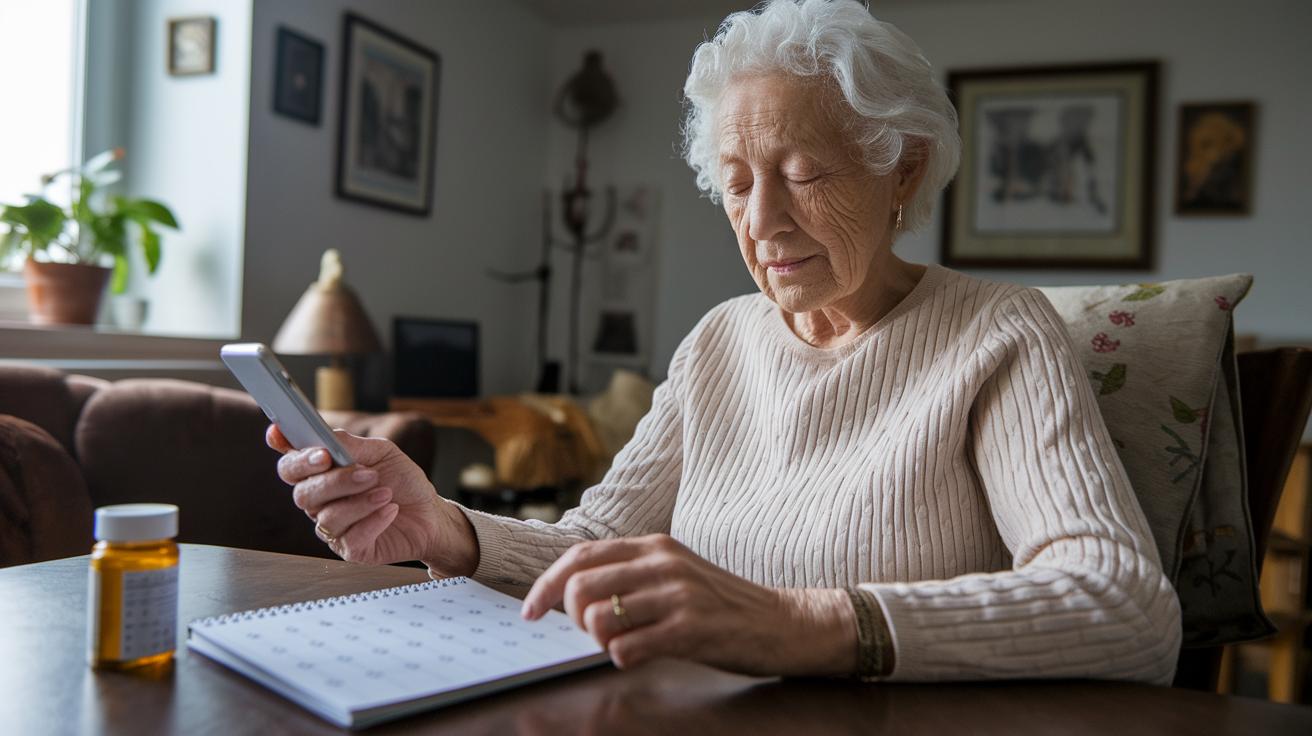
Medication can be a good starting point. SSRIs (a type of antidepressant) are often used and usually begin to take effect in 2–4 weeks. One mom once said, "After a few weeks on my medication, I began to feel the heaviness lift just a bit each day." Most moms stay on these medicines for about 6 to 12 months, which helps steady mood swings and supports mental well-being. It’s always a good idea to check in with your doctor regularly, so any needed adjustments can be made.
Counseling and therapy are also important tools. Methods like Cognitive Behavioral Therapy (CBT) or interpersonal therapy are used to help manage feelings by tackling negative thoughts head-on. Most therapy plans suggest meeting once a week for around 8 to 12 sessions. One mom shared, "Talking through my challenges on a weekly basis helped me see light at the end of the tunnel." These sessions not only help ease the weight on your mind, but they also build emotional strength and a deeper sense of connection during tough times.
Lifestyle changes and support from others can make a big difference too. Gentle exercise, such as postpartum yoga for beginners, is usually planned in 4–6 week cycles and can lift both your mood and energy. Joining a peer support group where you can share your story can help you feel less alone. Small self-care efforts, like taking daily walks, practicing mindful breathing, and eating balanced meals, can also add up. Many moms start feeling better in about 3–6 months when combining these approaches. It’s a way to bring light and hope into your recovery journey.
Distinguishing Baby Blues and Extended Postpartum Depression Duration

Many new moms go through what we call baby blues. Up to 80% of women experience these feelings right after birth, and they usually fade away in about 2 weeks. One mom shared that in those early days she felt very emotional, like a small cloud passing by, and it never really messed up her daily routine.
But if these feelings hang around for more than 2 weeks, sometimes even lasting 3 to 6 months or longer without help, it might be a sign of postpartum depression. This deeper sadness can bring along constant worry and even shake up sleep and appetite. Noticing these signs can help you or a loved one get the support needed to start feeling better sooner.
When Postpartum Depression Persists: Indicators for Professional Support

If you keep feeling very sad, anxious, or tired after the usual 1, 2, 4, and 6-month check-ups, it's a good idea to chat with your doctor. Sometimes, for example, a mom shared that during her 2-month visit, she opened up about her worries and got extra help that made her feel a bit lighter.
Watch for days when simple tasks feel like too much or when a low mood starts to mess with your sleep, appetite, or interactions with loved ones. If these feelings stick around for more than 3 months, getting professional help can really make a difference and keep your family strong.
Your healthcare team can work with you to find a plan that might include talking with a therapist, trying medication, or discovering other kinds of support.
Final Words
In the action, we’ve seen that understanding postpartum depression duration helps clarify what to expect and when to seek help. We covered time frames, from baby blues lasting just two weeks to treated PPD improving in 3–6 months. Factors like early intervention and professional support can shift that timeline in positive ways. With clear data and practical steps, hope is within reach for brighter days ahead.
FAQ
How long does postpartum depression last?
The question how long does postpartum depression last means that with treatment, symptoms often improve in 3–6 months, while untreated cases might persist for many months or even years, affecting daily routines.
What is the 5 5 5 rule for postpartum?
The question what is the 5 5 5 rule for postpartum points to a simple self-care guideline: taking five deep breaths, dedicating five mindful minutes, and focusing on five positive thoughts to reduce stress during recovery.
How do you know if you have postpartum depression?
The question how do you know if you have postpartum depression suggests you might have it if intense sadness, anxiety, and daily disruptions continue for more than two weeks and interfere with your usual activities.
When does postpartum end?
The question when does postpartum end means that while baby blues typically fade by two weeks, the postpartum depression phase can extend for several months or longer, impacting emotional and physical recovery.