
Have you ever felt a deep sadness that seems to linger past the usual baby blues? Many new moms notice these feelings staying longer than they expected. Sometimes, feeling overly worried, having few hours of sleep, or a fast-beating heart might be more than just a phase. Recognizing these signs can lead you to the compassionate help you need. It’s about giving yourself a little lift so you can enjoy brighter days with your little one.
Recognizing postpartum depression and anxiety symptoms
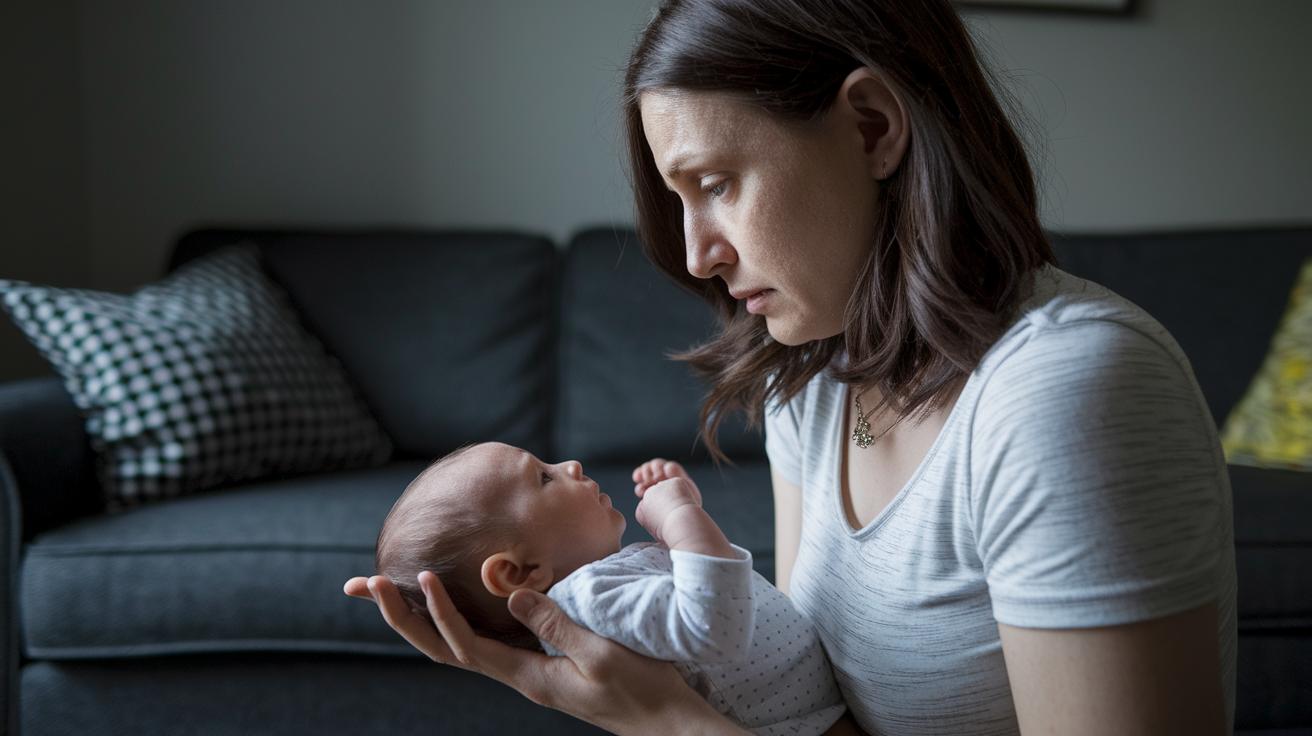
Many new moms have a few days of baby blues, a flutter of sadness and a few tears that usually pass in a couple of weeks. But if those feelings stick around much longer, they might be signs of postpartum depression or anxiety. These feelings can change everyday life and even make it hard to bond with the baby.
For example, about one in five moms experience postpartum anxiety. It’s more than just normal worries. You might find yourself always worried about your baby, struggling with sleep, or feeling tense and on edge. Sometimes your heart might pound fast, or you could even have a panic attack. Noticing these signs early means you can get the support you need.
Here are some clues to keep an eye on:
- A persistent low mood
- Losing interest in things you once enjoyed
- Overwhelming tiredness or low energy
- Noticeable changes in appetite or weight
- Trouble sleeping, or sleeping too much
- Feelings of guilt or saying you’re not good enough
- Constant worry about your baby’s well-being
- Unexplained muscle tension or tightness
- A racing heart during anxious moments
- Sudden panic attacks
- Feeling restless throughout the day
- Sleep that is repeatedly interrupted
Catching these signs early is important. Once you spot them, you can reach out for help before things get worse. Taking action sooner can start the healing process and support a healthier beginning for both you and your baby.
Differences between postpartum depression and anxiety symptom profiles

Sometimes it's hard to tell the difference between postpartum depression and anxiety because many symptoms overlap. New research shows that changes in sleep or appetite might look the same at first, but little details in feelings can set them apart. For instance, one mom shared, "I'm not just tired; I feel an intense heaviness in my chest that I can't explain." That heaviness hints at a kind of sadness that isn't talked about in typical stories.
Recent studies tell us that postpartum depression often comes with a long-lasting low mood, irritability, and a feeling of being overwhelmed, even though it might look like simple fatigue. In contrast, postpartum anxiety usually brings sudden, strong worry and physical signs like a racing heart or tight chest muscles. One mom explained that even small tasks felt like huge challenges and simply thinking about everyday care made her heart race. Her story shows an unusual but clear pattern.
Health professionals find it really helpful to ask specific, thoughtful questions. This approach allows them to listen to each mom’s unique experience and better support her on her journey.
Identifying risk factors for postpartum depression and anxiety

Becoming a new parent can bring many unexpected challenges. Sometimes a tough or emergency delivery, sudden changes in hormones after birth (the natural chemicals that help your body adjust), and the rush of caring for a newborn can feel very overwhelming. Missing sleep and not having enough help from family or friends can make these feelings even stronger. For example, many moms say that hormone changes can make emotions hard to manage right after birth, like feeling out of sync with their body and mind.
Let’s look at one example. A 30-year-old first-time mom had a long, 20-hour labor and needed an emergency C-section. Three weeks after giving birth, she struggled with breastfeeding after her baby lost more than 10% of its birth weight. The stressful delivery, big shifts in hormones, lack of sleep, and little support all added up to create a very tough time for her. This story shows how different challenges can work together to affect a mom’s well-being, which is why spotting these signs early is so important.
postpartum depression and anxiety symptoms: Uplift Today

ACOG recommends that every pregnant and new mom gets checked for depression early on. This simple step helps catch signs before they grow into bigger challenges. It’s like having a caring friend who notices when something feels off, making everyday life a little lighter.
Edinburgh Postnatal Depression Scale (EPDS)
This tool is a quick, self-check with 10 questions. If you score 13 or more, it might be a sign of depression. Imagine taking a short quiz in just five minutes and feeling a bit more at ease knowing you’re looking after your well-being.
Generalized Anxiety Disorder-7 (GAD-7)
This brief questionnaire includes 7 questions that look at how anxiety is affecting you. A score of 10 or above suggests you might be dealing with moderate anxiety. It could be a good time to chat with a professional about what’s on your mind.
Patient Health Questionnaire-9 (PHQ-9)
This handy scale uses 9 questions to check for signs of depression, based on standard criteria. Scoring 10 or more is like a gentle reminder that it might help to talk with someone who understands your feelings.
Postpartum Depression Screening Scale (PDSS)
This more detailed survey has 35 questions designed especially for postpartum experiences. It’s often used at clinics to get a clearer picture of how you’re feeling.
It’s a good idea to have these check-ups every trimester and during the 6- and 12-week visits after birth. Regular screening gives you the chance to get help and keep feeling supported every step of the way.
Treatment strategies for postpartum depression and anxiety symptoms

Cognitive Behavioral Therapy
Cognitive Behavioral Therapy (CBT) usually happens over 12 to 16 weekly sessions that gently help you change the negative loop of thoughts. Research tells us that by looking at things from a different angle, you could lower feelings of depression by 40-60%. One mom once shared that starting CBT felt like “switching on a light in a dark room.” It really helps break the cycle of hurting thoughts and gives you clear, everyday tools to deal with your feelings.
Medication Options
Many health professionals often recommend SSRIs, like sertraline or paroxetine, because they’re safe for breastfeeding moms. These medications help steady your mood and ease anxiety without affecting your milk supply. In the first days of treatment, a short-term prescription of a benzodiazepine like lorazepam might be used, always under careful supervision, to help calm those overwhelming moments until the SSRIs work their magic. One mom mentioned that the medications felt like “a brief pause that let her catch her breath” when everything was too much.
Non-Medication Strategies
There are also lots of non-medication approaches that can lift your spirits. Simple acts like skin-to-skin contact and regular cuddling help boost oxytocin, a natural chemical that soothes the mind and body. Gentle, regular exercise, like a refreshing walk or light stretches, and leaning on friends or family for support can really ease the emotional load. Adding mindfulness practices like focused breathing or a gentle meditation can calm an overactive mind. One mom described taking a walk with her baby as “a mini escape that restored both our spirits.”
When to seek professional help for postpartum depression and anxiety symptoms

If you notice your sadness or worry growing stronger and starting to get in the way of your daily life, for example, making it hard to care for yourself or your baby, it might be time to get some help. When these feelings get intense or even push you toward thoughts of self-harm, it’s important to reach out quickly. And if you’ve been feeling this way for more than two weeks, don’t hesitate to speak with someone who understands. Every person is different, and a caring professional can provide guidance tailored just for you.
Talk with a trusted expert such as your OB-GYN, a psychiatrist, or a therapist who understands mental health around the time you’re welcoming your baby. They can help figure out if treatments, like medications that pass into breast milk, are the right choice for you and your little one. Plus, there are crisis hotlines and local community services that offer gentle, immediate support when you need it most.
Final Words
In the action, we explored how to spot the subtle shifts between baby blues and more challenging episodes. The post broke down key signs, screening tools, and treatment options for postpartum depression and anxiety symptoms. It touched on risk factors and the right time to seek help. Each step, from recognizing early warnings to considering care options, builds a route to feeling better. Small actions can lift a heavy heart, helping every mom move toward brighter days.
FAQ
What are signs of postpartum anxiety?
The signs of postpartum anxiety include constant worry, tension, a racing heartbeat, panic attacks, and sleep disturbances along with physical restlessness that may affect daily activities.
When does postpartum anxiety last?
Postpartum anxiety typically extends beyond the baby blues phase, lasting more than two weeks when symptoms persist and begin affecting a mother’s daily well-being.
How do you know if you have postpartum depression?
Postpartum depression is indicated by a prolonged low mood, loss of interest, fatigue, changes in appetite or sleep, and feelings of guilt that extend beyond the brief period of baby blues.
How to get over postpartum anxiety?
Getting over postpartum anxiety involves seeking advice from professionals, exploring therapy like cognitive behavioral therapy, practicing self-care, and using peer support to manage and reduce anxiety symptoms.