Can men really feel postpartum depression? Many think it's something only moms face after a baby is born. But research shows that some dads also feel deep sadness and overwhelming tiredness. New dads might notice sudden mood changes and feel the weight of new responsibilities, making it hard to be their usual self.
Today, we talk about this often-hidden issue in a friendly, heartfelt way. We also share ideas on how dads can get the support they need during these tough times.
Understanding Postpartum Depression in Men
New dads can sometimes feel unexpectedly down or overwhelmed. Even though many assume that only mothers worry about feeling depressed after a baby arrives, research shows that about 1 in 10 dads can also experience deep sadness, hopelessness, and fatigue. These feelings might start even before the baby is born, or sneak in during the first few months afterward. It’s like when someone says, "I was really excited to be a new dad, but then I felt overwhelmed and disconnected." That sentiment is more common than you might think.
Often, the reasons behind these feelings in men are quite similar to those in women. Changes in hormones, like a drop in testosterone, mix with major lifestyle shifts to create a challenging mix. It’s not just about missing sleep; it’s also about the weight of new responsibilities and the worry about not measuring up to the ideal image of fatherhood. Sometimes, these shifts bring along irritability or even physical symptoms like headaches and muscle aches, complicating the picture.
It’s really important to notice these signs early. Getting timely support, whether from loved ones or professionals, can make a big difference. And remember, it’s absolutely okay to ask for help when the new role of being a dad starts feeling too heavy.
Recognizing Paternal Postnatal Depression Symptoms
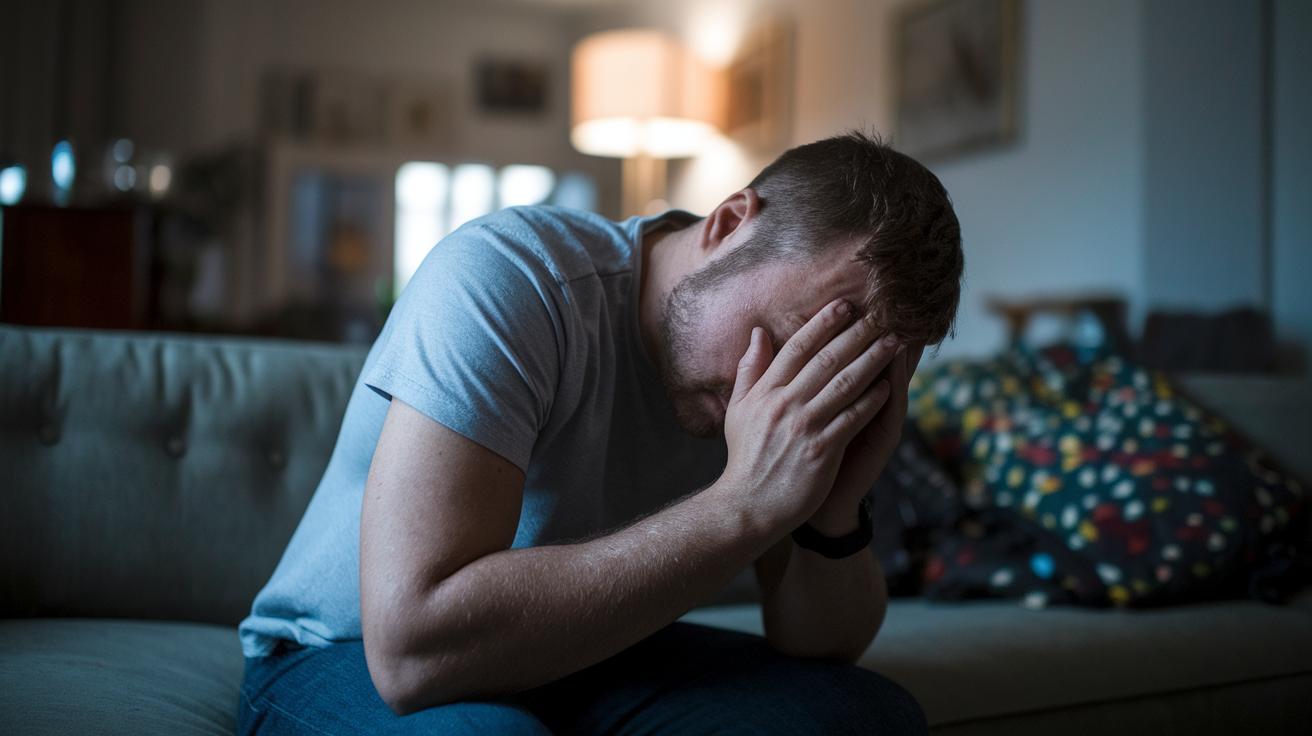
Sometimes, dads show signs of feeling down in quiet ways. They might feel really sad, lose hope, and be tired all the time, even if they’ve slept well at night. Imagine a dad saying, "I'm so tired all the time even after a full night's sleep." Even these small hints deserve our attention.
There are also more subtle signals. A dad might get irritable, have brief bursts of anger, or complain about headaches, digestive issues, or muscle aches. Trouble staying focused on everyday tasks can be another clue that something isn’t right. These signs might appear later than they do in moms, which makes catching them early even more important.
Noticing these changes early is like turning on a light in a dark room. When dads start recognizing even small shifts in how they feel, it can encourage them to ask for help and take better care of themselves.
can men get postpartum depression: A Positive Shift
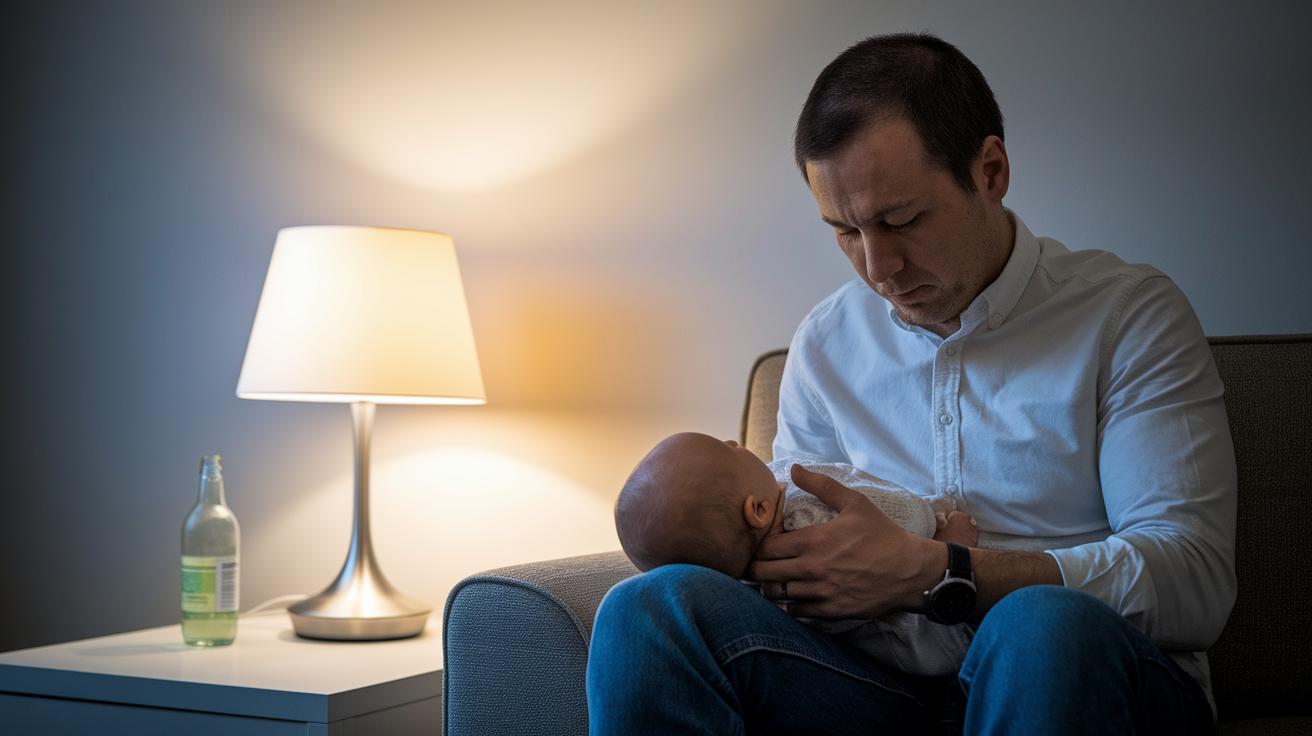
After a baby arrives, some dads can feel unexpectedly down. Hormonal changes, like a drop in testosterone, might leave them feeling low on energy and sad. Lack of sleep from late-night feedings or stressful thoughts can worsen these feelings. It’s a bit like when a friend said, "I slept for eight hours but still felt exhausted", sometimes even rest isn’t enough.
Financial worries and relationship stress after a new baby can also add to these tough feelings. These challenges, mixed with changes in the body, can make the early days of fatherhood really hard. And for a few dads, old wounds or losses might come back, deepening the struggle even more.
Many men feel they always need to be strong, so it can seem impossible to admit they’re hurting. This pressure may even stop them from seeking help when sadness or anger feels overwhelming. But understanding these mixed feelings is the first step toward feeling better and finding a brighter side to fatherhood.
Screening and Diagnosis: How New Dads Can Get Assessed

New dads often miss out on the regular checkups moms get right after having their baby. Because there's no set routine for checking how dads are feeling, many fathers need to take a few extra steps to keep tabs on their emotions. Some dads find that setting aside a quiet moment for themselves or trying out simple mindfulness techniques really helps to brighten their day. Honestly, it can feel so refreshing to pause away from all the demands of being a dad.
If you're looking for a more formal check, many healthcare providers now offer assessments with easy-to-use questionnaires. Sometimes a GP might suggest more help if feelings like a constant low mood or irritability keep lingering. In England, for instance, NHS talking therapies are available for men 18 and older who are registered with a GP. Seeking this kind of help can really make a difference by showing you the gap between everyday stress and deeper emotional challenges.
| Organization | Contact Method | Availability |
|---|---|---|
| Mind’s Infoline | Phone: 0300 123 3393 | Mon–Fri 9am–6pm |
| CALM | Phone/Webchat: 0800 58 58 58 | Daily 5pm–midnight |
| Samaritans | Phone: 116 123 | 24/7 |
| SMS4dads | Interactive text support every 3 weeks | Available per schedule |
Treatment Options for Postnatal Depression in Men
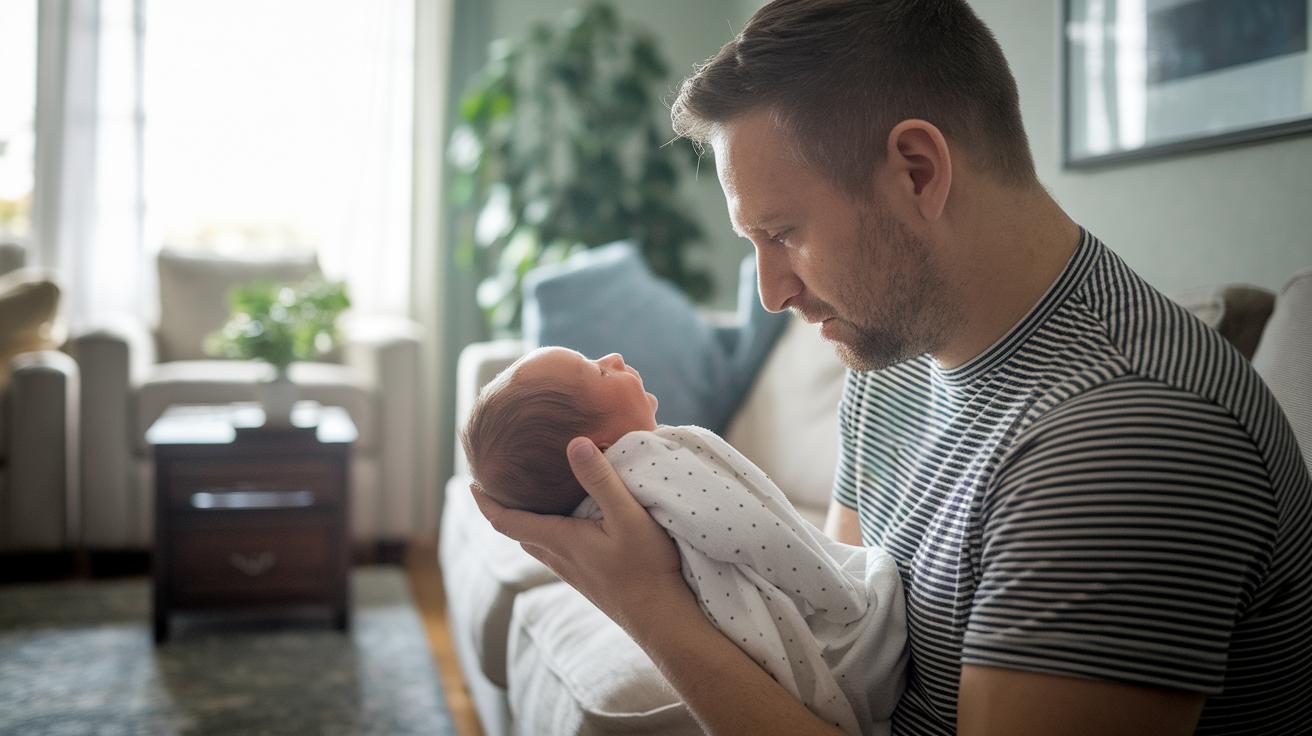
If you're a dad feeling overwhelmed after your baby arrives, know that help is available. Many fathers have found that trying a few new approaches, like talking to a trusted therapist or joining a group of other dads, can make the tough days a little lighter.
Some dads get real benefits from friendly therapy sessions. For example, a type of treatment known as cognitive behavioral therapy, or similar talking therapies available through the NHS, offers clear steps to handle those upsetting thoughts. And if you prefer private counseling, you'll get advice that’s made just for you.
Sometimes, when the feelings feel extra heavy, a doctor might suggest medication. Medicines like SSRIs (which can help lift your mood) may be recommended to give you that extra boost. But beyond therapy and medicine, small changes in your everyday life can also make a big difference. Regular exercise, getting enough sleep, and a steady routine not only help raise your energy levels but also restore a sense of normalcy.
| Treatment Option | Details |
|---|---|
| Talk Therapy | Friendly sessions using approaches like cognitive behavioral therapy or NHS talking therapies to manage negative thoughts. |
| Medication | Doctors may prescribe SSRIs to help lift your mood when feelings are overwhelming. |
| Healthy Routine | Incorporating regular exercise, better sleep habits, and a consistent daily schedule to boost energy and normalcy. |
| Peer Support | Joining groups where other dads share their experiences and provide mutual support. |
Coping Strategies and Support Networks for New Fathers

Being a new dad can feel overwhelming, but finding some calm and connection can make a big difference. It might seem hard to say when you're feeling off, but little changes really help ease those low moods and worries. There are friendly online groups, like the PND Daddy Twitter chat (#PNDDaddies) and the private PANDAS Dads Facebook group, where dads share their real-life ups and downs. And every three weeks, SMS4dads sends a supportive text to remind you that you're not by yourself.
Sometimes, talking with your partner or a family member about your feelings can help open up a safe space. More dads are reaching out during tough times these days, and that caring network is a real lifesaver.
Here are some simple ways you can build your support network:
- Practice daily self-checks – take a few quiet minutes to jot down how you're feeling.
- Join online dad groups – chat in forums or social groups where others truly get what you're going through.
- Use SMS4dads – sign up to receive a little note of support on your phone every few weeks.
- Have honest talks – create a space with your partner where you can both share what's on your mind.
- Set aside personal time – even a few minutes to relax can help you feel refreshed.
- Try simple mindfulness – practice deep breaths or a bit of quiet thought to ease anxious feelings.
These small steps can help you build a caring circle and gently guide you through the challenges of new fatherhood.
Maternal vs. Paternal Postpartum Depression: Key Differences
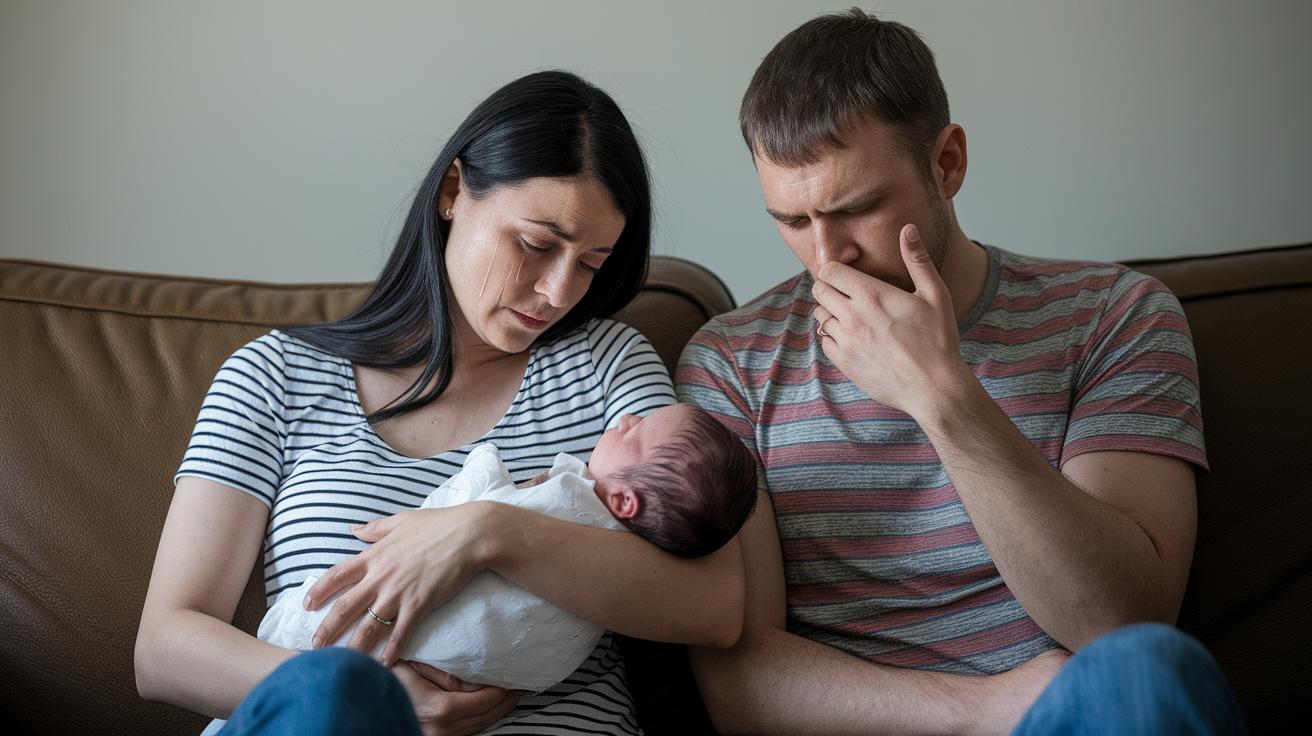
After a baby is born, moms usually have regular checkups where doctors gently ask about how they feel. Many dads don’t get the same kind of visits, so they might not notice their mood changing until those feelings start to affect everyday life.
Moms often show their struggles clearly – you might see a tear or a touch of sadness. Dads, on the other hand, usually hide their hurt behind irritation or even anger. Moms often experience these signs early on, while dads might only notice them a bit later.
Social pressures can add to these differences. Many dads feel they have to be the strong one and keep all their feelings inside instead of opening up.
- More frequent checkups for moms versus fewer for dads
- Moms often show sadness openly, while dads tend to seem irritated or angry
- Moms notice signs early; dads might only see changes later
- Dads often feel more social pressure to hide their true feelings
can men get postpartum depression: A Positive Shift
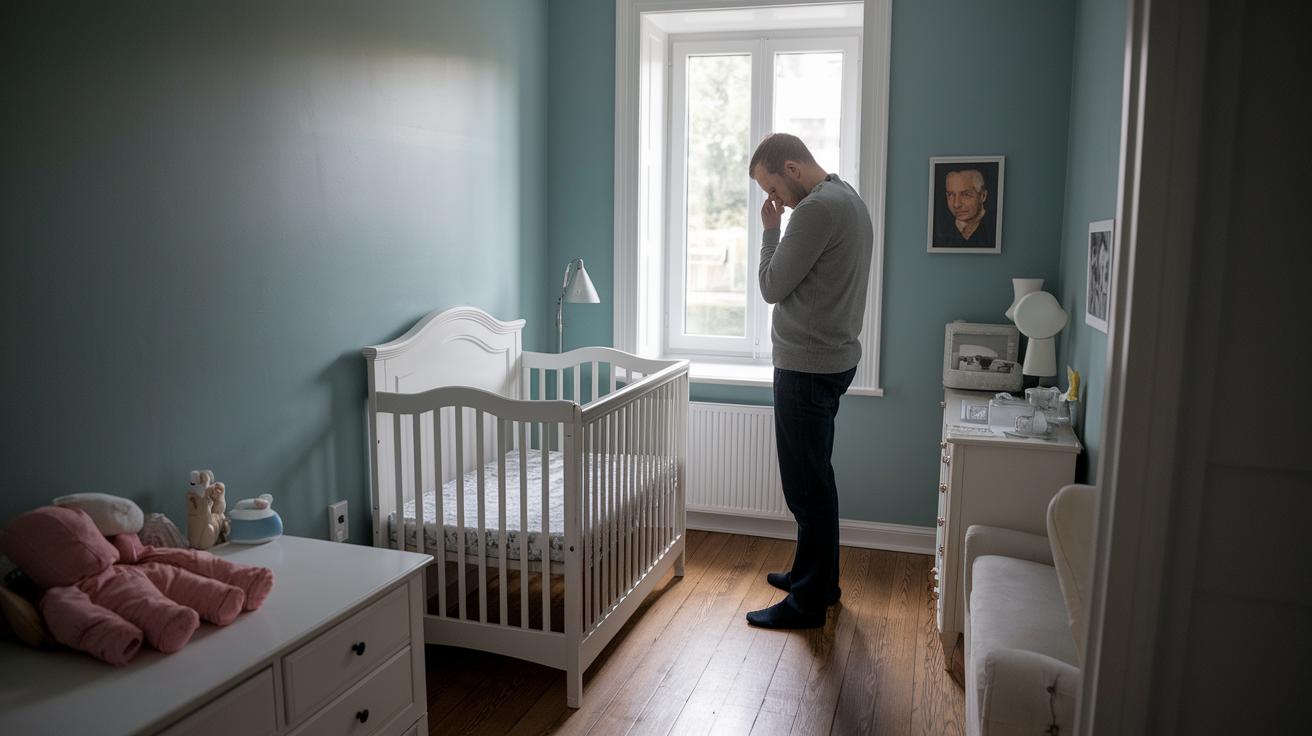
James shared his story about the deep pain he felt after losing four babies. He described it as if he were drowning in emptiness, reminding us that emotional struggles can touch anyone’s life.
New research now shows that one out of every ten new dads might face similar tough times. In fact, during the pandemic, there was a 10% increase in fathers asking for help. Some groups are now trying pre-birth mood screenings to catch early signs of trouble. One test even notes that these early checks can spot mood changes before stress takes over, giving dads a chance to get support before their baby arrives.
If a dad’s mood problems go unnoticed or untreated, it can harm his relationships with his partner and children. Getting help early makes it easier for dads to adjust to their new role and enjoy fatherhood. It’s a mix of personal stories and encouraging research, pointing to a hopeful future for families.
Final Words
In the action of our discussion, we unpacked paternal mood struggles, from spotting early signs to exploring risk factors and treatment options. We reviewed screening tips, support systems, and compared how moms and dads experience mood shifts. All the details help answer the question: can men get postpartum depression? Real-life experiences and expert ideas remind us that every parent’s well-being matters. Keep this caring conversation in mind as you move forward with hope and confidence.
FAQ
Can males go through postpartum?
The question about whether males go through postpartum means men can experience mood changes and stress similar to new mothers. Up to 1 in 10 new fathers may face these challenges, including fatigue and emotional shifts.
What does postpartum depression look like in men?
The question on what postpartum depression looks like in men shows that symptoms may include persistent sadness, irritability, fatigue, and changes in sleep or appetite, often without the tearfulness seen in mothers.
Do fathers suffer postpartum depression?
The question regarding fathers and postpartum depression confirms that dads can experience mood struggles after a baby arrives, with signs like low energy, irritability, and even physical issues such as headaches.
How to tell if you have postpartum depression?
The question on how to tell if you have postpartum depression means looking for lasting feelings of sadness, fatigue, mood shifts, and changes in appetite or sleep patterns that disrupt daily routines.