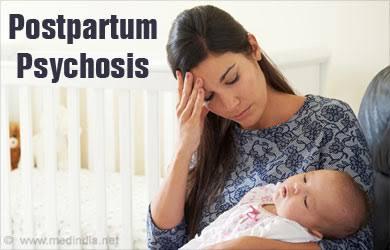
Postpartum Depression (PPD) affects about one in seven new mothers, so it's a common, not a rare, response to childbirth. Yet misunderstanding and stigma mean many women suffer alone, thinking they've somehow failed. This guide aims to normalize the conversation: what PPD feels like, when it tends to appear (often in the first month but anytime during the first year), who may be at higher risk, and the evidence-based treatments that can help. We'll also outline practical ways friends and family can offer support and how to seek urgent care if symptoms become severe. You don't have to face this on your own.
Why We're Talking About Postpartum Depression

Postpartum Depression (PPD) affects about one in seven new mothers, so it's a common, not a rare, response to childbirth. Yet misunderstanding and stigma mean many women suffer alone, thinking they've somehow failed. This guide aims to normalize the conversation: what PPD feels like, when it tends to appear (often in the first month but anytime during the first year), who may be at higher risk, and the evidence-based treatments that can help. We'll also outline practical ways friends and family can offer support and how to seek urgent care if symptoms become severe. You don't have to face this on your own.
What Is Postpartum Depression?

Postpartum depression (PPD) is a clinical depressive disorder that can develop after childbirth. It goes beyond the transient 'baby blues' and may include persistent sadness, tearfulness, anxiety, irritability, disrupted sleep unrelated to the infant's schedule, loss of interest in previously enjoyed activities, low energy, and difficulty bonding with the baby. Some mothers experience intrusive or frightening thoughts, excessive guilt, or an inability to function. PPD is a medical condition – not a moral failing – and is linked to hormonal changes, sleep deprivation, and psychosocial stressors. Early recognition and treatment improve recovery for both the mother and her infant.
When Postpartum Depression Appears
Postpartum depression can emerge anytime during the first year after childbirth, though most cases surface in the first four to six weeks. Timing varies: some women notice symptoms almost immediately, while others develop symptoms gradually as the realities of parenting set in. The early weeks are a particularly vulnerable period because of abrupt hormonal shifts, intense sleep disruption, and the pressure to adapt quickly. Because onset can be delayed, ongoing monitoring at six-week postpartum visits and check-ins throughout the first year are important. Partners and family members should be aware of mood or behavior changes and encourage medical evaluation if concerns arise.
Who Is at Risk?
Several factors raise the risk of postpartum depression, though they are not determinative. A personal or family history of depression or anxiety, prior episodes of PPD, a traumatic pregnancy or difficult delivery, and significant life stress – such as financial strain or relationship conflict – increase vulnerability. Social isolation and a lack of practical support for childcare and household tasks are common contributors. Breastfeeding difficulties and unrealistic expectations about motherhood can intensify emotional strain. Importantly, PPD may affect women with no identifiable risk factors, so vigilance and routine screening are important for all new parents. Early identification leads to more timely care.
Treatment Options

Treatment for PPD is effective and tailored to each person's needs. Psychotherapy – especially cognitive behavioral therapy (CBT) and interpersonal therapy (IPT) – is a cornerstone, helping with mood regulation and relationship stress. Antidepressant medication may be recommended for moderate to severe cases, and many options are compatible with breastfeeding after a risk-benefit discussion with your clinician. For severe or treatment-resistant PPD, specialized psychiatric care or other interventions may be necessary. Peer support, mother-infant therapy, and practical community resources bolster recovery. If you experience suicidal thoughts, panic, or are unable to care for yourself or your baby, seek immediate emergency help.
Seeking Help and Supporting Others

Seeking help for PPD is a courageous, practical step toward recovery – not a sign of failure. Start by talking to your obstetrician, midwife, family doctor, or pediatrician; they can screen for symptoms and refer you to mental health care. Practical support matters: ask for help with feeding, nighttime duties, meals and housework so you can rest. Support groups – online or local – connect you with others who understand. If you're supporting someone with PPD, offer nonjudgmental listening, help arrange appointments, and provide hands-on help like babysitting or running errands. Frequent, gentle check-ins and concrete assistance can make a big difference.
Reducing Stigma and Building Support

Reducing the stigma around postpartum mental health requires awareness, policy and community action. Routine screening during and after pregnancy, public education, and open conversations normalize asking for help. Employers can support new parents with paid parental leave, flexible scheduling and access to mental health services. Health systems should provide clear referral pathways and integrated care for perinatal mood disorders. Families and friends can reduce shame by validating feelings, offering practical help, and encouraging treatment. Sharing recovery stories – when safe – helps others seek care. By advocating for accessible services and compassionate responses, we can improve outcomes for mothers, infants and families.