Have you ever thought about how many new moms might feel low or face mood swings after giving birth? It turns out that almost one in eight moms experience these challenges, and in some places the numbers are even higher.
This shows us that these feelings are more common than we might think. It also makes us wonder if our current care and support systems really help moms when they need it most. By looking closely at these trends, we can build stronger support networks that help moms through the tough times. Isn't it amazing how a little extra care can make all the difference?
Prevalence of Postpartum Depression in the U.S. and Worldwide

Postpartum depression shows how many new moms experience mood challenges after giving birth. It’s an important way to see where moms might need extra help. These numbers point us toward where more support, better screening, and ongoing research can really make a difference. They also help communities shape care systems here in the United States and across the globe.
| Country | Prevalence Rate |
|---|---|
| United States | 1 in 8 (up to 1 in 5 in certain states) |
| Canada | 1 in 6 |
| United Kingdom | 1 in 8 |
| Australia | Up to 1 in 5; half show symptoms during pregnancy |
These different rates can come from things like access to health care, different screening practices, and how symptoms are noticed or reported. In the United States, high awareness might lead to more cases being found, while in Canada and the United Kingdom, improving methods are slowly showing more cases. In Australia, many moms start showing signs during pregnancy, possibly because of stress. By looking closely at these trends, researchers and health care providers can better support moms as they face these challenges around the world.
Long-Term Persistence of Postpartum Depression Symptoms

Even after childbirth, many moms still go through mood changes. Studies show that about one in four moms feel these symptoms even three years later, which means postpartum depression can stick around longer than many expect.
These lingering feelings can seep into everyday moments, sometimes affecting the special bond between a mom and her child. When this happens, it can really put a strain on nurturing that close connection.
Getting help is so important here. Simple, shared moments of calm or a bit of professional guidance can make a big difference in lightening tough days and keeping those connections strong.
Demographic Disparities in Postpartum Depression Rates

Postpartum depression does not affect all moms the same way. Studies show that everyday life factors, like money and social support, can change how often moms feel low after giving birth. Even though every mom goes through similar hormone shifts, her life situation can really shape her mood.
Race/Ethnicity Disparities
Research tells us that moms from different races or cultures sometimes face unique challenges. Many experience extra hurdles, like not getting care that understands their background or waiting too long to get help for mental health. For example, minority moms often face long wait times and struggles with communication when they visit health centers, which can delay the support they need.
Socioeconomic Drivers
A mom's income, insurance, and education can also influence her chances of feeling depressed after childbirth. Moms in lower-income areas or without good insurance often have a tougher time finding reliable mental health care. When basic needs are not met, the extra stress can make it even harder to feel better. It’s a clear sign that we need more programs to reach out to moms who face these challenges, ensuring every mom gets the care she deserves.
Postpartum Depression Rates Among Fathers and Adoptive Parents

Mood changes after a baby arrives can affect the whole family. New research shows that it’s not just birth mothers who feel low. Fathers and adoptive parents also go through tough emotional shifts as they adjust to their new roles.
Fathers’ Postpartum Depression Rates
It turns out that about 1 in 10 new dads go through postpartum depression. Imagine trying to bond with your newborn and support your family while feeling really low, it's a lot to handle. This tough time can make everyday tasks and relationships feel even more challenging.
Adoptive Parents’ Depression Rates
Adoptive parents often face similar feelings as birth mothers, with about 1 in 8 experiencing depression. These parents juggle special challenges that come with adoption while also building a loving connection with their child. One parent once shared, "I sometimes felt isolated, not sure if my feelings were normal," which shows how extra pressures can add up.
Including more support for all caregivers can help create a healthier and more caring family environment.
Incidence and Treatment Outcomes of Severe Postnatal Mood Disorders
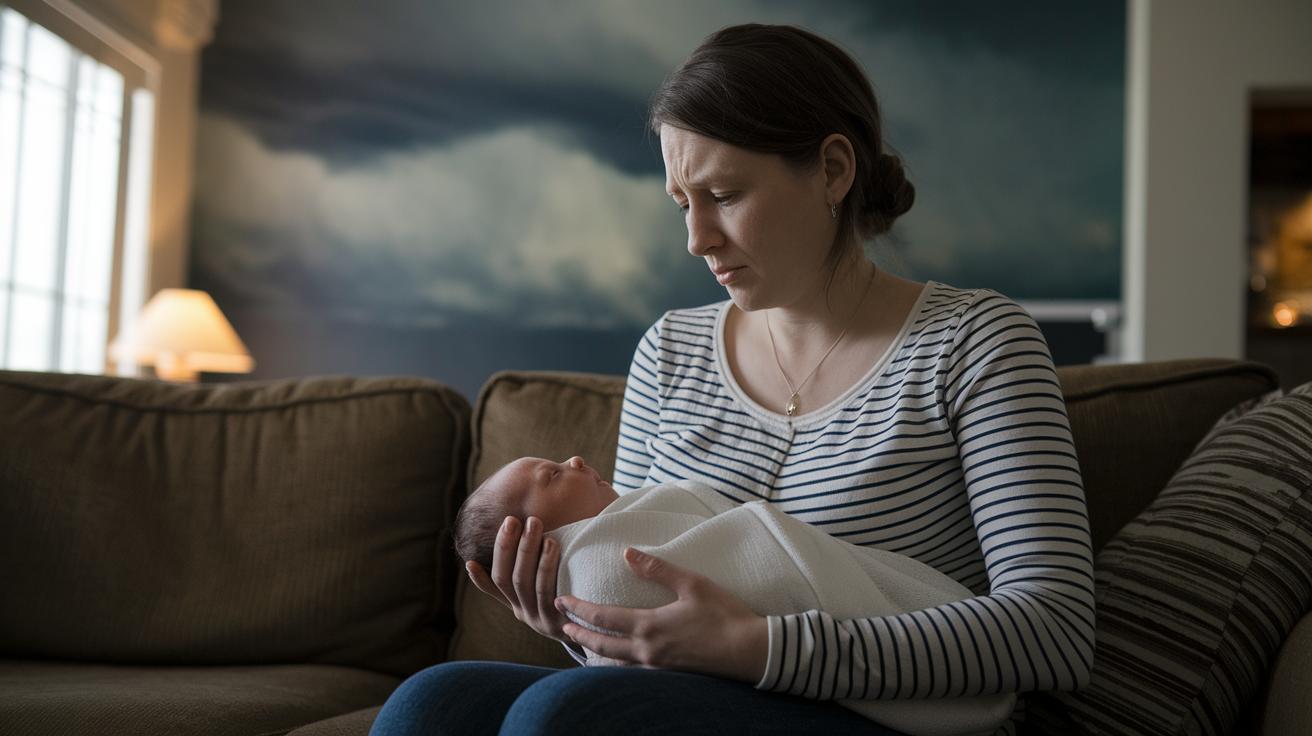
Sometimes, rare mood disorders after giving birth can really change a mom's world. For example, postpartum psychosis affects only about 1 in 1,000 new moms. But for moms with bipolar (mood swings), the risk can jump up to 30%. Regular postpartum depression touches more women, but the really tough cases need extra, special care. One mom once said she felt like she was caught in a hidden storm that only she could feel. Even though these conditions are rare, they remind us just how deeply they can affect everyday life and the bonding within a family.
There is a lot of hope when it comes to treatment. Research shows that 98% of moms with severe postpartum psychosis feel a big improvement after getting help. One important breakthrough is a treatment called brexanolone, which was approved in 2019. It’s given as an infusion over two or three days in a clinical setting. Sometimes, there can be a risk of a sudden loss of consciousness, but many moms have described the treatment as feeling like stepping out of a long, dark tunnel. This shows that the work to refine care for moms with such challenging symptoms is well under way, bringing light and hope to many families.
Final Words
In the action, this article highlighted key facts about postpartum depression statistics. We explored incidence rates in the U.S. and other countries, looked at how symptoms can linger, and pointed out differences across social and economic factors. It also included insights on depression among fathers and adoptive parents and shared data on severe postnatal mood disorders. Every section reminds us of the importance of staying informed and supporting all caregivers. Keep moving forward with hope and real understanding.
FAQ
How long does postpartum depression last?
The length of postpartum depression can vary. Many mothers feel symptoms for a few months, but for some, it may extend longer. Timely support and treatment help each individual find a path toward recovery.
What is the 5 5 5 rule postpartum?
The 5 5 5 rule postpartum means taking five minutes every five hours to check in with yourself and take a brief pause. This reminder can help new mothers sustain small self-care routines.
When does PPD peak?
The peak of postpartum depression usually happens within the first few months after birth. This time can be challenging as new routines form, making support and understanding even more crucial.
How serious is postpartum depression?
Postpartum depression is a serious condition that can disrupt daily life and affect bonding with the baby. Seeking help from professionals and supportive loved ones is key to managing symptoms and healing.