
Have you ever been curious about how a few simple tests can help ease your worries even before your baby arrives? Prenatal screening (tests done during pregnancy) uses gentle tools like small blood tests and soft ultrasound scans to show you how your baby is doing.
In this guide, we walk through each test with clear, friendly steps. We explain what each test does in plain language, so you feel informed and cared for. It’s like chatting with a close friend who understands your hopes and concerns.
Each test works together to build a comforting picture of your baby's health, giving you peace of mind as you prepare for your new arrival.
prenatal screening explained: Positive insights

Prenatal screening explained is all about finding out how your baby is doing before birth, using a mix of gentle tests. These include things like genetic screening, ultrasounds (using sound waves to take pictures), fetal monitoring, glucose challenges, chorionic villus sampling (CVS, a small sample from the placenta), amniocentesis (a test using fluid from around the baby), and Group B Streptococcus screening. Think of it like gently piecing together a puzzle to see if your little one might have any genetic concerns or birth defects.
Genetic screening gives you an idea of the potential risks, which is especially comforting if there's a family history of certain conditions. On the other hand, tests like CVS or amniocentesis step in when there’s a hint of something unusual, offering clear answers. It’s interesting to note that before these modern tests, families had very little guidance on genetic issues until after the baby arrived!
This approach blends simple health check insights with more detailed genetic assessments. Ultrasounds capture soft images at different stages, while blood tests look for markers that might suggest a condition. This process isn’t meant to replace a full diagnosis, but it does give doctors important early clues, making it easier to decide if further checks are needed. Each method, whether a gentle blood test or a quick ultrasound, helps create a caring picture of fetal health, ensuring you feel supported every step of your pregnancy journey.
Prenatal screening tests: types, biomarkers, and noninvasive methods
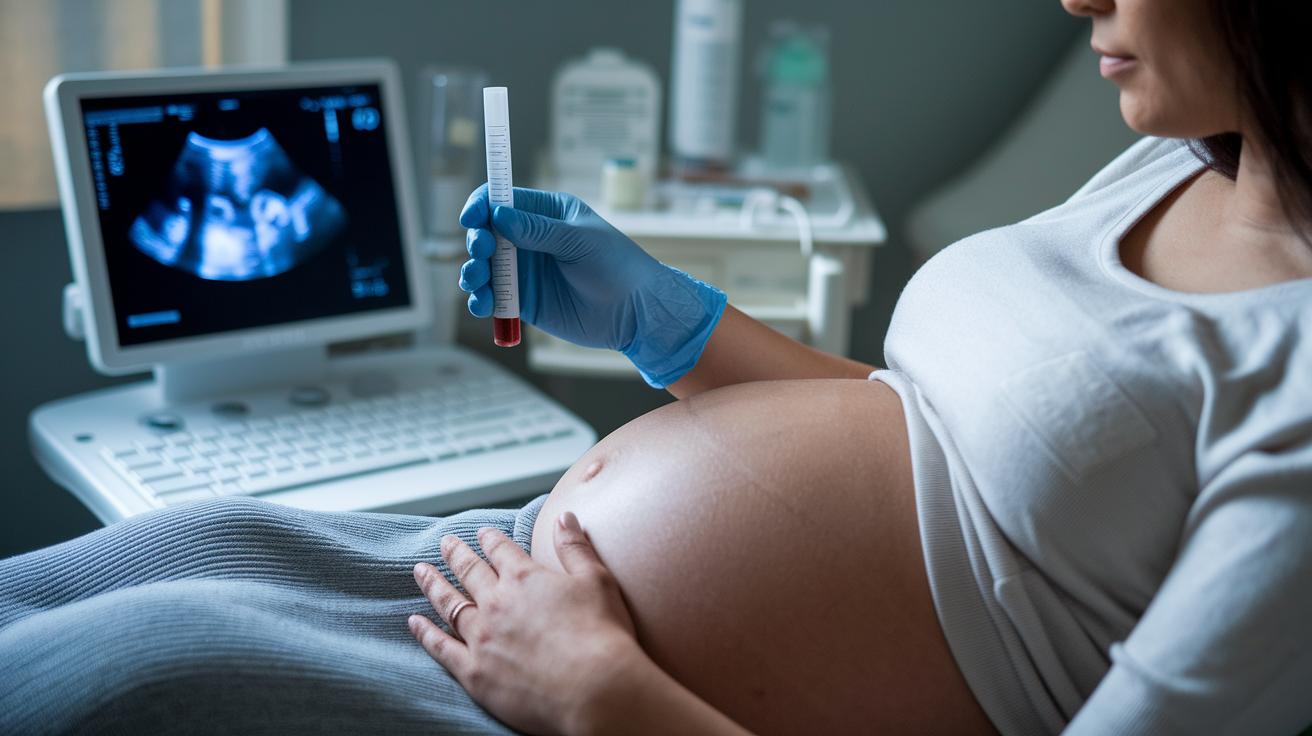
In the first trimester, doctors gently combine an ultrasound with a maternal blood test to check your baby’s development. The ultrasound measures a tiny space at the back of the baby's neck, called nuchal translucency (just a little fluid-filled area), while the blood test looks for markers like PAPP-A and free β-hCG. It’s a bit like getting a calm snapshot of your baby’s early development, with numbers that can help show if everything is on track.
Then, in the second trimester, the focus moves to the quad screen. This test checks for four different markers in your blood, AFP, hCG, inhibin A, and estriol, usually between 16 and 18 weeks, though sometimes up to 20 weeks. Think of it as a follow-up that builds on your first test results. It gives you even more insight into your baby’s growth and helps create a fuller picture of what’s happening.
For moms who prefer a non-invasive approach, cell-free DNA testing is a great option. Starting as early as 10 weeks, this simple blood sample can detect fetal DNA in your bloodstream. Tests like MaterniT21 and Harmony reliably check for trisomies 21, 18, and 13, offering detailed information without putting your baby at any risk.
Lastly, regular 2-D ultrasounds continue to play an important role. These routine scans give clear images of your baby’s anatomy and work together with the blood tests to help guide care decisions as your pregnancy moves along.
| Test Type | Key Markers/Features |
|---|---|
| First Trimester | PAPP-A, free β-hCG, nuchal translucency |
| Second Trimester | AFP, hCG, inhibin A, estriol |
| Non-invasive | Cell-free fetal DNA (MaterniT21, Harmony) |
Prenatal screening timeline and procedures: when and how tests are performed

In early pregnancy, around 10 to 13 weeks, many moms can learn more about their baby's health with a test called chorionic villus sampling. This test gently takes a tiny bit of tissue from the placenta to check for any chromosome problems. Keep in mind, though, that it doesn’t detect neural tube defects (issues with the baby’s spine or brain), so you’ll need additional tests later on.
Between 15 and 20 weeks, another important test called amniocentesis is offered. With the help of ultrasound to guide a fine needle, doctors collect a small sample of amniotic fluid that contains cells from your baby. This test checks for both chromosomal irregularities and neural tube defects like spina bifida. It’s a careful process designed to give you more clear answers about your baby’s health.
Around 24 to 28 weeks, a glucose challenge test may be done. This is a simple one-hour blood test to see how your body handles sugar. If something doesn’t look right, you might take a longer, three-hour glucose tolerance test. Think of it as a friendly check-up that helps catch signs of gestational diabetes early on.
Later, between 35 and 37 weeks, Group B Streptococcus screening is performed to spot bacteria that might lead to infections. Plus, during the last part of pregnancy, your baby's heart rate is monitored using a fetoscope, a handheld Doppler, or continuous electronic methods. These tests work together along your pregnancy timeline to keep both you and your baby as healthy as possible.
Prenatal screening results: interpreting risk estimates, sensitivity, and specificity

When you get a screening test result, it tells you the chance that something might be present rather than giving a yes or no answer. For example, if you hear a result of 1:100, it means there’s a 1% chance that a condition could be present. This number is more about guiding your doctor on whether more tests should be done, not a final diagnosis.
There are two important points to understand here – test sensitivity and test specificity. In a first trimester combined screening, the test can correctly pick up Down syndrome in about 82 out of 100 cases. But it also means that 5 out of every 100 women who don’t have the condition might still get a positive result by mistake.
Now, if you look at cell-free fetal DNA testing, the picture changes a bit. It’s more than 99% accurate for detecting trisomy 21. This means it rarely misses a case and hardly ever gives a false alarm. So, if one of these tests shows a risk like 1:100, your doctor might recommend a more direct test, such as amniocentesis, to be sure of the result.
It can feel a bit like checking the weather forecast – a small chance of rain doesn’t mean you’ll have a storm, but it might be a good idea to have an umbrella handy. Understanding these details helps you feel less worried and more prepared when thinking about any extra tests you might need.
Prenatal screening diagnostic follow-up: confirming screening results and decision-making

When a screening test hints that something might be off, the next step is to get a closer look with diagnostic tests. These tests, such as CVS and amniocentesis, move you from a simple risk estimate to clear, confirmed results. This really helps in making decisions about your care.
After a screening shows there might be an issue, diagnostic testing digs deeper to reveal what’s really going on. Imagine sitting down with your doctor who explains the results in a friendly, easy-to-understand way, giving you a clear path forward. This conversation sets the stage for supportive counseling, a careful look at the risks, and a care plan that fits your unique needs.
Once you have the diagnostic results, your provider will discuss additional tests and management options with you. They carefully consider the very low risks of these procedures against the huge benefits of having clear information. It’s a bit like getting a well-thought-out note that lights the way to your next steps.
This entire process empowers you to work closely with your healthcare team to create a care plan designed just for you.
Prenatal screening counseling and decision-making: patient support and informed consent

Getting the right support during prenatal screening is so important. Genetic counselors and maternal-fetal specialists sit down with you to talk about what the tests can and cannot show, along with the risks and benefits. They share easy-to-read materials, making it feel like a friend is gently explaining how each piece of the puzzle fits together.
These caring experts are there to help ease any worries you might have. They explain that tests give a likelihood, not just a yes or no, and chat about what you can do if something unexpected comes up. Some parents decide not to do any screening if the results won’t change next steps, while others might feel too anxious. Their warm advice creates a safe space for you to discuss your concerns and decide what’s best for you.
They also help you plan the steps that follow after screening. With guidance that fits your unique situation, they explain how to move forward if additional tests are needed. These thoughtful conversations give you the confidence to make every decision with care and understanding.
Prenatal screening emerging technologies and updated testing guidelines

New and exciting improvements in prenatal testing are reshaping the way we look at our baby’s health. Scientists are moving beyond the usual tests like MaterniT21 and Harmony and are exploring tests that check more details. Soon, tests like cell-free RNA assays and noninvasive whole-genome scans will help pick up tiny genetic clues much earlier.
These fresh testing methods mix next-generation sequencing with new ways to check on moms’ health. Picture this: one simple blood draw that reveals more than just basic information, it’s almost like getting a personal snapshot of your baby’s growth. Even more, smart computer programs are helping to sift through the details and spot early signs of genetic conditions with better accuracy.
Experts and professional groups update their guidelines regularly. They work out the best timing and ways to use these new tests for every pregnancy, whether it’s considered low risk or high risk. These updated tips help bring new testing tools into everyday care smoothly, so healthcare providers can give moms and families the confident, tailored support they need throughout pregnancy.
Final Words
In the action, we shared a clear overview of prenatal screening explained in simple terms, covering test types, timing, and what each result might mean. We talked about how noninvasive tests blend with follow-up diagnostics and the important role of genetic counseling in helping you feel informed. Each step, from early screenings to detailed counseling, creates a clearer picture of your prenatal care, helping you move forward with hope and confidence. Keep your spirit high as you embrace each part of this process.
FAQ
Frequently Asked Questions
What are the pros and cons of prenatal screening?
The prenatal screening pros and cons include benefits like early risk estimation for genetic conditions and peace of mind, while limitations involve false positives, the need for follow-up testing, and potential anxiety for expecting parents.
How is prenatal screening performed?
The prenatal screening test is done via a combination of ultrasound imaging, maternal blood tests (including cell-free DNA), and sometimes invasive procedures like chorionic villus sampling or amniocentesis to assess fetal health indicators.
What do prenatal screening tests include?
The prenatal screening tests include assessments such as first-trimester combined ultrasound and blood marker evaluations, second-trimester quad screening, and noninvasive cell-free DNA testing to estimate risks for chromosomal conditions.
What are the prenatal screening guidelines?
The prenatal screening guidelines set recommended timings and methods for tests, suggesting when to perform each screening step and when to consider additional diagnostic tests based on risk assessments and individual patient history.
What does first-trimester genetic testing involve?
The first-trimester screening involves a combination of ultrasound to measure nuchal translucency and blood tests for markers like PAPP-A and free β-hCG, which help estimate the risk of chromosomal anomalies early in pregnancy.
How does prenatal screening for Down syndrome work?
The prenatal screening for Down syndrome works by analyzing maternal blood markers, ultrasound measurements, or cell-free DNA to provide a risk estimate, allowing parents to decide on further diagnostic testing if needed.
What was the main goal behind prenatal screening?
The main goal behind prenatal screening is to offer an early risk assessment for potential genetic and chromosomal conditions, enabling informed decisions regarding further testing and pregnancy management.