Every neighborhood thrives when families have practical ways to support one another through life transitions. Whether a parent is returning to community service, a young adult is preparing for a vocational interview, or a student is stepping onto a stage for an academic presentation, appropriate attire plays a subtle yet meaningful role in fostering personal confidence. However, outfitting an entire household for varied formal, educational, and professional commitments can easily place an unexpected strain on domestic budgets.
A neighborhood wardrobe collective offers a collaborative, community-driven solution to this challenge. By organizing structured clothing exchanges, neighbors can share high-quality garments, reduce household stress, and foster a culture of mutual aid. Rather than treating apparel as a disposable commodity, a community collective reimagines it as a shared resource that empowers individuals across generations.
Laying the Groundwork for an Inclusive Exchange
Starting a local collective begins with identifying an accessible, welcoming space where community members feel comfortable browsing. Public libraries, neighborhood community centers, faith spaces, and school common rooms are ideal venues because they provide central meeting points with ample room for foot traffic. Engaging local volunteers early ensures that the initiative reflects the diverse needs of neighborhood families.
Clear guidelines help set healthy expectations for donations and participation. Organizers should encourage contributors to offer clean, gently worn pieces that are free from visible damage or missing hardware. Emphasizing that a wardrobe exchange is not a dumping ground for worn-out textiles, but rather a curated community closet, helps protect the dignity and self-respect of everyone who participates.
Curating Versatile Attire for Career and Civic Roles
When collecting inventory, placing a strong emphasis on versatile foundation garments provides the greatest benefit to local households. A well-tailored blazer, a crisp button-down shirt, a modest day dress, or a pair of pressed trousers can easily transition from a community council meeting to a parent-teacher association gathering. Organizing garments by occasion rather than solely by size helps participants visualize how each item fits into their daily routines.
For many participants, dressing for civic responsibilities or workplace interviews can feel intimidating if they have spent time away from formal environments. Educational style resources such as Dressesenter illustrate how purposeful styling and classic business pieces help individuals project poise, offering inspiration for those assembling interview outfits from collective racks. When families have access to timeless silhouettes, stepping into new professional arenas feels significantly more approachable.
Educating Families on Garment Longevity and Quality
A sustainable wardrobe collective does more than simply move clothes from one closet to another; it serves as an educational space where families learn to evaluate fabric quality and construction. Teaching young adults and parents how to identify natural fibers, examine seam allowances, and spot durable stitching fosters lifelong consumer discernment. When individuals recognize well-made garments, they can make better choices for both donated items and personal purchases.
Understanding how clothing is designed and maintained encourages a deeper appreciation for apparel as functional craftsmanship. Keeping up with global textile perspectives through platforms like polish-clothes.com highlights how enduring style relies on proper care rather than rapid retail trends, demonstrating that a well-maintained garment can serve multiple owners over several years. Incorporating brief demonstrations on simple repairs, such as securing loose hem lines or replacing buttons, gives community members practical tools to prolong the life of every piece they bring home.
Pairing Material Support with Personal Encouragement
Clothing alone cannot create self-assurance, but it often serves as the initial catalyst that helps an individual recognize their own potential. When someone puts on a suit or tailored dress that fits well, their posture shifts and their outlook brightens. A neighborhood exchange should therefore be structured as an uplifting social experience rather than a transactional distribution.
To maximize the positive impact on emerging leaders and job seekers, community coordinators can pair clothing distribution with interpersonal support. Connecting physical apparel with structured professional wardrobe mentorship allows experienced community members to offer constructive feedback, interview preparation tips, and gentle encouragement to those stepping into unfamiliar professional territory. This dual focus on practical clothing and emotional reassurance helps participants build genuine self-belief.
Practical Steps for Running a Smooth Swap Day
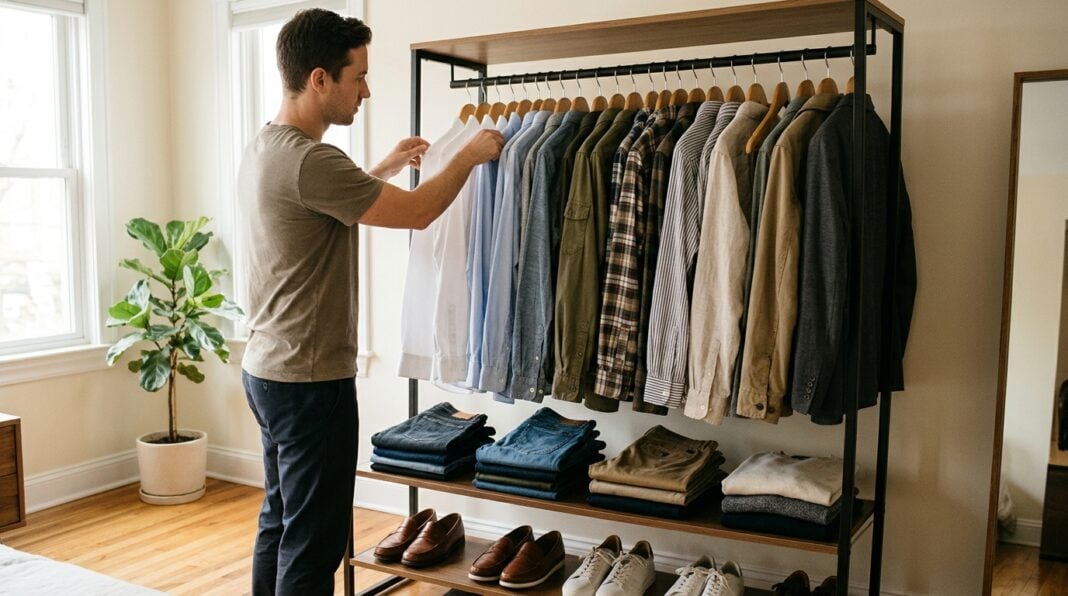
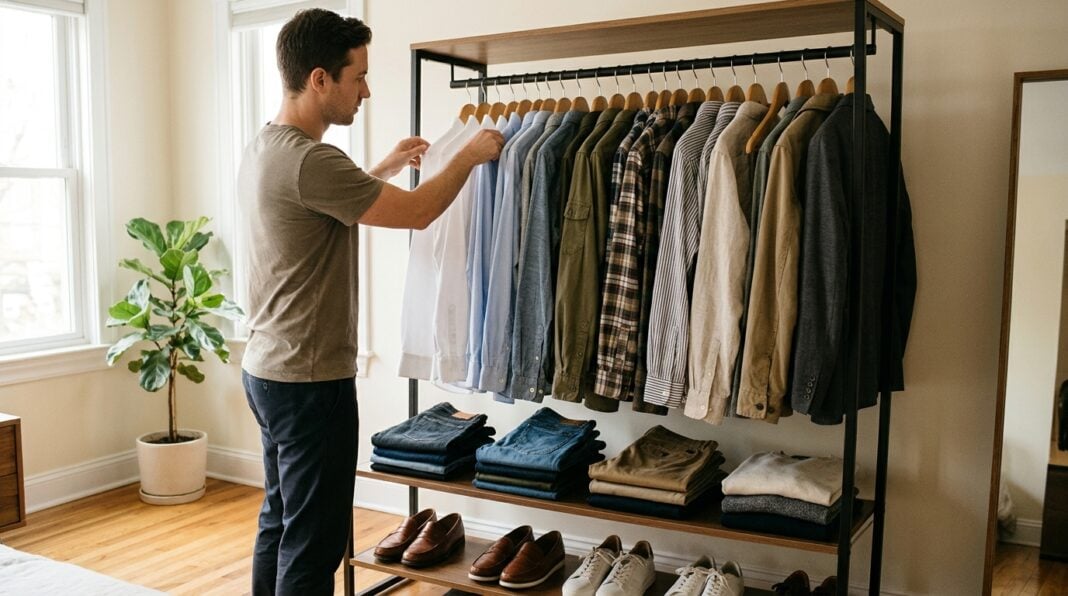
The success of an exchange day depends on thoughtful organization and an inviting atmosphere. When participants arrive, the space should feel like a boutique rather than a rummage sale. Clear signage, organized display racks, full-length mirrors, and private changing partitions show respect for the participants and encourage thoughtful selection.
Organizers can maintain order and fairness by establishing simple operating practices:
- Sort all incoming garments by category and size prior to opening the doors.
- Provide sturdy hangers and rolling racks to display garments neatly.
- Set up designated fitting corners with adequate lighting and mirrors.
- Offer clean reusable bags for attendees to transport their selections home.
Limiting the number of garments per family during the initial hours guarantees that everyone has an equal opportunity to find essential items. Once all attendees have browsed, organizers can open the floor for additional selections, ensuring that remaining inventory finds appreciative homes.
Sustaining the Collective Across Seasons
A single event provides immediate relief, but establishing a recurring seasonal initiative embeds lasting resilience into the community. Hosting exchanges ahead of autumn school terms, spring graduations, and winter holiday gatherings aligns the collective with natural cycles of family need. Between formal events, a dry storage space can hold surplus inventory and seasonal items.
Building partnerships with local dry cleaners, sewing clubs, and civic organizations can further strengthen the program. Local tailors may volunteer an afternoon to perform minor alterations, while volunteer drivers can assist families with transportation. These collaborative connections transform an ordinary clothing swap into an enduring network of mutual care.
Developing a regular cadence also encourages families to plan ahead. When households know that another exchange will take place within a few months, they are more inclined to care for their current garments with future donation in mind. This ongoing loop of giving and receiving reinforces neighborhood ties and normalizes sustainable consumption as a shared community practice.
When neighbors gather to share resources, they build social fabric that extends far beyond fabric and thread. A community wardrobe collective eases household expenses while affirming the worth of every family member who participates. It reminds us that dignity, presentation, and mutual support are shared community values that anyone can help cultivate.
By creating welcoming spaces where garments are preserved, shared, and celebrated, communities demonstrate the quiet power of collective action. Every jacket passed along and every dress handed down carries the promise of encouragement for the person wearing it next. Through small, intentional efforts at the neighborhood level, families can continue lifting one another up, milestone by milestone.