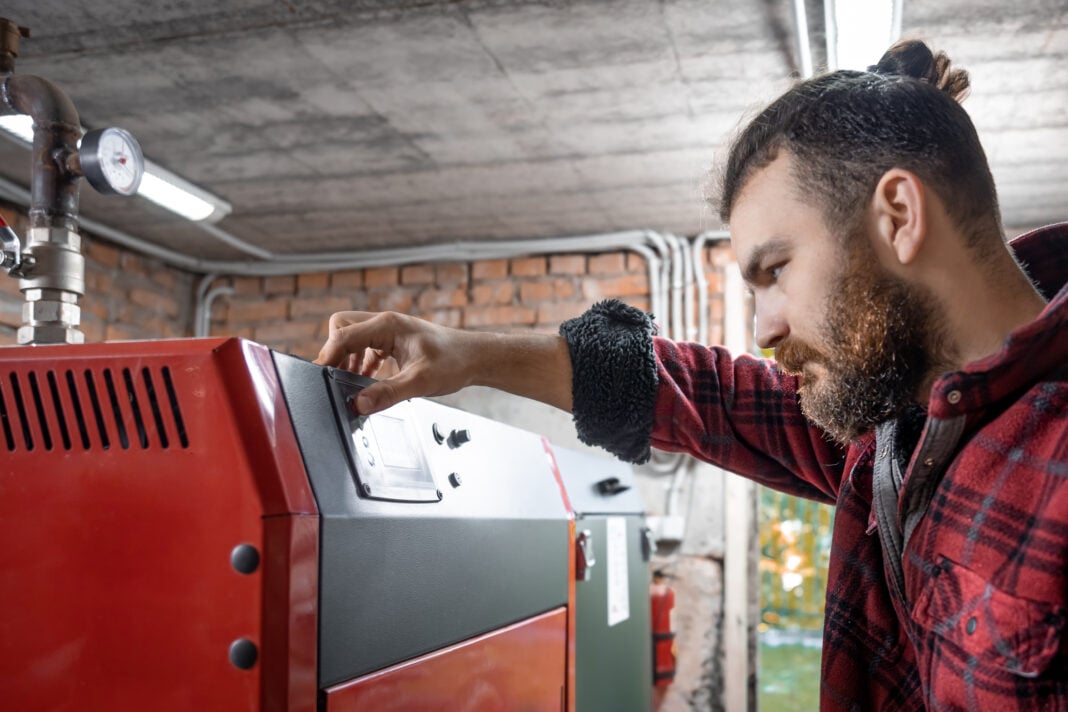
When the winter chill sets in and the snow begins to fall, your home becomes a vital sanctuary against the freezing temperatures. We rely on our heating systems to keep us safe and comfortable, but most of us rarely think about the mechanical process happening down in the basement. If your home uses radiant heat, you owe your cozy evenings to a remarkable piece of engineering. While forced-air furnaces blow dry air through dusty vents, boilers use water to distribute consistent, comfortable warmth throughout every room. Understanding how this system works demystifies the equipment and helps you spot when it needs routine maintenance. Let’s explore the step-by-step journey of how this reliable appliance turns cold water into the perfect winter shield.
The Thermostat and the Spark
The entire process begins with a simple call for heat. You set your living room thermostat to a comfortable temperature, and when the indoor air drops below that target, the thermostat sends an electronic signal down to the basement. This signal acts as the starting gun for the heating cycle. Once received, a motorized valve opens to allow fuel into the combustion chamber.
Most modern systems run on natural gas or heating oil. An electronic ignition system creates a quick spark, igniting the incoming fuel and creating a controlled, steady flame inside the chamber. This contained fire is the primary energy source for your entire house. The goal now is to capture the intense thermal energy produced by that bright flame and move it safely into your living spaces.
The Magic of the Heat Exchanger
You can’t just pipe a fire directly into your bedroom, so the system needs a secure way to transfer the thermal energy from the flame into a safe medium. This is where the heat exchanger comes into play. Think of the heat exchanger as a complex web of metal tubes or a cast-iron block that sits directly above or surrounding the combustion chamber.
The metal absorbs the intense heat radiating from the burner below. Cold water is pumped into these tubes, and as it flows through the hot metal pathways, it rapidly absorbs the thermal energy. The metal acts as a physical bridge, allowing the water to get incredibly hot without ever actually touching the open flame or mixing with the dangerous exhaust gases.
Water vs. Steam Systems
Depending on the age and design of your house, your equipment will produce either hot water or steam. Hot water systems are the most common in modern residential construction. The internal temperature reaches around 180 degrees Fahrenheit, creating extremely hot liquid water ready for circulation.
Older homes might feature a classic steam system. In these setups, the water is heated past the boiling point until it turns into pressurized vapor. Both methods are highly effective at providing a comfortable indoor climate, but they require very different types of distribution networks. Steam relies on its own built-up pressure to travel up through the pipes, while a modern hot water setup needs a little mechanical assistance to get the fluid moving toward your rooms.
The Circulator Pump and Distribution
For hot water setups, a circulator pump kicks into gear. This motorized pump acts like the beating heart of your home, pushing the hot fluid out of the basement and through a hidden network of copper or flexible PEX piping. These pipes act as veins, carrying the thermal energy into every single room of the house.
Eventually, the water reaches a terminal unit. This could be a traditional cast-iron radiator standing in the corner, a sleek baseboard heater running along the floorboards, or even a network of radiant floor tubes installed underneath your bathroom tile. As the hot water flows through these metal units, the heat radiates outward into the room, gently warming the air and the physical objects around it for a deeply comforting feel.
The Closed-Loop Return Journey
One of the most efficient aspects of this heating method is that it operates as a closed-loop system. The water doesn’t just disappear after it warms your living room. As the fluid travels through the radiators and releases its thermal energy into the air, it naturally cools down.
Once it finishes its circuit through the house, this cooler water is channeled back down a dedicated return pipe straight to the basement. It re-enters the heat exchanger, ready to be warmed up all over again. Recycling the same fluid saves significant energy compared to heating a fresh supply of freezing municipal water every time the thermostat clicks on.
Exhaust and Safety Features
While the water circulates safely inside the pipes, the combustion process leaves behind harmful byproducts like carbon monoxide and water vapor. Dealing with these exhaust gases safely is a crucial part of the operation. A dedicated flue pipe or chimney system vents these toxic gases directly outside your house, ensuring your indoor air remains clean and breathable.
Modern systems are also packed with safety sensors. If the aquastat detects dangerously hot water, or a sensor notices the flame has gone out, the internal computer shuts the entire operation down. These fail-safes prevent pressure buildup and ensure your family stays protected while staying warm.
A Cycle of Comfort
Keeping a house cozy during a bitter winter storm is a tough job, but hydronic heating is more than up to the task. By harnessing the basic principles of combustion, heat transfer, and fluid dynamics, this equipment provides a clean, dust-free, and consistent warmth that forced-air systems struggle to match. When you hear the click of your thermostat and feel the heat radiating from your baseboards, you’ll know exactly what is happening behind the scenes. You have a fascinating, continuous cycle of fire and water working tirelessly to keep the winter chill out of your home.