
Have you ever stopped to think if a quick blood sample could offer clues about your baby’s health down the road? It might seem surprising, but prenatal screening tests have really improved over time. They give you a peek into important genetic conditions that might affect your little one.
In this conversation, we’ll chat about how these tests work. We’ll break down what key numbers like sensitivity (how well the test detects a condition) and specificity (how well it rules out conditions) really mean. It’s like getting a helpful guide when you’re planning for your family’s future.
So, let’s dive in and see how much trust you can place in these tests, and what their results might mean for keeping your growing family safe and sound.
Evaluating Accuracy in Prenatal Screening Tests

Prenatal screening tests have improved a lot since NIPT first appeared in the U.S. in 2011. These tests use a simple blood draw to check cell-free DNA (tiny pieces of DNA floating in the blood) and help assess the risk of chromosomal conditions. In fact, about one in every 150 U.S. births has one of these conditions. This advance gives parents early insight into potential genetic issues, offering comfort and clarity.
Knowing how these tests work involves understanding some key numbers. We look at measurements like sensitivity, specificity, positive predictive value, and negative predictive value. These numbers tell us how dependable a test is. For example, a test with high sensitivity catches most cases of a condition, though it might sometimes suggest a problem when there is none. This kind of detail helps parents and their healthcare providers have clear discussions on what to do next when questions about a screen result come up.
| Term | What It Means |
|---|---|
| Sensitivity | The chance that the test correctly finds a chromosomal condition when it is really there. |
| Specificity | The chance that the test shows no condition when everything is normal. |
| Positive Predictive Value | If the test result is positive, this tells us how likely it is that the condition is actually present. |
| Negative Predictive Value | If the test result is negative, this tells us how sure we can be that the condition is not present. |
By breaking down these important numbers, expectant parents can better understand each screening test's strengths and limits. This clear picture supports informed conversations with doctors, helping families make decisions they feel good about based on the best evidence available.
Accuracy Comparison of NIPT, Ultrasound, and Maternal Serum Screening Tests
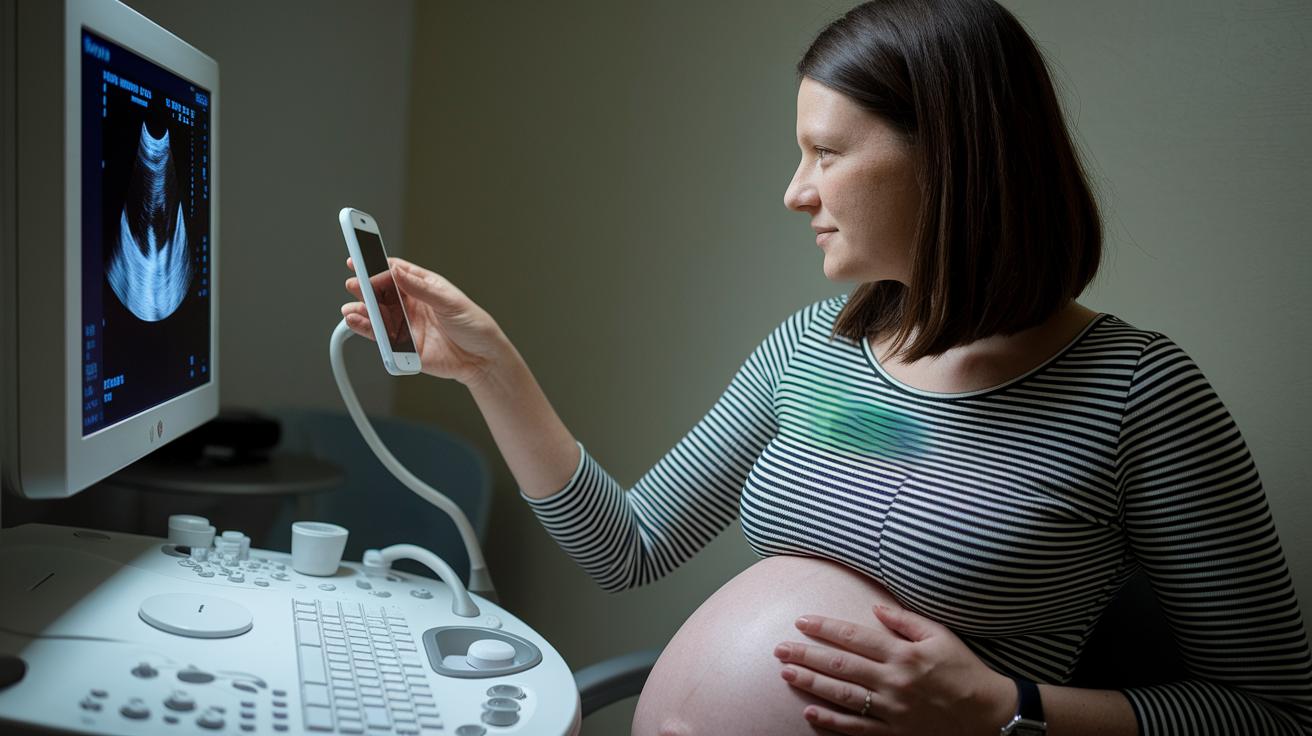
Prenatal screening tests come with their own perks and some limits. They help you gather useful details at different times during your pregnancy. Each screening uses a unique method and happens at a different stage. For example, NIPT uses your blood to check for cell-free DNA as early as nine weeks; the first-trimester combined screen looks at certain hormone levels and an ultrasound between 11 and 14 weeks; and the sequential screen is done later, during the second trimester. Meanwhile, the anatomy ultrasound is wonderful for spotting physical features, though it doesn’t check chromosomes directly.
| Test Type | Timing | Method | Relative Sensitivity |
|---|---|---|---|
| NIPT | As early as 9 weeks | Blood test (cfDNA analysis) | High |
| First-Trimester Combined Screen | 11–14 weeks | Hormone check (PAPP-A, hCG) and ultrasound | Moderate |
| Sequential Screen | Second trimester | Multiple maternal blood markers | Moderate to Low |
| Anatomy Ultrasound | Mid-pregnancy | Fetal structure imaging | Variable (not for chromosomal risk) |
NIPT gives you early answers with high accuracy, it can really boost your confidence early on. The first-trimester screen offers important hormone info, but it may not catch everything compared to NIPT. The sequential screen is done later in pregnancy, which might feel a bit slow if you’re hoping for quick insights. Anatomy ultrasound is great at highlighting physical features, even though it doesn’t assess chromosomal risks. Meanwhile, the maternal serum tests balance cost with effectiveness, though they usually have a lower detection rate than NIPT.
Different tests might be suggested as your pregnancy moves along, so you get the right info when you need it most.
False Positive and False Negative Rates in Prenatal Screening Tests

Sometimes, screening tests give you a result that feels scary even when everything is really okay. Other times, they might miss a condition that is actually there. These mix-ups happen because of the test limits and natural body differences. Even with sensitive methods like NIPT (a blood test done during pregnancy), there can be errors. For example, if there isn’t enough fetal cell-free DNA, or if the condition is very rare, the test might show a false positive or negative. So, if you get a high-risk result, it’s really important to chat with your healthcare provider for more clear information.
- Low levels of fetal cell-free DNA can make the test less accurate.
- How common a condition is in the population might change how reliable a positive result is.
- Even a very sensitive test can sometimes hint at a problem that isn’t there.
- Problems during the blood draw or lab processing might lead to confusing results.
When it comes to follow-up, doctors often focus on comforting you and explaining that these tests are just the first step. They usually suggest repeating the test or doing more detailed checks if a high-risk result shows up. This way, you can be sure of the findings before making any important decisions about your care.
Maternal and Gestational Factors Affecting Prenatal Screening Test Accuracy
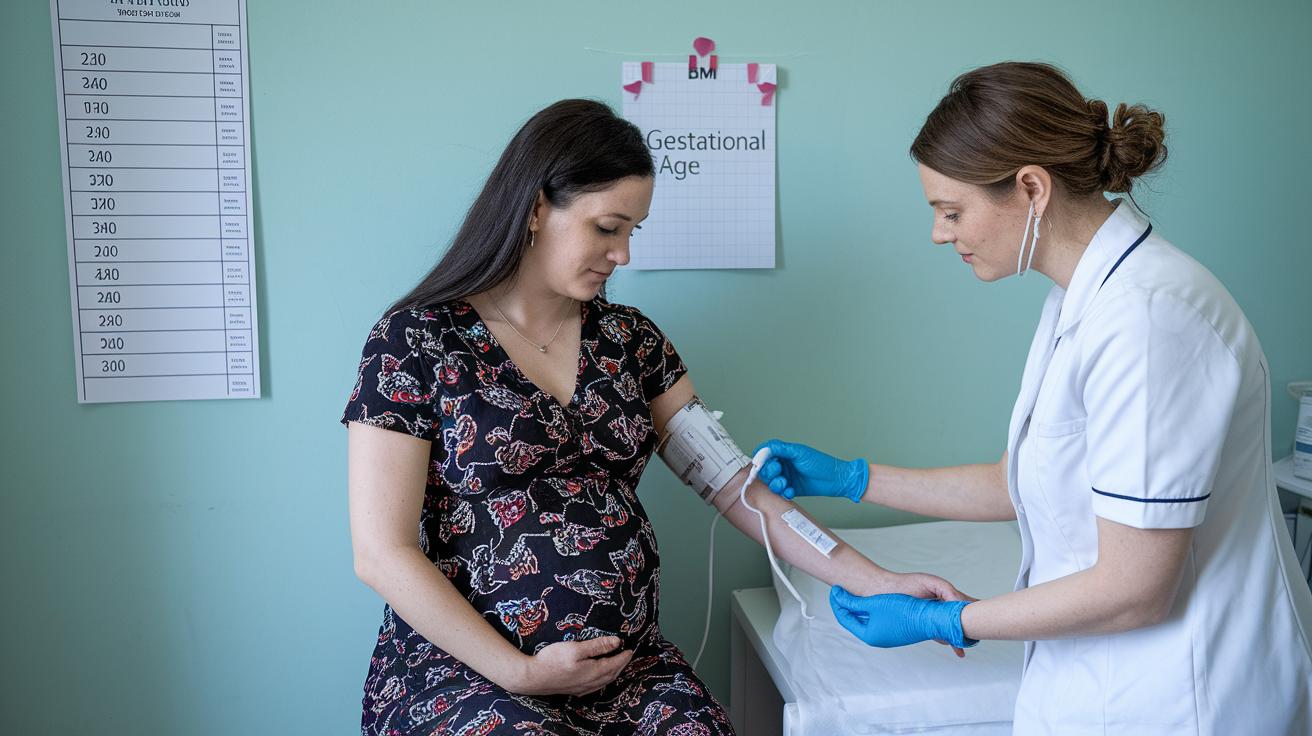
Prenatal screening tests really depend on a few key details that relate to both the mom and her pregnancy timeline. Knowing these little bits of information can help healthcare providers choose the right time and method for collecting a sample, making the test as accurate as it can be. Even small changes, like exactly when or how the blood is drawn, can shift the amount of baby DNA (called cell-free DNA) in the sample.
- Maternal Body Mass Index (BMI) – For moms with a higher BMI, the extra body mass might dilute the baby’s DNA, which can make the test a bit less sensitive.
- Gestational Age – It’s best to start non-invasive prenatal testing (NIPT) around nine weeks, when the levels of baby DNA are just right.
- Sampling Technique – A careful, precise blood draw is really important to ensure there’s enough quality sample for the test.
- Fetal DNA Levels – If the amount of baby DNA is too low, a repeat blood sample might be needed to get clearer results.
- Sample Handling – Keeping the sample properly processed and stored is key to making sure it stays clean and accurate.
Choosing the right timing and methods makes a big difference in getting reliable screening results. For example, planning the test at or after nine weeks and using a careful blood-draw process helps boost accuracy. Taking these thoughtful steps, from preparing for the test to handling the sample properly, gives healthcare providers a stronger foundation to deliver clear, trustworthy results, helping parents feel more confident as they plan for their little one’s health.
Accuracy of Prenatal Screening Tests Radiates Promise
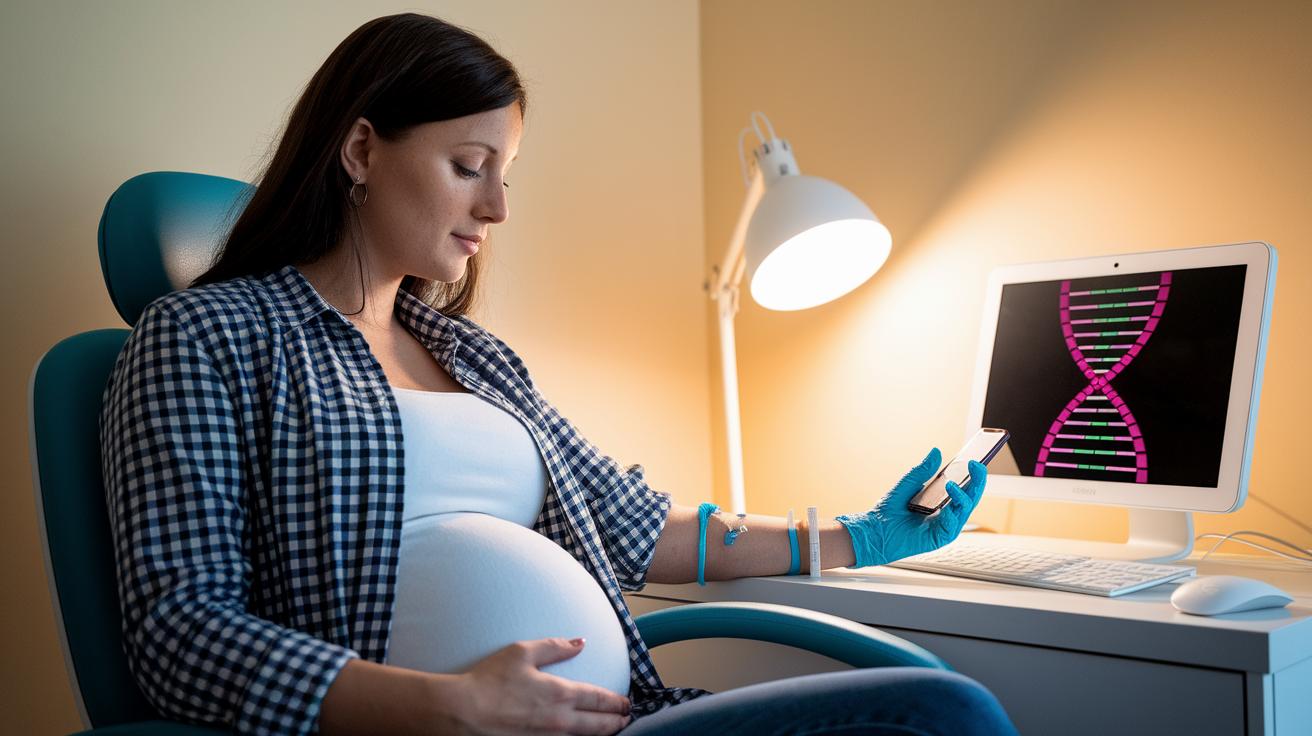
Many leading groups in obstetrics now suggest that every pregnancy should include noninvasive prenatal testing (NIPT). This test is loved because it gives easy, early answers, most results come in just 7 to 10 days. It uses a simple blood sample to check cell-free DNA, making it a trusted way to learn more about your baby's chromosomes and easing many parents’ worries with early insights.
If a test shows a higher chance of a chromosomal condition, doctors usually recommend follow-up tests like CVS (a test done early in pregnancy) or amniocentesis to be absolutely sure about the findings. This extra step helps clear up any confusion from the first test and avoids the stress of possible false alerts while guiding families through the next steps.
Talking with a genetic counselor is a big help in this journey. They chat with you before and after testing to explain the details in a way that feels clear and kind. They help you understand things like how accurate the test is and what follow-up tests might be needed. Some of the key things they discuss include:
- Looking at how sensitive the test is along with how common the condition might be.
- Going over extra testing options if a higher risk is found.
- Sharing balanced, easy-to-understand information so you can weigh the risks and decide what to do next.
Bringing genetic counseling into your care not only supports you emotionally but also empowers your healthcare team. It makes sure everyone is on the same page, using the test results carefully to guide you through your pregnancy with confidence.
Final Words
In the action, we explored how different tests compare and what factors may affect their results. We looked into strengths and limits, discussed why some tests produce errors, and considered maternal and gestational factors that shape accuracy. Each section built on the last to paint a clear picture for thoughtful decision-making.
Every detail matters when assessing the accuracy of prenatal screening tests. Stay informed, keep asking questions, and move forward with confidence.
FAQ
What are the pros and cons of prenatal screening tests?
The benefits of prenatal screening tests include early insight into chromosomal conditions that help guide decisions, while the drawbacks involve the possibility of false positives or negatives, which may lead to additional diagnostic tests.
What does a prenatal screening blood test involve?
A prenatal screening blood test involves drawing a small blood sample from the mother to analyze cell-free DNA (cfDNA), which is used to evaluate the risk of certain chromosomal conditions early in pregnancy.
How do prenatal screening tests differ from diagnostic tests?
Prenatal screening tests assess risk by providing probability estimates, whereas diagnostic tests like CVS or amniocentesis confirm conditions with a definitive answer, guiding families through next steps if risks are high.
How is a blood test used to detect chromosomal abnormalities during pregnancy?
A blood test analyzes cfDNA from the mother’s sample to identify markers of chromosomal abnormalities, offering early insight into potential conditions and helping parents decide whether further testing is needed.
What types of prenatal testing are available?
Prenatal testing includes screening tests such as NIPT, first-trimester combined screens, and ultrasounds, along with diagnostic procedures like CVS and amniocentesis that provide confirmation when screening indicates risk.
How accurate is prenatal genetic testing for gender?
Prenatal genetic testing for gender examines cfDNA to determine fetal sex with high accuracy, though a small margin of error means that in rare cases, follow-up confirmation might be necessary.
What does first-trimester genetic testing involve?
First-trimester genetic testing measures markers like PAPP-A and hCG, helping assess the risk of chromosomal conditions early in pregnancy and guiding the need for any additional, targeted testing.
Why might some mothers decide against prenatal screening tests?
Some mothers may choose to decline prenatal screening tests due to personal beliefs, worries about uncertain results, or feeling that early risk evaluation is not aligned with their preferences for managing their pregnancy.
Can prenatal tests give incorrect results?
Prenatal tests can sometimes produce incorrect results, including false positives or negatives, often due to low fetal DNA levels, meaning that confirmatory diagnostic tests are recommended if a high risk is detected.
Why isn’t NIPT 100% accurate?
NIPT isn’t completely accurate because factors like low fetal fraction and natural genetic variability can lead to occasional false results, emphasizing the need for follow-up diagnostic testing when necessary.