Are you feeling a bit nervous about starting your recovery? It can be a lot to think about. A postpartum bootcamp workout does more than just tone your muscles, it helps calm your mind and body after your baby arrives.
This simple 12-week plan guides you with gentle moves that slowly build your strength, letting you celebrate every little win along the way. In this post, we’ll explore how these nurturing exercises can help you heal and feel truly empowered on your recovery journey.
Postpartum Bootcamp Workout Foundations
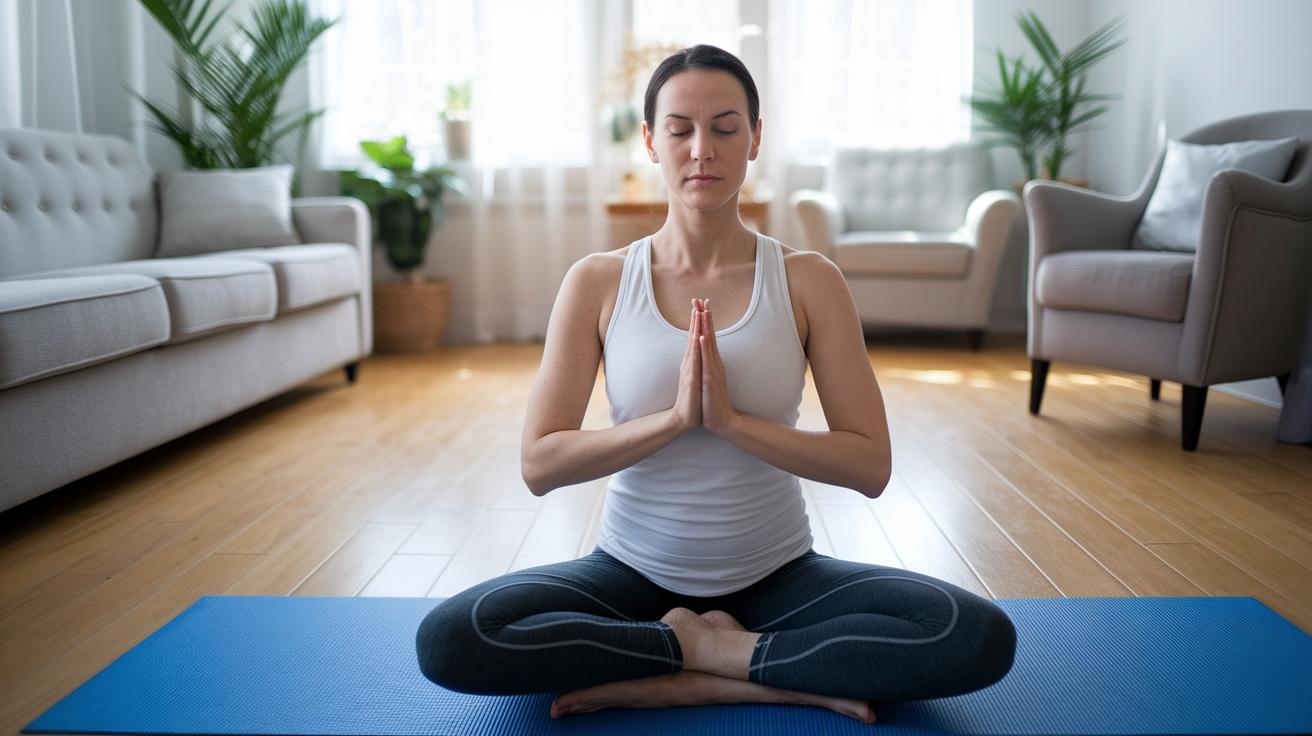
This 12-week postpartum bootcamp is all about helping you heal and feel good. In Phase 1, which starts at 6+ weeks after your baby’s arrival, you begin with gentle exercises that help you recover. In the very first two weeks, focus on soft breathing exercises and gentle pelvic floor moves, think of it like slowly getting back to a hobby you love, one small step at a time.
Then, from weeks 2 to 4, add some deep core exercises along with light walks. These moves help build strength while keeping your back and posture safe. You’ll feel the benefits as your body finds its balance. Try to set aside 15 to 30 minutes a day, about 5 to 6 times a week, and don’t forget to include at least one day for a lighter session or rest.
For your postnatal workouts, keep the gear simple, a pair of dumbbells (5 to 10 pounds) is all you need. You can also mix in low-impact cardio like walking, swimming, or cycling. Remember, every mom’s journey is different. Some might need up to 16 weeks before moving on to Phase 2, which is all about building more strength. Listen to your body and celebrate every little improvement along the way.
Did you know that many moms see big changes when they switch doubt for small, steady efforts? Embrace this plan to help you recover and grow stronger every day.
Customized Postpartum Bootcamp Workout Plan
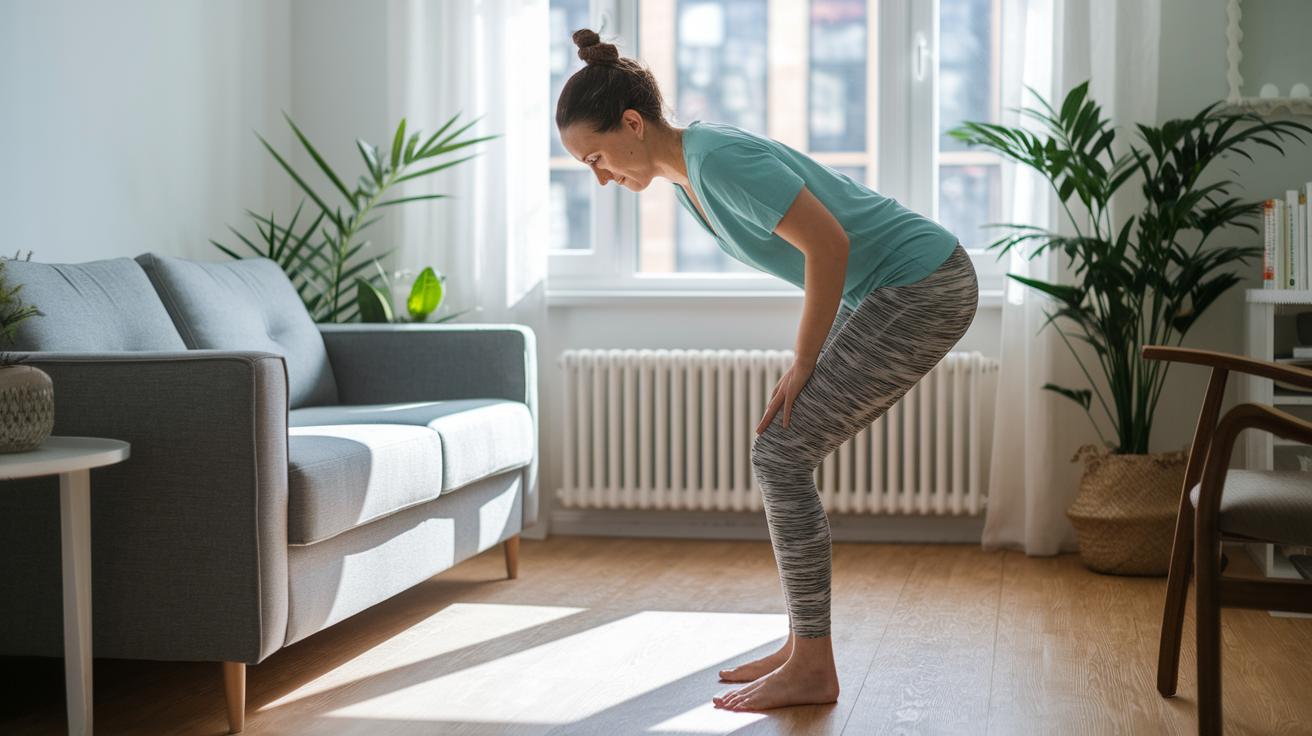
Let's begin Week 1 by easing into movement with five days of gentle exercises like breathing drills, pelvic floor moves, and a 10- to 15-minute walk. It’s a bit like warming up your car on a cool morning – your body slowly wakes up for recovery. Take two days off to rest and let your body settle.
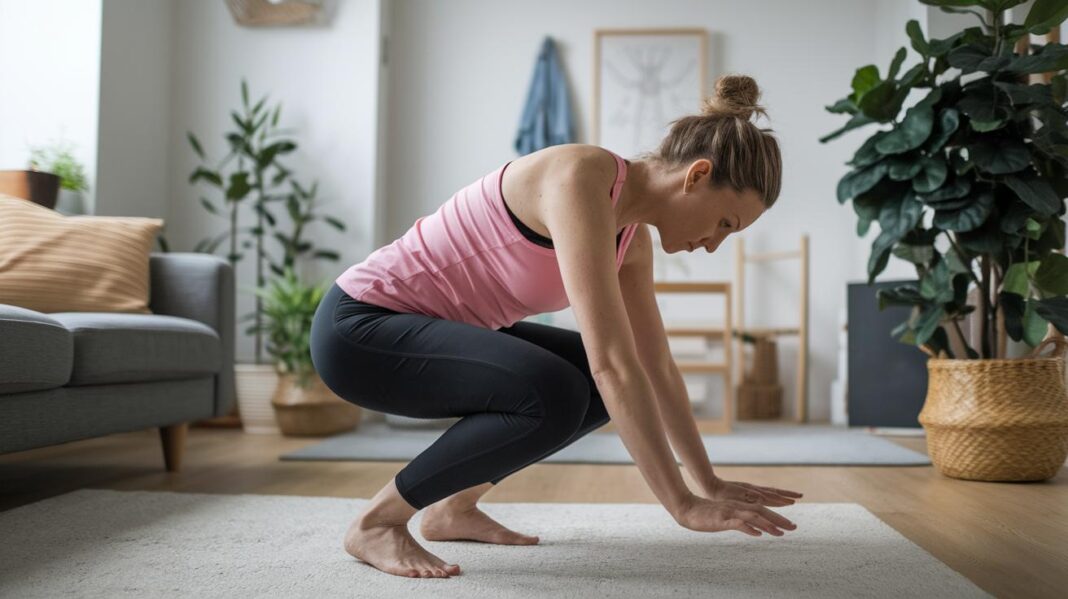
In Week 2, add a fresh twist by doing ten pelvic tilts and ten heel slides. Mix these with 15 minutes of low-impact cardio, such as a brisk walk. Imagine each tilt as a little wave of strength, gently reminding you of how resilient you are.
For Week 3, try a 15- to 20-minute dumbbell session focusing on moves like squats and glute bridges. End with a quick 5-minute core finisher to boost your stability. On the days you choose cardio, you might opt for cycling or a brisk walk so your heart stays active while your muscles recover.
By Week 4, step up the challenge with low-impact HIIT intervals. Do 10 rounds where you work hard for 20 seconds and then rest for 40 seconds. After that, add 2 to 3 rounds of a strength circuit to build on your progress, and keep enjoying your rest days. Think of this phase like tuning a guitar – each adjustment helps every note ring true.
Here’s a simple breakdown:
- Week 1: Breathing drills, pelvic floor moves, and 10–15-minute walks. (5 workout days and 2 rest days.)
- Week 2: Add pelvic tilts and heel slides (10 reps each) with 15 minutes of low-impact cardio.
- Week 3: 15–20-minute dumbbell session focusing on squats and glute bridges, plus a 5-minute core finisher; swap in cycling or brisk walking for cardio.
- Week 4: 10 rounds of low-impact HIIT intervals (20 seconds on, 40 seconds off), followed by 2–3 rounds of a strength circuit along with your rest days.
Safe Postpartum Bootcamp Workout Techniques
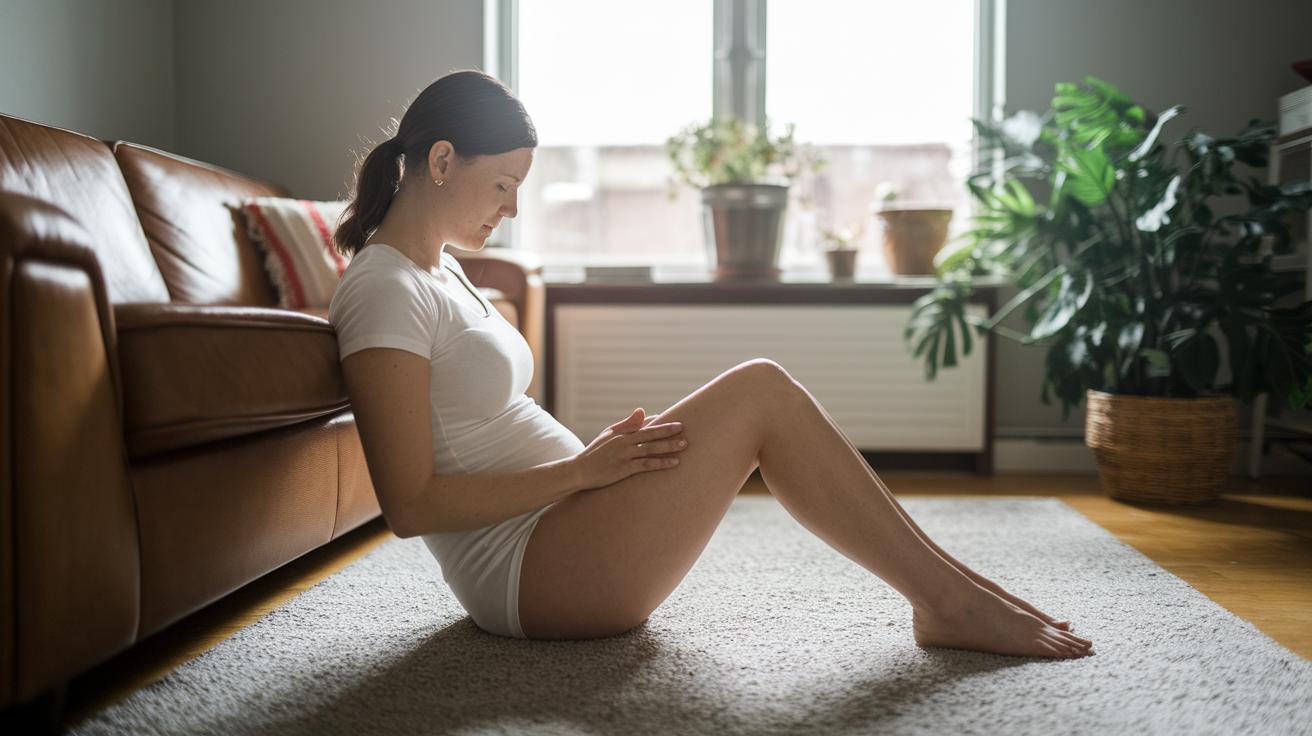
When you're starting back after having a baby, it's best to take it slow. Instead of high-impact moves like jumping, plyos, or crunches, try gentler exercises. For instance, if you normally do crunches, give a slow pelvic tilt a try. Picture gently drawing your belly inward, almost like you're softly squeezing a stress ball. And always check for any gaps in your abdominal muscles (diastasis recti) so you can work your core without too much strain.
Swap those intense cardio sessions for a 20–30-minute walk, a light bike ride, or even a few flights of stairs. There are also modifications of standing moves that help you build strength safely. Focus on activating your pelvic floor and take deep breaths with your diaphragm. Listen carefully to your body, if something doesn’t feel right, pause immediately. And remember, it’s important to get your doctor’s okay before jumping back into exercise.
For extra advice, take a look at postpartum healing tips for first-time mothers at: https://womensconference.org?p=14994
Postnatal Core Recovery Exercises for Bootcamp Workouts
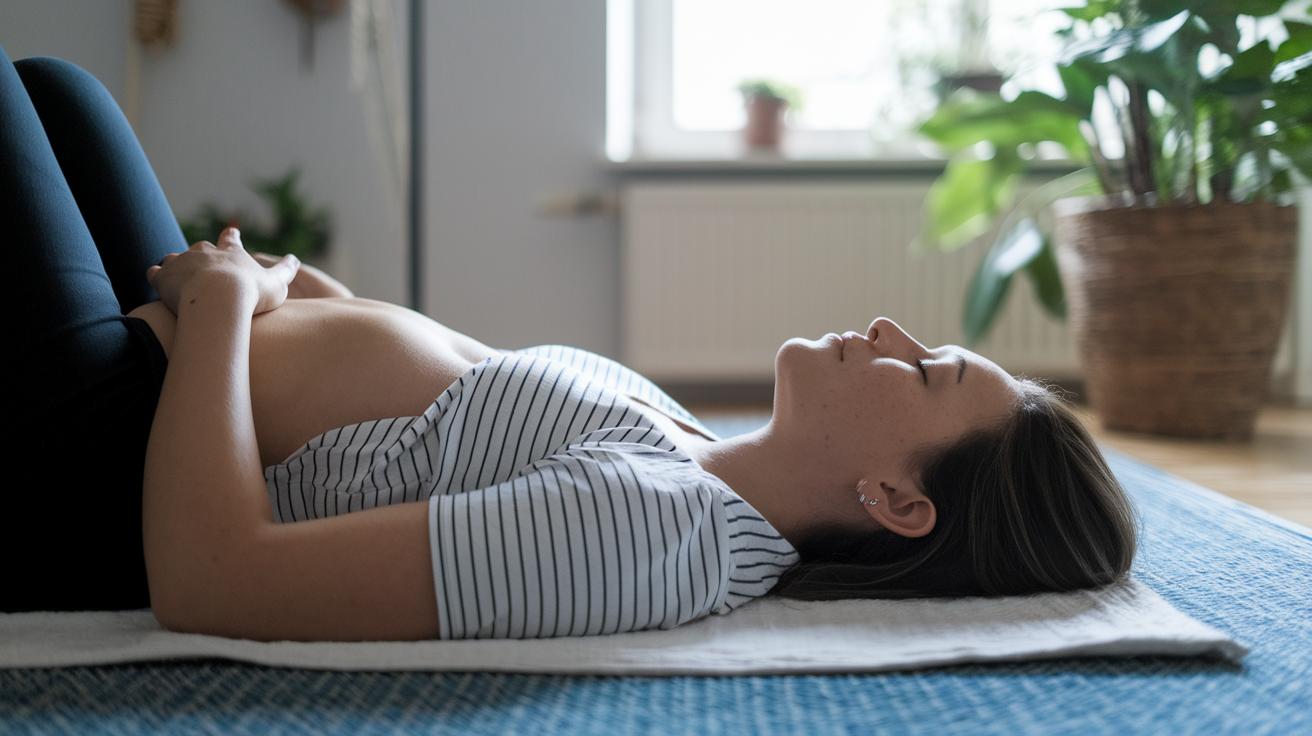
Your core recovery exercises help build a strong base after your baby. Over the next four weeks, try focusing on deep core moves with slow, careful motions and relaxed, coordinated exhales. Take your time with each move and pay attention to your breathing, it’s a gentle reminder to engage those deep core muscles that support you every day.
Pelvic Tilts
Lie on your back on a soft mat with your knees bent. Inhale slowly and let your lower back arch gently. Then, as you exhale, flatten your spine and pull your navel in toward your back. Try doing 2 to 3 sets of 8 to 12 tilts with a rest of about 30 to 60 seconds between sets. Moving slowly and mindfully lets you really feel your core working.
Heel Slides
Still lying on your back, slide one heel slowly toward your bum while keeping your hips steady. Alternate legs with each repetition. Remember to breathe steadily and exhale as you slide your heel in. Aim for 2 to 3 sets of 8 to 12 slides on each side. It’s all about taking your time and feeling the movement.
Modified Plank
Get on your forearms and knees, then gently lift your upper body by using your core and glutes. Hold this position for 10 to 20 seconds, and as you build strength, add another 5 seconds each time. This simple yet steady move helps rebuild the strength and balance of your core.
Integrating Cardio and Strength in a Postpartum Bootcamp Workout
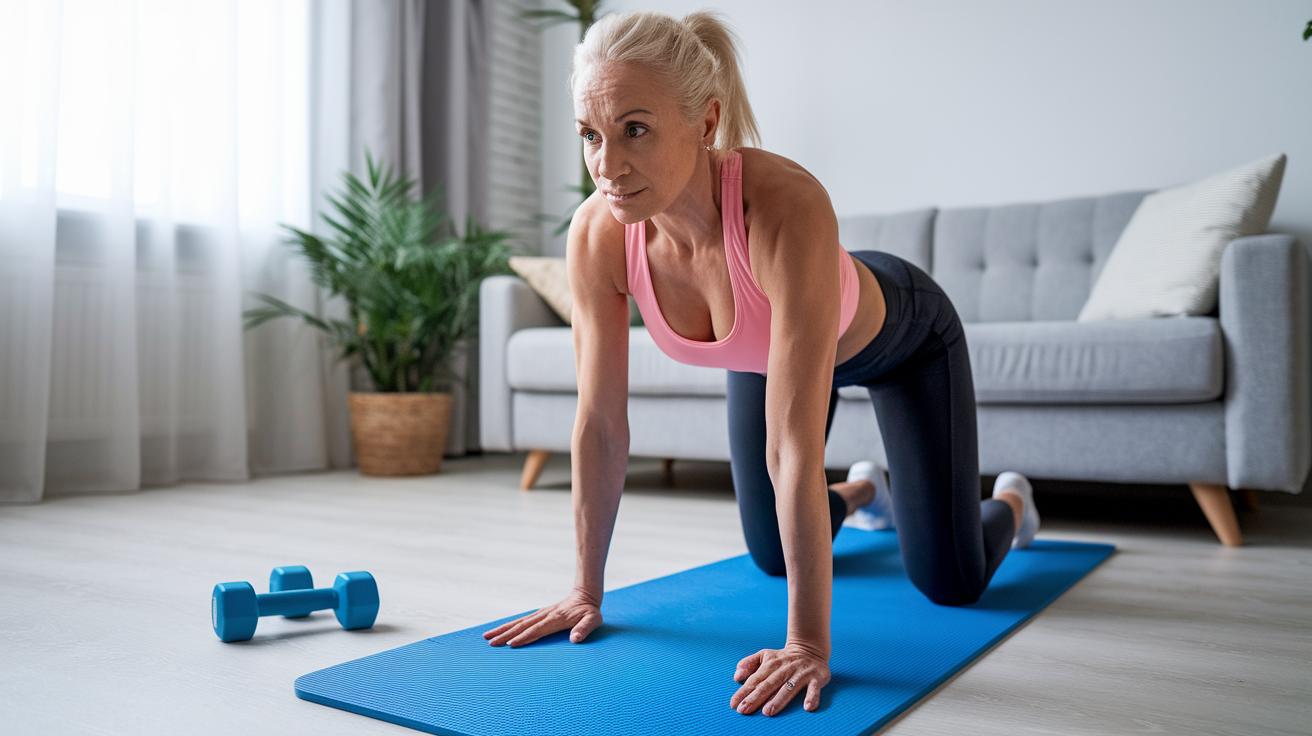
Mixing gentle cardio with strength circuits is a great way to bounce back after childbirth while supporting recovery and weight loss. Picture this: You march in place for 30 seconds, then do 30 seconds of bodyweight squats, followed by 30 seconds of glute bridges, and finally take 30 seconds to rest. Do this circuit 3 or 4 times, and you'll get your heart pumping and major muscles working.
If you're up for a bit more of a challenge, grab a pair of light dumbbells (5 to 10 lb) and try exercises like bent-over rows, overhead presses, or gentle deadlifts. These moves help build muscle slowly, all while keeping your recovery safe.
Switch up your routine by adding steady cardio workouts on different days. For example, a 20-minute bike ride or a brisk walk can keep your fitness journey fresh and exciting. Also, set aside one or two days a week for active recovery so your body can rest and rebuild. As you feel stronger, feel free to add an extra round or a bit more weight. Always listen to your body and adjust the routine so that each session helps you feel more powerful and confident.
Postpartum Bootcamp Workout Success Stories and Expert Mommy Tips
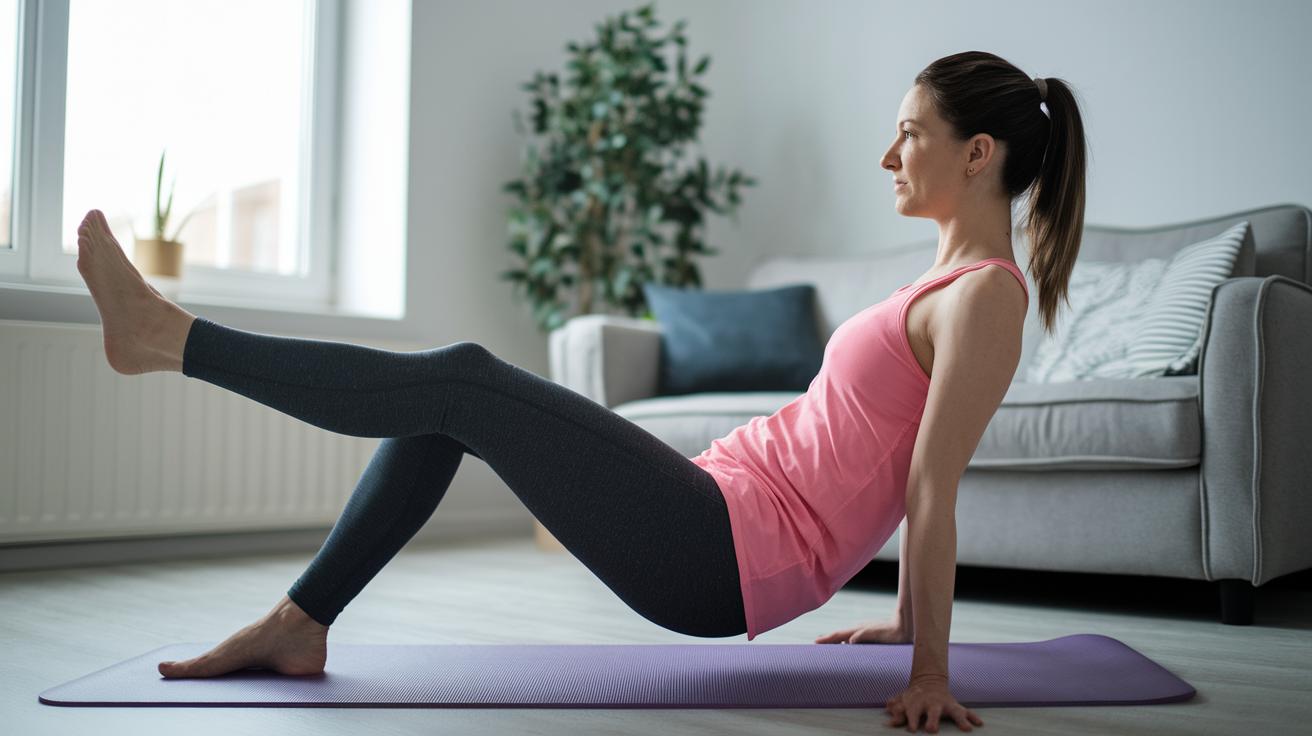
Jessica began with gentle pelvic tilts and gradually worked up to low-impact HIIT over 12 weeks, always moving at her own pace. Maria found her way too by focusing on her body’s signals, she healed her diastasis recti and built strength by patiently waiting 16 weeks before trying full circuits. Their journeys remind us that even a postnatal fitness routine can feel empowering when you go step by step.
One of the best mommy bootcamp tips is to really listen to your body. Celebrate every little win, whether it’s one extra pelvic tilt or a refreshing 10-minute walk on a busy day. Keep a water bottle nearby during your workout, enjoy a protein-rich snack afterward, and be sure to give yourself credit for every bit of progress. Even short 10–15 minute sessions that fit around your newborn’s schedule can make a big difference.
Every milestone, no matter how small, builds confidence. When you start to doubt yourself, pause and reflect on how far you’ve come. Remember, taking rest days and getting enough sleep are just as important as the workout itself. For more real-life inspiration, check out the postpartum healing success stories.
Final Words
In the action, we explored how to build a safe and effective postpartum bootcamp workout that supports recovery and strength building. The blog broke down a clear 12-week plan, detailed core recovery exercises, and offered practical techniques for mixing cardio and strength. It also shared success stories and expert mommy tips that show real progress. Every step aimed to help mothers feel empowered, confident, and cared for as they reclaim their strength and well-being. Enjoy your journey and feel great about each small win along the way!
FAQ
What does the 5 5 5 rule postpartum mean?
The 5 5 5 rule postpartum means spending five minutes on gentle breathing, five minutes on pelvic floor exercises, and five minutes on light stretching to support recovery after childbirth.
How soon should I start exercising postpartum?
Many experts recommend waiting until about six weeks after birth and always getting your doctor’s approval before beginning any workout routine.
What makes a postpartum workout program effective?
A good postpartum workout program focuses on gentle, progressive exercises for core recovery and safe strength building while including low-impact cardio, tailored to match your unique recovery timeline.
Where can I find a postpartum bootcamp workout plan PDF?
Many sources offer downloadable PDF plans that outline a week-by-week postpartum bootcamp workout, including early breathing, pelvic floor work, gentle cardio, and gradual strength sessions as your recovery evolves.
How can I lose 20 lbs postpartum safely?
Losing 20 lbs postpartum involves a balanced mix of safe bootcamp workouts, mindful nutrition, and adequate rest; work with your healthcare provider to create a plan that fits your recovery and lifestyle.
How do I find a postpartum bootcamp workout near me?
Searching online or asking local health centers can help you locate postpartum bootcamp workout classes near you, where trained instructors guide moms through safe, recovery-focused exercises.