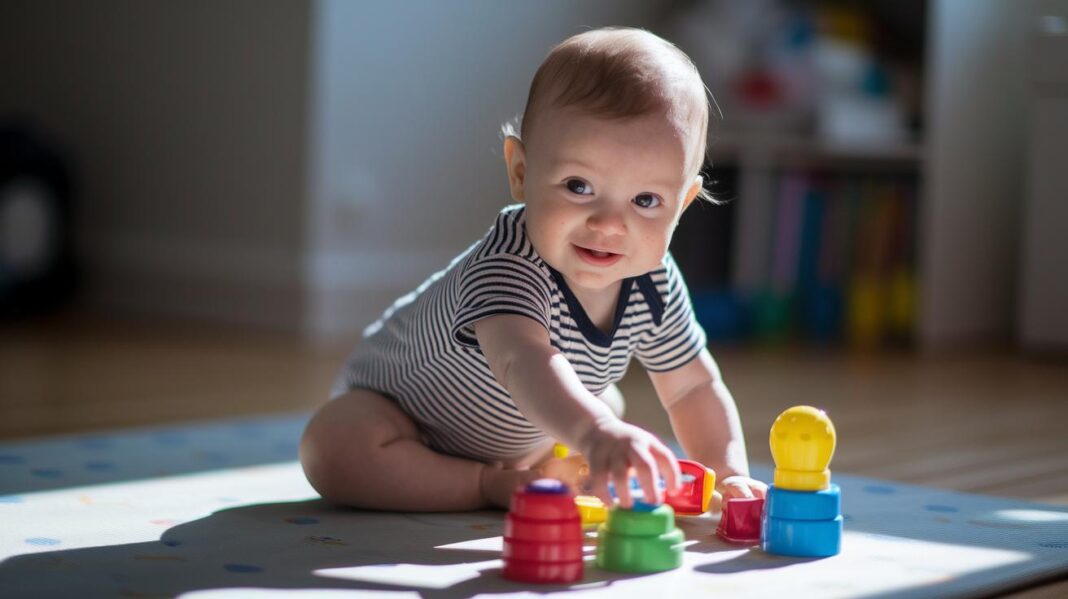
Have you ever noticed how a little burst of play can lead to big milestones for your baby? This guide is like a friendly chat, sharing fun activities that match each step of your baby's growth. Think of tummy time, where your little one gets cozy on a soft blanket, as a way to explore, gentle rocking that feels like a warm hug, and simple finger games full of silly smiles.
Every small moment can spark a wonderful win, helping your baby learn new skills one joyful step at a time. So, why not give these little activities a try? You might find that they not only brighten your baby’s day but also make your family's moments even more special.
Age-Specific Activities to Boost Infant Milestones
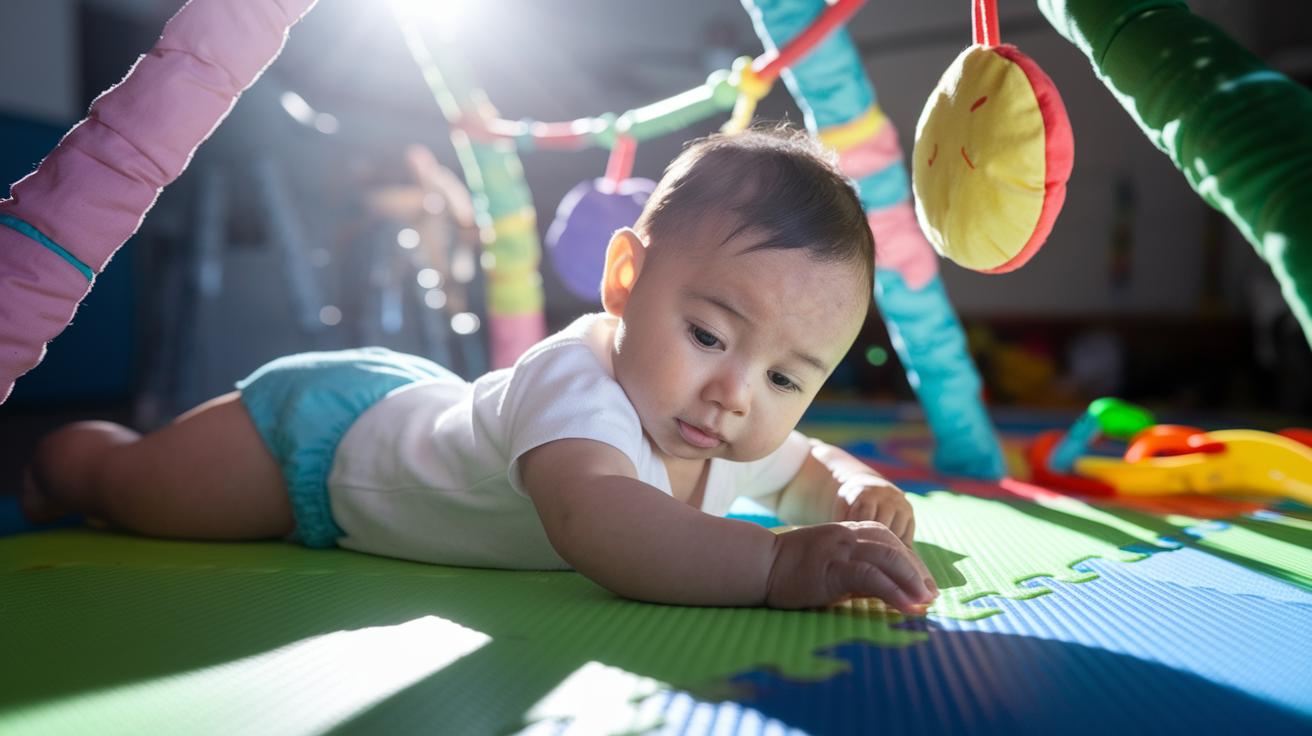
If you're a caregiver looking for simple ways to support your baby's growth, you've come to the right place. Here, we share fun and safe activities tailored to different age groups that help your little one explore their world through touch, movement, and play. Each stage comes with ideas that are easy to fit into your daily routine, making development a natural and joyful journey.
| Age Range | Focus Area | Sample Activity |
|---|---|---|
| 0–3 months | Sensory and early motor skills | Tummy time (2–3 minutes, 2–3x daily), babywearing, gentle rocking, and soft music during floor play |
| 3–6 months | Motor exploration and sensory stimulation | Songs with finger plays, rolling games, foot rattles, and supported upright play |
| 6–12 months | Gross motor and cognitive growth | Seated bouncing, exercise ball rides, tunnel play, obstacle courses, pre-crawling leg lifts |
This table offers a clear benchmark for growth. It links each developmental stage with everyday activities that are both safe and fun, giving you a reliable guide to help your baby reach their milestones one day at a time.
Sensorimotor Exploration Moves to Boost Infant Milestones
Tummy Time Techniques
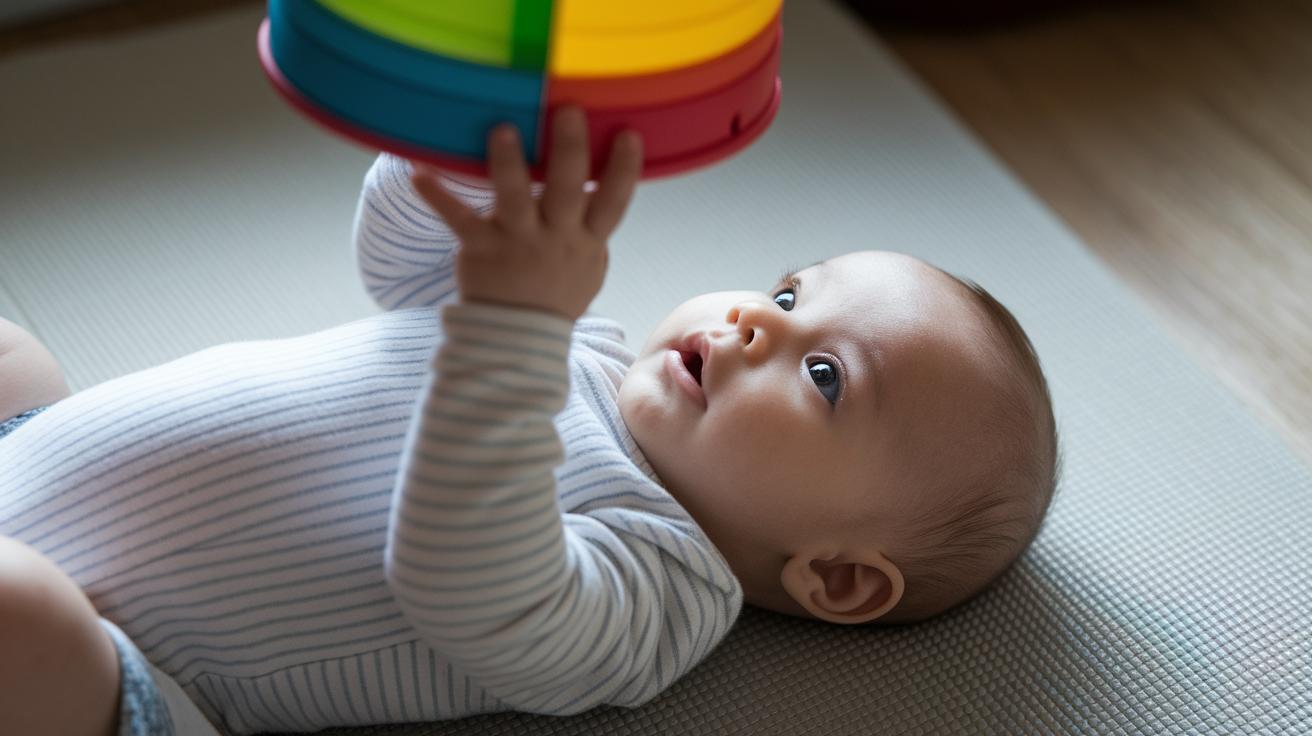
Start with short tummy time sessions, about 2 to 3 minutes at a time, 2 to 3 times a day. Lay your baby on a soft, textured mat so they feel both gentle cushioning and a little bit of resistance. Begin with these brief periods and slowly build up as your little one gains stronger neck control. Arrange the space so your baby can see a bright, high-contrast mobile or a favorite toy, making it fun and engaging. Keep a close eye on them, and if they start to get fussy, it’s perfectly okay to take a quick break. Just think about the delightful moment when your baby lifts their head to catch a glimpse of that colorful toy, it’s pure curiosity in action.
Grasp Acquisition Drills
Introduce simple exercises to help your baby learn to grip and explore with their hands. Offer soft rattles or fabric strips placed within easy reach and gently encourage your little one to reach out, grab the object, and even bring it to their mouth. As your baby gets more comfortable, you can slowly change the position of the toy to keep things interesting. This playful approach not only boosts their fine motor skills but also turns playtime into a fun, interactive experience. Even swapping a rattle for a textured toy can make a big difference in how they explore and learn.
Guided Movement Challenges for Gross Motor Milestones
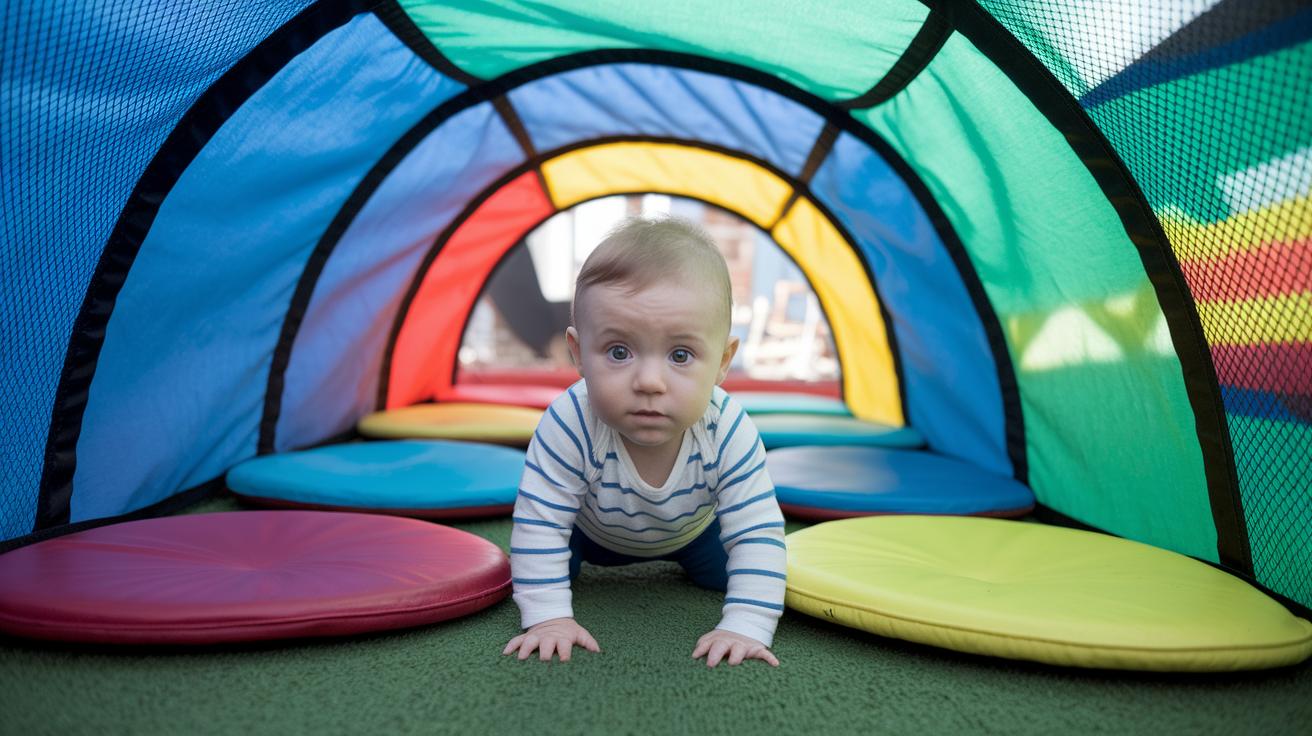
For little ones between 6 and 12 months, playful movement can really boost their gross motor skills in a fun and safe way. These simple activities help your baby explore crawling and early walking with gentle guidance and lots of support.
Crawling Activities (6–9 months):
- Tunnel play: Create a safe tunnel using cushions or a play tunnel so your baby can crawl through it.
- Ramp practice: Set up a gentle, low ramp to let your baby practice crawling up and down.
- Obstacle course: Arrange soft pillows or rolled blankets in their path to help them maneuver around.
- Chasing rolling objects: Roll a soft ball or blow bubbles to encourage your baby to chase after them.
- Textured surface crawling: Lay down a mat with different textures to spark sensory fun while they crawl.
Standing/Walking Drills (9–12 months):
- Standing reach and step: Hold a favorite toy just within reach to encourage your baby to stand and take a step toward it.
- Supervised cruising at an activity table: Let your little one cruise around safely for short sessions of about 15 minutes, always watching closely.
- Push-toy steps: Offer a sturdy push toy that helps your baby take small, confident steps.
- Movement songs: Sing a gentle, rhythmic tune while guiding their steps to add some extra fun.
- Assisted balance drill: Hold your baby’s hands as they practice keeping their balance and taking tiny, sure steps.
Cognitive & Interactive Learning Games to Boost Infant Milestones

Interactive games are a fun way to help your baby explore and learn about the world in a happy, gentle manner. With newborns and little ones aged 2–4 months, even a simple game like making silly faces, sharing twinkling eye contact, or playing soft music with gentle finger movements can set the stage for social interaction and strengthen memory. When you flash a playful grin, your baby’s smile shows that they recognize and love your expression.
For babies aged 4–6 months, activities like playing with bubbles or enjoying a peekaboo game with a soft fabric are amazing for showing them that things can disappear and then come back, an early spark of understanding that builds their thinking skills.
And when your little one is a bit older, around 6 to 12 months, games become even more engaging. Playing peekaboo alongside fun songs that name body parts helps boost their vocabulary and problem-solving skills. These playful moments can make learning language feel like a joyful adventure. For more details, check language development milestones.
Parental Bonding Routines to Boost Infant Milestones

Every day, try to make time for gentle bonding with your baby. Simple things like skin-to-skin cuddles and carrying your little one in a baby carrier help calm their heart and bring a sense of peace. After bath time, a soft massage can ease your baby into a relaxed state. It’s a sweet way to build trust while giving your child a chance to feel safe and loved.
Talking, singing, or reading aloud during cuddle time is a wonderful way to connect. And if you make funny faces in a mirror, you might be surprised by how your baby lights up in response. Even just a few minutes of shared smiles and soft words can really help your baby grow and feel connected.
Final Words
In the action of supporting early growth, this article shared a range of activities to boost infant milestones. We explored age-specific tasks, from tummy time and grasp drills to crawling challenges, supported walking, and interactive learning games, all designed for your little one’s unique stage. Each section also highlighted nurturing bonding routines that add warmth to every milestone. These suggestions offer practical ways to promote your infant’s progress while building those precious connections. Keep embracing these activities to boost infant milestones and celebrate every small achievement along the way!
FAQ
What do activities to boost infant milestones PDF include?
The activities to boost infant milestones PDF includes age-based exercises that support sensory, motor, and cognitive growth. It describes routines such as tummy time, grasp drills, and interactive play to nurture overall development.
What do educational activities to boost infant milestones encompass?
The educational activities focus on interactive, hands-on games like songs, finger plays, and visual stimulation that support infants’ sensory, motor, and cognitive skills in everyday settings.
How do activities to boost infant milestones at home work?
Home-based activities for infant milestones include gentle tummy time, supported rolling games, and interactive parent-child play, making developmental progress safe and accessible in a familiar environment.
What activities benefit infants from 0–12 months?
Activities for infants 0–12 months involve age-appropriate routines like tummy time, sensory games, and early movement exercises, all designed to encourage motor, cognitive, and social development stage by stage.
What are creative activities for babies 0–12 months?
Creative activities for babies include gentle music, playful finger games, and visual contrasts that help stimulate their senses, encourage movement, and build early problem-solving skills in an engaging way.
What developmental activities help infants 0–3 months?
Developmental activities for infants 0–3 months include short tummy time sessions, gentle rocking, and babywearing, which help build neck strength, sensory awareness, and early motor skills in a nurturing setting.
What activities support babies 3–6 months?
Activities for babies 3–6 months feature engaging finger plays, rolling games, and supported upright play. These routines foster coordination, fine motor development, and social interaction through simple, interactive movements.
What activities boost milestones for babies 12–18 months?
For babies 12–18 months, guided walking, creative obstacle setups, and interactive songs promote gross motor skills and early cognitive recognition while ensuring the activities remain safe and engaging.
How can I help an infant reach milestones?
Helping an infant reach milestones means incorporating diverse, age-appropriate activities that stimulate sensory, motor, and cognitive skills along with steady routines and warm caregiver guidance.
What is the 5 8 5 rule for babies?
The 5 8 5 rule for babies typically outlines balanced periods of activity and rest—for example, five minutes of active play like tummy time, eight hours of sleep at night, and short naps throughout the day.
What activities help baby development?
Activities such as tummy time, grasp acquisition drills, interactive games like peek-a-boo, and gentle sensory exploration directly support a baby’s motor, cognitive, and social growth in a nurturing way.
Which type of activity promotes infant cognitive skills?
Activities that promote infant cognitive skills include interactive games like peek-a-boo, object recognition tasks, and simple language songs that stimulate memory, attention, and early problem-solving abilities.