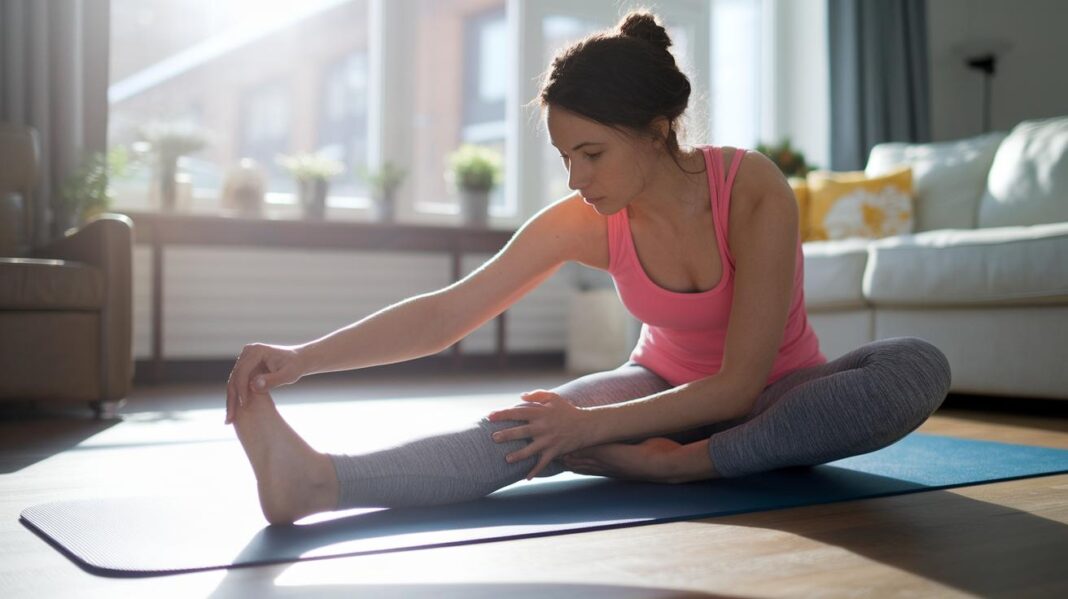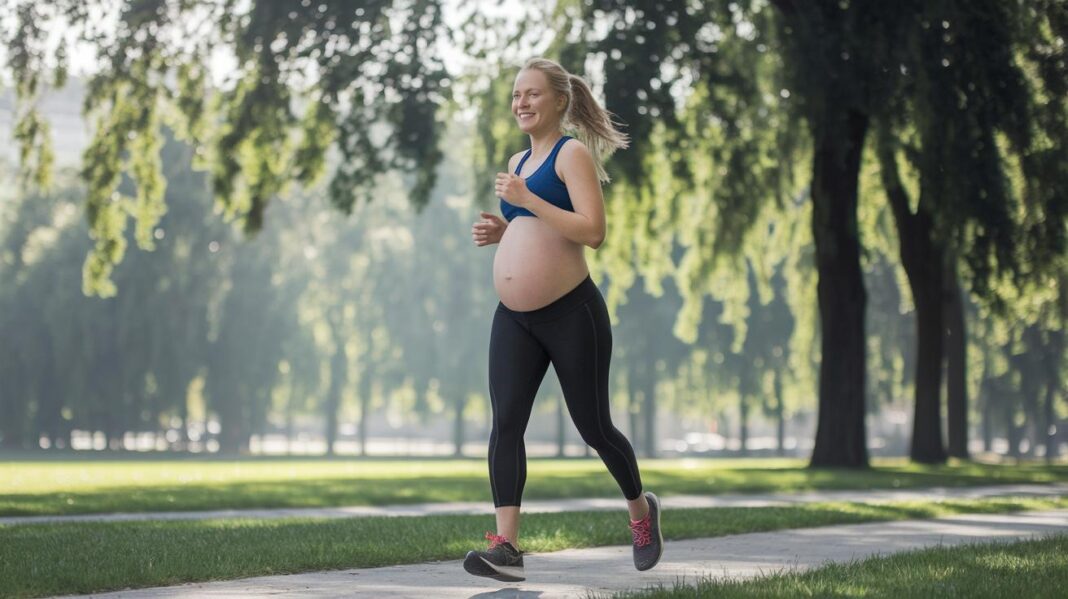
Do you think staying active while you're pregnant means a lot of extra work? It really doesn’t have to be that way. Many moms find that a mix of healthy food choices and gentle exercise can brighten their days and help support their growing little one.
Imagine taking a short walk and feeling that spark of energy, or enjoying a small snack that warms your body and your heart. This blog shares how simple nutrition and easy movement can help you feel that inner glow.
Let’s take a look at some easy steps to keep you feeling strong and confident every day.
Core Nutrition and Exercise Strategies for an Active Pregnancy
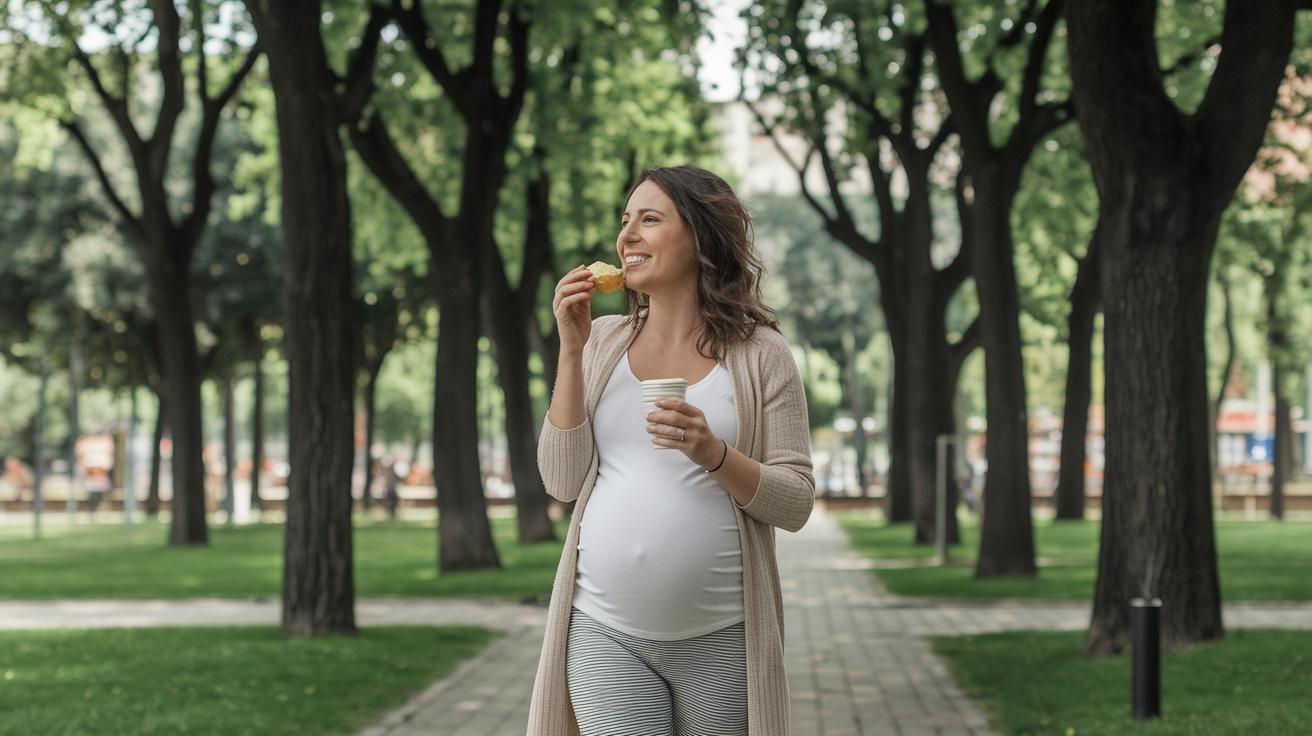
Pregnancy changes your body in amazing ways. You might feel your heart beating faster as it works to move extra blood through your body, and your muscles and joints may start to feel different as they adjust. Eating well along with gentle exercise helps keep both you and your baby feeling strong and full of energy. I remember adding a short walk after a light snack, it lifted my mood and kept my energy steady throughout the day.
- Aim for about 150 minutes of easy, moderate exercise each week. A simple walk or a bit of gentle cycling can keep your heart happy without overdoing it.
- Try to eat every three hours, around seven small meals a day. This helps keep your energy up and protects your muscles.
- Fill your plates with balanced meals that include enough protein (about 1.4–2 grams per kilogram of your weight), healthy fats (1–2 grams per kilogram), and plenty of complex carbohydrates. These foods help power your workouts and support your baby’s growth.
- Drink between 8 and 10 cups of water daily. This extra hydration is key as your body works overtime during pregnancy.
- When you need to stand for a long time, do little moves like calf raises or march on the spot to help your blood flow. Also, if you often feel a bit light-headed, support stockings might bring some comfort.
Combining these nutritious food tips with gentle exercise creates a caring space for both you and your little one. It keeps your heart strong, balances your circulation, and gives your body the steady flow of nutrients it needs. Plus, it can help ease common pregnancy discomforts like back pain and fatigue. These small, practical steps set the stage for a healthy pregnancy and a smoother start into early motherhood. And definitely have a chat with your healthcare provider about these ideas, especially when it comes to any prenatal (care during pregnancy) vitamins.
Nutrition and exercise for an active pregnancy: Glow
First Trimester
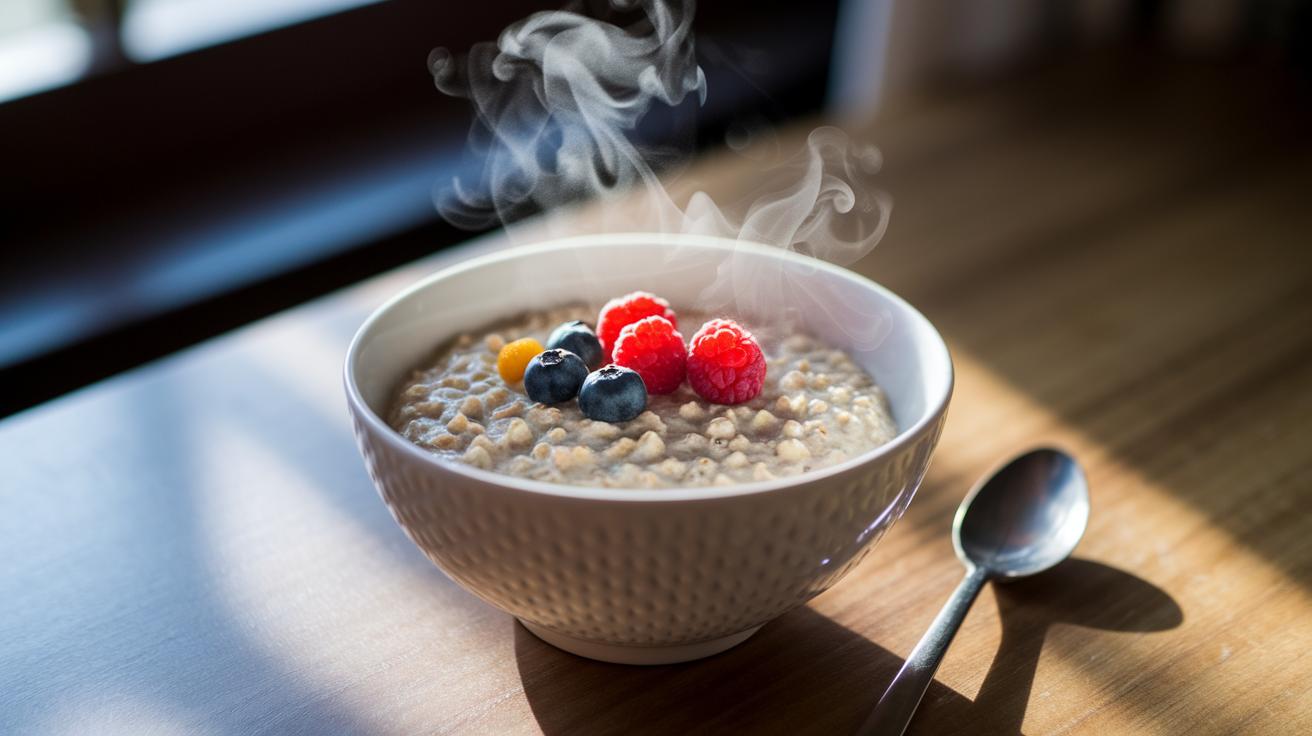
During your first trimester, you may only gain a little weight (about 1 to 4.5 pounds), so try to eat small, nutrient-rich meals more often. For example, imagine a warm bowl of oatmeal mixed with berries that gives you those essential vitamins and whole grains. It’s also a great time to add in foods with healthy fats like DHA (a key nutrient for your baby’s brain development); a small serving of salmon or a chat with your provider about a DHA supplement works nicely. When it comes to moving your body, stick with gentle activities like easy walks or light stretching, keeping things relaxed helps avoid overheating. And don’t forget to listen to your body; if you feel unexpectedly tired, it might be a good idea to rest a bit more.
Second Trimester
In your second trimester, your blood volume is increasing, so it might be a good time to add some light resistance exercises while keeping safety in mind. Imagine doing simple arm curls with light weights to gently build strength. You can also think about adding roughly an extra 300 calories each day by including lean proteins, whole grains, and plenty of fruits and veggies, like tossing together a colorful quinoa salad with mixed vegetables. For exercise, moderate activities such as cycling on a stationary bike or even water aerobics can keep you active and comfortable. And as always, pay attention to how you feel; if anything seems off or too tiring, it’s perfectly fine to slow things down.
Third Trimester
In the third trimester, as your body gets ready for birth, opt for low-impact moves that keep you feeling good without too much strain. Walking or swimming can be really soothing, picture a gentle stroll in a peaceful park that helps your muscles unwind. Staying hydrated is super important now, so try to take small sips of water regularly during your workout. And if you ever feel dizzy, short of breath, or hurt, stop immediately and rest. Keeping up with about 150 minutes of moderate activity each week can help both you and your baby feel well, while keeping things easy on your body.
Designing Balanced Gestation Diet Plans for an Active Pregnancy
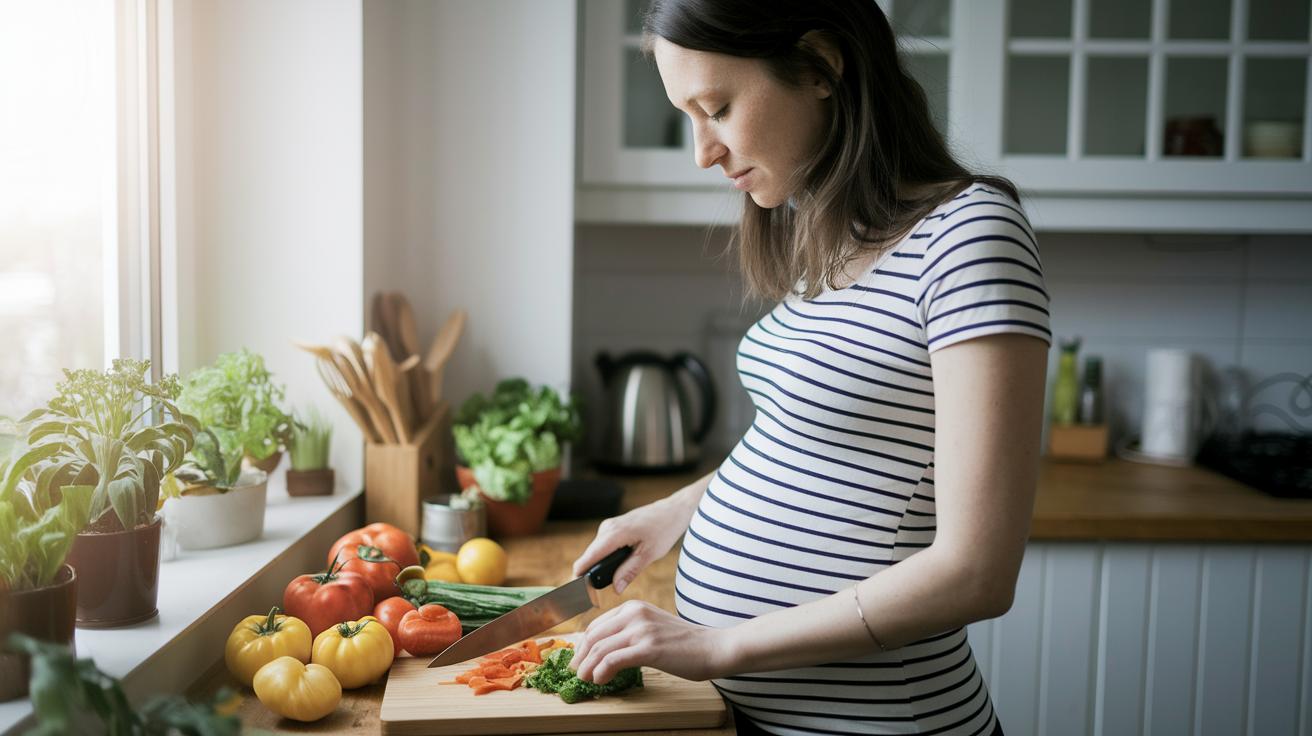
When you're expecting and leading an active life, planning your meals with care can really help both you and your baby feel great. You want to grab about 45–65% of your daily calories from carbs, 20–25% from proteins, and 25–35% from fats. And don’t forget those important little helpers like 600 mcg of folic acid (a vitamin that supports your baby's growth), 27 mg of iron, 1,000 mg of calcium, and 200–300 mg of DHA (an omega-3 that supports brain development).
Try to enjoy small, balanced meals every three hours or so. This helps you keep your energy steady throughout the day, and don’t forget to drink around 8–10 cups of water to stay well-hydrated. It’s like giving your body a continuous boost, just what you need during this special time.
| Meal | Nutrient Focus | Sample Menu |
|---|---|---|
| Breakfast | Carbohydrates & Fiber | Oatmeal with fresh fruit |
| Morning Snack | Protein & Healthy Fats | Greek yogurt with a sprinkle of nuts |
| Lunch | Balanced Macros & Micronutrients | Quinoa salad with lean protein and mixed veggies |
| Afternoon Snack | Complex Carbs & Vitamins | Veggie sticks with hummus |
| Dinner | Lean Proteins & Good Fats | Grilled chicken, brown rice, and steamed broccoli |
For snacks, try options like fresh fruit slices with a little nut butter, a handful of unsalted mixed nuts, whole grain crackers paired with low-fat cheese, or a small bowl of berries packed with antioxidants. Even veggie sticks with a light yogurt dip can give you that extra burst of energy. Enjoy these simple, nourishing choices as you move through your day, each one giving you another little moment of care.
Safe and Effective Exercise Routines for an Active Pregnancy

Regular exercise can help ease everyday aches like back pain and let your body adjust naturally. Start with a light 5–10 minute warm-up, maybe try arm circles or marching in place, to get your muscles ready. Then aim for about 150 minutes of moderate activity each week. This can be something gentle like walking, swimming, or using a stationary bike. These activities not only help you feel better but may also lower the risk of gestational diabetes (high blood sugar during pregnancy) and high blood pressure.
Mix in a few strength exercises too. For example, try doing squats (3 sets of 12), resistance-band rows (2 sets of 15), and pelvic floor exercises like Kegels (3 sets of 10) to improve your stability. End your workout with some gentle stretching to boost your flexibility and help you relax afterward.
- Do three cardio sessions of about 30 minutes each week, think brisk walking or a refreshing swim.
- Do two strength training sessions every week by including those squats, resistance-band rows, and Kegels.
- Set aside one session for flexibility work with light stretching or gentle yoga that keeps you cool.
- Do start each workout with a 5–10 minute warm-up.
- Do keep a steady pace that gets your heart moving.
- Do include strength exercises to support your changing posture.
- Don't do high-impact activities or join classes that might raise your body temperature too much.
- Don't ignore signals like dizziness or discomfort, adjust your workout to what feels right for you.
Modifications and Safety Tips for Exercise in an Active Pregnancy
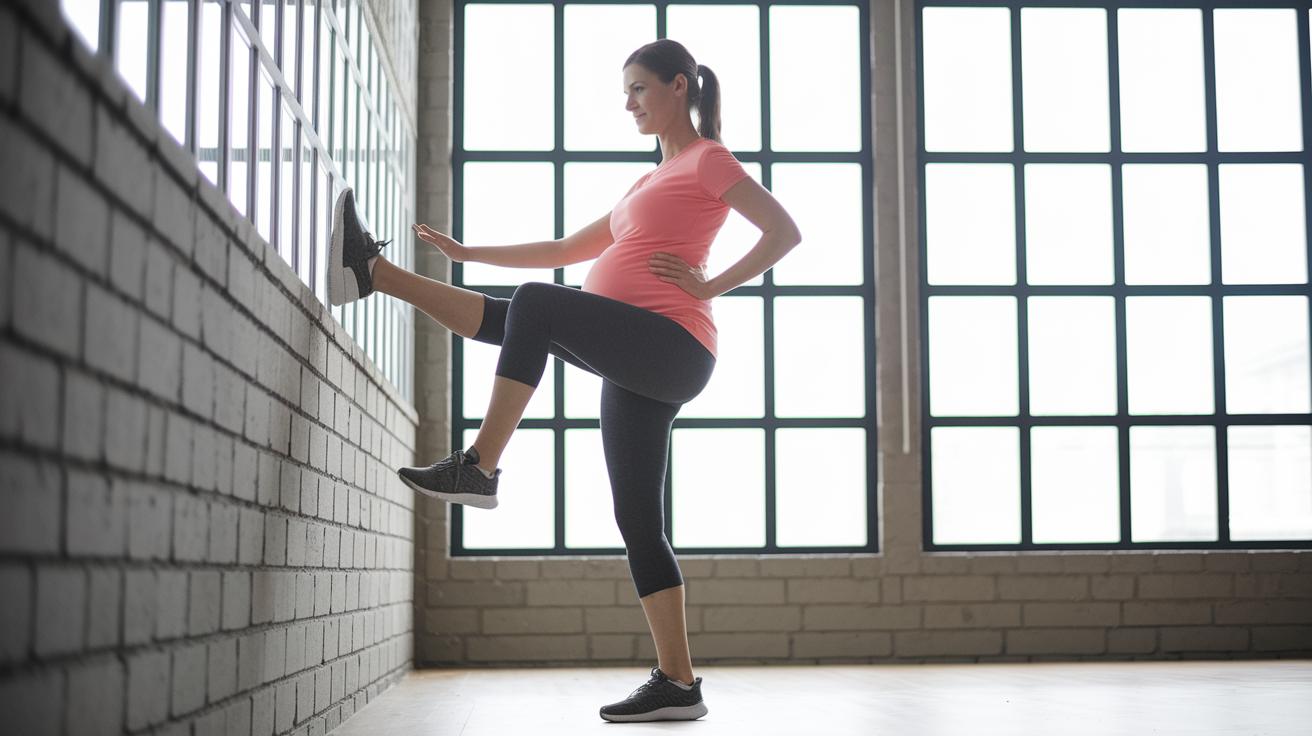
Staying active is wonderful, but while you're pregnant, it's a good idea to adjust your routine to keep things comfortable and safe. Hormones can make your joints a bit softer, so little changes can really help prevent strain. Imagine doing leg swings next to a wall, as if you had a supportive friend nearby.
Here are some safe changes you might try:
• Avoid deep lunges and high-impact jumps.
• Use a chair or wall to help keep your balance.
• Warm up with simple moves like leg swings and shoulder rolls.
• Do seated stretches for your hamstrings and hip-flexors.
• Keep your back straight and focus on slow, deep breaths (instead of holding your breath).
• Add gentle calf raises and some in-place walking to boost blood flow.
Listen to your body. Stop exercising if you feel dizzy or lightheaded, notice any vaginal bleeding, experience sharp or ongoing pain in your joints or belly, have trouble catching your breath, or feel overwhelmingly tired.
Monitoring Weight Gain, Energy, and Hydration in an Active Pregnancy

Keeping an eye on your weight, energy, and water intake can make a big difference during pregnancy. Tracking your weekly weight, meals, and exercise helps you see what's working well and what might need a little tweak. It also makes it easier to notice if you might be getting dehydrated, like when your urine gets darker or you feel unusually tired.
| BMI Category | Target Weight Gain |
|---|---|
| Underweight | 28–40 lbs |
| Normal | 25–35 lbs |
| Overweight | 15–25 lbs |
| Obese | 11–20 lbs |
In your second trimester, try adding about 300 extra calories each day. Then, in your third trimester, bump that up to around 450 more calories daily. Be sure to fill your plate with nutrient-rich foods that support both you and your baby. Regular prenatal check-ups are a great way to keep tabs on your overall health, including your blood pressure.
- Aim for 8–10 cups of water a day.
- Watch for signs of dehydration, such as dark urine or tiredness.
- Keep a simple log of your meals and daily calories.
- Check your weight each week.
- Notice how your energy feels during activities.
Expert Tips and Resources for Nutrition and Exercise in an Active Pregnancy
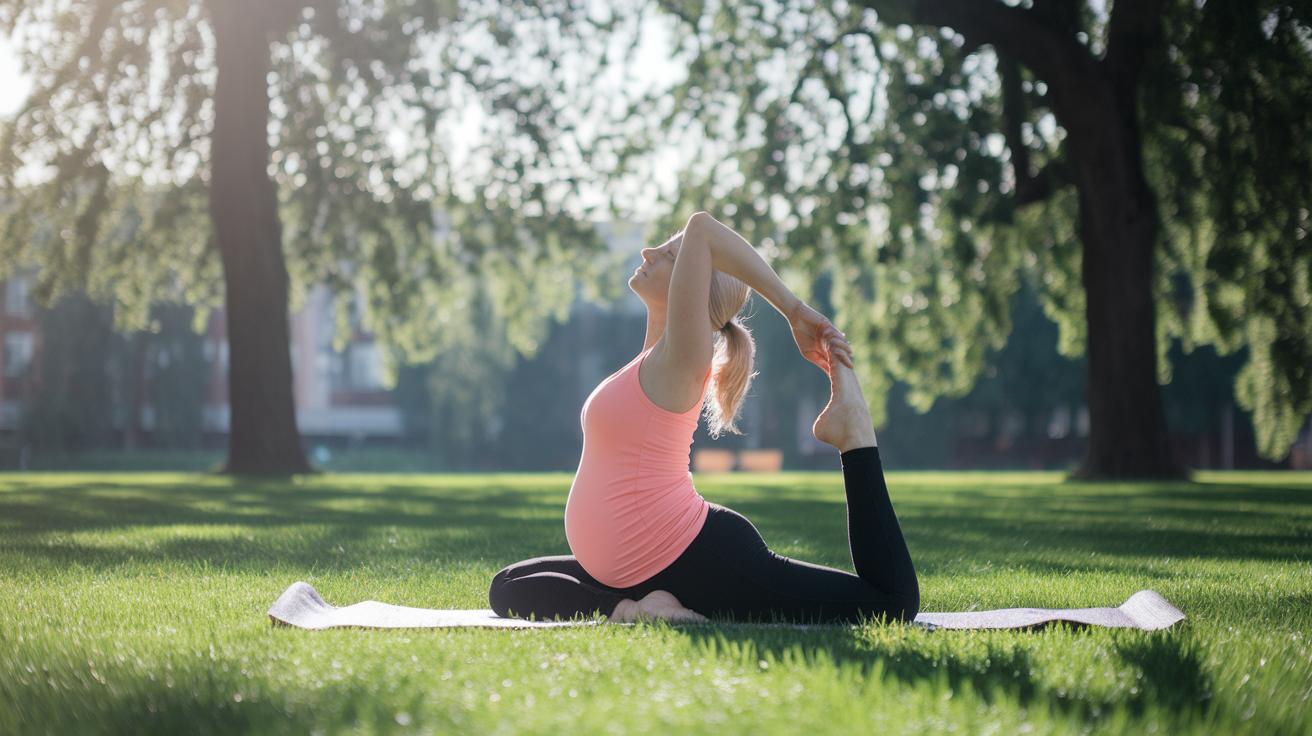
When you rely on activity choices and meal advice that are backed by research, you can feel more confident and take better care of both yourself and your baby during this special time. It’s a good idea to lean on experts who know about maternal fitness. For example, checking in with your OB-GYN (see ACOG Exercise Guidelines) can help you pick out safe exercises, while a physiotherapist can share helpful tips on protecting your muscles and joints. Plus, a registered dietitian can put together a meal plan that meets your energy and nutrition needs.
- Ask your OB-GYN for the go-ahead and advice on exercises just for you.
- Book a visit with a physiotherapist to get support for your joints and muscles.
- Work with a registered dietitian to create a balanced meal plan.
- Join prenatal fitness classes and use a wearable tracker to keep an eye on your progress.
- Connect with online groups to share experiences and pick up encouragement.
By taking these steps, you build a solid base for your health and your baby’s growth. Always get help from professionals to make sure your nutrition and exercise plan fits your unique needs perfectly.
Final Words
In the action, this article shared clear steps for safe movement and healthy eating during pregnancy. It covered how growing bodies affect heart rate and energy needs, offered simple meal ideas with balanced macronutrients, and explained workouts that care for joints and circulation.
The guide also highlighted ways to track hydration and weight wisely. Nutrition and exercise for an active pregnancy is all about supporting both care and confidence. Small steps add up, and every bit of care makes a positive difference for you and your little one!
FAQ
Q: What nutrition and exercise guidelines apply for an active pregnancy in the third trimester?
A: The nutrition and exercise guidelines for the third trimester focus on low-impact activities like walking or swimming, along with frequent, balanced small meals to help maintain energy, hydration, and overall well-being for both you and your baby.
Q: Which month should I start exercise during pregnancy for a normal delivery?
A: The month to start exercising generally depends on your provider’s clearance, with many beginning moderate activity early in pregnancy to support a normal delivery and healthy weight management.
Q: What pregnancy exercises are safe during the first trimester?
A: The first trimester exercise advice recommends gentle activities such as brisk walking, light stretching, and mild strength routines that help you stay active while allowing your body to settle into pregnancy.
Q: How can I safely exercise during the second trimester?
A: Safe second-trimester exercise includes moderate cardio like walking or stationary cycling and adjusted strength workouts, mindful of increased blood volume and body changes while avoiding overheating.
Q: How can I do pregnancy exercises at home?
A: Pregnancy exercises at home can involve simple routines like a short warm-up, walking in place, gentle strength movements, and stretching, which keep you active and comfortable in your own space.
Q: How do I stay physically active while pregnant?
A: Staying physically active while pregnant means combining regular moderate exercise with balanced nutrition, hydration, and rest, always listening to your body and consulting your provider when needed.
Q: Why are nutrition and exercise important during pregnancy?
A: Nutrition and exercise play a key role in managing weight, boosting energy, and supporting fetal growth, reducing risks of complications and helping both you and your baby thrive during pregnancy.
Q: Can I continue dieting and exercising while pregnant?
A: Continuing dieting and exercising during pregnancy involves focusing on nutrient-rich foods paired with moderate physical activity; always check with your healthcare provider to develop a plan that keeps you and your baby safe.
Q: What are the nutritional needs of a pregnant woman?
A: A pregnant woman’s nutritional needs include increased protein, healthy fats, and carbohydrates plus key vitamins and minerals like folic acid, iron, calcium, and DHA, which support fetal development and your energy levels.
Q: Where can I find detailed guidelines for active pregnancy nutrition and exercise in PDF format?
A: Detailed guidelines in PDF format are available from trusted healthcare resources and providers, offering structured meal plans, exercise routines, and expert tips to support a safe and active pregnancy.